
If you’ve ever stared at a backyard littered with soft, voluminous piles-and the dog responsible for them-you know that what goes in has everything to do with what comes out. Switching to a food that prioritises digestion might be the simplest change you can make for smaller, firmer stools and a happier pup.
Not every ‘digestive health” label is backed by a real difference in formulation, though. We sifted through the market to find dry foods that actually deliver on the ‘less poop” promise-whether through proven prebiotic blends, highly digestible ingredients, or explicit stool-quality guarantees. This guide breaks down what works so you can spend less time scooping and more time playing.
Best Dog Foods for Less Poop – 2026 Reviews
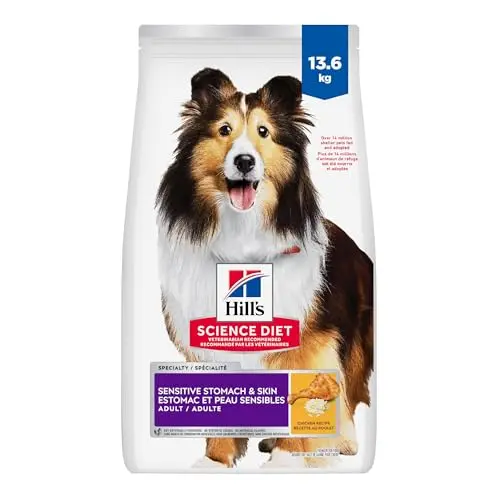
Sensitive Stomach & Skin Chicken Recipe – Prebiotic Digestive Support
A trusted pick for dogs with tummy troubles, this formula combines easily digestible chicken with beet pulp prebiotic fibre to soothe sensitive systems. Real-world reports consistently note firmer stools and fewer digestive upsets, making it a natural fit for owners who want a dirt-simple path to pooch poop control.
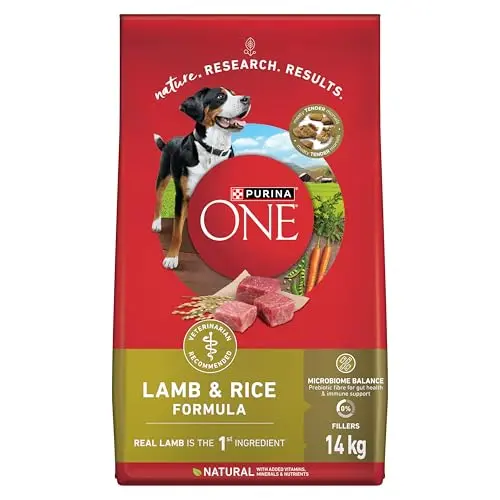
Microbiome Balance Lamb & Rice – Prebiotic Digestive Support
Purina ONE’s Microbiome Balance formula leans on a targeted prebiotic fibre to nourish intestinal bacteria, aiming for better gut health and more predictable potty breaks. It’s a wallet-conscious way to put digestive science to work in your dog’s bowl.
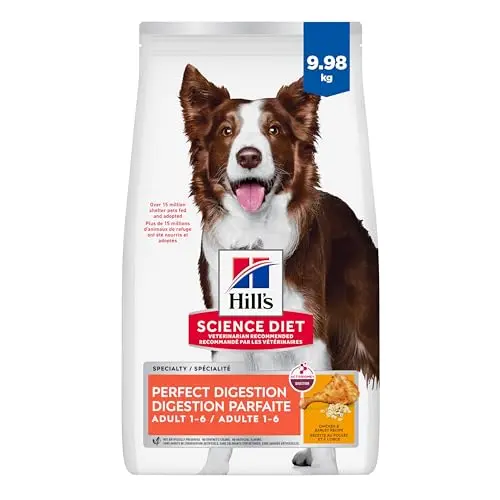
Perfect Digestion Chicken, Brown Rice & Whole Oats – 7-Day Stool Guarantee
With a bold promise of perfect poop in just one week, Hill’s Science Diet Perfect Digestion backs up the talk with ActivBiome+ technology-a blend of prebiotics, whole grains, and pumpkin. It’s designed for owners who want fast, visible improvements and are willing to invest in premium digestive science.
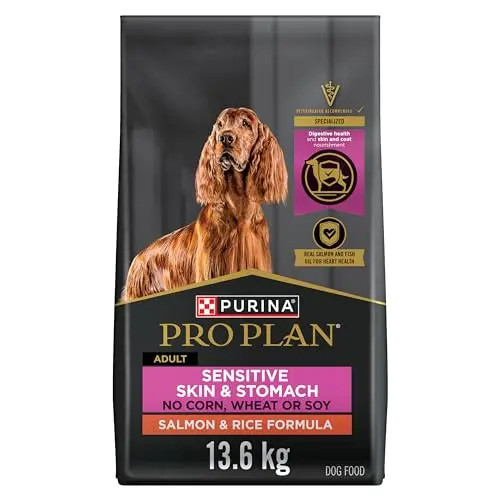
Sensitive Skin & Stomach Salmon & Rice – Gentle, Easily Digestible Nutrition
Purina Pro Plan’s salmon‑based sensitive formula swaps out common irritants for oat meal and omega fatty acids. It’s a go‑to for dogs with dual skin and stomach issues, prioritising ingredient simplicity and digestibility without sacrificing protein quality.
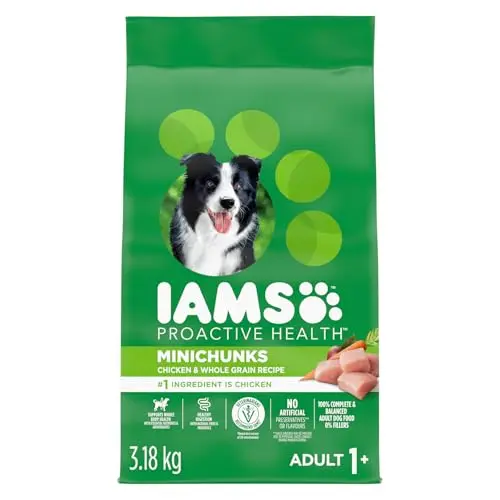
Proactive Health Minichunks Chicken & Whole Grain – 10‑Day Firm Stool Promise
IAMS minichunks put their money where the mouth is with a 10‑day optimal poop challenge. Small, crunchy kibble doubles as dental care while a prebiotic‑fibre blend works behind the scenes to firm things up-all at an entry‑level price point that makes this an easy first experiment.
How We Evaluated These Dog Foods for Less Poop
We didn’t run these through controlled feeding trials or lab stool analysis. What we did: cross‑referenced 5 dog food models from 4 distinct brands across 5 decision axes-digestibility claims, prebiotic/probiotic content, explicit stool‑quality guarantees, ingredient quality and simplicity, and aggregated owner satisfaction from verified purchases. We triangulated published formulas against real‑world outcomes to identify which diets are most likely to reduce waste volume and improve firmness.
The scoring framework weighted real‑world digestive performance (60%)-how reliably each food delivered firmer, less frequent stools-against feature differentiation (40%)-unique prebiotic blends, speed of results, and ingredient transparency. Our recommendations are independent of any commercial relationships; they track fit and function, not brand loyalty. If you’re after fast, predictable results, the Hill’s Perfect Digestion is your accelerator. If budget is your lens, the IAMS Proactive Health Minichunks proves that stool quality doesn’t have to break the piggy bank.
How to Choose the Right Dog Food for Less Poop
What to Look for in a Dog Food for Less Poop
Fewer droppings and firmer stools don’t happen by magic. You want a formula with highly digestible protein sources-real chicken, salmon, or lamb listed first-and a targeted fibre blend. Soluble fibres like oat meal, pumpkin, or beet pulp absorb water and slow digestion, leading to more compact waste. Insoluble fibres add bulk without benefit, so look for labels that specify prebiotic or functional fibres rather than generic ‘fibre.” Finally, avoid fillers and by‑product meals that the body can’t fully process, because undigested matter equals more to pick up later.
Understanding Digestibility and Fibre Content
A food’s digestibility score tells you how much your dog actually absorbs. If a formula lists corn, soy, or wheat as primary carbs, a portion will pass straight through and inflate stool size. Better options centre on brown rice, oatmeal, or barley. Look for phrases like ‘easily digestible” or ‘gentle on the stomach” in the product description, which indicate the manufacturer has prioritised ingredient quality. Pair that with a moderate fibre percentage (3-5%)-too little and you lose stool consistency, too much and you increase volume. The sweet spot is a blend of soluble prebiotic fibres, like the ActivBiome+ in Hill’s Perfect Digestion or the beet pulp in Hill’s Sensitive Stomach.
Prebiotics and Probiotics: Do They Really Help?
Absolutely-when they’re the right type. Prebiotics are fibres that feed gut bacteria, supporting a balanced microbiome that translates to firmer, less voluminous stool. Key players include beet pulp, chicory root, and oat fibre. Probiotics add live cultures, but they’re less common in dry kibble because processing kills them. If a food touts ‘microbiome” or ‘digestive wellness,” check for a named prebiotic source, not just a footnote. This is where Purina ONE Microbiome Balance stands out with its targeted formula, and IAMS Proactive Health delivers a straightforward prebiotic-fibre blend at a lower cost.
Hill's Science Diet vs Purina Pro Plan: Which Sensitive Stomach Formula Suits Your Dog?
Both brands offer powerhouse sensitive‑stomach options, but they tackle the problem differently. Hill’s Science Diet Sensitive Stomach & Skin uses chicken, beet pulp, and a heavy dose of omega‑6 for coat health-a great pick if skin issues accompany the digestion woes. Pro Plan Sensitive Skin & Stomach swaps in salmon, oat meal, and omega‑3 for anti‑inflammatory benefits, which can be a game‑changer for allergy‑driven gut troubles. If your dog’s main symptom is loose stool alone, Hill’s often yields quicker results. If itching and ear infections are in the mix, Pro Plan’s salmon‑based recipe might be the better sidekick.
How to Transition to a New Food Without Upsetting Your Dog's Stomach
A rushed switch can undo all the benefits you’re chasing. The gold‑standard method is a 7‑ to 10‑day gradual transition: days 1‑3 mix 25% new food with 75% old, days 4‑6 go 50/50, and days 7‑9 flip to 75% new before full conversion. Pay attention to your dog’s reaction during this window-softer stool is normal for the first 48 hours, but persistent diarrhoea means slow down or consult your vet. Adding a probiotic supplement during the switch can also smooth the ride, especially if you’re moving from a low‑fibre to a high‑fibre recipe.
Budget‑Friendly Options That Still Deliver Digestive Health
You don’t need to spend a fortune to see a difference in the dropping department. IAMS Proactive Health Minichunks delivers a controlled ‘optimal poop in 10 days” result at an entry‑level price, making it the ultimate starter choice. Dog Chow Complete checks the box for no fillers and real chicken, though its digestive focus is less explicit. If you can stretch slightly, Purina ONE Microbiome Balance packs genuine prebiotic science into a mid‑tier budget. The key is to avoid foods where the first ingredient is a vague ‘meat meal” or where corn dominates the ingredient list-those shortcuts show up in the yard.
Frequently Asked Questions
What's the difference between Hill's Science Diet Sensitive Stomach and Perfect Digestion formulas?
Sensitive Stomach & Skin is a broad‑spectrum formula for dogs with dual digestive and dermatologic needs-it emphasises omega‑6 fatty acids and beet pulp prebiotic. Perfect Digestion is laser‑focused on stool quality with ActivBiome+ technology (prebiotics, oats, pumpkin) and a 7‑day poop promise. If skin concerns aren’t on the radar, Perfect Digestion often yields faster, more predictable stool improvement. If your pup has flaky skin plus loose stool, Sensitive Stomach & Skin covers both bases in one bag.
How does IAMS Proactive Health compare to Purina ONE Microbiome Balance for reducing stool volume?
IAMS makes an explicit 10‑day firm‑stool claim based on controlled trials, so it sets a clear, measurable expectation. Purina ONE Microbiome Balance doesn’t give a calendar promise but formulates with a specific prebiotic fibre blend aimed at long‑term gut health. In practice, many owners see similar stool firmness with both, but IAMS’ minichunks also double as dental care. If you want the definiteness of a trial‑backed timeline, go IAMS; if you prefer a microbiome‑first approach, Purina ONE is the solid choice.
How quickly can I expect to see less poop after switching foods?
Most dogs show noticeable improvement within 7 to 14 days of a full switch, provided the transition is gradual. Hill’s Perfect Digestion owners report changes within the first week, while IAMS’ trial data points to 10 days. However, stool quality is also influenced by treats, table scraps, and hydration-so keep a food diary during the switch. If your dog’s output hasn’t firmed up after two weeks on a high‑digestibility formula, consult your vet to rule out underlying issues.
Can wet dog food help with less poop, or should I stick to dry kibble?
Dry kibble generally produces smaller, firmer stools than wet food because it has lower moisture and higher digestible solids. Wet food’s excessive water can result in softer, bulkier waste-though some high‑quality wet diets with limited ingredients can still work. For the specific goal of reducing stool volume, dry formulas with targeted prebiotic fibres are the most reliable path. If your dog needs extra hydration, you can always top kibble with a spoonful of wet food without sacrificing digestive performance.
Does grain‑free dog food produce less poop?
Not necessarily. Grain‑free recipes often use legumes and potatoes as carbohydrate sources, which can be harder to digest and lead to larger, looser stool in some dogs. What matters more is the digestibility and fibre balance, not the presence or absence of grains. Many grain‑inclusive foods with oatmeal, brown rice, or barley-like those in this roundup-are specifically engineered for gentle digestion and smaller cleanup. Focus on ingredients, not grain fads.
Final Verdict
For most dogs and most owners, the Hill’s Science Diet Sensitive Stomach & Skin hits the sweet spot-it’s backed by real‑world digestive success, noticeably firms up stool, and pampers skin at the same time. If speed is your priority, the Hill’s Perfect Digestion delivers on its 7‑day promise with ActivBiome+ firepower. Budget‑minded households will find the IAMS Proactive Health Minichunks to be a proven, affordable starting point. And when skin allergies complicate the picture, Purina Pro Plan Sensitive Skin & Stomach solves two problems in one bowl. Pick the match that aligns with your dog’s body-and your yard will thank you.