
Every Pekingese owner knows that look: the tilted head, the curious sniff, the hopeful paw. These compact charmers may act like royalty, but their dietary needs are surprisingly down-to-earth – and surprisingly demanding. Pekingese are prone to weight gain, sensitive stomachs, and dental issues that can turn mealtime into a guessing game. The right food does more than fill the bowl; it supports joint health, manages weight, and fits those tiny jaws.
We surveyed the dog food market across major brands to find options that make a real difference for Pekingese. From precision small-breed formulas to limited-ingredient grain-free recipes, we compared kibble size, digestive support, weight management, and ingredient quality to guide you toward a food your Pekingese will love and thrive on.
Best Dog Food for Pekingese – 2026 Reviews
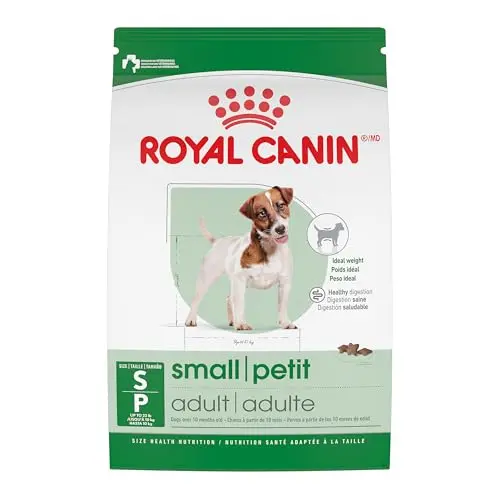
Small Breed Adult – Precision Nutrition for Small Mouths
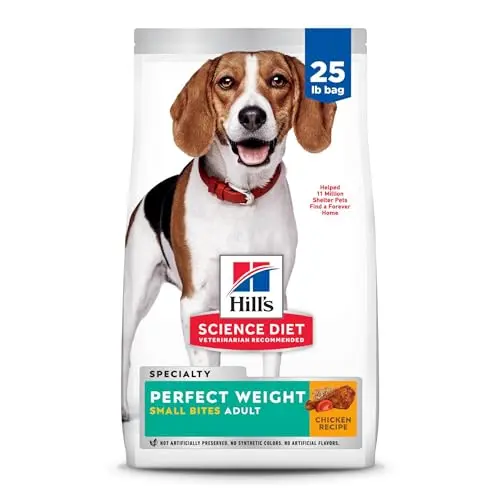
Perfect Weight Small Bites – Clinically Proven Weight Control
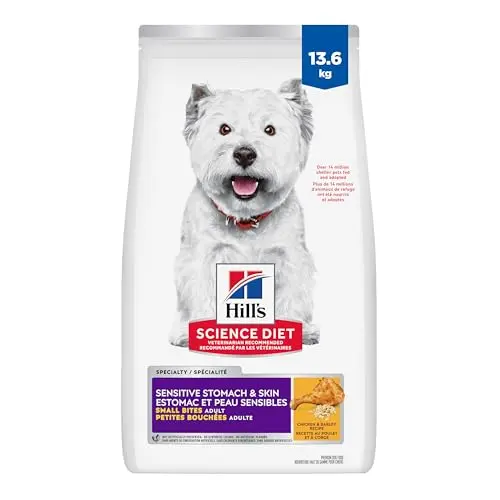
Sensitive Stomach & Skin Small Bites – Gentle Digestion & Coat Care
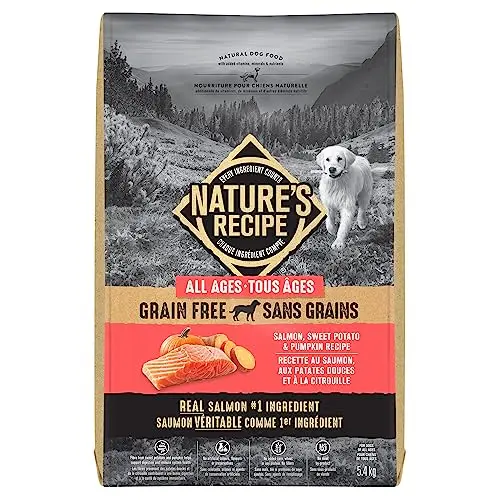
Salmon, Sweet Potato & Pumpkin – Grain-Free Skin & Digestive Support
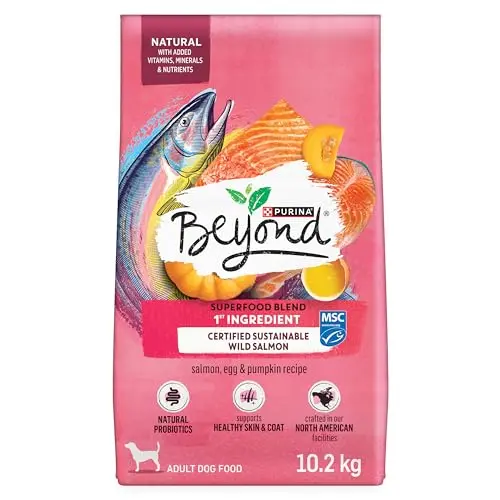
Superfood Blend Salmon, Egg & Pumpkin – Natural Limited Ingredient
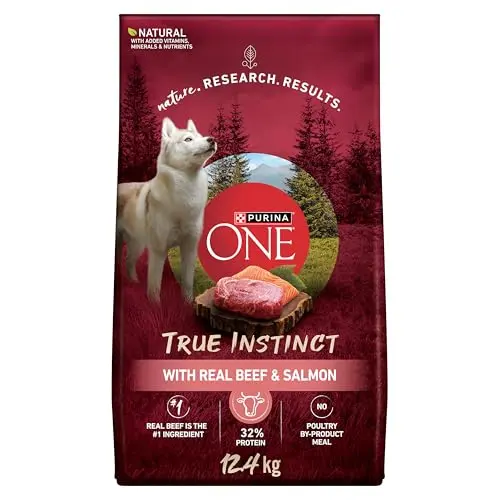
True Instinct High Protein – Beef & Salmon Fuel
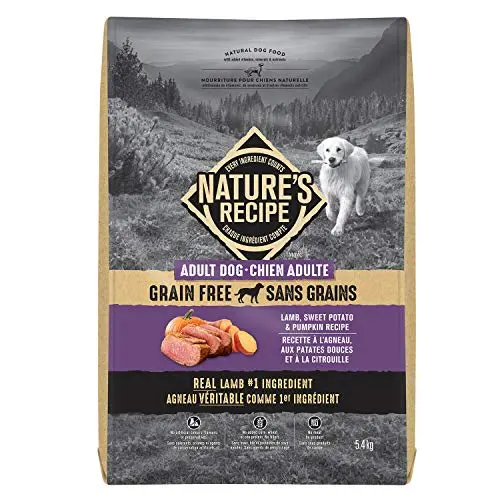
Lamb, Sweet Potato & Pumpkin – Grain-Free Joint Support
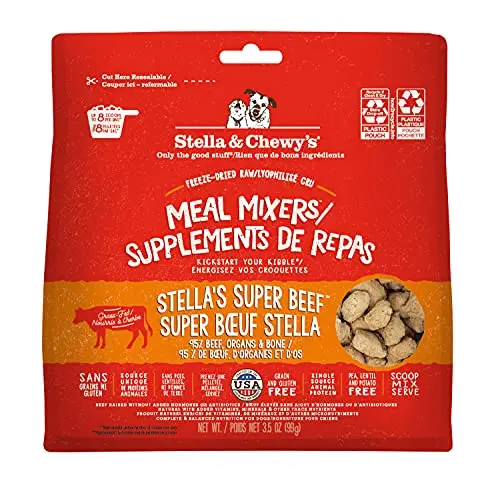
Super Beef Meal Mixer – Raw Topper for Picky Eaters
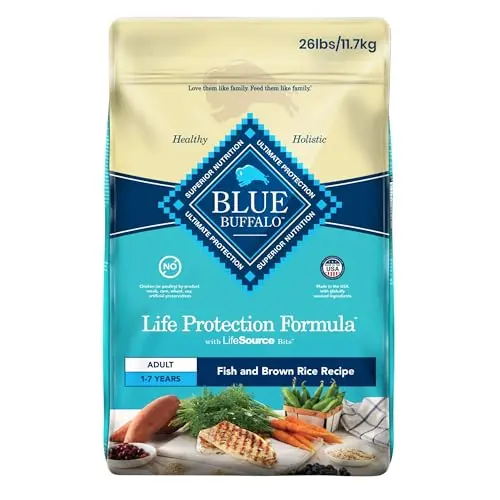
Fish & Brown Rice – Omega-Rich Coat Care
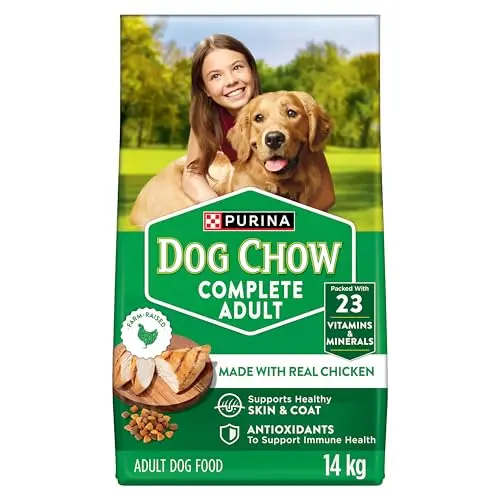
Complete Chicken – Budget-Friendly Everyday Nutrition
How We Evaluated These Dog Foods for Pekingese
We didn’t run controlled feeding trials or lab digestibility tests. What we did: cross-referenced 10 dog food models from 8 distinct brands across seven decision axes-kibble size and texture, protein source and quality, digestive support (fiber, probiotics), weight management ingredients (L-carnitine, calorie density), skin and coat nutrients (omega fatty acids), grain-free vs. grain-inclusive formulation, and breed-specific tailoring (small-bite kibble, palatability). We triangulated published ingredient lists, guaranteed analyses, and aggregated owner feedback where available, mapping each option against the known health concerns of Pekingese: weight gain, sensitive stomachs, dental challenges, and allergies.
The scoring framework weighted real-world suitability for Pekingese (60%)-how directly each food addresses the breed’s needs-against feature differentiation (40%)-unique nutritional benefits, innovative kibble design, and formula specificity. We have no commercial relationship with any of the brands featured; recommendations track fit and differentiation, not brand preference. If you’re seeking a reliable, all-in-one solution, the Royal Canin Small Breed Adult is the clear frontrunner. If weight management is your top concern, the Hill’s Science Diet Perfect Weight Small Bites delivers measured results.
How to Choose the Right Dog Food for Pekingese
Why Kibble Size Matters for Your Pekingese
Pekingese have flat faces and small jaws, which means large kibble can be a choking hazard and difficult to chew. Foods with small-bite kibble or specially designed small-breed pieces are easier for them to pick up and crunch. If your Pekingese struggles with standard kibble, the Royal Canin Small Breed Adult is a noticeable upgrade.
Managing Weight: Keeping Your Pekingese Fit
Pekingese love to eat, but they’re prone to obesity, which can lead to joint issues and breathing difficulties. Look for foods with moderate fat levels and ingredients that support metabolism, like L-carnitine. If your Pekingese needs to lose a few pounds, Hill’s Science Diet Perfect Weight Small Bites is a proven tool. Even with a weight-management food, portion control and regular weigh-ins are essential.
Ingredients to Look For in Dog Food for Pekingese
High-quality animal protein should be the first ingredient-whether it’s chicken, fish, or lamb. Omega fatty acids from sources like salmon support skin and coat health, which is a boon for Pekingese who can suffer from dry skin. Look for digestible carbohydrates like sweet potato or pumpkin, which provide gentle fiber and help regulate digestion. Avoid foods with artificial colours, flavours, and cheap fillers like corn, wheat, and soy if your dog has sensitivities.
Grain-Free vs. Grain-Inclusive: Which Is Better?
Grain-free diets have become popular, but they’re not necessary for every dog. If your Pekingese has grain allergies or sensitivities, a grain-free formula like Nature’s Recipe Salmon, Sweet Potato & Pumpkin can help. However, many Pekingese do well on grain-inclusive foods that use wholesome grains like brown rice or oatmeal. The key is to watch your dog’s digestion and coat condition, and consult your vet if you’re unsure.
How to Transition Your Pekingese to a New Food
Switching foods abruptly can upset your Pekingese’s stomach. Gradually mix the new food with the old over 7-10 days, starting with 25% new, then 50%, then 75%, until it’s 100% new. Keep an eye on stool quality and appetite during the transition. If your Pekingese is a picky eater, a topper like Stella & Chewy’s Super Beef Meal Mixer can help make the new food more enticing.
Frequently Asked Questions
What's the difference between Royal Canin Small Breed Adult and Hill's Science Diet Perfect Weight Small Bites for a Pekingese?
Both are excellent choices, but they serve different purposes. Royal Canin focuses on overall small-breed wellness with weight support, digestive health, and a kibble designed for tiny mouths. It’s a well-rounded daily diet. Hill’s Science Diet Perfect Weight is specifically for weight loss and management, with a clinically proven track record. If your Pekingese is already at a healthy weight, Royal Canin is a great maintenance option; if they need to shed pounds, Hill’s is the targeted pick. For many Pekingese owners, the Royal Canin Small Breed is the easy baseline.
Is grain-free dog food recommended for Pekingese, or is grain-inclusive fine?
It depends on your dog’s allergies. Grain-free foods can be beneficial if your Pekingese has a confirmed grain allergy, but many dogs digest grains like rice and oatmeal without issue. For sensitive Pekingese, grain-free options like Nature’s Recipe Salmon can reduce irritation. However, grain-inclusive foods often include beneficial fibers. Always consult your vet before making a diet change.
My Pekingese is a picky eater; how can I encourage them to eat?
Pekingese can be food snobs. Start with a highly palatable food-Royal Canin is known for appealing to picky eaters. You can also try a freeze-dried raw topper like Stella & Chewy’s Super Beef Meal Mixer to add flavour and texture. Warm water or low-sodium broth can also soften kibble and release aromas. Avoid free-feeding; set meal times to build appetite.
How much should I feed my Pekingese each day?
Feeding amounts vary by food and activity level. Always start with the package guidelines based on your dog’s weight, and adjust based on body condition. For a typical 12-14 pound Pekingese, this might be about ½ to 1 cup per day, split into two meals. Use a kitchen scale to measure portions accurately, and cut back if you see weight creeping up.
Nature's Recipe Salmon vs. Beyond Superfood Blend Salmon: which is better for skin and coat?
Both feature salmon and offer omega-3s, but Nature’s Recipe is grain-free and includes specific skin-supporting omega fatty acids, while Beyond relies on a natural, limited-ingredient approach with pumpkin and oatmeal. If your Pekingese has grain sensitivity, Nature’s Recipe is the safer bet. If you prefer a simpler ingredient list with no corn, wheat, or soy, Beyond is a great choice. Both will support a healthy coat, so pick based on grain preference and kibble size.
Final Verdict
For most Pekingese, the Royal Canin Small Breed Adult is the wisest choice-it addresses weight, digestion, and picky eating with a kibble that literally fits. If your dog is carrying extra pounds, the Hill’s Science Diet Perfect Weight Small Bites provides proven weight-loss support without guesswork. For sensitive stomachs, Hill’s Science Diet Sensitive Stomach & Skin soothes from the inside out. And if grain-free is a must, Nature’s Recipe Salmon delivers a clean, omega-rich meal. Pick the one that matches your Pekingese’s biggest need-they’re all strong contenders.