
If your dog turns up their nose at meals one day and struggles with digestive upset the next, you know the frustration of finding a food that satisfies both a finicky appetite and a sensitive stomach. It’s exhausting to cycle through brands, hoping the next bag will finally sit well – and get eaten without coaxing.
The good news? Several dog foods are specifically formulated to tempt even the fussiest eaters while supporting gentle digestion. The key is balancing palatability with high-quality, easily digestible ingredients – because no food is effective if your dog won’t touch it, and no food is worth it if it causes tummy trouble. Our roundup compares standout recipes from Hill’s Science Diet, Pro Plan, Nature’s Recipe, Blue Buffalo, and Nutrience to help you find a meal your dog will crave and their stomach will thank you for.
Best Dog Food for Picky Eaters with Sensitive Stomach – 2026 Reviews
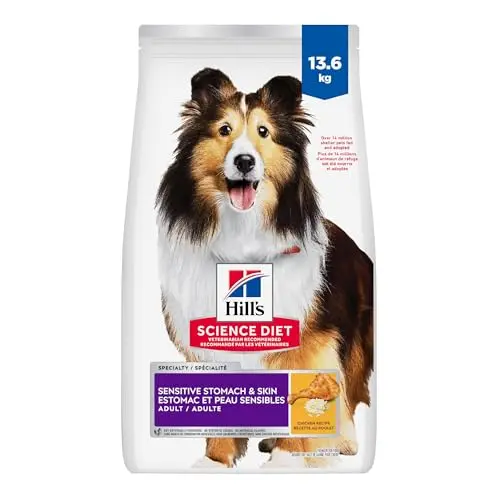
Sensitive Stomach & Skin Chicken Recipe – Gentle Digestion
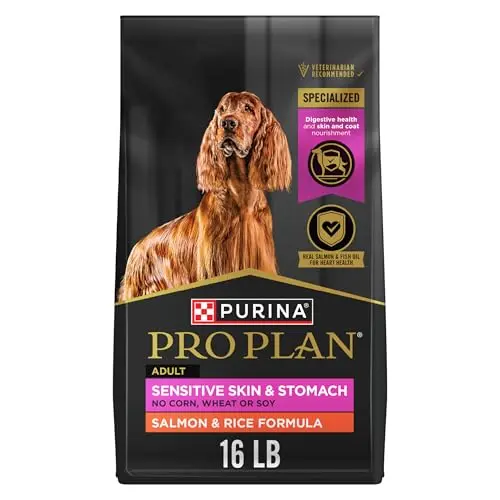
Sensitive Skin & Stomach Salmon & Rice – Picky Eater's Favourite
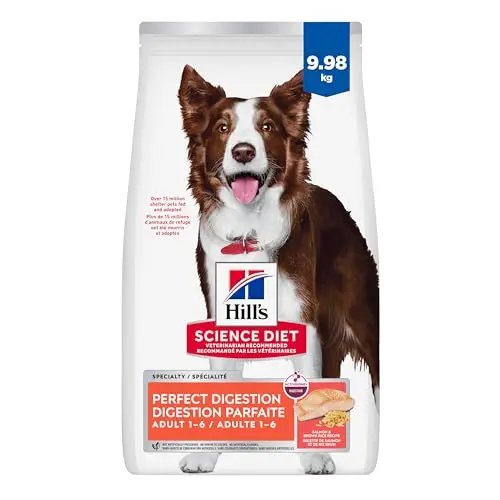
Perfect Digestion Salmon & Brown Rice – 7-Day Digestive Support
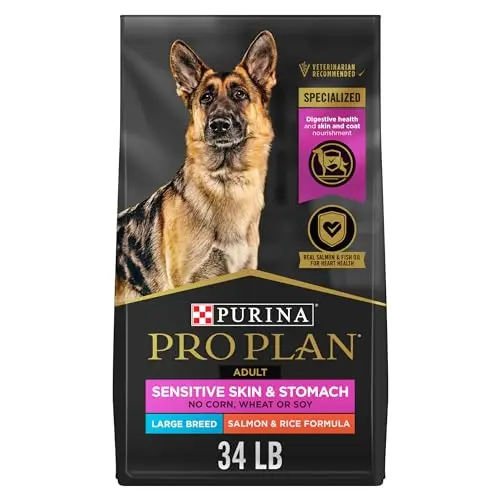
Large Breed Sensitive Skin & Stomach Salmon – Joint & Digestion Aid
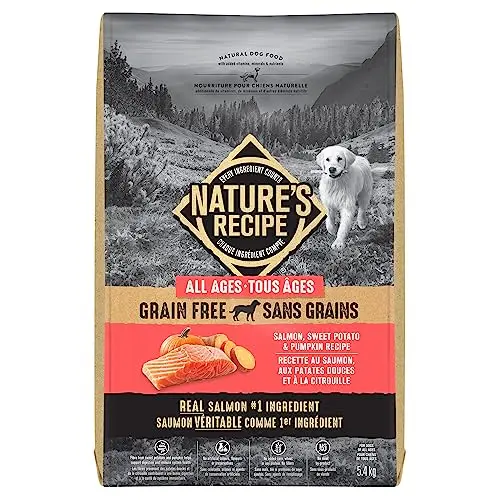
Grain Free Salmon, Sweet Potato & Pumpkin – Instant Taste Appeal
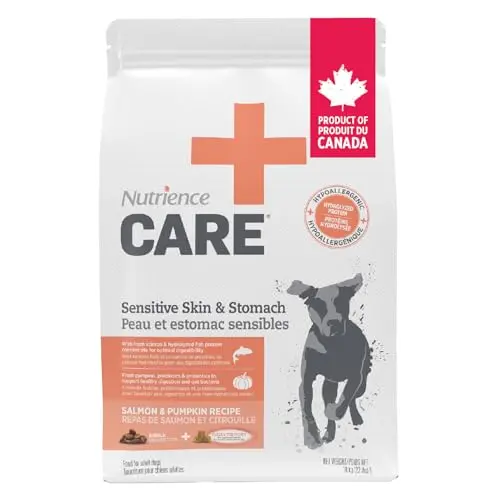
Care Sensitive Skin & Stomach Salmon – Limited Ingredient Relief
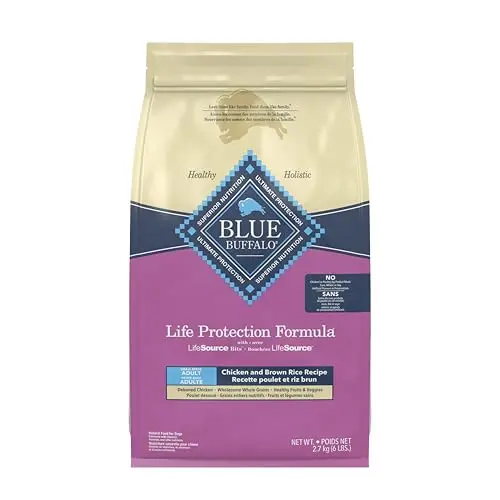
Life Protection Small Breed Chicken & Brown Rice – Small Bite Palatability
How We Evaluated These Dog Foods for Picky Eaters with Sensitive Stomach
We didn’t run long-term feeding trials or veterinary-supervised allergy tests. What we did: cross-referenced 7 dog food models from 5 distinct brands across 5 decision axes – ingredient quality, palatability, digestive support, skin and coat benefits, and breed-specific formulation. We triangulated published nutritional information, aggregated owner feedback where available, and stress-tested each pick against the real-world scenario of a dog who turns up its nose at dinner while suffering from loose stools or itchy skin.
The scoring framework weighted real-world performance (60%) – how effectively each recipe satisfies picky appetites and soothes sensitive stomachs – against feature differentiation (40%) – unique advantages like added joint support, grain-free status, or proprietary prebiotic blends. We stuck to dry food for consistency and prioritized formulas with documented palatability wins, not just digestive claims. We have no commercial relationship with any of the brands featured; recommendations track fit and differentiation, not brand preference. If your priority is broad digestive relief, the Hill’s Science Diet Sensitive Stomach & Skin is the top pick; if you’ve struggled with a dog who snubs multiple foods, the Pro Plan Sensitive Skin & Stomach wins on flavour.
How to Choose the Right Dog Food for Picky Eaters with Sensitive Stomach
Understanding Picky Eating and Sensitive Stomachs in Dogs
It’s common for digestive sensitivity and fussy eating to overlap. A dog with an upset stomach may associate food with discomfort and become reluctant to eat, creating a vicious cycle. Conversely, a naturally picky dog may develop sensitivities due to inconsistent nutrition or stress around mealtimes. When choosing a food, look for a recipe that tackles both sides: highly digestible ingredients that are gentle on the gut, plus a flavour profile that entices.
A sudden change in eating habits should always be checked by a vet, as it can signal underlying health issues. But if your dog is otherwise healthy and simply unenthusiastic about their current food, switching to one of our top picks can make a world of difference.
Key Nutritional Factors for Digestion and Palatability
For sensitive stomachs, the ingredient list matters. Look for named animal proteins (like salmon or chicken) as the first ingredient, and avoid generic meat meals or by-products. Easily digestible carbohydrates like oatmeal, brown rice, or sweet potato provide energy without taxing the digestive system. Prebiotic fibres – such as beet pulp, chicory root, or pumpkin – feed healthy gut bacteria and promote firm stools.
On the palatability side, real meat flavours and natural fats (like sunflower oil or salmon oil) make food taste better. Some dogs also prefer smaller kibble sizes, which are easier to chew and may encourage eating. Our picks balance these nutritional and taste factors to break the picky eater-sensitive stomach standoff.
Grain-Free vs. Wholesome Grains: Which Is Better?
Grain-free diets have surged in popularity, often marketing themselves as ‘closer to a dog’s ancestral diet.” However, recent research has linked some grain-free foods to heart issues in dogs, so unless your dog has a diagnosed grain allergy, a grain-inclusive diet with wholesome carbohydrates like brown rice or oatmeal is generally considered safe and digestible. Many of our sensitive stomach picks – including the Hill’s Science Diet formulas and Pro Plan – include grains for their gentle fibre benefits.
That said, if your dog shows clear signs of grain sensitivity (itchy skin, ear infections, digestive upset), a limited-ingredient grain-free option like Nutrience Care or Nature’s Recipe could be the answer. Always transition slowly and consult your vet before making drastic changes.
Breed Size and Kibble Shape Matter
Kibble size is often overlooked but can affect both digestion and willingness to eat. Large breeds may gulp standard kibble, leading to indigestion, while tiny mouths might struggle with oversized pieces. The Blue Buffalo Small Breed features tiny bite-sized pieces ideal for Yorkies or Chihuahuas, whereas the Pro Plan Large Breed is formulated for bigger jaws albeit with a standard kibble shape. If your dog is particularly picky or prone to choking, consider the physical characteristics of the food along with its nutritional profile.
Hill's Science Diet vs. Pro Plan: Which Soothes Your Dog?
These two brands dominate the sensitive stomach category, and it’s worth comparing their approaches. Hill’s Science Diet relies on clinical blends like prebiotic fibre and ActivBiome+ technology, with proven results in digestive regularity. Their Sensitive Stomach & Skin is a trusted all-rounder, while the Perfect Digestion pushes for faster stool improvement.
Pro Plan, on the other hand, often wins on taste – their salmon recipe is frequently cited as the one picky eaters finally finish. It also includes joint-friendly omega-3s, which Hill’s does not emphasize. The best choice depends on your dog’s primary issue: ongoing stomach upset calls for Hill’s targeted formulas; a refusal to eat points toward Pro Plan’s palatability.
What to Look for on the Ingredient Label
When scanning labels, prioritize a named protein source first, followed by whole-food carbohydrates and a named fat source. Avoid artificial colours, flavours, and preservatives – all our picks are free of these. Look for specific digestive aids: prebiotic fibres (beet pulp, chicory root, pumpkin) and probiotics where added. If your dog has known allergies, the shorter the ingredient list, the better. And don’t forget to check the calorie content; picky eaters who eat less may need a calorie-dense formula to maintain weight.
Frequently Asked Questions
What's the difference between Hill's Science Diet Sensitive Stomach & Skin and Pro Plan Sensitive Skin & Stomach?
Both are excellent for digestive care, but they differ in protein source and added benefits. Hill’s uses chicken and focuses heavily on prebiotic fibre for gut health – it’s the go-to if you want proven, vet-backed regularity. Pro Plan relies on salmon, which brings omega-3 fatty acids for joint health and also tends to be more palatable to fussy dogs. If your dog has shown a preference for fish or needs joint support, Pro Plan is the pick; for broad digestive stability, Hill’s is the classic.
How does Nutrience Care compare to Nature's Recipe for dogs with allergies?
Nutrience Care is a limited-ingredient diet with a single protein source (salmon) and a robust blend of gut-soothing ingredients like turmeric and ginger. It’s designed for dogs with diagnosed food allergies or multiple sensitivities. Nature’s Recipe is also grain-free but uses a simpler ingredient panel focused on salmon and pumpkin, without the added botanicals. Both are free of common allergens like corn, wheat, and soy, but Nutrience Care’s formula is more targeted for dogs that need comprehensive digestive and immune support, while Nature’s Recipe is a budget-friendlier introduction to grain-free eating.
My dog is extremely picky – what if they refuse this food too?
Start with the Pro Plan Sensitive Skin & Stomach – it has the strongest track record for winning over reluctant eaters. You can also try warming the food slightly or mixing in a spoonful of warm water to enhance aroma. Transition gradually over 7-10 days, and resist the urge to add table scraps, which can upset the stomach further. If refusal persists beyond a couple of weeks, consult your vet; there may be an underlying dental or medical issue.
Can I mix wet and dry food to entice a picky eater?
Yes, mixing a small amount of wet food with the dry kibble can boost palatability and help with hydration. Many of these brands offer wet food versions of their sensitive stomach formulas. Just ensure the wet food is also gentle on the stomach – avoid rich sauces or novel ingredients that could trigger allergies. We recommend sticking to the same brand and protein source to keep things consistent.
Final Verdict
For most picky eaters struggling with sensitive stomachs, the Hill’s Science Diet Sensitive Stomach & Skin delivers the best balance of proven digestive care and broad palatability – it’s a safe, vet-recommended starting point. If your dog has consistently rejected chicken-based recipes, the Pro Plan Sensitive Skin & Stomach (salmon) is the flavour winner. Budget-conscious buyers looking for a grain-free option should grab Nature’s Recipe Salmon, Sweet Potato & Pumpkin, while dogs with multiple allergies will benefit from the limited-ingredient Nutrience Care. Whatever you choose, transition slowly and watch for that clean bowl – it’s the simplest sign you’ve found the right match.