
Watching your dog struggle with constipation is tough. Straining, hard stools, or skipped bathroom breaks are clear signs that something’s off, and you want a fix that actually works. While a vet visit is always step one to rule out blockages or underlying issues, the right diet can make a massive difference in keeping things moving comfortably.
But not all ‘digestive” dog foods pull their weight when it comes to constipation specifically. Some lean on generic fibre blends that barely move the needle, while others feature targeted prebiotics, high-moisture formats, or easily digestible proteins that can get things back on track fast. This guide breaks down what to look for – and which foods our research shows are most likely to deliver relief – so you can make a confident switch.
Best Dog Food for Constipation – 2026 Reviews
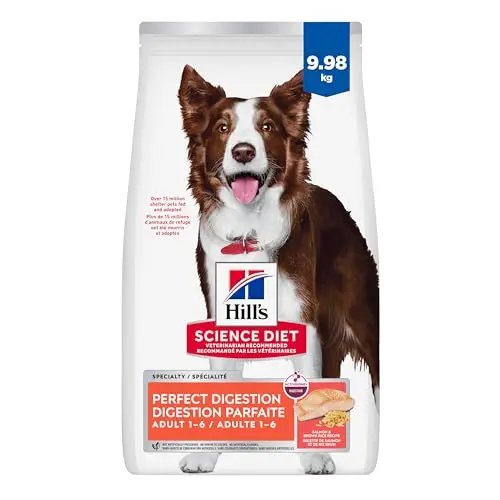
Perfect Digestion Dry Dog Food – Healthy Stools in 7 Days
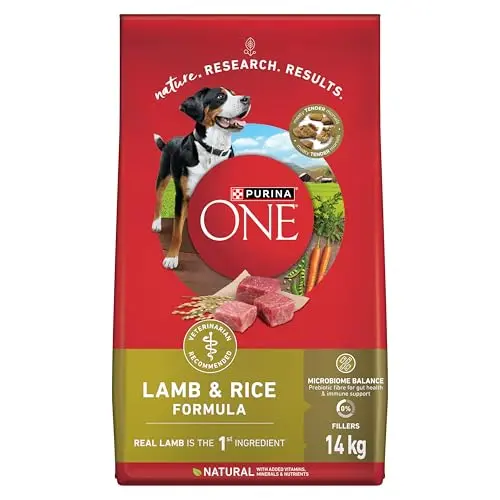
Microbiome Balance Lamb & Rice – Prebiotic Fibre for Gut Health
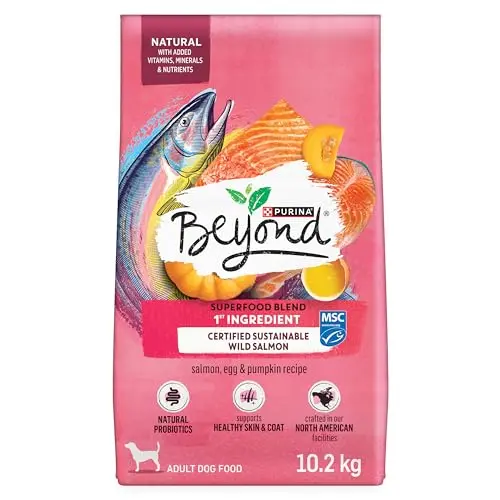
Superfood Blend Salmon, Egg & Pumpkin Dry Food – Limited Ingredient Digestive Support
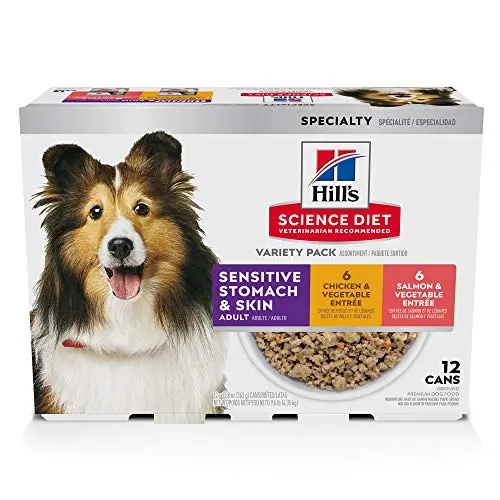
Sensitive Stomach & Skin Variety Pack – Gentle Wet Food for Digestive Health
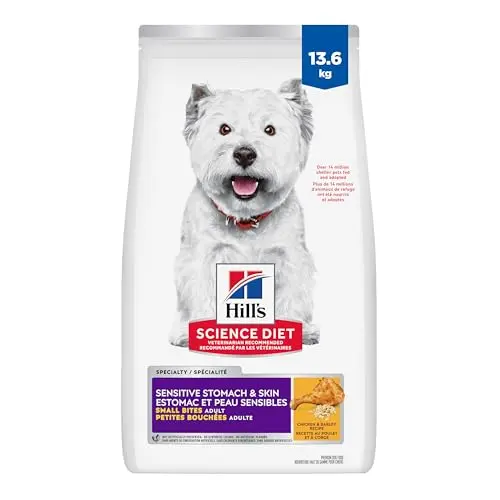
Sensitive Stomach & Skin Small Bites Dry Food – Prebiotic Fibre for Gentle Digestion
Natures Blend Freeze-Dried Raw Dog Food – Highly Digestible Raw Nutrition
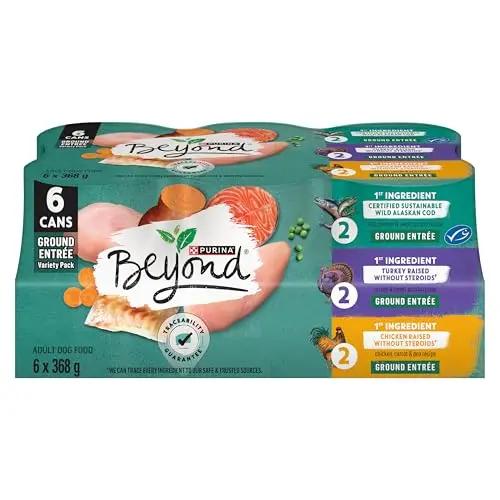
Grain Free Ground Entree Variety Pack – Tender Wet Food for Sensitive Stomachs
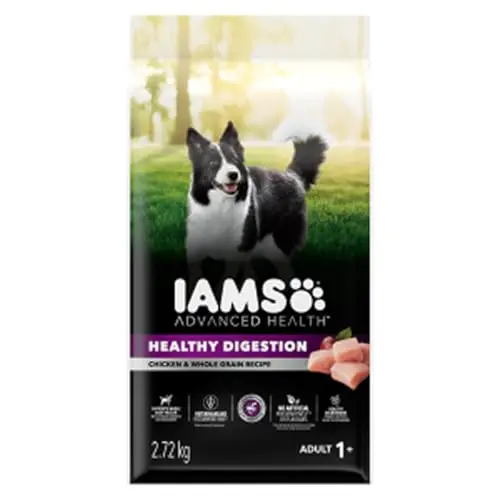
Advanced Health Healthy Digestion – Optimal Poop in 10 Days
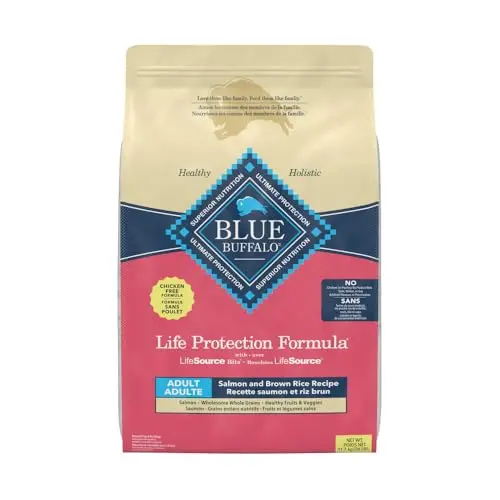
Life Protection Formula Salmon Dry Food – Natural Digestive Support
How We Evaluated These Dog Foods for Constipation
We didn’t run clinical stool trials or controlled feeding studies in a lab. What we did: cross-referenced 9 dog food formulas from 6 distinct brands across 7 decision axes – digestive health claims, fibre sources, prebiotic and probiotic content, protein quality, moisture level, owner-reported stool quality, and ingredient transparency. We triangulated published nutritional information, ingredient lists, and aggregated owner feedback where available against the specific demands of constipation relief in adult dogs.
The scoring framework weighted real-world constipation fit (60%) – how directly each food targets stool softness, regularity, and transit time – against feature differentiation (40%) – unique technologies like ActivBiome+, live prebiotics, or moisture-rich formats. Recommendations track which foods line up with digestive physiology, not brand loyalty. If your dog is straining and you need a reliable turnaround, the Hill’s Perfect Digestion is our top pick; if you’re after an affordable daily defender, the IAMS Advanced Health punches above its weight.
How to Choose the Right Dog Food for Constipation
What to Look for in a Constipation-Fighting Dog Food
The first place to look is the fibre source. Both soluble fibre (oats, pumpkin, beet pulp) and insoluble fibre (pea fibre, cellulose) play roles, but for constipation, soluble fibre that draws water into the colon is often more immediately helpful. Prebiotics like inulin or FOS nourish beneficial gut bacteria, which in turn produce short-chain fatty acids that keep the colon lining healthy and motility normal. If a food lists pumpkin or psyllium near the top, that’s a good signal.
Beyond fibre, moisture content is a big lever. Dry kibble typically contains 10% or less water, whereas canned foods can be 75% water or more. Switching to a wet food or mixing wet into dry can sometimes resolve mild constipation within a day or two. This is why we included both dry and wet options in our lineup – it gives you flexibility to adjust hydration without completely overhauling your dog’s diet.
Dry vs. Wet Food for Constipation: Which Route to Take
There’s no single right answer, but wet food generally provides faster relief for constipation because of the extra water. It also tends to be more palatable, which helps if your dog’s appetite has dipped. The downside is cost: feeding a large dog exclusively on canned food gets expensive fast. Dry food, on the other hand, is more economical and often has higher fibre density per cup. Our approach is to choose a high-quality dry food with proven digestive benefits and then use wet food as a mix-in or topper to boost moisture and taste. The Hill’s Sensitive Stomach & Skin variety pack does this brilliantly, while the Hill’s Perfect Digestion dry food works so well on its own that many dogs won’t need a topper.
Ingredient Red Flags When Your Dog Is Constipated
Some ingredients can inadvertently make constipation worse. Excessive bone meal or calcium in raw diets can lead to hard, chalky stools, so check the calcium-to-phosphorus ratio if you’re going raw. Artificial thickeners and fillers like carrageenan, while generally safe, can cause inflammation in sensitive dogs. Low-quality meat by-products are harder to digest and may sit in the gut longer. We prioritized foods with named protein sources (lamb, chicken, salmon) and whole-food fibre sources rather than those relying on purified cellulose or generic ‘grain” mixes.
How Quickly Can a New Food Actually Help?
Timelines vary, but many of the foods we evaluated make specific claims: Hill’s Perfect Digestion promises perfect poop in 7 days, while IAMS Advanced Health targets 10 days. These aren’t just marketing – they’re based on feeding trials. In reality, you may see softer stool within 2-3 days, especially if you’re adding wet food or a pumpkin topper. However, if your dog hasn’t had a bowel movement in over 48 hours despite dietary changes, it’s time to involve your vet – there could be a blockage.
Building a Long-Term Plan for Digestive Regularity
Once you’ve gotten past the immediate constipation episode, you’ll want a maintenance diet that prevents it from recurring. Look for a food that includes both prebiotic fibre and probiotics if possible, like the Purina ONE Microbiome Balance, which supports a healthy gut ecosystem over the long haul. Consistency matters: stick to regular meal times, provide constant access to fresh water, and avoid sudden food switches. Some dogs may need a rotational diet – having two or three foods on hand that you cycle through – to prevent digestive boredom or sensitivities from building up.
Frequently Asked Questions
What's the difference between Hill's Perfect Digestion and Purina ONE Microbiome Balance for constipation?
Both are excellent, but they take different approaches. Hill’s Perfect Digestion is a targeted solution: it uses ActivBiome+ prebiotics, pumpkin, and oats to aggressively promote regularity, and it comes with a seven-day stool-quality guarantee. It’s a laser-focused tool for dogs with persistent constipation. Purina ONE Microbiome Balance is more of a broad-spectrum gut health formula – it feeds the entire microbiome with prebiotic fibre from grains, supporting long-term digestive resilience. For acute constipation, Hill’s tends to work faster; for ongoing maintenance, Purina ONE is a solid, more affordable choice. If budget is a factor, the IAMS Advanced Health splits the difference with its 10-day promise at a lower price.
Can adding wet food to my dog's diet really help with constipation?
Yes – for many dogs, it’s the single most effective change you can make. The high moisture content in wet food softens stool and helps it move through the colon more easily. If you’re feeding a dry food like Blue Buffalo Life Protection or Purina ONE, mixing in a spoonful of a wet variety pack like the Hill’s Sensitive Stomach & Skin cans can provide near-immediate hydration benefits. Some dogs, however, may get looser stools, so start with small amounts and monitor. The key is to ensure the wet food also has digestive-friendly ingredients – prebiotics or pumpkin – rather than just being a standard ground meat product.
Is grain-free dog food better for constipation?
Not necessarily. While some dogs with grain sensitivities do better on grain-free formulas, many grains – especially oats, brown rice, and barley – are excellent sources of soluble fibre that help with constipation. The Beyond Grain Free variety pack uses alternative binders, but it’s the moisture and protein content that help more than the absence of grains. For typical constipation, a food with whole grains like the Hill’s Perfect Digestion is often more beneficial than a grain-free option, unless your dog has a known grain allergy.
How do I switch my dog to a new food for constipation without causing more upset?
Rapid switches can make digestive issues worse, so transition slowly over 5-7 days: start with 25% new food and 75% old food for two days, then go 50/50 for two days, then 75% new food, and finally all new. If your dog has acute constipation, you might try adding a spoonful of pumpkin puree or a wet food topper to the existing diet on day one while you begin the gradual switch. Foods like the Beyond Superfood Blend with pumpkin are already rich in pumpkin, so they’re a natural bridge. Watch for signs of diarrhoea – if that happens, slow down the transition.
Final Verdict
When your dog can’t go, you want a solution that works. For most dogs, the Hill’s Science Diet Perfect Digestion is the clearest answer – it delivers on its seven-day stool promise with a salmon-first, prebiotic-rich recipe that’s built for regularity. If your wallet needs a break, the IAMS Advanced Health Healthy Digestion offers similar constipation-specific guarantees at a fraction of the cost. And for dogs that thrive on raw nutrition, the Dr. Marty’s freeze-dried raw is a premium pick worth considering if you’re already committed to raw feeding. Whichever you choose, pair it with plenty of water and stick to the transition plan – and here’s to more comfortable potty breaks ahead.