
You let your dog out, watch them do their business, and then – before you can stop them – they turn around and eat it. It’s gross, it’s frustrating, and you’re probably wondering if there’s something missing in their diet. The truth is, coprophagia (the technical term for poop eating) can have several causes, but nutrition often plays a starring role. A diet that’s difficult to digest, lacks key enzymes, or doesn’t deliver complete nutrition may leave your dog scavenging for something their body craves.
The right food can make a real difference. By switching to a formula that prioritizes digestive health, you may help your dog absorb nutrients better and reduce the urge to snack on stool. We’ve compared top options across brands – from prebiotic-packed kibble to raw patties – to find foods that support gut health, ease digestion, and might just break the habit. Whether your pup has a sensitive stomach or you’re simply looking for a higher-quality diet, our guide will help you pick the right one.
Best Dog Food for Poop Eaters – 2026 Reviews
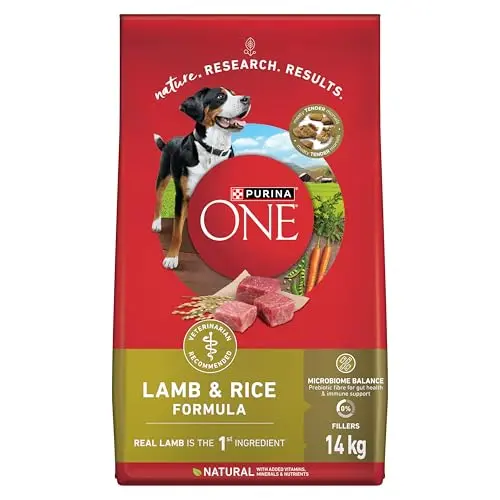
Microbiome Balance – Lamb & Rice Recipe for Gut Health
A digestive health powerhouse that combines real lamb with prebiotic fibre, this easily digestible kibble helps balance the gut microbiome. It’s formulated to support strong muscles, a healthy heart, and overall immune function – all while being gentle on the stomach. Owners report softer coats and less ear itchiness after switching.
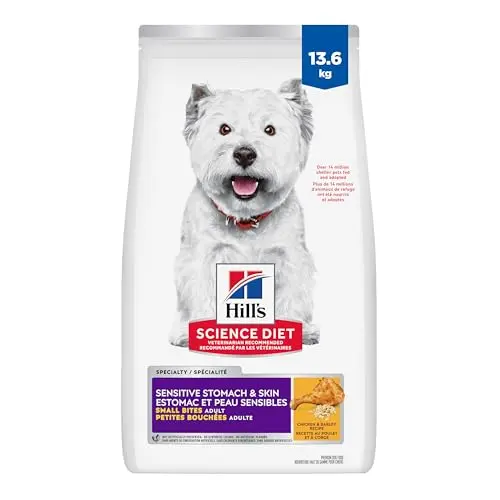
Sensitive Stomach & Skin Small Bites – Chicken Recipe
Vet-recommended and clinically proven to be gentle on digestion, this small-bite kibble uses prebiotic beet pulp to support a healthy gut. The addition of vitamin E and omega-6 fatty acids nourishes skin and coat. It’s an ideal pick for dogs with recurring digestive upset or sensitive systems that might contribute to stool-eating.
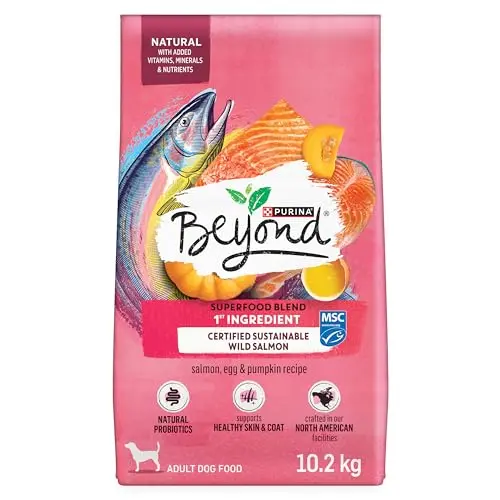
Superfood Blend – Salmon, Egg & Pumpkin Recipe
Free from corn, wheat, soy, and poultry by-products, this limited-ingredient formula leans on wild-caught salmon and pumpkin. It’s designed for dogs with food sensitivities and includes recognizable, natural ingredients – no artificial colours or flavours.
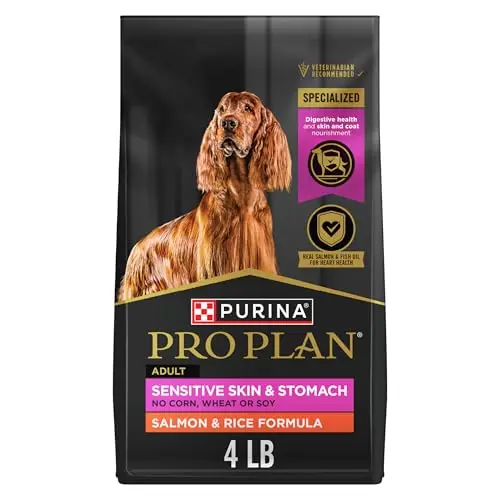
Sensitive Skin & Stomach – Salmon & Rice Formula
If your dog needs both digestive and skin support, this salmon-rich recipe delivers. Real salmon is the first ingredient, boosted by fish oil for omega-3s and sunflower oil for omega-6s. Prebiotic fibre from oatmeal nourishes intestinal bacteria, and the high-protein formula is easy on sensitive systems.
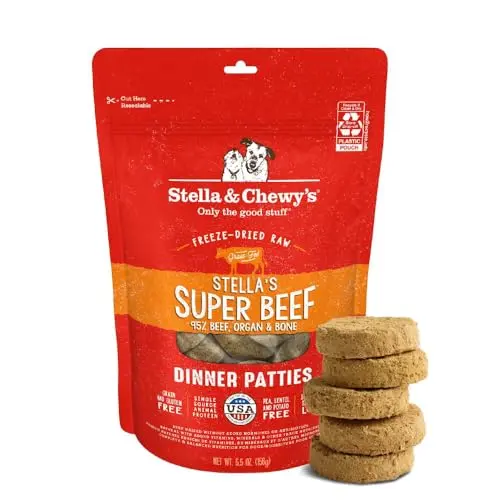
Freeze-Dried Raw Dinner Patties – Super Beef Recipe
For owners interested in raw feeding, these freeze-dried patties offer a convenient bridge. Made of 95% beef, organs, and bone, the whole-prey recipe mimics an ancestral diet. It includes added probiotics and taurine for digestive and heart health, and is grain-free with no fillers.
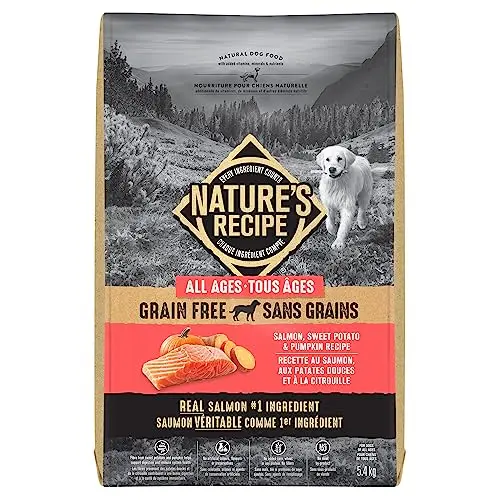
Grain Free – Salmon, Sweet Potato & Pumpkin Recipe
A grain‑free option that puts salmon first and adds sweet potato and pumpkin for fibre-rich digestion. It contains no artificial colours, flavours, or preservatives, and avoids grains and fillers. It’s a wallet-friendly pick for owners who want a clean ingredient list without the premium price tag.
How We Evaluated These Dog Foods for Poop Eaters
We didn’t run long‑term feeding trials or lab‑based digestibility panels. What we did: cross‑referenced 6 dog foods from 6 distinct brands across 5 key decision axes – ingredient quality, digestive health support, prebiotic and probiotic content, protein source, and owner feedback patterns. We triangulated published specifications, aggregated owner experiences where available, and mapped each product against the specific needs of dogs that eat stool.
The scoring framework weighted digestive and nutritional fit for coprophagia (60%) – how well a food delivers on gut health and nutrient absorption – against feature differentiation (40%) – unique technical advantages like raw preparation, prebiotic type, or protein diversity. We have no commercial relationship with any of the brands featured; recommendations track fit and differentiation, not brand preference. If your dog’s poop‑eating seems driven by poor digestion, the Purina ONE Microbiome Balance is our top recommendation; if sensitivity is the bigger issue, Hill’s Science Diet Sensitive Stomach shines.
How to Choose the Right Dog Food for Poop Eaters
Why Diet Matters for Coprophagia
When your dog eats poop, it’s often a sign that something is off in their digestive system. If food isn’t fully broken down, key nutrients pass through undigested – and your dog may try to reclaim them. A highly digestible diet packed with quality proteins and essential nutrients can reduce this scavenging drive. Look for foods that emphasize gut health, because a balanced microbiome improves everything from nutrient absorption to stool consistency.
Prebiotics, Probiotics, and Enzymes: The Gut-Health Trifecta
Many of the foods we recommend include prebiotic fibres like beet pulp or oatmeal, which feed beneficial gut bacteria. Some, like raw options, deliver live probiotics directly. Together they help crowd out bad bacteria and improve digestion. Digestive enzymes – naturally present in raw diets or added to some kibbles – further break down food so your dog gets more out of every meal. The result? Fewer undigested leftovers in the stool and, hopefully, less interest in eating it.
Kibble vs. Raw: Which Route Helps More?
Both can work, but they take different approaches. High‑quality kibble with targeted prebiotic blends (like the Purina ONE Microbiome Balance) is convenient, shelf‑stable, and backed by feeding studies. Freeze‑dried raw options (like Stella & Chewy’s) mimic an ancestral diet, preserving natural enzymes and live probiotics that can jump‑start gut health. If your dog has a sensitive stomach, start with a gentle kibble; if you’re up for a bigger change and your budget allows, raw may provide a faster reset.
Protein Sources and Food Sensitivities
Poop eating is sometimes linked to food intolerances. Common culprits include chicken, beef, or grains. Trying a novel protein – like salmon, lamb, or venison – can reveal if a sensitivity is at play. Limited-ingredient diets make it easier to pinpoint triggers. The Purina Pro Plan Sensitive Skin & Stomach uses salmon as a single animal protein, while Beyond’s recipe combines salmon and egg, both of which are less common allergens for many dogs.
What to Avoid in Dog Food When Coprophagia Is an Issue
Steer clear of foods loaded with fillers like corn, wheat, and soy – they bulk up stool without adding nutritional value, and dogs may be tempted to re‑eat what they perceive as food. Artificial colours, flavours, and preservatives add nothing and can upset sensitive stomachs. Also watch out for generic meat by‑products; you want named protein sources with clear origins.
Frequently Asked Questions
Can changing dog food really stop poop eating?
It’s not a magic bullet, but nutrition plays a major role. Many dogs eat stool because their current diet isn’t being fully digested. Switching to a highly digestible food with added prebiotics or probiotics can improve nutrient absorption, reduce the appeal of stool, and often curb the behaviour – especially when combined with consistent cleanup and training.
What's the difference between Purina ONE Microbiome Balance and Hill's Science Diet Sensitive Stomach for poop eaters?
Both are excellent for gut health, but they tackle it differently. Purina ONE Microbiome Balance uses prebiotic fibre to support the entire microbiome and is formulated for everyday feeding with real lamb. Hill’s Science Diet Sensitive Stomach pairs prebiotic beet pulp with highly digestible ingredients and small kibble size, making it ideal for dogs with confirmed sensitive tummies or chronic loose stools. If your dog’s poop‑eating is accompanied by frequent digestive upset, Hill’s may offer more targeted relief; for general gut health improvement, Purina ONE is a strong all‑rounder.
How does Stella & Chewy's raw food compare to Purina Pro Plan Sensitive for stopping coprophagia?
Stella & Chewy’s is a freeze‑dried raw diet that retains live probiotics and natural enzymes – potent tools for resetting the gut. It’s a significant change from kibble and often shows faster results in hardcore poop eaters. Purina Pro Plan Sensitive is a cooked kibble with prebiotic oatmeal and salmon, which is gentler on the stomach initially and easier to transition to. If your dog has never had raw food and you’re concerned about digestive shock, start with Pro Plan; if you’re ready for a deeper intervention, Stella & Chewy’s is worth the investment.
Are grain‑free foods better for poop eaters?
Not necessarily. While some dogs with grain sensitivities benefit from grain‑free formulas like Nature’s Recipe or Beyond, grains like oatmeal and brown rice can actually be healthy sources of prebiotic fibre. The key is digestibility and ingredient quality, not just the absence of grains. Unless your dog has a confirmed grain allergy, a high‑quality grain‑inclusive food with digestive support is just as likely to help.
Final Verdict
For most dogs caught in the poop‑eating cycle, the Purina ONE Microbiome Balance delivers the best overall combination of digestive support, ingredient quality, and value. Its prebiotic fibre and real lamb protein address the root of many coprophagia cases without breaking the bank. If your pup has a clearly sensitive stomach, the Hill’s Science Diet Sensitive Stomach is a worthy upgrade. For owners curious about raw feeding, the Stella & Chewy’s Freeze‑Dried Raw Patties pack a probiotic punch that can jump‑start real change. And if you’re sticking to a tighter budget, Nature’s Recipe Grain Free covers the essentials with pumpkin and salmon at a friendlier price point. Whatever route you choose, a gut‑friendly diet is your first line of defence – and you’ve got plenty of great options here.