
Your pug’s constant scratching, weepy eyes, and gunky ears signal the familiar struggle of breed-specific allergies. These little charmers are notorious for sensitive skin folds and delicate digestive systems, often triggered by ingredients hidden in their kibble. Watching them suffer through red paws, hair loss, or chronic ear infections can feel helpless-but the right diet can dramatically turn things around.
Food allergies in pugs typically target common proteins like chicken or beef, or fillers like corn and wheat. A strategic switch to a novel protein, limited-ingredient recipe, or grain-free formula can soothe inflamed skin, firm up stools, and restore that clownish energy. But with so many brands promising relief, where do you start? You need a food that balances allergy-soothing ingredients with proper nutrition for your pug’s unique needs-right down to kibble size.
We’ve scoured the market across major brands to bring you a curated lineup of the best dog foods for pugs with allergies. From salmon-centric solutions to gut-health formulas, this guide will help you match your pup’s specific symptoms with a realistic, long-term feeding plan.
Best Dog Food for Pugs with Allergies – 2026 Reviews
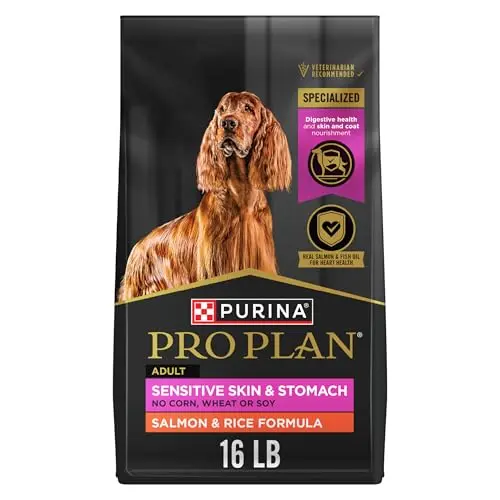
Sensitive Skin & Stomach Salmon & Rice Formula – Gentle on Allergies
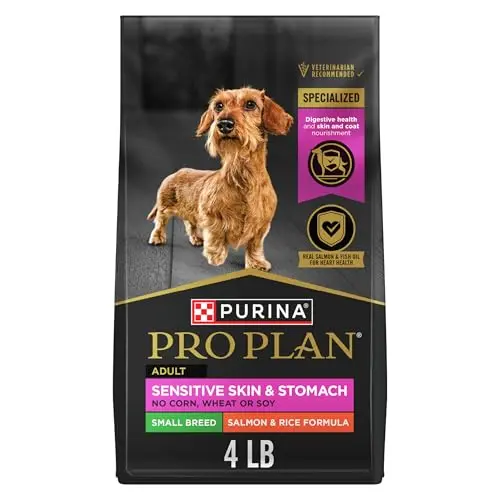
Sensitive Skin & Stomach Small Breed Salmon & Rice – Tailored for Tiny Tummies
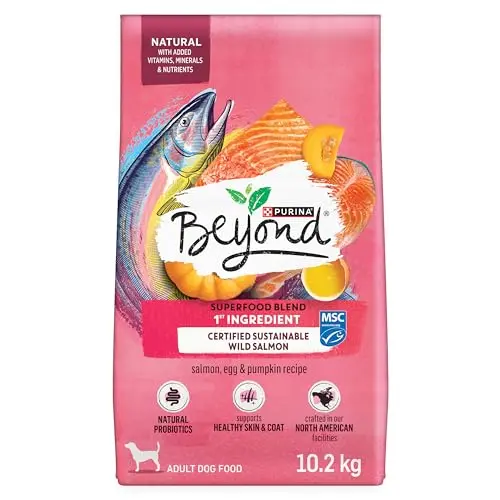
Superfood Blend Salmon, Egg & Pumpkin – Natural Limited Ingredients
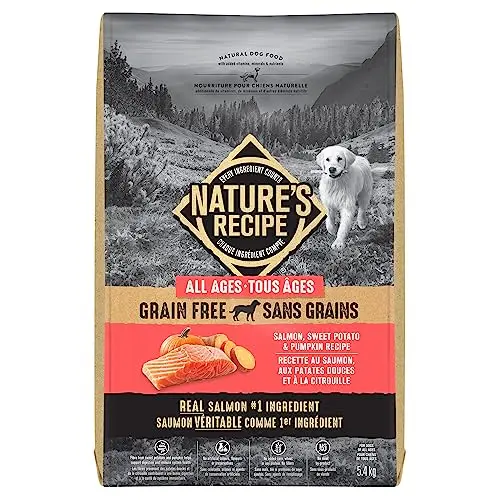
Grain Free Salmon, Sweet Potato & Pumpkin – Allergen-Friendly Feast
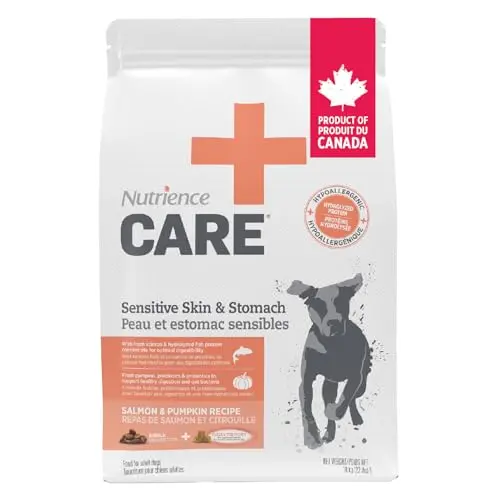
Care Sensitive Skin & Stomach Salmon – Canadian Wellness Formula
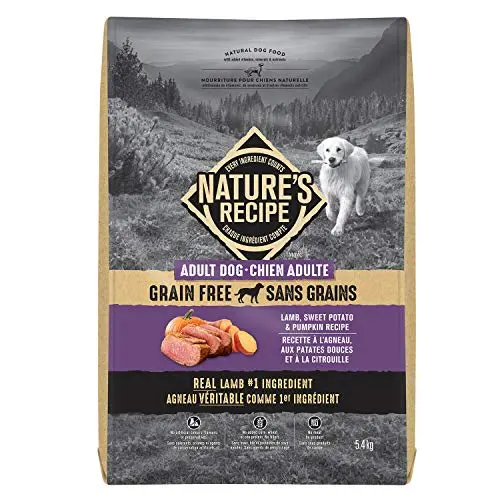
Grain Free Lamb, Sweet Potato & Pumpkin – Novel Protein for Sensitive Dogs
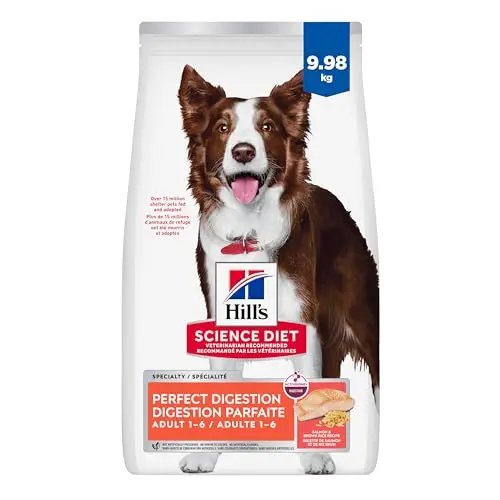
Perfect Digestion Salmon, Oats & Brown Rice – 7-Day Digestive Health Boost
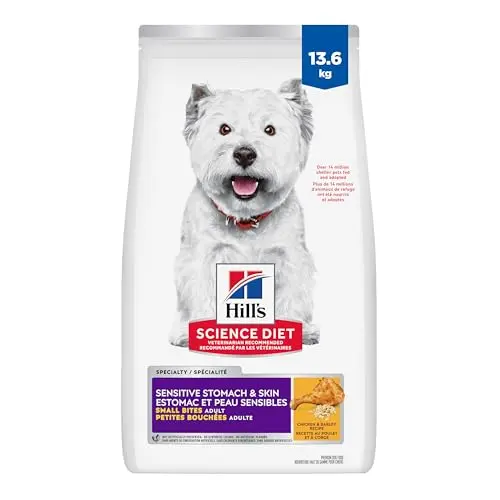
Sensitive Stomach & Skin Small Bites Chicken – Prebiotic-Rich Small Kibble
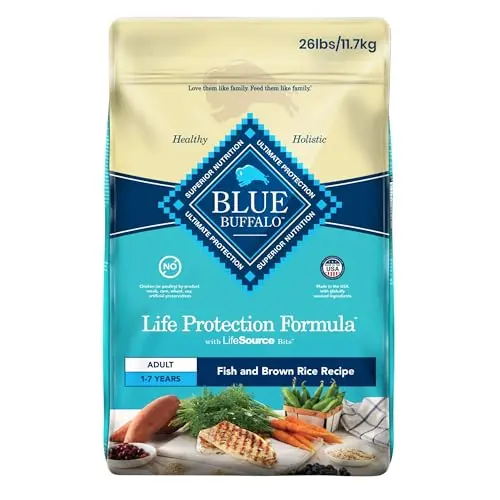
Life Protection Fish & Brown Rice – Omega-Rich for Skin & Coat
How We Evaluated These Dog Food for Pugs with Allergies
We didn’t run controlled allergy trials or long-term feeding studies. What we did: cross-referenced 9 dog food formulas from 6 distinct brands across 7 decision axes-ingredient quality, allergy-focused formulation, protein source, kibble size, digestive support, skin health support, and value. We triangulated published specifications, ingredient lists, and aggregated owner feedback where available against the specific needs of pugs with allergies. The scoring framework weighted real-world fit for allergic dogs (60%) – how effectively each formula addresses common pug allergy symptoms – against feature differentiation (40%) – unique formulations, ingredient quality, and targeted benefits. We have no commercial relationship with any of the brands featured; recommendations track fit and differentiation, not brand preference. For the majority of pugs, the Pro Plan Sensitive Skin & Stomach Salmon & Rice provided the most reliable relief; if kibble size is a concern, the Small Breed version is the smart alternative.
How to Choose the Right Dog Food for Pugs with Allergies
The Link Between Dog Food and Pug Allergies
Food allergies in pugs often show up as itchy skin, recurrent ear infections, or chronic loose stools. Unlike environmental allergies, the trigger comes from inside-typically a protein or carbohydrate source that the immune system flags as an invader. Common culprits include chicken, beef, dairy, wheat, and soy, but any ingredient can become an allergen over time. If your pug’s symptoms seem tied to mealtime, a vet-guided elimination diet is the gold standard for diagnosis. Once you’ve identified the trigger, pick a food that avoids that ingredient entirely while still providing complete nutrition.
Choosing the Best Protein for Your Allergic Pug
Novel proteins-ones your pug hasn’t eaten before-are often the first line of defence. Salmon, whitefish, lamb, and venison are less likely to provoke reactions than chicken or beef. Many of our top picks use salmon as the primary protein because it’s rich in omega-3 fatty acids, which have anti-inflammatory properties. If you’re switching proteins, give the new food at least 8-12 weeks to see improvement. And remember: treats and table scraps count too. For a complete grain-free option that leans on salmon, the Nature’s Recipe Grain Free Salmon is a solid starting point.
Grain-Free vs. Grain-Inclusive: What's the Difference for Dog Food?
Grain-free foods swap out wheat, corn, and rice for alternatives like sweet potatoes, peas, or lentils. For pugs with confirmed grain sensitivities, this can be a game-changer. However, true grain allergies are rarer than protein allergies, and recent veterinary guidelines caution that some grain-free diets may be linked to heart issues in certain breeds. Pugs aren’t in the highest risk group, but it’s wise to choose grain-free formulas that include taurine-boosting ingredients. Nutrience Care, for instance, uses fresh proteins and limits fillers, striking a balance between allergen avoidance and heart health.
Why Kibble Size Matters When Feeding Pugs
Pugs have short muzzles, crowded teeth, and a tendency to gulp air while eating. Large, hard kibble can be difficult to chew and contribute to bloating or choking. Smaller, softer bites are safer and easier to digest. Look for labels that mention ‘small breed,’ ‘small bites,’ or ‘mini kibble.’ Our Pro Plan Small Breed pick was specifically designed with this in mind, and even the standard-size Pro Plan works for many pugs. If your pug struggles, you can also soak kibble in warm water to soften it.
Hypoallergenic Diets: Are They Right for Pugs with Allergies?
Hypoallergenic dog foods use hydrolyzed proteins, where the protein molecules are broken down into tiny pieces the immune system can’t detect. These are often prescription diets, but some over-the-counter brands like Nutrience Care incorporate limited-ingredient, hypoallergenic principles without the steep vet cost. For pugs with severe, diagnosed food allergies, a veterinary hydrolyzed diet might be necessary. But for milder cases, a well-chosen limited-ingredient food can be just as effective. Always consult your vet before going the prescription route.
Pro Plan vs Nutrience: Which Formula Suits Your Pug's Allergies?
Both Pro Plan Sensitive Skin & Stomach and Nutrience Care target allergy-prone dogs, but they take different paths. Pro Plan relies on salmon, oatmeal, and prebiotic fibre for a straightforward, vet-recommended formula that’s easy to find and gentle on wallets. Nutrience adds gut-healing botanicals like chicory root and ginger, plus probiotics and coconut oil for extra skin support-ideal for pugs with flaky skin and digestive issues. If your pug’s allergies are severe or multi-faceted, Nutrience’s extra layers of support may be worth the higher price. For a reliable, cost-effective daily diet, Pro Plan is the crowd favourite.
How to Safely Transition Your Pug to a New Dog Food
Abrupt switches can trigger vomiting or diarrhoea, even in healthy pugs. Transition over 7-10 days by mixing increasing amounts of the new food with the old: 25% new on days 1-3, 50% on days 4-6, 75% on days 7-9, and 100% by day 10. Watch for signs of digestive upset and slow down if needed. During the transition, keep treats minimal to avoid introducing new variables. If you see improvement in allergy symptoms, stick with the new food for at least 12 weeks to give the immune system time to settle.
Frequently Asked Questions
What's the difference between Nature's Recipe Salmon and Nutrience for allergic pugs?
Nature’s Recipe Grain Free Salmon is a straightforward, budget-friendly formula that focuses on a single protein source and easily digestible carbs. It’s ideal for mild to moderate allergies and pugs that just need an entry-level grain-free diet. Nutrience Care, on the other hand, adds a robust gut health blend with probiotics, prebiotics, and anti-inflammatory ingredients like turmeric. It’s better suited for pugs with stubborn skin issues or those needing more comprehensive digestive support. If you’re on a tight budget, go with Nature’s Recipe; if you can invest a bit more for extra wellness support, Nutrience Care is the upgrade.
Is Pro Plan Sensitive Skin & Stomach better than Hill's Science Diet for pugs?
It depends on your pug’s symptoms. Pro Plan uses salmon as the first ingredient, avoiding common allergens like chicken, and includes prebiotic fibre that’s gentle on the stomach. Hill’s Science Diet offers two relevant formulas: Perfect Digestion (also salmon) and Sensitive Stomach & Skin Small Bites (chicken). If your pug has a known chicken allergy, Pro Plan is the safer choice. If kibble size is a priority and chicken isn’t an issue, Hill’s Small Bites format may be more appealing. Overall, Pro Plan provides broader allergy coverage at a better value.
How can I tell if my pug's allergies are food-related?
Food allergy symptoms in pugs usually include year-round itching, paw licking, ear infections, and digestive problems like diarrhoea or vomiting. Environmental allergies tend to be seasonal or worsen after walks, while food allergies persist regardless of the time of year. Your vet can help differentiate; a strict elimination diet using a novel protein and carbohydrate source for 8-12 weeks is the most reliable test. If symptoms disappear and then return when the old food is reintroduced, a food allergy is likely the culprit.
What are the most common food allergens for pugs?
The most frequent triggers are proteins: chicken, beef, dairy, and eggs are top offenders. Wheat, soy, and corn also cause problems, though less often. Artificial colours, flavours, and preservatives can aggravate sensitive systems, too. That’s why our lineup focuses on real, recognizable ingredients and avoids artificial additives. If your pug hasn’t been officially tested, starting with a salmon-based, limited-ingredient diet is a safe bet.
Final Verdict
For the vast majority of pugs with allergies, the Pro Plan Sensitive Skin & Stomach Salmon & Rice is the standout choice-it combines a research‑backed, novel‑protein recipe with proven results at a reasonable cost. If your pug needs smaller kibble, the Small Breed version is a seamless alternative. Budget‑conscious pug parents will appreciate the Nature’s Recipe Grain Free Salmon, which delivers reliable allergy relief without the premium price. And for the most stubborn cases, Nutrience Care brings a gut‑health‑first approach that can turn chronic symptoms around. Whichever you pick, remember that patience and consistency are your best tools-give your pug time to heal, and youʼll be rewarded with a happier, scratch‑free companion.