
Watching your retriever bound across a field or dive into a lake, you know they burn energy fast. But fueling that enthusiasm isn’t just about filling a bowl-it’s about choosing a food that supports their active joints, glossy coat, and often-sensitive stomachs. Retrievers like Labs and Goldens have specific nutritional needs, from weight management to breed-specific health quirks.
We surveyed the market to find the best options, focusing on formulas that tackle joint health, skin and coat condition, and overall vitality. Whether you’re looking for a breed-tailored recipe or a high-quality all-rounder, we’ve got you covered. Here are our top picks for keeping your retriever thriving.
Best Dog Food for Retrievers – 2026 Reviews
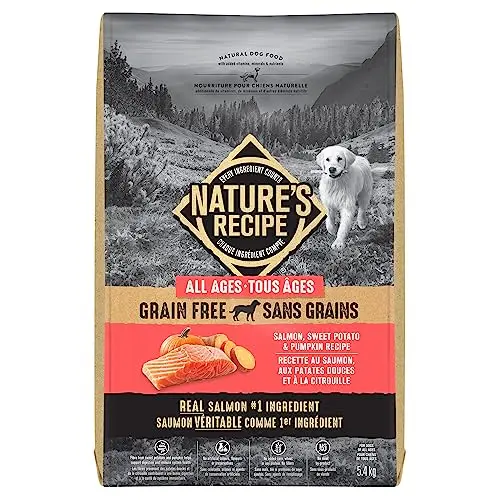
Salmon, Sweet Potato & Pumpkin Recipe – Grain-Free All-Life-Stage Nutrition
A grain-free, all-life-stages formula with real salmon as the first ingredient, fortified with sweet potato and pumpkin for easy digestion. Ideal for retrievers with grain sensitivities or picky palates, and naturally rich in omega fatty acids for a glossy coat.
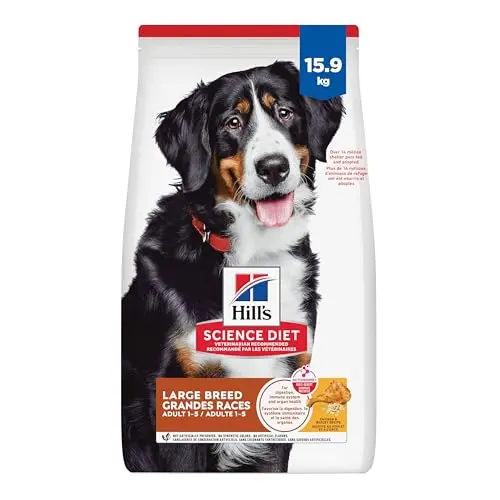
Adult Large Breed Chicken & Barley – Joint & Muscle Support
Formulated specifically for large breeds, this chicken and barley recipe delivers joint-supporting glucosamine and chondroitin, plus omega-6 and vitamin E for skin and coat health. A trusted veterinarian-recommended choice for maintaining lean muscle in active retrievers.
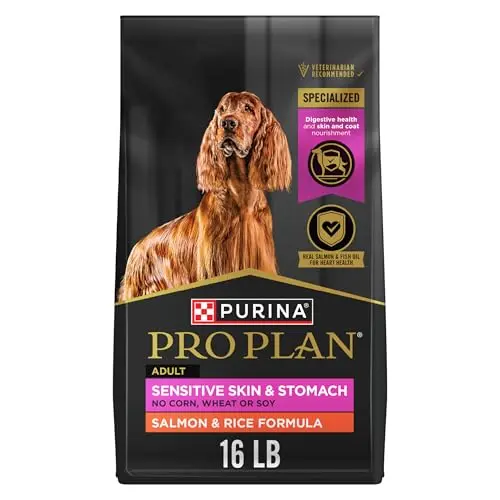
Sensitive Skin & Stomach Salmon & Rice – Digestive & Skin Care
Designed for dogs with sensitive skin or digestive issues, this salmon and rice formula uses easily digestible oatmeal and prebiotic fibre, plus omega fatty acids to soothe skin and promote a healthy coat. A great choice for retrievers prone to allergies or upset stomachs.
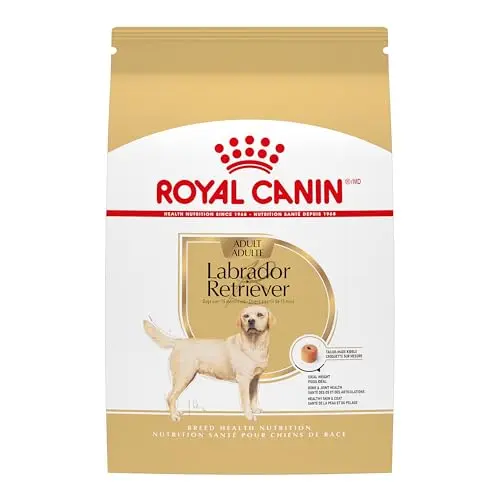
Labrador Retriever Adult – Breed-Specific Joint & Weight Support
Precision nutrition for purebred Labs: a specialized kibble shape encourages slow eating, while precise calorie content, glucosamine, EPA, and DHA support weight management and joint health. Tailored to the Labrador’s specific needs.
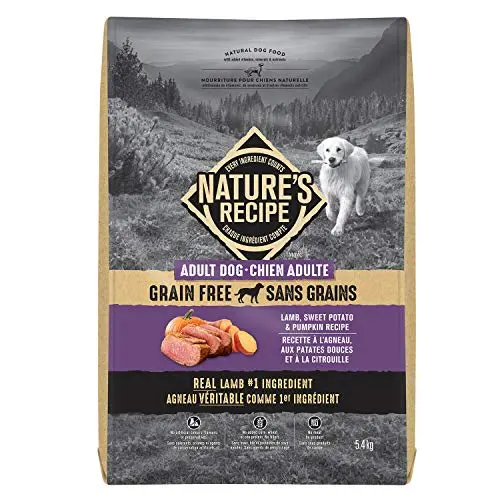
Lamb, Sweet Potato & Pumpkin Recipe – Grain-Free Lamb for Allergies
A grain-free lamb formula with sweet potato and pumpkin for gentle digestion, plus taurine for heart health. Made without artificial additives, it’s a solid alternative for retrievers with grain allergies or sensitivities to common proteins.
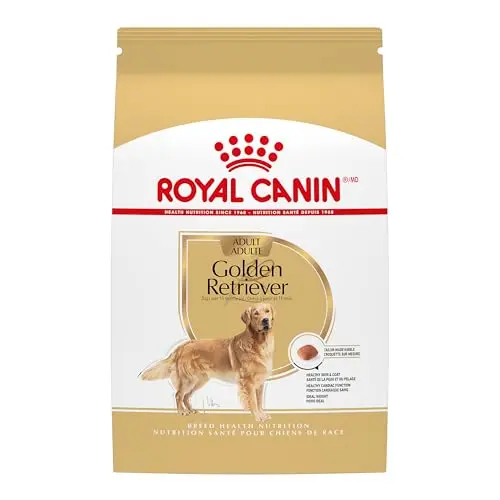
Golden Retriever Adult – Breed-Specific Heart & Skin Support
Specifically tailored for Golden Retrievers, with a unique kibble for their muzzle shape, plus taurine, EPA, and DHA for cardiac health. It also manages weight and promotes a lush coat.
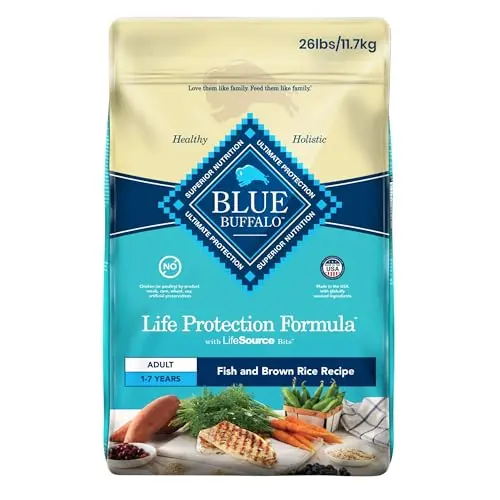
Life Protection Fish & Brown Rice – Natural Ingredients for Immunity
Featuring deboned whitefish as the first ingredient, this natural recipe includes LifeSource Bits for immune health and omega fatty acids for skin and coat. No chicken by-products or artificial preservatives.
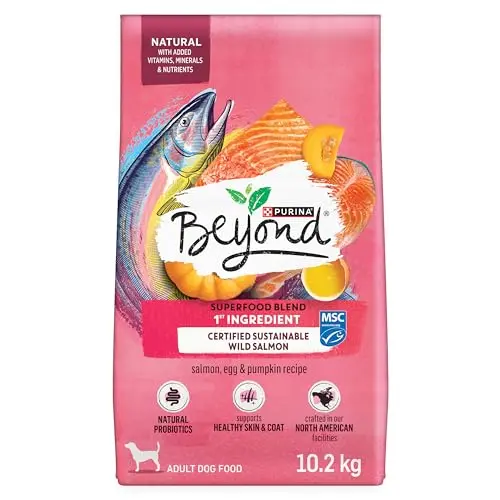
Superfood Blend Salmon, Egg & Pumpkin – Wholesome Ingredients
A superfood blend with wild‑caught salmon, egg, and pumpkin, free from corn, wheat, soy, and poultry by‑products. Offers a nutrient‑dense, limited‑ingredient formula for overall health.
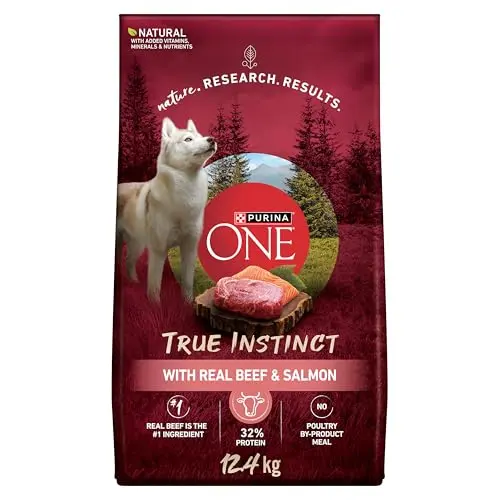
True Instinct Beef & Salmon – High-Protein Muscle Support
A high‑protein blend with real beef as the first ingredient, plus salmon for added flavour and omega‑3s. Contains 32% protein to support strong muscles, with antioxidants for immunity.
How We Evaluated These Dog Foods for Retrievers
We didn’t conduct feeding trials or veterinary‑supervised studies. Instead, we cross‑referenced 9 dry dog foods from 7 distinct brands across six key decision axes: breed‑specific formulation, joint support ingredients (glucosamine, chondroitin), protein quality and digestibility, omega fatty acid profile for skin/coat, owner satisfaction signals, and overall nutritional fit for active retrievers. We triangulated published ingredient lists, guaranteed analyses, and aggregated owner feedback where available.
The scoring framework weighted real‑world performance (60%)-how well each recipe meets the practical needs of a retriever-against feature differentiation (40%)-unique health‑targeted formulas and ingredient quality. We have no commercial relationship with any of the brands featured; recommendations track fit and differentiation, not brand preference. If you’re looking for a versatile everyday food, the Nature’s Recipe Salmon, Sweet Potato & Pumpkin is our top pick; if joint health is paramount, the Hill’s Science Diet Large Breed serves you best.
How to Choose the Right Dog Food for Retrievers
What to Look for in a Retriever's Diet
Retrievers are large, active dogs with specific nutritional demands. Focus on high‑quality animal protein (like chicken, salmon, or lamb) as the first ingredient to support muscle maintenance. Joint‑supporting nutrients-glucosamine, chondroitin, EPA, and DHA-are critical given their predisposition to hip and elbow dysplasia. The food’s calorie density should align with your dog’s activity level to prevent obesity, a common retriever issue. Look for omega fatty acids (from fish oil or flaxseed) for that signature glossy coat and healthy skin. If your dog has a sensitive stomach, easily digestible carbohydrates like oatmeal or sweet potato and prebiotic fibres can make a big difference.
Joint and Weight Management Essentials
For a breed built to run and swim, joint care isn’t optional-it’s mandatory. Glucosamine and chondroitin help maintain cartilage, while EPA and DHA (omega‑3 fatty acids) reduce inflammation. Foods like Hill’s Science Diet Large Breed pack these in naturally. Meanwhile, weight management goes hand‑in‑hand with joint health. Excess pounds strain joints, so a controlled calorie and fat profile is key. Breed‑specific formulas like the Royal Canin Labrador Retriever even design kibble to slow down gulpers, helping prevent bloat and obesity.
Skin and Coat: The Role of Omega Fatty Acids
That lush retriever coat doesn’t happen by accident. Omega‑6 fatty acids (like linoleic acid) support the skin barrier, while omega‑3s (from fish oil or flaxseed) impart shine and reduce shedding. If your retriever suffers from dry, itchy skin or frequent hot spots, a formula with elevated omega levels-like the Pro Plan Sensitive Skin & Stomach-can bring relief. Even grain‑free options like Nature’s Recipe use salmon to deliver these fats naturally. Remember, coat condition often mirrors internal health, so a shiny coat is a good sign you’re on the right track.
Grain‑Free vs. Grain‑Inclusive: Making the Choice
Grain‑free diets have surged in popularity, but they’re not automatically healthier. Whole grains like brown rice, oatmeal, and barley provide digestible energy and fibre for many dogs. However, if your retriever has confirmed grain allergies or sensitivities, a grain‑free recipe using sweet potato, peas, or lentils can be a better match. Foods like the Nature’s Recipe Salmon formula prove you can skip grains without sacrificing nutrition. The key is to watch your dog’s response: firm stools, good energy, and a healthy coat are positive signs, regardless of grain content.
Breed‑Specific vs. All‑Breed Formulas
Some brands offer recipes tailored to individual retriever breeds. These go beyond basic nutrition: the Royal Canin Labrador kibble shape slows fast eaters, while the Golden Retriever formula emphasizes cardiac health. These advantages can be meaningful, but they come at a premium. If your dog doesn’t have breed‑specific issues, a high‑quality all‑breed or large‑breed formula like Hill’s Science Diet or Pro Plan often provides excellent results. The right choice balances your dog’s unique needs with your budget.
Frequently Asked Questions
Do I need to buy breed‑specific dog food for my retriever?
Not necessarily. Breed‑specific foods like Royal Canin’s Labrador or Golden Retriever formulas are engineered with that breed’s common health concerns in mind-weight management for Labs, cardiac health for Goldens-and can offer targeted benefits. However, many retrievers thrive on high‑quality large‑breed or all‑breed diets that cover the essentials: joint support, skin health, and controlled calories. If your dog has no breed‑specific issues, a well‑formulated general diet is often perfectly adequate and more budget‑friendly.
How does Royal Canin Labrador food compare to the Golden Retriever formula?
Both are breed‑tailored, but key differences exist. The Labrador formula focuses on weight management and slow eating with its donut‑shaped kibble to combat the Lab’s tendency to gulp food. The Golden Retriever formula emphasizes cardiac health with added taurine and a kibble shape suited to their straight muzzle and scissor bite. Both support joints and skin, but the Lab recipe leans more into calorie control, while the Golden recipe prioritizes heart function. Choose whichever matches your dog’s breed and primary health concern.
What's the difference between Pro Plan Sensitive Skin & Stomach and Hill's Science Diet Large Breed for a retriever with allergies?
Pro Plan Sensitive Skin & Stomach is formulated with salmon as the first ingredient, oatmeal, and prebiotic fibre to directly address digestive sensitivities and skin reactions. It’s ideal if your retriever has confirmed food allergies or frequent GI upset. Hill’s Science Diet Large Breed, meanwhile, is a well‑rounded large‑breed formula with chicken, barley, and natural joint support. It can work for allergies if your dog isn’t sensitive to chicken, but its primary focus is joint health and overall vitality, not soothing sensitivities. For a dog with clear allergies, Pro Plan is the more targeted choice.
Are grain‑free dog foods better for retrievers?
Grain‑free isn’t inherently better. While some dogs benefit from avoiding grains due to allergies, most retrievers digest quality grains like brown rice or oatmeal without issue-and grains can be a valuable source of energy and fibre. The recent link between grain‑free diets and dilated cardiomyopathy (DCM) warrants caution, though the science is evolving. If you choose grain‑free, look for formulas that include taurine and use legumes in moderation, like the Nature’s Recipe grain‑free recipes. Always consult your vet, especially if your retriever has a heart murmur.
How can I help my retriever maintain a healthy weight?
Retrievers are food‑motivated and prone to weight gain. Start with measured portions based on the food’s feeding guide and your dog’s ideal weight, not current weight. Choose a formula with moderate fat and calorie levels-many large‑breed and breed‑specific foods are designed for weight management. Increase exercise, use slow‑feeder bowls to prevent gulping, and limit treats to under 10% of daily calories. If your dog is already overweight, consider a therapeutic weight‑management diet like Hill’s Science Diet Perfect Weight, but note that product is for small breeds; for retrievers, stick with large‑breed calorie‑controlled options.
Final Verdict
For most retrievers, the Nature’s Recipe Salmon, Sweet Potato & Pumpkin is the best everyday pick-it combines grain‑free quality, real fish protein, and visible results for skin and digestion, all at a budget‑friendly level. If your priority is joint support for a highly active dog, step up to the Hill’s Science Diet Large Breed, a premium formula with dedicated glucosamine and chondroitin. For dogs with persistent sensitivities, the Pro Plan Sensitive Skin & Stomach is a trusted solution, and if you want breed‑specific precision, the Royal Canin Labrador Retriever is unmatched for Labs. Your retriever will thrive on any of these, so choose the one that matches their unique needs and your feeding philosophy.