
Sheepadoodles bring a whirlwind of energy, smarts, and fluff into your life – but that lovable mix of Old English Sheepdog and Poodle often comes with a sensitive stomach and joints that need support from day one. Finding the right food isn’t just about filling the bowl; it’s about choosing a recipe that works with their unique biology, not against it.
You’ll quickly learn that an upset tummy can derail everything, from house training to that glossy coat you’re after. Then there’s the size factor – these dogs grow large and stay active, so joint-friendly ingredients aren’t a bonus; they’re a baseline. This guide cuts through the noise, comparing nutrient-dense formulas across top brands, all evaluated through the lens of what a Sheepadoodle actually needs.
Best Dog Food for Sheepadoodles – 2026 Reviews
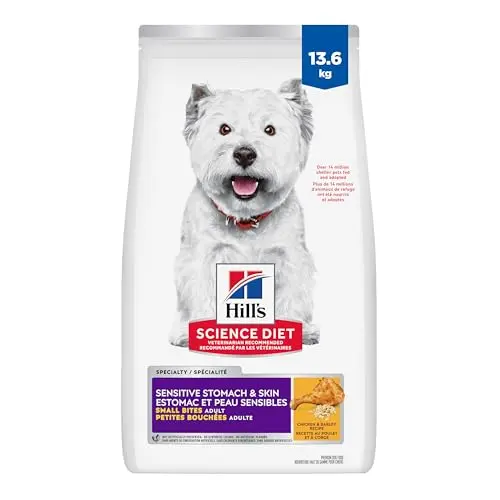
Sensitive Stomach & Skin – Gentle Digestion & Coat Care
Purpose-built for dogs with delicate digestive systems, this chicken-based kibble combines prebiotic fibre with omega fatty acids to calm GI issues while nourishing the skin. The small bite size works surprisingly well even for larger mouths, and the formula is highly digestible – a standout for Sheepadoodles prone to tummy troubles.
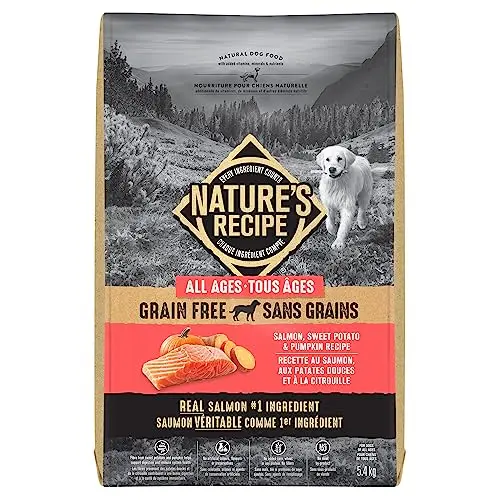
Salmon Recipe – Grain-Free All-Life-Stages
This grain-free recipe leads with real salmon and skips the fillers, offering a clean, nutrient-dense option for Sheepadoodles at any life stage. The addition of sweet potato and pumpkin supports digestion without the common grain triggers, and the price point makes it a practical everyday choice.
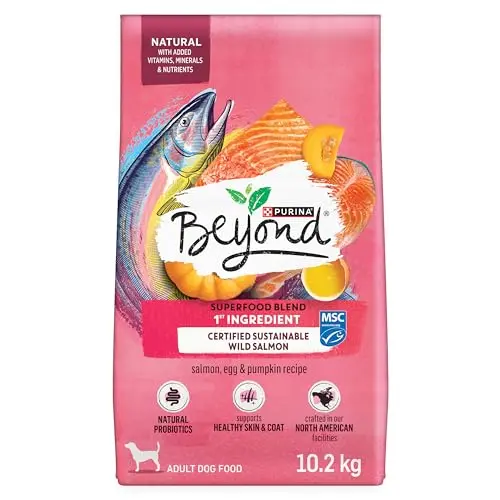
Superfood Blend Salmon – Natural Nutrient-Dense Kibble
Wild-caught salmon anchors this superfood blend, which leans into pumpkin and oatmeal for gentle digestion. Free of corn, wheat, and soy, it’s a straightforward, nutrient-dense formula that comes in a generous 10.2 kg bag – making it a value standout for larger households.
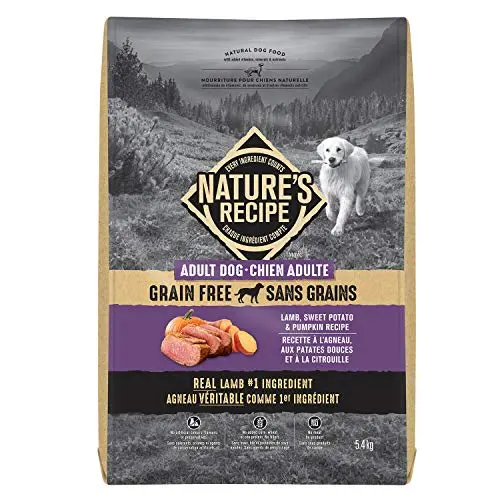
Lamb Recipe – Joint & Digestive Support
This lamb-based grain-free recipe puts joint support front and centre with natural sources of glucosamine and chondroitin. Combined with digestive-friendly sweet potato and pumpkin, it’s a targeted formula for Sheepadoodles needing extra structural support through their active years.
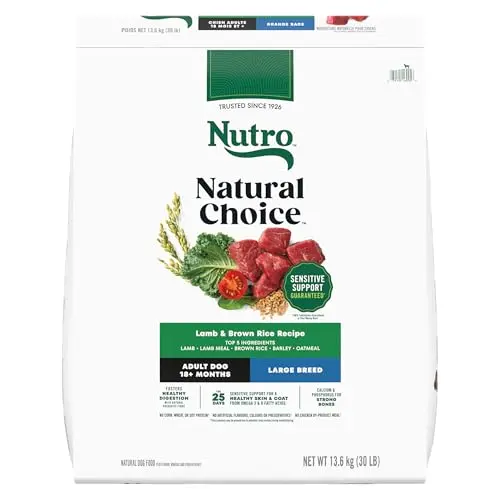
Lamb & Rice – Large Breed Joint Care
Real Australian and New Zealand lamb leads this large-breed formula, which is purpose-built with glucosamine and chondroitin for joint health. The fibre blend from brown rice and oatmeal aids nutrient absorption, making it a solid daily driver for growing or active Sheepadoodles.
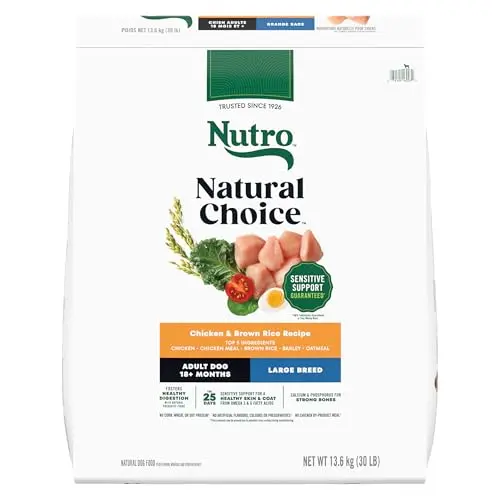
Chicken & Rice – Large Breed Skin & Coat
Farm-raised chicken anchors this large-breed recipe, which skips by-product meals in favour of whole grains like brown rice and sweet potato. The fatty acid profile is tuned for skin and coat health – a boon for Sheepadoodles with fluff that needs extra TLC.
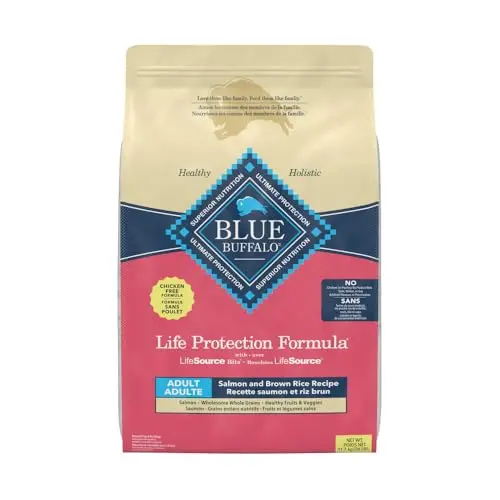
Salmon Recipe – Chicken-Free Formula
This salmon-based recipe is completely chicken-free, catering to Sheepadoodles with poultry allergies. Antioxidant-rich LifeSource Bits and omega fatty acids round out the nutrition, making it a solid option for adult dogs needing a novel protein source.
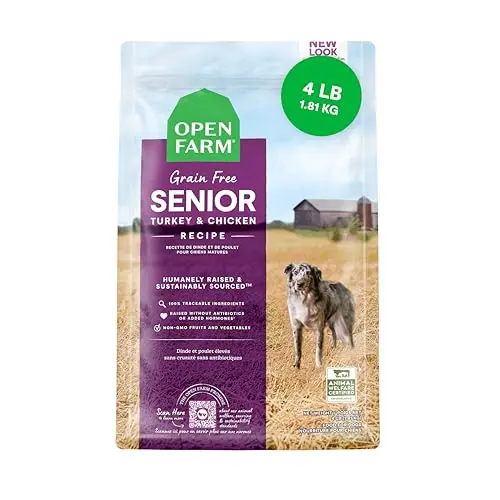
Senior Recipe – Joint & Mobility Support
This grain-free senior formula leans on humanely-raised chicken and turkey, plus green-lipped mussel for omega-3s and joint support. Ethically sourced, traceable ingredients make it a compelling pick for aging Sheepadoodles that need a little extra mobility help.
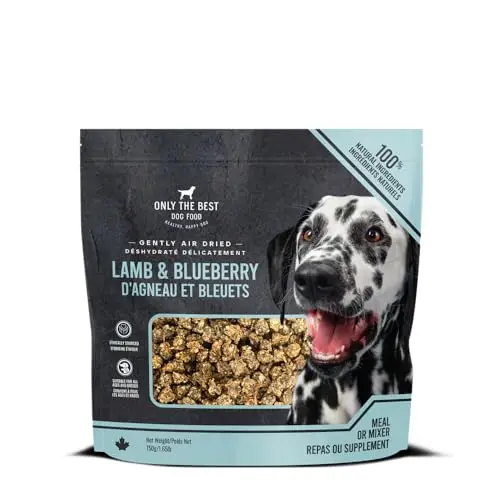
Air-Dried Lamb – Premium Natural Nutrition
This air-dried lamb formula takes a minimalist approach: single animal protein, no fillers, and a low-temperature process that retains nutrients. It’s a premium, convenient option for Sheepadoodles that need a break from highly processed kibble – but it comes in a small 750 g bag.
How We Evaluated These Dog Foods for Sheepadoodles
We didn’t run controlled feeding trials or lab nutritional analyses. What we did: cross-referenced 9 dog food formulas from 7 distinct brands across 6 decision axes – ingredient quality, protein source suitability, digestive support, joint health formulation, life stage appropriateness, and brand transparency. We triangulated published ingredient lists, nutritional adequacy statements, and aggregated owner feedback where available, then pressure-tested each product against the specific needs of a Sheepadoodle: a large, active breed with a well-known predisposition toward sensitive stomachs and joint concerns.
The scoring framework weighted real-world fit (60%) – how well a formula addresses the breed’s digestive, joint, and coat needs – against feature differentiation (40%) – unique technical advantages like novel proteins, targeted supplements, and kibble design. We have no commercial relationship with any of the brands featured; recommendations track fit and differentiation, not brand preference. If your Sheepadoodle struggles with chronic digestive upset, the Hill’s Science Diet Sensitive Stomach & Skin is your match; if you’re after a well-rounded grain-free option that’s easier on the wallet, Nature’s Recipe Salmon serves you better.
How to Choose the Right Dog Food for Sheepadoodles
Key Nutritional Needs of Sheepadoodles
Sheepadoodles are a large hybrid with a high energy ceiling, so their food needs to pull serious weight. Look for a quality animal protein as the first ingredient – chicken, salmon, or lamb are common – to support lean muscle mass. Because the breed is prone to joint issues (hip and elbow dysplasia are real concerns), foods with natural sources of glucosamine and chondroitin are more than a perk; they’re a priority from puppyhood onward. A balanced omega fatty acid profile (3 and 6) will help keep that magnificent coat tangle-free and the skin underneath calm, especially during seasonal shedding.
Managing Sensitive Stomachs in Your Sheepadoodle
If your Sheepadoodle has a delicate digestive system – and many do – you’ll recognize the signs: inconsistent stool, gas, a reluctance to eat. Formulas labelled highly digestible or designed for sensitive stomachs often use ingredients like prebiotic fibre (beet pulp, pumpkin) and avoid common triggers like corn, wheat, and soy. Single-source animal proteins can reduce the allergen load; the Hill’s Science Diet Sensitive Stomach is a go-to here, as it pairs prebiotics with a gentle chicken base. Transitioning slowly over 7-10 days is non-negotiable – even the best food can cause upset if rushed.
Grain-Free vs. Grain-Inclusive: What's Right for Your Dog?
The grain-free debate is alive and well. For some Sheepadoodles, grains like brown rice or oatmeal provide steady energy and fibre without issue; for others, they trigger itching or GI upset. Grain-free recipes often substitute sweet potato, pumpkin, or peas, which can be easier on the stomach. The Nature’s Recipe Salmon is a popular grain-free pick among owners. Remember, though: grain-free doesn’t automatically mean healthier – the overall ingredient quality matters more. If your dog does well on a food that includes whole grains and has no allergies, there’s no reason to switch.
Joint Health: Start Early, Stay Consistent
Large breeds dismantle their joints over time without support. The best dog foods for Sheepadoodles incorporate natural sources of glucosamine and chondroitin – often from chicken meal or green-lipped mussel. The Nature’s Recipe Lamb is specifically formulated with this in mind, making it a sensible pick for active adults. Even senior formulas, like the Open Farm Senior, lean heavily on omega-3s from green-lipped mussel to ease mobility. Don’t wait for stiffness to appear – proactive joint care through nutrition is one of the best longevity moves you can make.
Kibble Size and Shape: More Than Mouthfeel
The size of the kibble can affect how your dog eats, digests, and even how well their teeth get cleaned. Large breed kibble, like what Nutro offers, encourages chewing, which slows down fast eaters and reduces bloat risk – a real concern in deep-chested dogs. However, small bite kibble isn’t just for small dogs; some large dogs with sensitive mouths or missing teeth do better with a smaller piece. The Hill’s Sensitive Stomach uses a small bite size, and many Sheepadoodle owners report their dogs eat it comfortably and digest it without gulping. Observe your dog’s eating style and adjust accordingly.
Life Stage Considerations: Puppy to Senior
Your Sheepadoodle’s nutritional needs shift dramatically. Puppies need higher protein and calorie density for growth, plus DHA for brain development – a formula like the Hill’s Science Diet Puppy Small Bites (while small-breed focused) shows the markers to look for, though you’d want a large-breed version. Adults thrive on maintenance formulas with joint support, like the Nutro Large Breed lines. Seniors benefit from reduced calories, elevated joint nutrients, and easily digestible proteins – the Open Farm Senior or even an air-dried topper can help an older dog eat well without taxing their system. Stick to one life stage unless your vet advises a switch.
Reading the Ingredient List Like a Pro
The first five ingredients tell the story. A named animal protein (“chicken” not “poultry meal”) should hold the top spot. Whole carbohydrate sources like brown rice, oatmeal, or sweet potato are next – they provide energy without the empty calories of corn. Added fats (chicken fat, flaxseed) supply omega fatty acids, while fibre sources like beet pulp or pumpkin keep stool firm. Steer clear of vague terms like “meat meal,” artificial colours, and long chemical preservatives. If you can’t picture the ingredient in its raw form, it probably shouldn’t be in the bowl.
Frequently Asked Questions
What should I look for in a dog food for a Sheepadoodle?
Focus on a high-quality animal protein as the first ingredient, along with natural joint support (glucosamine, chondroitin) and a formulation that’s gentle on digestion. Ingredients like prebiotic fibre and omega fatty acids are bonuses for skin and coat. Avoid common fillers like corn, wheat, and soy, especially if your dog has shown sensitivities. The Hill’s Science Diet Sensitive Stomach checks all these boxes and is a solid starting point for many owners.
What's the difference between Hill's Science Diet Sensitive Stomach and Nature's Recipe Salmon?
The biggest difference is the protein source and dietary philosophy. Hill’s Sensitive Stomach uses a chicken base and includes prebiotic fibre specifically to calm digestive issues – it’s a targeted, veterinary-influenced formula. Nature’s Recipe Salmon is grain-free with salmon as the first ingredient, appealing to dogs that might be reacting to chicken or grains. The Hill’s small bite kibble also differs from Nature’s Recipe’s standard size. Both are highly rated, but if your Sheepadoodle has a diagnosed sensitive stomach, Hill’s is the more focused option; if you’re wanting a grain-free daily food without chicken, the Nature’s Recipe is hard to beat.
Nutro Lamb vs. Nutro Chicken – which is better for a Sheepadoodle?
Both are large-breed formulas with joint support, so the choice often comes down to protein sensitivity. Lamb is a novel protein for some dogs and can be easier on stomachs than chicken, which is a more common allergen. The Nutro Lamb & Rice uses Australian/NZ lamb and has a fibre blend for absorption; the Chicken & Rice features farm-raised chicken and emphasizes skin and coat support. If your Sheepadoodle has a known poultry allergy, go lamb. If chicken sits well, the chicken formula offers excellent coat benefits and is equally well-rounded.
Is grain-free dog food necessary for Sheepadoodles?
Not universally, but it can help dogs with grain sensitivities or chronic digestive issues. Many Sheepadoodles do perfectly well on grain-inclusive diets that use whole grains like brown rice and oatmeal – these provide fibre and energy without trouble. However, if your dog shows signs of intolerance (itchy skin, loose stool), a grain-free option like Nature’s Recipe or Beyond can be a worthwhile switch. Always discuss significant dietary changes with your vet, as grain-free diets have been linked to certain health concerns in some dogs.
Can I feed my Sheepadoodle an air-dried or fresh food instead of kibble?
Absolutely, and options like the Only The Best Air-Dried Lamb show the trend toward less-processed alternatives. Air-dried foods retain more nutrients and moisture, often making them tastier and easier to digest. However, they’re significantly more expensive per serving – making them impractical as a sole food for a 60+ pound dog. Many owners use them as a topper or mixer to enhance kibble without ballooning the budget. If you go fully air-dried or fresh, ensure the recipe is complete and balanced for all life stages, and budget accordingly.
How do I transition my Sheepadoodle to a new food?
Slow and steady wins this race. Over 7-10 days, gradually mix the new food with the old, starting at 25% new and working up to 100%. Day 1-3: 75% old, 25% new. Day 4-6: 50/50. Day 7-9: 25% old, 75% new. Day 10: 100% new. Watch for loose stool, lethargy, or skin flare-ups – if any appear, slow down the transition or consult your vet. Adding a probiotic supplement during the switch can help maintain digestive stability, especially when moving to a rich formula like the Hill’s Sensitive Stomach.
Final Verdict
For the vast majority of Sheepadoodles, the Hill’s Science Diet Sensitive Stomach & Skin is the undisputed champion – it calms digestive chaos, nourishes the coat, and the small kibble is silently brilliant. If you’re budget-watching, the Nature’s Recipe Salmon delivers grain-free quality at a price that lets you breathe. When joint health is the headline, the Nature’s Recipe Lamb steps up with its targeted glucosamine boost. And for senior dogs, the Open Farm Senior honours those aging joints with ethically sourced ingredients. Your Sheepadoodle’s bowl should reflect their unique needs – start with the best overall match, then tweak from there.