
If you’ve got a tiny pup with a tricky tummy, you know the struggle: loose stools, gurgling guts, and that pleading look after mealtime mishaps. Small dogs have faster metabolisms and compact digestive tracts, so a sensitive stomach can hit them harder – and kibble size, protein choice, and hidden fillers all play a role. Finding a food that calms the chaos without sacrificing nutrition isn’t just nice, it’s essential for your little companion’s comfort and long‑term health.
That’s why we’ve zeroed in on formulas that pair gentle, highly digestible ingredients with the right tiny‑mouth texture. Across brands like Hill’s Science Diet, Pro Plan, Blue Buffalo, and Nulo, a handful of recipes stand out for actually making a difference – fewer digestive flare‑ups, softer coats, and mealtime enthusiasm. This guide won’t push one brand; it maps the real decision axes so you can match a food to your small dog’s specific sensitivities and your everyday routine.
Whether your dog needs targeted prebiotic support, a novel protein, or just a smaller crunch, the picks below are sorted by real‑world digestive performance and formula differentiation. Let’s meet the best of the bunch for small dogs with sensitive stomachs.
Best Dog Food for Small Dogs with Sensitive Stomachs – 2026 Reviews
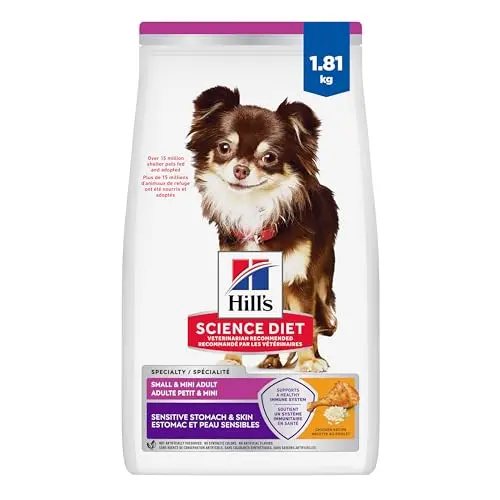
Sensitive Stomach & Skin Small & Mini – Digestive & Skin Support
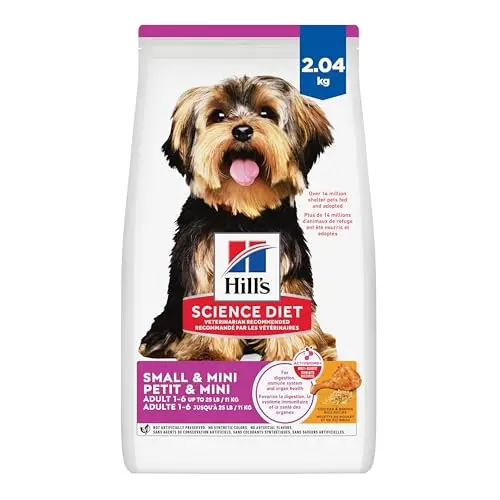
Small & Mini Chicken Meal & Rice – Balanced Daily Nutrition
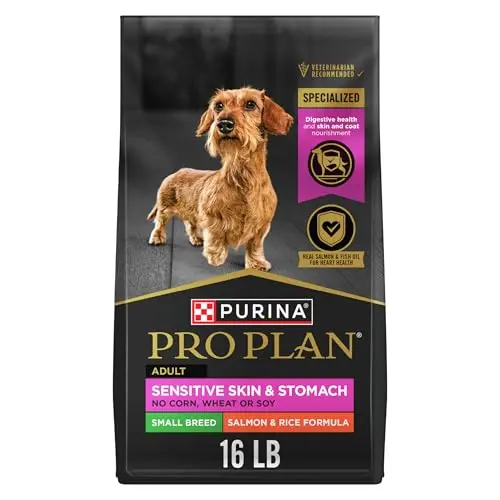
Small Breed Sensitive Skin & Stomach – Salmon & Rice Formula
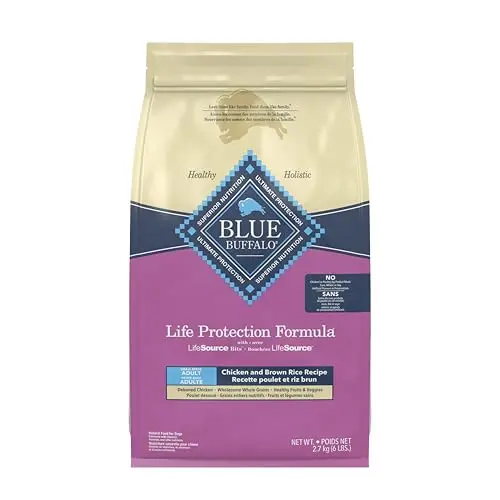
Life Protection Small Breed – Antioxidant-Rich Formula
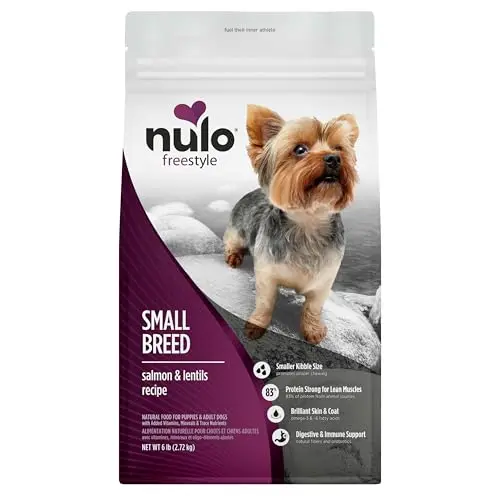
Freestyle Small Breed – Grain-Free High Protein
How We Evaluated These Dog Foods for Small Dogs with Sensitive Stomachs
We didn’t conduct long‑term feeding trials or veterinary‑supervised allergy testing. What we did: cross‑referenced 5 dog food formulas from 4 distinct brands across 5 decision axes – protein source, digestive support ingredients, kibble size, skin & coat benefits, and owner satisfaction trends. We triangulated published specifications, ingredient lists, and aggregated owner feedback where available to gauge how each formula performs for small dogs with sensitive stomachs.
Our scoring framework weighted real‑world digestive performance (60%) – how effectively each food addresses common issues like loose stools and gas – against formula differentiation (40%) – unique ingredients, breed‑size specificity, and added health benefits. We have no commercial relationship with any of the brands featured; recommendations track fit and differentiation, not brand preference. For the most targeted sensitive stomach solution, the Hill’s Science Diet Sensitive Stomach & Skin Small & Mini is your match; for a fish‑based alternative, the Pro Plan Small Breed Sensitive Skin & Stomach delivers excellent results.
How to Choose the Right Dog Food for Small Dogs with Sensitive Stomachs
Why Small Dogs Need Specialized Dog Food for Sensitive Stomachs
Small breeds have faster metabolisms and proportionally smaller digestive tracts, which means they process food quickly – and any irritant hits fast. Signs like loose stools, vomiting, gurgling, or excessive licking often signal that a food isn’t agreeing. A sensitive‑stomach formula must be both highly digestible and gentle on the gut, avoiding harsh fillers while delivering nutrients in a compact, easy‑to‑chew format. Kibble size itself can be a dealbreaker: a large nugget forces a small mouth to swallow almost whole, leading to indigestion. That’s why the right food tackles sensitivity with ingredient discipline and the right physical form.
Key Ingredients That Make a Dog Food Gentle on Digestion
Look for prebiotic fibres like beet pulp or pumpkin – they feed beneficial gut bacteria and regulate stool. Probiotics add live cultures that directly support the microbiome, though they’re less common in dry kibble. Omega‑3 and ‑6 fatty acids from fish oil or sunflower oil reduce inflammation in the gut lining and skin, addressing the common itch‑and‑tummy duo. Avoid artificial colours, flavours, and bulky fillers like corn and soy, which are frequent triggers. Ingredients are listed by weight, so a named protein (chicken meal, salmon) at the top is a stronger foundation than ambiguous ‘meat meal.”
Kibble Size: Why Tiny Bites Matter for Small Breed Dogs
A kibble that’s too large forces a small dog to gulp or crack it unevenly, sending sharp pieces into a sensitive stomach. The ideal kibble diameter for toy and small breeds is under 1 cm – small enough to be chewed properly. Proper chewing mixes food with saliva, starting the digestive process before it ever hits the stomach. Many dedicated small‑breed formulas (Hill’s Small & Mini, Pro Plan Small Breed, Nulo Small Breed) specifically engineer a smaller, flatter pellet. If you’re considering an all‑breed sensitive formula, check the bag for a ‘small breed” or ‘mini” label, or be prepared to crush larger pieces for your dog’s safety.
Comparing Top Sensitive Stomach Dog Foods: Hill's vs Pro Plan
The Hill’s Science Diet Sensitive Stomach & Skin Small & Mini leans on a prebiotic and antioxidant blend (ActivBiome+) with chicken as its primary protein. It’s formulated with clinical backing and a tiny kibble that disappears into small mouths. Owners often see faster relief from chronic loose stools. The Pro Plan Small Breed Sensitive Skin & Stomach uses salmon as the first ingredient, making it ideal for chicken‑allergic dogs, and adds omega‑rich sunflower oil for coat health. Choose Hill’s if your dog needs a broad gastrointestinal reset; choose Pro Plan if the main concern is a chicken allergy or itchy skin alongside stomach issues.
Protein Choices: Chicken, Salmon, or Novel Proteins?
Chicken is the most common pet‑food protein – and one of the top allergens. If your small dog has a confirmed poultry sensitivity, a fish‑based recipe (salmon, whitefish) or a novel protein (venison, duck, lamb) can bypass the trigger entirely. Salmon also brings anti‑inflammatory omega‑3s, a double win for itchy skin. However, novel proteins often come at a premium and may not be necessary if chicken isn’t the culprit. Start with a sensitive‑formula chicken food (like Hill’s) and, if symptoms persist, transition to a fish recipe; that sequence often pinpoints whether the issue is protein‑specific or a broader digestive sensitivity.
Common Dog Food Allergens to Avoid
Beyond protein allergies, corn, wheat, and soy are leading fillers that can ferment in a sensitive gut, producing gas and loose stool. Artificial dyes and preservatives (BHA, BHT, ethoxyquin) are suspected irritants with no nutritional value. Many quality foods now tout ‘no corn, wheat, or soy” right on the bag – that’s a quick screening tool. Also watch for generic ‘animal fat” or ‘meat by‑product” – ambiguous sourcing makes it impossible to know if a dog will react. Stick with named, specific ingredients so you can track what works.
Grain‑Free Dog Food: Is It Right for Your Small Dog?
Grain‑free diets exploded in popularity, but for most dogs with sensitive stomachs, whole grains like oatmeal and brown rice are actually gentle, digestible carbohydrates that steady the gut. A grain‑free formula (such as Nulo Freestyle Small Breed) becomes a consideration only if a grain allergy is confirmed or strongly suspected. If you do go grain‑free, watch for high legume or potato content, which can challenge some digestive systems. For the typical small dog with occasional tummy trouble, a premium grain‑inclusive sensitive formula often strikes the best balance.
Frequently Asked Questions
What's the difference between Hill's Science Diet Sensitive Stomach & Skin Small & Mini and Purina Pro Plan Small Breed Sensitive Skin & Stomach?
Both are top‑tier dry foods for small dogs with gut and skin issues, but they take distinct approaches. The Hill’s formula uses chicken meal and brown rice with its patented ActivBiome+ blend of prebiotics and antioxidants; it’s designed to calm inflammation broadly and is often vet‑recommended for chronic loose stools. The Pro Plan option puts salmon first, making it a better fit if chicken sensitivity is suspected, and relies on sunflower oil for omega‑6s to relieve itching. Kibble size on both is tiny, but Hill’s edges slightly smaller. Pick Hill’s for a broad digestive reset; choose Pro Plan if a fish‑based protein or extra coat support is the priority.
Is Blue Buffalo Small Breed a good option for dogs with sensitive stomachs?
Blue Buffalo Life Protection Small Breed isn’t marketed as a sensitive‑stomach food, but it includes prebiotic fiber, gentle brown rice and oatmeal, and is free from corn, wheat, and soy. For mild, occasional tummy upsets, it can work well, especially with its immune‑boosting LifeSource Bits. However, it’s chicken‑based, so dogs with a known chicken allergy may react. For chronic or severe issues, a targeted sensitive formula like Hill’s or Pro Plan is more likely to provide reliable relief. Think of Blue Buffalo as a solid everyday maintenance food that happens to be gentle, rather than a therapeutic diet.
Should I switch to a grain‑free dog food for my small dog's sensitive stomach?
Not automatically. Most digestive disturbances in small dogs stem from protein allergens or artificial additives, not from whole grains. In fact, oatmeal and brown rice are often soothing, soluble fibres that help firm up stool. A grain‑free switch (like to Nulo Freestyle Small Breed) makes sense only if a vet suspects a specific grain allergy or if you’ve ruled out other triggers and symptoms persist. Keep in mind grain‑free diets often use legumes and potatoes as carbohydrate sources, which can cause gas or loose stools in some sensitive dogs. Unless you have a clear indication, start with a high‑quality grain‑inclusive sensitive formula.
How do I safely transition my small dog to a new sensitive stomach dog food?
A slow transition is non‑negotiable for sensitive stomachs. Over 7-10 days, mix the new food with the old, starting with 25% new, 75% old for two days, then 50/50 for two days, then 75/25 for another two days, before serving 100% new. Watch for stool quality, gassiness, or scratching during the switch; if symptoms spike, slow down the process. Having a pumpkin purée (plain, no additives) on hand can soothe the gut during transitions. Because small dogs eat small portions, even a little new food can make a big difference – patience pays off with a happier, settled tummy.
Final Verdict
For most small dogs with sensitive stomachs, the Hill’s Science Diet Sensitive Stomach & Skin Small & Mini is the best place to start – its prebiotic and antioxidant blend, tiny kibble, and vet‑backed formulation deliver comprehensive relief. If your dog has a chicken allergy or primarily struggles with itchy skin, the Pro Plan Small Breed Sensitive Skin & Stomach swaps in salmon and omega‑6s for a different kind of support. For an everyday maintenance food that still supports digestion at a lower price point, the Hill’s Small & Mini Chicken Meal & Rice provides pumpkin‑powered gut help without breaking the budget. And if you’re committed to a grain‑free path, the Nulo Freestyle Small Breed offers high protein and probiotics – just transition carefully. Whichever you pick, your small dog’s stomach (and your clean floors) will thank you.