
If your Yorkshire Terrier is constantly scratching, licking paws, or battling ear infections, you know the frustration of food allergies. Yorkies are not just small-they’re genetically predisposed to sensitive stomachs and itchy skin, and a diet loaded with common triggers like chicken, beef, or grains can make life miserable. Finding the right food is the most direct way to turn things around.
The good news is there are now more options than ever, from limited‑ingredient recipes to breed‑specific kibble. The tricky part is cutting through the marketing. In this guide, I’ll walk you through eight standout dry foods that target allergies in different ways-novel proteins, prebiotic fibre, grain‑free blends, and tiny kibble sizes that small mouths can handle. Whether you need a budget‑friendly daily feeder or a premium salmon‑based recipe, there’s a match here for your Yorkie.
Best Dog Food for Yorkies with Allergies – 2026 Reviews
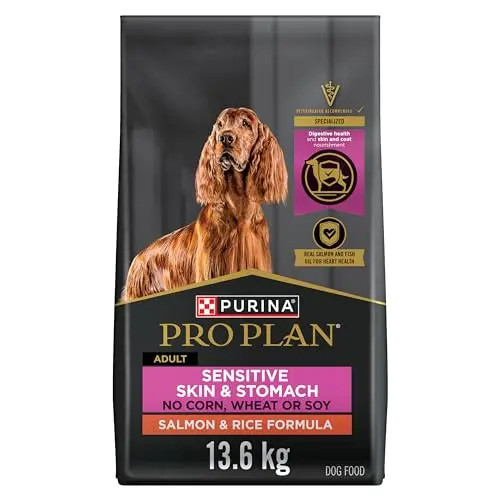
Sensitive Skin & Stomach Salmon & Rice Formula – Digestive Health & Shiny Coat
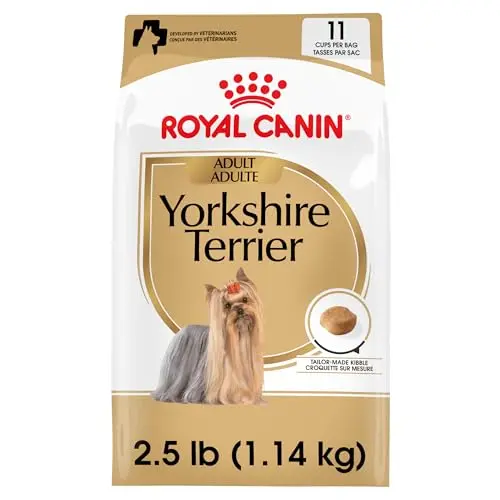
Breed Health Nutrition Yorkshire Terrier Adult – Tailored Kibble for Purebred Yorkies
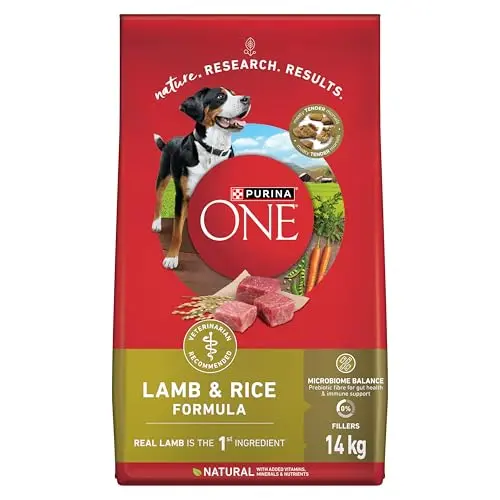
Microbiome Balance Lamb & Rice – Gut Health & Everyday Value
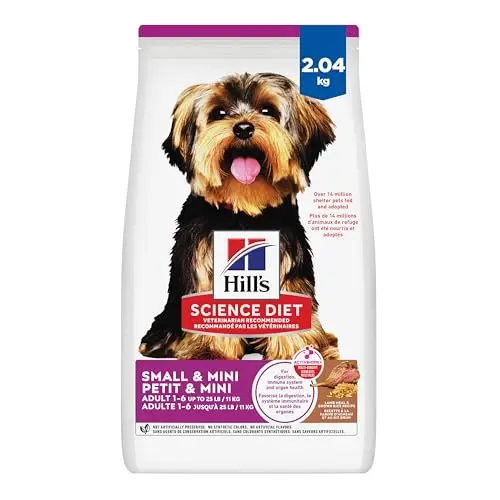
Small & Mini Lamb Meal & Brown Rice – Gentle Digestion for Tiny Breeds
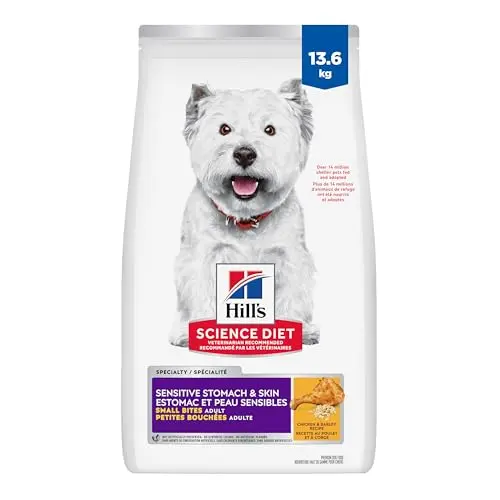
Sensitive Stomach & Skin Small Bites – Tailored Relief for Tender Tummies
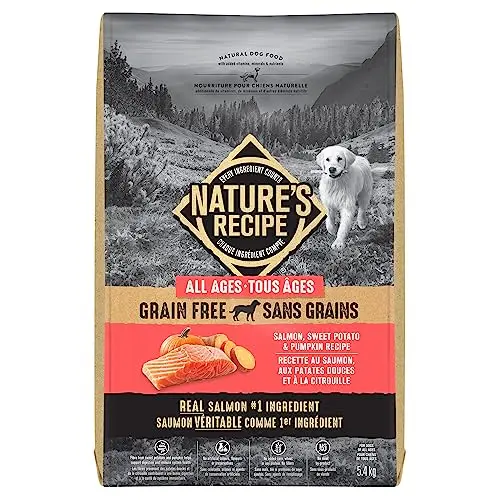
Grain Free Salmon, Sweet Potato & Pumpkin – Allergy-Friendly Clean Eating
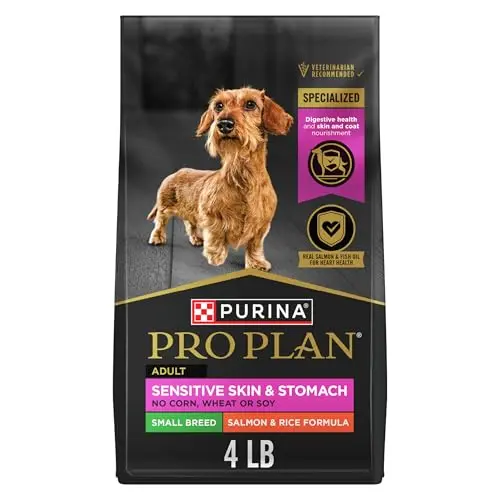
Sensitive Skin & Stomach Small Breed Salmon & Rice – Tiny Kibble, Big Relief
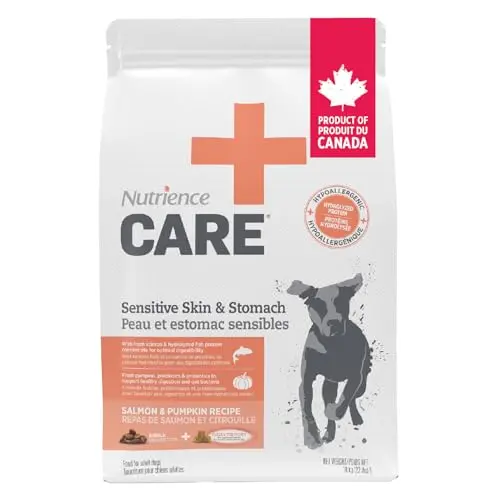
Care Sensitive Skin & Stomach Salmon – Canadian-Made Limited Ingredient Diet
How We Evaluated These Dog Food for Yorkies with Allergies
We didn’t conduct veterinary‑supervised elimination diet trials or long‑term allergy monitoring. What we did: cross‑referenced 8 dry dog food formulas from 6 distinct brands across 6 decision axes-protein source, allergen avoidance (common triggers like chicken, beef, grains), digestive support (prebiotics/probiotics), kibble size for small mouths, fatty acid profiles for skin health, and breed‑specific tailoring. We triangulated published ingredient lists, guaranteed analyses, and aggregated owner feedback where available, mapping each product against the typical needs of a Yorkie with food‑related skin or stomach issues.
The scoring framework weighted real‑world performance (60%)-how effectively a formula addresses allergy symptoms based on its ingredient design and reported owner outcomes-against feature differentiation (40%)-unique technical advantages like novel proteins, size‑specific kibble, or functional add‑ins. We have no commercial relationship with any of the brands featured; recommendations track fit and differentiation, not brand preference. If your Yorkie struggles with both skin and digestive allergies, the Purina Pro Plan Sensitive Skin & Stomach is the strongest all‑around match; if you’re looking for a budget‑friendly lamb‑based diet, the Purina ONE Microbiome Balance delivers exceptional value.
How to Choose the Right Dog Food for Yorkies with Allergies
Key Ingredients to Look For in Allergy-Friendly Dog Food
When your Yorkie has allergies, the ingredient panel is your first line of defense. Novel proteins-ones your dog hasn’t been exposed to before-are often the smartest place to start. Salmon, lamb, and duck are common choices because they bypass triggers like chicken and beef. Omega fatty acids from fish oil or flaxseed help reduce skin inflammation, while prebiotic fibres like beet pulp or oat meal feed good gut bacteria, which can calm systemic allergic responses. Look for formulas that avoid corn, wheat, and soy; these are not inherently bad but can provoke inflammation in sensitive dogs. Pumpkin is another ingredient to cheer-it’s a gentle fibre that eases digestion.
The Importance of Protein Source: Chicken vs. Lamb vs. Salmon
Many Yorkies develop allergies to common proteins like chicken, which is in the vast majority of dog foods. If your dog has confirmed poultry sensitivity, lamb and salmon are excellent alternatives. Lamb offers a rich, meaty flavour that picky eaters often enjoy, while salmon brings a hefty dose of anti‑inflammatory omega‑3s that directly benefit skin and coat. Keep in mind that chicken fat is sometimes used as a flavour enhancer even in non‑chicken recipes; if your Yorkie is severely allergic, stick to foods that explicitly list a single novel protein and avoid ambiguous ingredients.
Kibble Size Matters: Why Small Bites Are Better for Yorkies
Yorkies have tiny mouths and can struggle with standard‑size kibble. A food that’s too large may be ignored or even cause choking. Several brands now offer small‑bite or breed‑specific kibble tailored to toy dogs. The Pro Plan Small Breed Sensitive Skin & Stomach and Royal Canin Yorkshire Terrier are engineered for miniature muzzles-they’re easier to pick up, chew, and digest. If you go with a brand that doesn’t specify small bites, consider crushing larger pieces for the tiniest pups.
Grain-Free vs. Grain-Inclusive: What's Right for Your Yorkie?
Grain allergies in dogs are less common than protein allergies, but they do exist. If your vet suspects a grain sensitivity, a grain‑free formula like the Nature’s Recipe Salmon, Sweet Potato & Pumpkin can eliminate potential triggers. However, recent studies have raised concerns about grain‑free diets and canine heart disease (DCM). Unless your Yorkie has a confirmed grain issue, a grain‑inclusive option with gentle grains like rice or oatmeal-such as the Purina ONE Microbiome Balance-can be easier on the system and may actually aid digestion through fibre.
Probiotics and Prebiotics: Supporting Your Dog's Gut Health
An allergic reaction is ultimately an immune response, and a huge portion of the immune system resides in the gut. Probiotics (live beneficial bacteria) and prebiotics (food for those bacteria) work together to create a resilient digestive environment. The Nutrience Care Sensitive Skin & Stomach includes both, using ingredients like chicory root and turmeric to actively calm inflammation. Even if a food doesn’t shout about probiotics, look for prebiotic fibres like beet pulp or oat meal-they’re a quiet workhorse for long‑term gut stability.
Top Pick Showdown: Purina Pro Plan vs. Hill's Science Diet
If you’re torn between our top two brands, the choice comes down to your Yorkie’s specific symptoms. The Purina Pro Plan Sensitive Skin & Stomach relies on salmon and is completely free of chicken, corn, wheat, and soy, making it ideal for dogs with multiple triggers. The Hill’s Science Diet Sensitive Stomach & Skin uses chicken but adds a powerful prebiotic (beet pulp) and extra‑small kibble-it’s better for dogs whose primary issue is digestive upset rather than chicken allergy. Both have strong vet backing; pick the one that aligns with your dog’s allergy profile.
Frequently Asked Questions
What protein is best for Yorkies with allergies?
Fish (especially salmon) and lamb are the go‑to proteins for allergic Yorkies because they are less common in standard dog foods, reducing the chance of an immune reaction. Salmon has the added benefit of omega‑3 fatty acids, which actively soothe inflamed skin. Lamb is often more palatable for picky eaters. If your dog has not been exposed to a particular protein before, it’s less likely to be an allergen-your vet can help design an elimination diet to pinpoint triggers.
Can I feed my Yorkie a grain-free diet for allergies?
Yes, but only if you have reason to suspect a grain allergy. True grain allergies are relatively rare; most food allergies in dogs are triggered by animal proteins. If your Yorkie has been diagnosed with a grain sensitivity, a grain‑free recipe like Nature’s Recipe Grain Free Salmon can help. However, stay informed about the ongoing DCM debate and discuss with your vet. Many Yorkies do fine with gentle grains like oatmeal, which provide prebiotic fibre.
What's the difference between Purina Pro Plan Sensitive Skin & Stomach and Hill's Science Diet Sensitive Stomach & Skin?
The biggest difference is protein source: Purina Pro Plan uses salmon and is entirely chicken‑free, while Hill’s Science Diet uses chicken as the main protein. Purina’s formula includes oat meal as a prebiotic, whereas Hill’s relies on beet pulp. Both contain omega fatty acids for skin health, but Purina leans on fish oil (rich in omega‑3) and sunflower oil (omega‑6), while Hill’s emphasizes vitamin E and omega‑6. Kibble size is finer in the Hill’s, but both are suitable for small mouths. Choose Purina if chicken is suspect; choose Hill’s if digestion is the top concern.
How does Nutrience Care compare to Nature's Recipe for allergy-prone Yorkies?
Both are grain‑free, salmon‑based, and avoid artificial additives, but they take different approaches to gut health. Nutrience packs in probiotics, turmeric, and ginger for a more comprehensive anti‑inflammatory effect, and its fresh Canadian salmon gives it a locavore appeal. Nature’s Recipe is simpler-salmon, sweet potato, pumpkin-and can be a better choice for ultra‑sensitive dogs who may react to multiple supplements. Nutrience’s kibble can be larger and less uniform, so Nature’s Recipe might work better for the tiniest Yorkies if you don’t mind crushing it.
Final Verdict
For the vast majority of Yorkies battling allergies, the Purina Pro Plan Sensitive Skin & Stomach Salmon & Rice is the one to beat. It pairs a novel protein with targeted omegas and prebiotic fibre, addressing both skin and digestive symptoms without common triggers like chicken or grains. If your budget is tighter, the Purina ONE Microbiome Balance Lamb & Rice delivers gut‑friendly nutrition at a fraction of the cost. And if you want a formula completely tailored to your Yorkie’s anatomy, the Royal Canin Yorkshire Terrier Adult remains the gold standard for breed‑specific design-just be sure chicken isn’t a problem. No matter which you choose, a careful transition and a little patience can make a world of difference for your itchy little companion.