
Finding a dog food that a veterinary nutritionist would actually recommend can feel like cracking a code. You’re bombarded with marketing claims – grain-free, raw, high-protein – but when it comes to what’s best for your dog’s long‑term health, the science‑backed, vet‑formulated options are the ones that stand up to scrutiny.
We zeroed in on the brands and formulas that consistently earn nods from veterinary professionals – foods developed with input from nutritionists, backed by feeding trials, and targeted at real health needs like sensitive digestion, skin issues, joint support, and overall vitality. Whether you’re managing a specific condition or just want the best day‑to‑day nutrition, the picks ahead give you a clear, cross‑brand view of what truly earns the vet‑approved stamp.
Best Veterinary Nutritionist Dog Food – 2026 Reviews
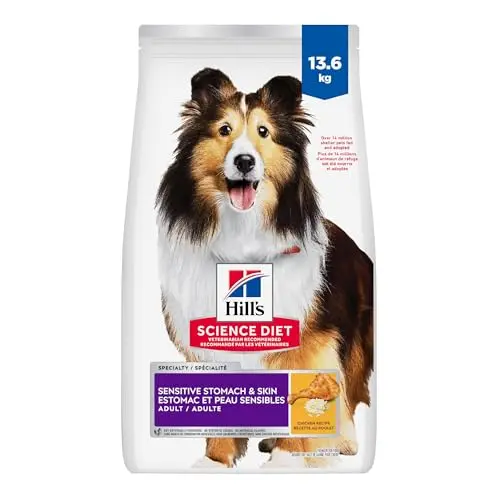
Adult Sensitive Stomach & Skin Chicken Recipe – Gentle, Balanced Nutrition
This is the go‑to daily dry food for dogs with touchy tummies or itchy skin, and it’s the most widely recommended vet brand in Canada. A highly digestible chicken‑first recipe fortified with prebiotic beet pulp and omega‑6s keeps the gut calm and the coat glossy.
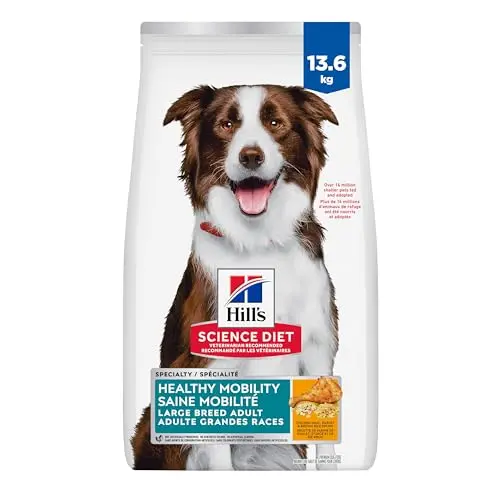
Adult Healthy Mobility Large Breed – Joint‑Focused Large Dog Fuel
Designed for large‑breed adults, this chicken, brown rice & barley recipe delivers natural glucosamine and chondroitin plus EPA from fish oil to keep joints moving. It’s a complete daily diet that proactively supports hip and joint health.
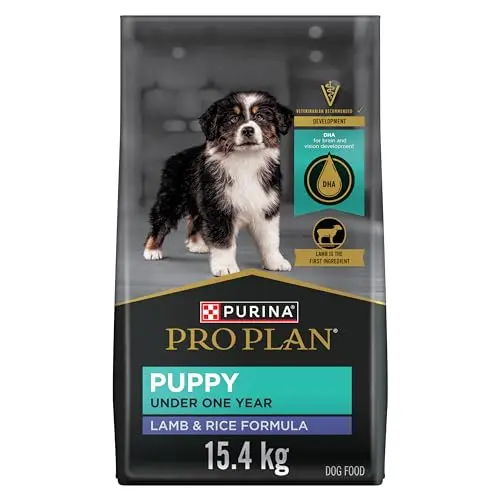
Development Puppy Lamb & Rice – Brain‑Building Start
Gently cooked lamb as the first ingredient and DHA from omega‑rich fish oil support brain and vision development in growing puppies. Fortified with live probiotics, this formula lays a strong digestive and immune foundation from weaning through year one.
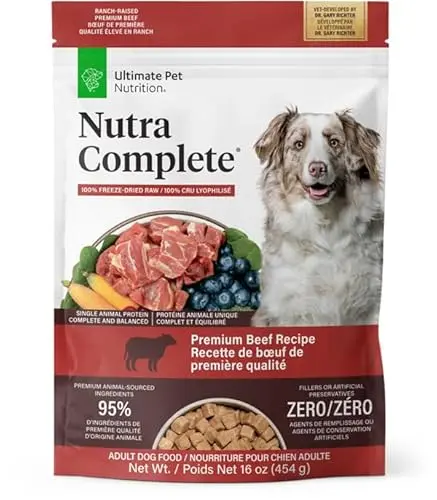
Nutra Complete Beef – Freeze‑Dried Raw Vet Formula
Veterinarian‑formulated with 95% ranch‑raised beef and organs, then freeze‑dried raw to lock in nutrients. This antioxidant‑rich, prebiotic‑included recipe doubles as a complete meal or a high‑power topper for kibble.
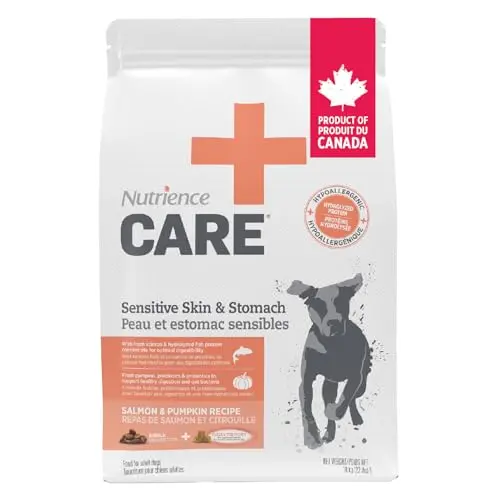
Care Sensitive Skin & Stomach – Grain‑Free Canadian Salmon
This Canadian‑made formula uses fresh salmon as the sole animal protein, paired with pumpkin, coconut oil, and a digestive‑enzyme blend to soothe sensitivities. It’s grain‑free, gluten‑free, and built for dogs with allergies or finicky digestion.
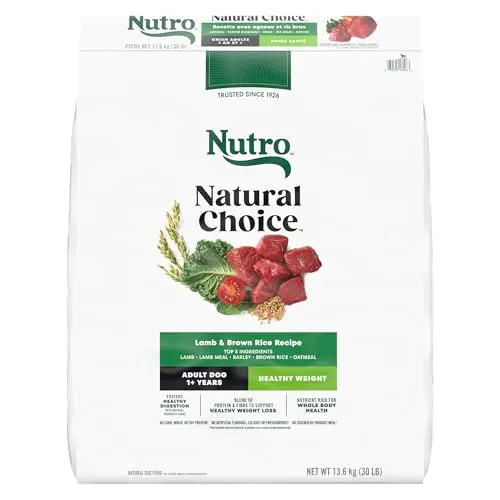
Natural Choice Healthy Weight Lamb & Rice – Lean & Clean Crunch
Real lamb leads this non‑GMO weight‑management kibble, free of chicken by‑product, corn, wheat, and soy. It’s a straightforward, natural recipe that helps dogs maintain a healthy weight without skimping on flavour or protein.
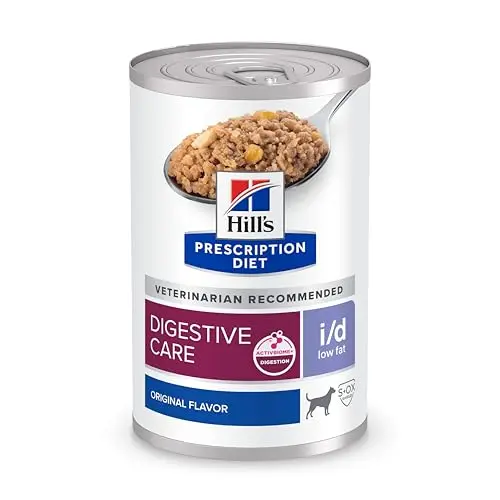
i/d Low Fat Digestive Care Wet Food – Gentle Gastro Help
This veterinary‑exclusive wet food uses ActivBiome+ technology to rapidly activate gut bacteria, while its low‑fat, high‑digestibility chicken formula supports dogs recovering from pancreatitis or chronic digestive upset. Requires vet authorization.
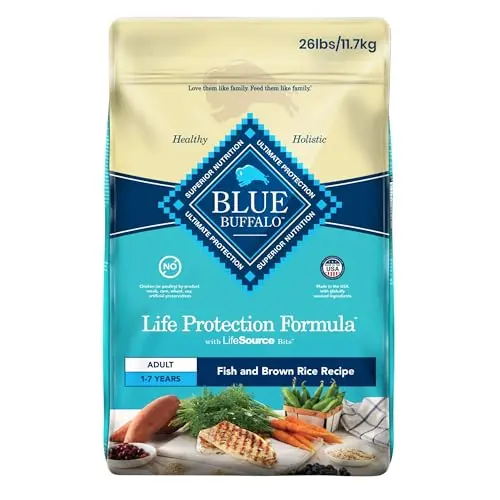
Life Protection Fish & Brown Rice – Wholesome Everyday Catch
Deboned whitefish stars in this natural adult recipe, delivering lean protein plus omega‑3s. LifeSource Bits add a cold‑pressed antioxidant and vitamin boost, and the formula skips chicken by‑product, corn, wheat, and soy.
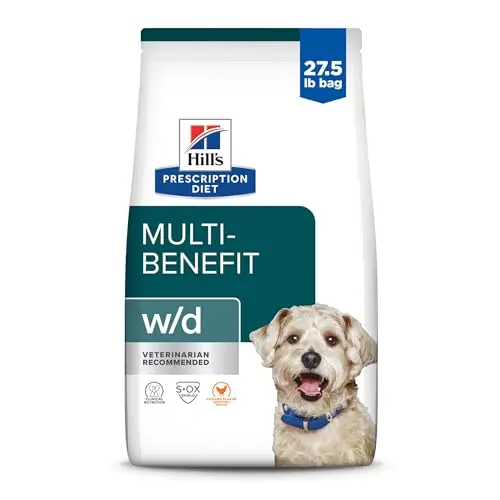
w/d Multi‑Benefit – All‑Condition Therapeutic Dry
A veterinarian‑supervised, high‑fibre dry formula that simultaneously helps manage glucose, weight, digestion, and urinary health. The soluble/insoluble fibre matrix and therapeutic L‑carnitine make it a one‑stop solution for multi‑condition dogs.
How We Evaluated These Veterinary Nutritionist Dog Foods
We didn’t conduct controlled feeding trials or run blood panels in a lab. What we did: cross‑referenced 9 dog food models from 6 distinct brands across 6 decision axes – vet formulation credibility, protein quality and source, digestive health support, targeted health benefits (skin, joints, weight), ingredient transparency, and owner feedback patterns where available. We triangulated published nutritional information, veterinary‑developed formulation claims, and real‑world results from dogs living with the conditions these foods address.
The scoring framework weighted real‑world health impact (60%) – how well each formula delivers on its stated clinical or nutritional promise – against feature differentiation (40%) – unique technologies like ActivBiome+, Digestiboost, or guaranteed probiotics, plus breed‑ and life‑stage specificity. We have no commercial relationship with any of the brands featured; recommendations track fit and differentiation, not brand preference. If you’re looking for the one food most veterinary nutritionists would pick for an adult dog with sensitive digestion, the Hill’s Science Diet Sensitive Stomach & Skin is your match; if you need a therapeutic prescription diet for a dog with a diagnosed condition, the Hill’s Prescription Diet i/d Low Fat serves that specific need.
How to Choose the Right Veterinary Nutritionist Dog Food
What Makes a Dog Food Truly 'Veterinary Nutritionist-Approved"?
A label with a vet on it doesn’t automatically mean a veterinary nutritionist signed off. Look for foods developed by companies that employ board‑certified veterinary nutritionists on their research teams – brands like Hill’s, Purina Pro Plan, and Royal Canin are notorious for this. These formulas are created using peer‑reviewed research and feeding trials, not just marketing panels. A good signal is a statement of nutritional adequacy from the Association of American Feed Control Officials (AAFCO) that points to a specific life stage or therapeutic purpose. Foods that carry an AAFCO ‘complete and balanced” claim for adult maintenance are sufficient for most dogs, but those tested in feeding trials (not just formulated) carry extra weight with veterinary nutritionists.
Over‑the‑counter foods from companies like Nutrience and Nutro can still be excellent, but their vet‑nutritionist credibility varies. The key is transparency: ingredient sourcing, research backing, and a explicit indication of who formulated the recipe.
Protein Quality and Animal Source: More Than Just the First Ingredient
A food that lists real meat first is a good start, but veterinary nutritionists dig deeper. Highly digestible, named animal proteins (like deboned chicken, salmon, or lamb) are superior to vague meat meals or by‑products. The amino acid profile matters – the protein must supply all essential amino acids in the right ratios. Formulas with multiple complementary protein sources can fill gaps, but many dogs with sensitivities do better on a single novel protein. The Nutrience Care Salmon, for example, uses fresh Canadian salmon as its sole animal protein, while the Hill’s Science Diet Sensitive Stomach relies on chicken – a common, well‑tolerated protein for many dogs.
Digestive Health and Prebiotic/Probiotic Support
A calm, predictable digestive system is the bedrock of canine health. Veterinary nutritionists often prioritize prebiotic fibres like beet pulp, chicory root, or pumpkin because they feed beneficial gut bacteria without causing spikes in fermentation. Guaranteed live probiotics, like those in Purina Pro Plan, can help with immune function and stool quality, but they aren’t always necessary for every dog. The Hill’s Prescription Diet i/d Low Fat pushes this further with ActivBiome+, a technology designed to rapidly shift the microbiome toward a healthier profile. If your dog has chronic loose stools or gas, a formula with an explicit gut‑health focus is one of the highest‑value upgrades you can make.
Targeted Health Benefits: Joint, Skin, Weight, and Life‑Stage Formulas
Many vet‑nutritionist favorites aren’t generalists – they’re precision tools. For large‑breed dogs, look for natural glucosamine and chondroitin plus EPA, like the Hill’s Science Diet Healthy Mobility. Weight‑control formulas with L‑carnitine and higher fibre, such as Nutro Healthy Weight, help maintain lean body mass while trimming calories. Skin‑ and coat‑focused recipes lean on omega‑3 fatty acids, often from fish oil, to reduce inflammation and itching. And puppy foods need DHA for brain development – exactly what the Pro Plan Development Puppy Lamb & Rice delivers. Match the formula to the most pressing need; a food that does one thing exceptionally is often better than one that tries to do everything.
Grain‑Free vs. Grain‑Inclusive: What the Evidence Says
The grain‑free debate has cooled, and many veterinary nutritionists now caution against grain‑free diets for dogs unless there’s a diagnosed allergy or intolerance. The FDA’s investigation into dilated cardiomyopathy (DCM) linked to high‑legume, grain‑free foods has made vets more conservative. Products like the Nutrience Care line are grain‑free but use sweet potato and pumpkin rather than heavy peas or lentils, which may carry a lower risk. Meanwhile, foods like Hill’s Science Diet and Purina Pro Plan include grains like rice or barley, which provide gentle energy and fibre without the DCM concern. Unless your dog has a confirmed grain allergy, a grain‑inclusive, nutritionist‑formulated diet is the safer, better‑studied path.
Hill's Science Diet vs. Purina Pro Plan: Which Is More Vet‑Nutritionist‑Approved?
This is the Coke vs. Pepsi of vet‑recommended foods, and the answer often comes down to specific health needs. Hill’s Science Diet invests heavily in therapeutic research and has a massive range of condition‑specific formulas; its sensitive‑stomach and mobility recipes are ubiquitous in veterinary clinics. Purina Pro Plan matches that research depth and adds an edge in probiotic technology and puppy development. For an adult dog with no pressing health issues, either is a fantastic, nutritionist‑backed choice. If you need a therapeutic, prescription‑level diet, Hill’s Prescription Diet takes the lead. Ultimately, pick the one your dog eats willingly and thrives on – both lead the pack in vet trust.
Frequently Asked Questions
What's the difference between Hill's Prescription Diet and Hill's Science Diet?
Hill’s Science Diet is an over‑the‑counter line designed for everyday health needs – skin, digestion, mobility, and life stages. It’s formulated to meet AAFCO standards for adult maintenance or growth. Hill’s Prescription Diet, on the other hand, is a therapeutic line that requires veterinary authorization. These foods are created to actively manage diseases like diabetes, pancreatitis, severe kidney issues, or food intolerances, and they’re used under medical supervision. While both are developed by veterinary nutritionists, the prescription line uses controlled levels of nutrients (like ultra‑low fat or restricted phosphorus) that could be harmful to a healthy dog if fed long‑term without monitoring. If your vet hasn’t prescribed it, stick with Science Diet or another over‑the‑counter vet‑formulated brand.
Are all foods labeled 'veterinarian‑formulated" equally trustworthy?
Not necessarily. A statement like ‘veterinarian‑formulated” can mean a single consulting vet glanced at the recipe, not that a team of board‑certified nutritionists spent years developing it. The most trustworthy products are those from companies that publish feeding trial results and maintain a full‑time team of veterinary nutritionists – you’ll usually see explicit language like ‘formulated by our veterinary nutritionists” rather than a generic label. The Nutra Complete Freeze‑Dried Raw explicitly names its veterinarian development, which is more transparent than many, but it’s still a smaller brand. The gold standard for vet endorsement is a brand that has earned the trust of the American College of Veterinary Nutrition (ACVN) diplomates over decades.
Is a grain‑free dog food better for a dog with allergies, according to veterinary nutritionists?
Not inherently. True food allergies in dogs are most often caused by animal proteins like beef or chicken, not grains. Veterinary nutritionists may recommend a grain‑free diet if a dog has a confirmed grain‑specific allergy, but that’s rare. More commonly, they’ll suggest a novel‑protein or hydrolysed‑protein diet to rule out protein allergens. If a grain‑free food uses peas or lentils as a replacement, there’s the added concern of the potential DCM link. Products like the Nutrience Care Sensitive Skin & Stomach limit the grain‑free profile to easily digestible alternatives like pumpkin and sweet potato, which may be a safer compromise if you’re avoiding grains, but always consult your vet before going grain‑free long‑term.
How does the Nutrience Care line compare to Nutro Natural Choice?
Both Nutrience and Nutro produce quality, natural‑focused dry foods, but they target slightly different audiences. Nutrience Care is a purpose‑built therapeutic‑style line with a heavy emphasis on Canadian‑sourced fresh salmon, limited ingredients, and a proprietary Digestiboost blend – making it a strong candidate for dogs with skin and stomach sensitivities. Nutro Natural Choice Healthy Weight is a clean‑label, weight‑management formula with pasture‑raised lamb and no corn, wheat, or soy, but it lacks the targeted prebiotic‑probiotic complex or the novel‑protein exclusivity of Nutrience. For a dog whose primary issue is weight, Nutro fits; for a dog with pronounced allergies or digestive chaos, Nutrience Care’s approach is more focused.
Final Verdict
For most adult dogs, the Hill’s Science Diet Adult Sensitive Stomach & Skin is the starting point any veterinary nutritionist would endorse – it pairs highly digestible protein with exactly the prebiotic and omega‑6 support needed for day‑to‑day gut and coat health. If you’ve got a large‑breed dog with joints on your mind, pivot to the Healthy Mobility Large Breed. Puppy in the house? The Purina Pro Plan Development Lamb & Rice fuels brain growth from day one. And when your vet hands you a prescription for a specific condition – say, pancreatitis – the Hill’s Prescription Diet i/d Low Fat is the clinical tool you need. Across this diverse lineup, the common thread is clear veterinary‑nutritionist intent – you’re feeding science, not fads.