
If your dog turns his nose up at mealtime like a tiny food critic, you know the struggle of finding a dry dog food he’ll actually eat. Finicky eaters can turn dinner into a negotiation, and the wrong kibble ends up in the bowl-and stays there. The challenge isn’t just about taste; it’s about finding the right combination of aroma, texture, and ingredient quality that appeals to a discriminating canine palate while still delivering complete nutrition.
We surveyed the top dry dog foods across multiple brands, zeroing in on formulas that have earned a reputation for winning over picky eaters. Palatability is key-some foods use natural flavour enhancers, smaller kibble sizes, or unique protein sources to tempt fussy dogs. Beyond taste, we looked at digestive health support, because a happy stomach often means a happier eater. Here’s our cross-brand market guide to help you find the one your dog will actually clean the bowl for.
Best Dry Dog Food for Finicky Dogs – 2026 Reviews
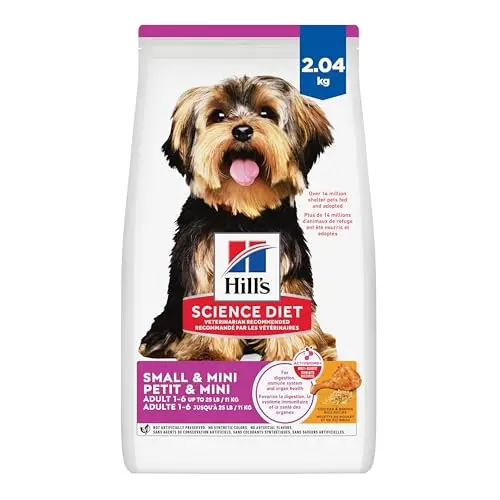
Adult Small & Mini Chicken Meal & Rice Recipe – Small Kibble & Digestive Support
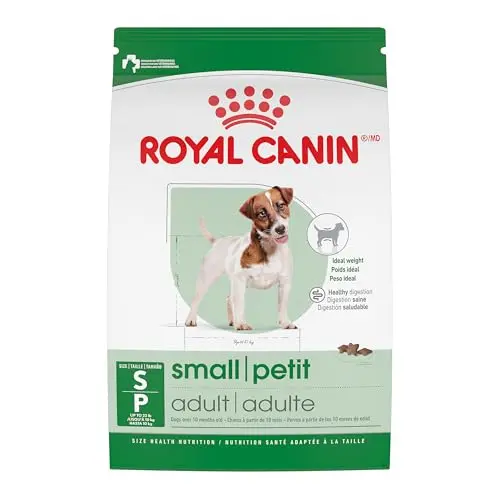
Small Breed Adult Dry Dog Food – Enhanced Palatability for Picky Eaters
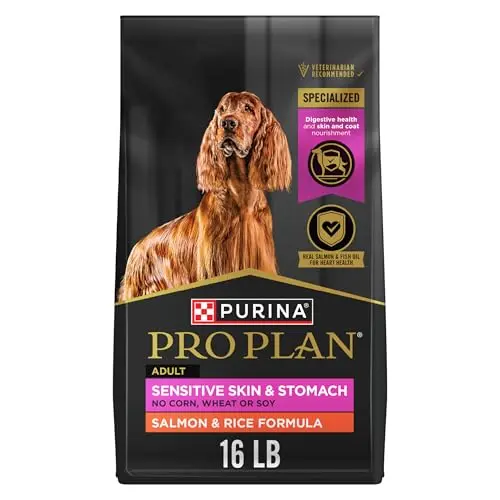
Sensitive Skin & Stomach Salmon & Rice Formula – Ideal for Picky Eaters with Sensitivities
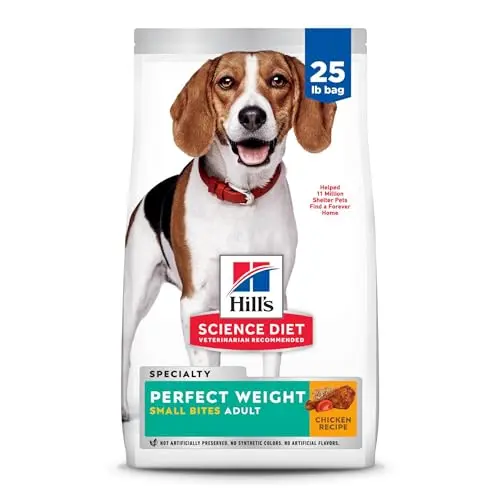
Perfect Weight Small Bites Chicken Recipe – Weight Management for Small Dogs
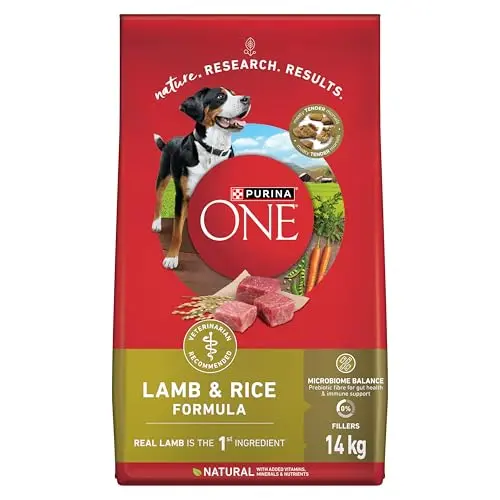
Microbiome Balance Lamb & Rice – Digestive Health Support
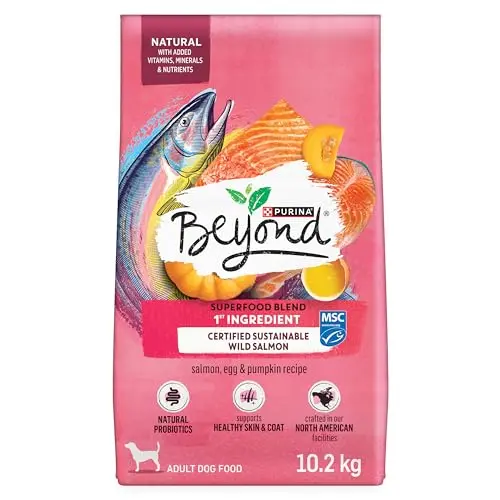
Superfood Blend Salmon, Egg & Pumpkin – Natural Grain-Free Recipe
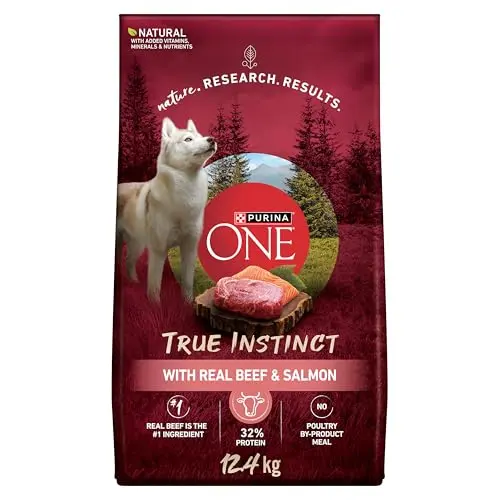
True Instinct Beef & Salmon – High-Protein Formula
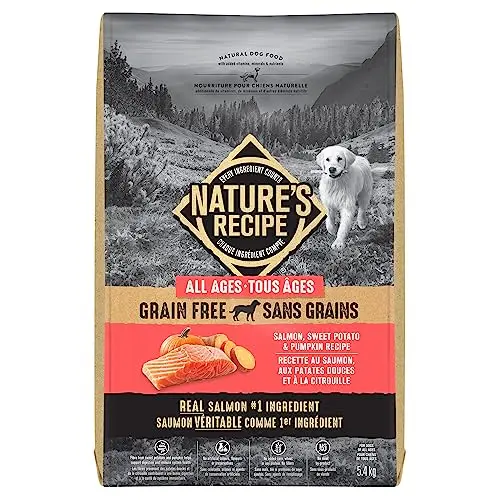
Grain Free Salmon, Sweet Potato & Pumpkin – Appetite-Approved Taste
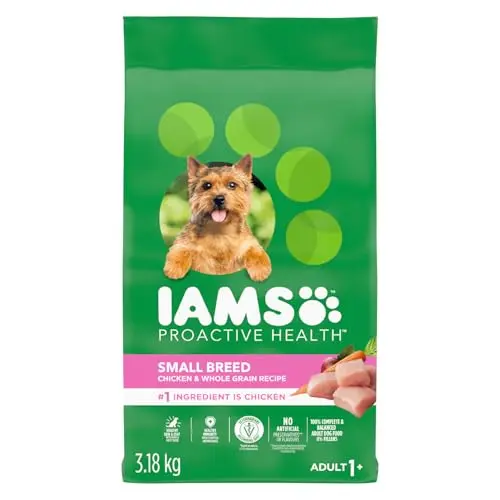
Proactive Health Small Breed Chicken & Whole Grain – Affordable Small Kibble
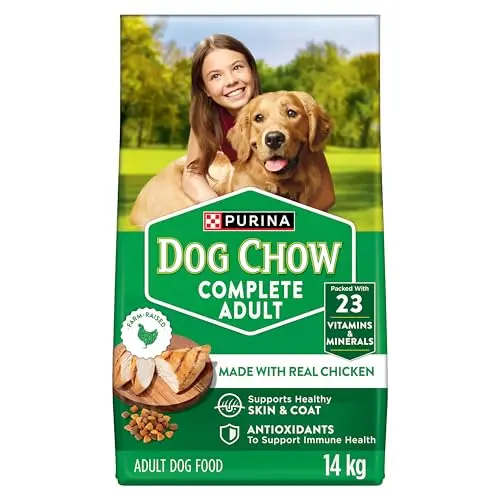
Complete Chicken – Budget-Friendly Everyday Nutrition
How We Evaluated These Dry Dog Food for Finicky Dogs
We didn’t run taste tests with actual finicky dogs on a panel-that would be fun but impractical. What we did: cross-referenced 10 dry dog foods from 8 distinct brands across several dimensions that matter to picky eaters: palatability indicators (flavour, aroma, special palatability claims), kibble size and texture, ingredient quality (real meat first, no fillers), and digestive health support because a happy gut often means a happier eater. We triangulated published specifications, owner feedback where available, and use-case fit for finicky dogs. No brand paid for a spot; our picks reflect genuine assessment of how well each formula balances taste appeal with nutritional value. The scoring framework weighted real-world palatability and digestive suitability (60%) against feature differentiation (40%) like unique protein sources or kibble design. If your dog turns up his nose at standard kibble, the Hill’s Science Diet Small & Mini is the standout, but for sheer pickiness, the Royal Canin Small Breed is built for the job.
How to Choose the Right Dry Dog Food for Finicky Dogs
What Makes Dry Dog Food Palatable to Finicky Dogs?
Palatability isn’t just about taste-it’s a combination of smell, texture, and ingredient quality. Dogs have a far keener sense of smell than taste, so foods with a strong meaty aroma tend to win over picky eaters. Animal fats and natural flavourings can boost appeal significantly. Some brands add broths or digest sprays to increase palatability. The protein source also matters: many finicky dogs prefer novel proteins like salmon, lamb, or beef over standard chicken. Reading ingredient lists and looking for palatability-enhancing terms can guide your choice.
Kibble Size and Texture: Does It Matter for Finicky Dogs?
Absolutely. Small-breed dogs or those with dental issues often struggle with large, hard kibble. A kibble that’s too big or too dense can be unappealing to a picky eater, even if it tastes good. Many brands now offer small bites or breed-specific kibble shapes designed for tiny jaws. The Hill’s Science Diet Small & Mini exemplifies how a tiny, porous kibble can make a difference. If your dog has trouble picking up pieces or seems to lose interest, consider a smaller, softer kibble.
Ingredient Quality: What to Look For
High-quality ingredients often translate to better taste and digestibility. Look for a named animal protein as the first ingredient (chicken, salmon, lamb) rather than vague terms like ‘meat meal’. Whole grains, vegetables, and superfoods like pumpkin, sweet potato, or blueberries can provide fibre and nutrients that support overall health. Avoid artificial colours, flavours, and fillers like corn gluten meal, which add bulk but little nutrition. Some finicky dogs may react to certain grain proteins, so exploring grain-free or limited-ingredient diets could help, but it’s not necessary for all dogs.
Grain-Free vs. Grain-Inclusive: Which Do Finicky Dogs Prefer?
There’s no universal answer, but many owners of finicky dogs report success with grain-free formulas. That’s likely because grain-free diets often use sweet potato, peas, or lentils as carbohydrate sources, which can impart a milder, sweeter taste that some dogs enjoy. However, grain-inclusive foods with whole grains like brown rice or oatmeal can also be highly palatable and often cost less. The key is to watch your dog’s reaction: if he consistently rejects a grain-inclusive food, a grain-free alternative might be worth trying. Just ensure it’s nutritionally complete and balanced.
Digestive Health and Its Link to Picky Eating
Sometimes finicky eating stems from underlying digestive discomfort. If a dog associates a food with an upset stomach, he may refuse it. Look for foods with prebiotic fibres, probiotics, or easily digestible ingredients like pumpkin. The Pro Plan Sensitive Skin & Stomach is a prime example, combining salmon with prebiotic fiber to soothe sensitive tummies. Switching foods gradually over 7-10 days can also prevent digestive rejection. If your dog is consistently picky and shows other signs like loose stools or gas, a formula designed for sensitive stomachs could address the root cause.
Common Pitfalls When Buying for a Finicky Dog
Owners often fall into the trap of constantly switching foods whenever their dog refuses a meal, which can reinforce pickiness. Stick with one food for at least a few weeks (mixed with a small amount of wet food or warm water to increase aroma) before changing. Also, avoid giving too many treats, which can spoil appetite. Another mistake is assuming that expensive equals palatable-price doesn’t guarantee taste. Read reviews and ingredient lists, and consider your dog’s preferences: does he like fish? Then salmon-based foods are a good bet. If he loves beef, try a beef formula.
Frequently Asked Questions
What's the difference between Hill's Science Diet Small & Mini and Royal Canin Small Breed for finicky dogs?
Both are designed for small breeds, but Hill’s focuses on digestive health with ActivBiome+ and pumpkin, while Royal Canin explicitly targets palatability with an enhanced flavour and aroma. Hill’s small kibble is ideal for tiny mouths and it includes natural ingredients, but Royal Canin’s kibble design and strong odour often win over the pickiest eaters. If your dog’s pickiness is tied to stomach issues, Hill’s might be the better pick. If it’s purely taste, Royal Canin is purpose-built for that. For many, Royal Canin’s flavour trumps, but Hill’s offers excellent all-around small-breed nutrition. Consider trying both to see which your dog prefers.
My dog turns his nose up at every dry food-what should I try?
Start by evaluating kibble size-smaller pieces are easier and more appealing. Enhance the aroma by adding a splash of warm water or a teaspoon of low-sodium broth (ensure no onion/garlic). Consider novel proteins like salmon or lamb, which some dogs find more interesting than chicken. If all else fails, a formula like Royal Canin Small Breed is engineered for palatability. Also rule out any underlying health issues with your vet, as dental pain or digestive problems can cause refusal. Sometimes rotating between two high-quality foods can keep a finicky dog interested.
How does Pro Plan Sensitive Skin & Stomach compare to Purina ONE Microbiome Balance for picky eaters?
Pro Plan uses salmon as the first ingredient, which many finicky dogs love, and it also addresses skin sensitivities with omega fatty acids. Purina ONE Microbiome Balance uses lamb and focuses on gut health through prebiotics. For picky eaters, Pro Plan often wins on taste, while Purina ONE may be better if digestive issues are causing pickiness. Pro Plan is generally pricier but has a stronger reputation for palatability among sensitive dogs. If your dog seems to eat better when his stomach is calm, Purina ONE could be the ticket; otherwise, Pro Plan’s salmon flavour might tempt him more.
Final Verdict
For most finicky small dogs, the Hill’s Science Diet Small & Mini delivers the perfect balance of tiny kibble, digestive support, and palatable flavour. If your dog is the ultimate food critic and taste is the only thing that matters, the Royal Canin Small Breed was built for this exact scenario. And if your dog needs a sensitive stomach fix plus great taste, the Pro Plan Sensitive Skin & Stomach is our editor’s pick for a reason. For budget-conscious owners, the IAMS Proactive Health Small Breed is a solid fallback. Finding the right food may take a little trial and error, but these top picks are the best place to start.