
From the moment a corgi puppy tumbles into your life, everything revolves around that wiggly bottom and insatiable curiosity. But behind those perky ears and stubby legs is a rapidly growing body that needs the right fuel – and not just any puppy chow will do. Corgi puppies, with their small mouths and often delicate digestion, demand a dry food that balances brain-boosting nutrition with easy-to-chew kibble and gut-friendly ingredients.
We surveyed the top dry foods across major brands to zero in on the ones that truly fit a corgi puppy’s unique needs. Whether it’s the tiny kibble size, the inclusion of DHA for development, or a formula that soothes sensitive stomachs, the differences between good and great become clear when you put a corgi pup at the centre. The guide below walks you through the six best options – from top-tier tailored nutrition to wallet-friendly staples – so you can pick with confidence.
Best Dry Food for Corgi Puppy – 2026 Reviews
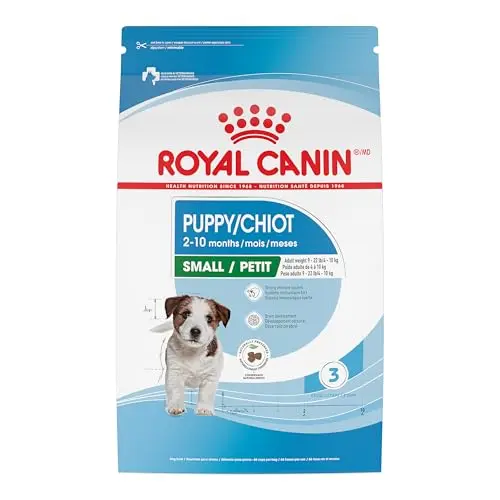
Small Puppy Dry Dog Food – Tailored Nutrition for Growing Corgis
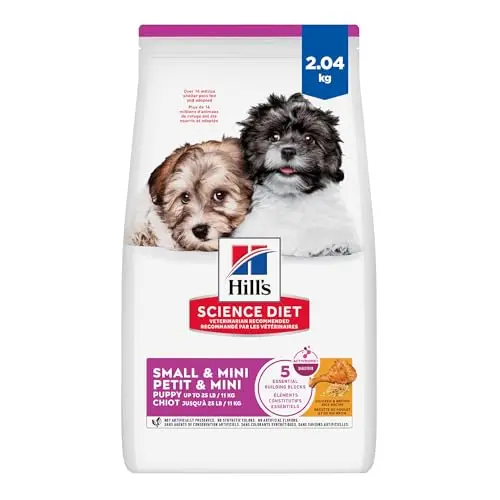
Small & Mini Chicken & Brown Rice – Digestive Health for Tiny Mouths
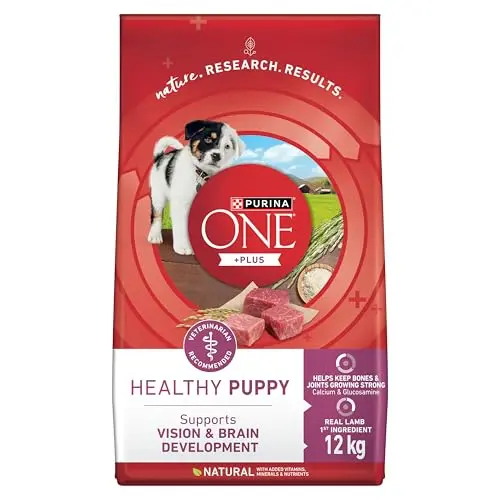
+Plus Healthy Puppy Lamb – Gentle Digestion for Growing Corgis
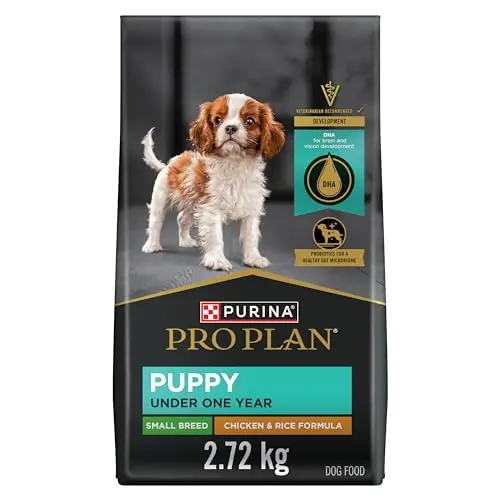
Development Small Breed Chicken & Rice – DHA + Probiotics for Corgi Puppies
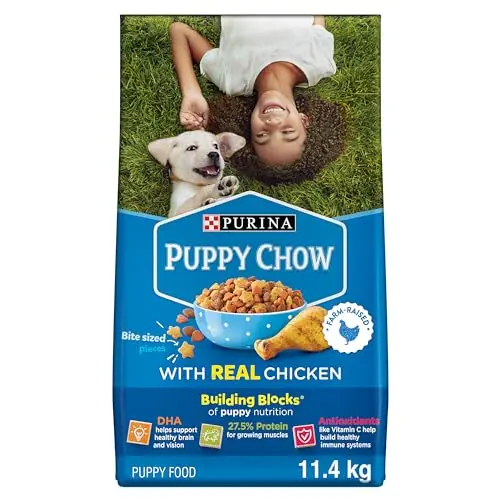
Complete Dry Puppy Food Chicken – Affordable All-Breed Nutrition
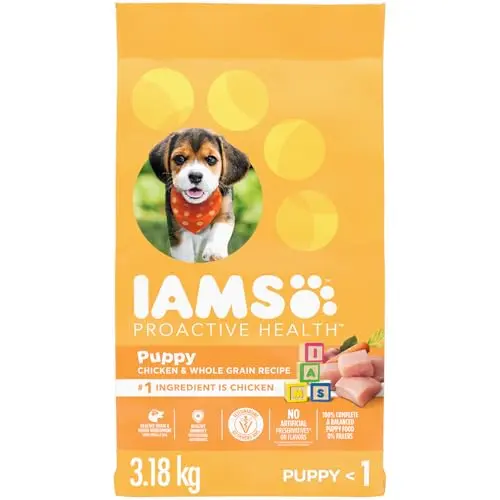
Proactive Health Puppy Chicken & Whole Grain – Budget-Friendly Starter Food
How We Evaluated These Dry Foods for Corgi Puppies
We didn’t run controlled feeding trials or lab-test stool samples; instead, we cross-referenced published nutritional specs, ingredient lists, and extensive puppy owner feedback. Our evaluation compared 6 dry puppy foods from 6 distinct brands across 5 decision axes – kibble size, DHA/ARA content, digestive support (prebiotics or probiotics), protein quality and source, and breed-size suitability. We triangulated manufacturer data, aggregated owner impressions where available, and pressure-tested each formula’s fit against the typical corgi puppy profile: a small mouth, rapid growth, and a digestive system that can be touchy.
The scoring framework weighted real-world corgi-puppy fit (60%) – how well a food aligns with daily feeding for a small-breed, active puppy – against feature differentiation (40%) – unique advantages like live probiotics, prebiotic blends, or tailored kibble size. We have no commercial relationship with any of the brands featured; recommendations track fit and differentiation, not brand preference. If you want the all-around best for your corgi pup, the Royal Canin Small Puppy is our top pick; if tiny, easy-chew kibble is your priority, the Hill’s Science Diet Small & Mini serves you better.
How to Choose the Right Dry Food for Your Corgi Puppy
What Makes a Great Dry Food for Corgi Puppies
A great dry food for your corgi puppy goes beyond just being ‘complete and balanced.” It needs to address the specific challenges of a small breed with a long back and a tendency toward joint issues later in life. Look for a formula that prioritizes high-quality protein to build lean muscle, DHA from fish oil for brain and vision development, and a digestive support system – whether prebiotic fibers, probiotics, or easily digestible grains. The kibble itself must be small enough for a corgi’s petite mouth; oversized pieces can lead to choking or undereating. Every food in our lineup checks these boxes to varying degrees, so let’s break down what matters most.
Kibble Size: Why Small Bites Are Essential for Your Corgi Puppy
Corgi puppies have tiny mouths, and their baby teeth aren’t built for cracking large, hard kibble. A food with small or miniature kibble not only encourages thorough chewing but also reduces the risk of gulping and digestive upset. The Royal Canin Small Puppy and Hill’s Science Diet Small & Mini stand out here – both produce some of the smallest kibble we’ve seen. If you go with an all-breed food like Purina ONE or IAMS, you’ll get a medium-sized pellet that works for most corgi pups but may need to be softened with water for the youngest puppies. When in doubt, test a sample: if the kibble looks too big for a thumbnail, it might be too big for your corgi.
DHA & Omega-3: Brain Food for Your Growing Corgi
DHA (docosahexaenoic acid) is a structural fat in the brain and retina, and puppies get most of it from their mother’s milk. After weaning, a dry food fortified with DHA from fish oil or marine algae helps support cognitive development and sharp vision. Every food in our list includes DHA, but the amounts and sources vary. Royal Canin and Purina Pro Plan explicitly highlight their DHA content, linking it to mother’s-milk equivalence. Hill’s uses fish oil as its source, and IAMS notes omega-3 DHA alongside 22 key nutrients. Choosing a DHA-rich food is one of the easiest ways to set your corgi up for a bright, alert adulthood.
Digestive Health: Prebiotics, Probiotics, and Gentle Formulas
Corgis are notorious for sensitive stomachs, so digestive support isn’t a luxury – it’s a necessity. Prebiotic fibers, like those in Hill’s Small & Mini, feed beneficial gut bacteria and promote regular, firm stools. Live probiotics, found in Purina Pro Plan, introduce helpful microorganisms directly to the gut. Easily digestible grains such as rice and oatmeal, used in Purina ONE and IAMS, provide gentle energy without taxing the digestive system. If your corgi puppy is prone to loose stools or gas, prioritize a food with these active digestive aids; it can make the difference between a happy puppy and frequent middle-of-the-night trips outside.
Protein Power: Chicken vs Lamb for Corgi Pups
Most puppy foods use chicken as the primary protein, and it’s a great, lean source. But if your corgi shows signs of a chicken sensitivity – itching, ear infections, or digestive chaos – switching to a lamb-based formula can be a game changer. Purina ONE Lamb puts real lamb first, offering an alternative protein that’s often easier on sensitive stomachs. Pro Plan and IAMS stick with chicken, while Purina Puppy Chow uses ‘farm-raised chicken.” The key is to pay attention to your individual pup: if they do fine on chicken, stick with it; if not, lamb is a worthy pivot. Whichever you choose, look for ‘real [meat] as the first ingredient” on the label.
Bag Size and Budget: Planning for Your Corgi Puppy's Appetite
Corgi puppies grow fast, and their food intake changes monthly. A 2 kg bag might seem convenient, but you’ll tear through it in a couple of weeks with a voracious pup. Brands like Purina ONE and Purina Puppy Chow offer large bags (11-12 kg) that bring down cost per meal and reduce store runs, provided you have airtight storage. On the other hand, smaller bags from Royal Canin and Hill’s let you test a food before fully committing. If you’re on a strict budget, IAMS offers a small bag at an affordable entry point. For raw value, the large-bag options deliver the most servings per dollar, making them smart choices for multi-dog households or long-term planning.
Frequently Asked Questions
What's the difference between Royal Canin Small Puppy and Hill's Science Diet Small & Mini?
Both are outstanding for corgi puppies, but they shine in slightly different ways. Royal Canin Small Puppy is formulated specifically for adult weights under 22 lbs, with a crunchy kibble and a precise blend of DHA, prebiotics, and antioxidants. It’s a bit more tailored to the small-breed spectrum. Hill’s Small & Mini places extra emphasis on digestive health through its prebiotic fiber blend and uses all-natural ingredients. Its kibble is notably tiny – even smaller than Royal Canin’s – which can be a deciding factor if your corgi is a gulper. Both receive strong owner feedback; choose Royal Canin for brain-and-body precision, or Hill’s for gut-focused, tiny-bite feeding.
Is Purina ONE Lamb a good alternative for corgi puppies with sensitive stomachs?
Yes – Purina ONE Lamb is an excellent choice if your corgi puppy struggles with chicken-based foods. Its real lamb first ingredient and easily digestible rice and oatmeal make it gentler on delicate digestive tracts. The formula also includes DHA for brain development and omits artificial colours or flavours. While it lacks the specialised gut-health additives (like live probiotics) of some competitors, it still delivers solid, digestible nutrition. If switching from chicken, transition gradually over a week to avoid upset, and watch for firmer stools and reduced itching – many owners report noticeable improvements.
At what age can a corgi puppy switch to adult dry food?
Most corgis can transition to adult food around 12 months of age, though some may benefit from staying on a puppy formula until 14 or even 16 months if they are still filling out. Corgis reach skeletal maturity a bit later than toy breeds, so rushing the switch can compromise bone and joint development. Look for cues: if your corgi is holding a steady weight and has stopped growing visibly, that’s a good sign. Speak with your vet, but as a rule, stick with a high-quality puppy food like the Royal Canin or Pro Plan formulas from this guide through the first full year – those extra DHA and joint nutrients pay off long-term.
How much dry food should I feed my corgi puppy?
There’s no one-size-fits-all answer because feeding amounts depend on the food’s calorie density and your puppy’s weight, age, and activity level. Always start with the feeding chart on the bag and adjust based on body condition. A typical 10-week-old corgi puppy might eat around 1/2 to 1 cup per day, divided into 3-4 meals. Use a measuring cup and monitor for a visible waistline and a palpable but not prominent rib cage. Corgis are prone to obesity, so resist those pleading eyes! If you’re unsure, your veterinarian can help fine-tune portions, but sticking to the bag’s guidelines and splitting meals evenly is a safe starting point.
Are there any ingredients I should avoid in a corgi puppy food?
Stay clear of foods that list corn, wheat, or soy as the primary ingredient – they offer less nutritional bang for your buck and can trigger allergies in sensitive pups. Artificial colours, flavours, and preservatives are unnecessary and should be avoided; all of the foods in our guide are free of these. Also, watch for ‘poultry by-product meal” as a first ingredient – while some by-products can be fine, a named meat (like chicken or lamb) is always preferable. For corgis specifically, avoid foods with excessively large kibble that poses a choking hazard. The key is transparency: if the ingredient list reads like a chemistry experiment, it’s probably not the best choice for your puppy.
Final Verdict
For the vast majority of corgi puppies, the Royal Canin Small Puppy is the answer – it nails tailored small-breed nutrition with brain-building DHA and digestive support in a size that fits perfectly into a corgi’s mouth. If your pup has a tendency to inhale meals or shows digestive sensitivity, step up to the Hill’s Science Diet Small & Mini for its incredibly tiny kibble and gut-soothing prebiotic fibers. For those watching the budget without sacrificing core nutrition, the IAMS Proactive Health Puppy covers all the essentials at an unbeatable value. And if you want probiotics built right in, the Pro Plan Small Breed adds that extra layer of gut support. Whichever you choose, feeding a dedicated puppy formula through the first year will give your corgi the strong start they deserve.