
Bringing home a new puppy is equal parts excitement and decision fatigue. Between the crate training, vaccinations, and chew-toy negotiation, figuring out what to feed them shouldn’t feel like a research paper. Yet the aisle is stacked with options-some promising brain development, others gut health, and a few that just seem… loud. The truth is, a good puppy feed builds the foundation for everything: strong bones, sharp eyesight, a healthy immune system, and that boundless energy that’s both adorable and exhausting.
We cut through the noise by focusing on the nutritional pillars that actually matter for puppies: DHA for brain and vision, high-quality protein for lean muscle, and digestibility because puppy tummies are tender. Whether you’re raising a tiny terrier or a future Great Dane, the right feed sets the pace for growth. This guide compares seven brands across a range of formats and price points-so you can spend less time comparing labels and more time cuddling the chaos.
Best Feed for Puppy – 2026 Reviews
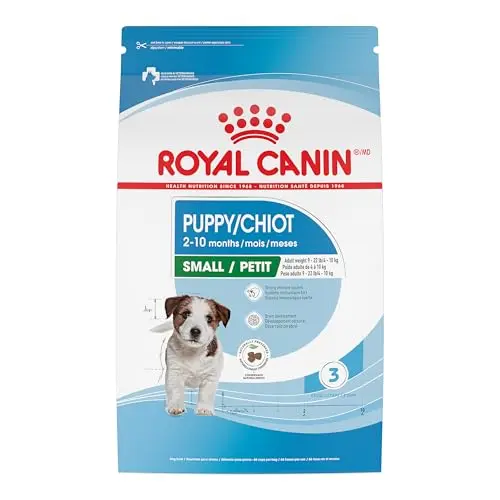
Size Health Nutrition Small Puppy – Brain & Immune Support
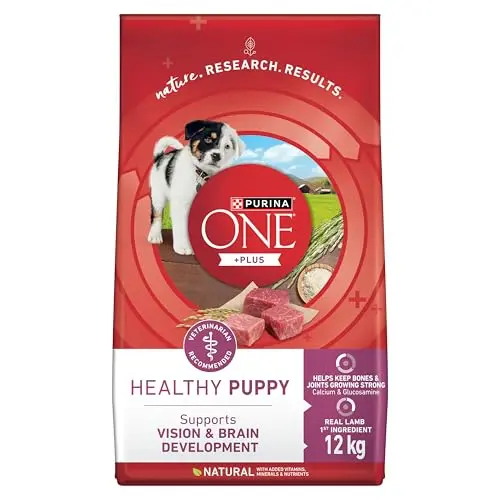
+Plus Healthy Puppy Formula Lamb – Digestible Nutrition
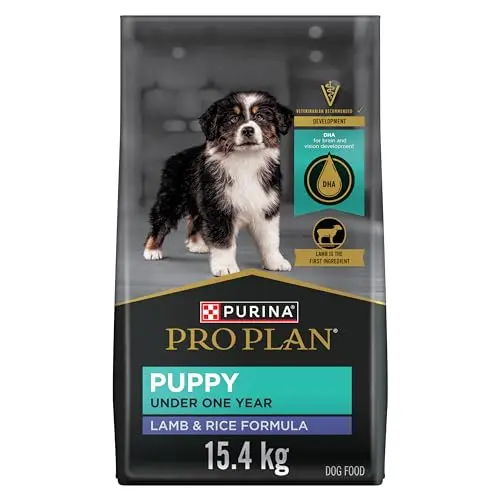
Development Lamb & Rice – Brain & Vision Support
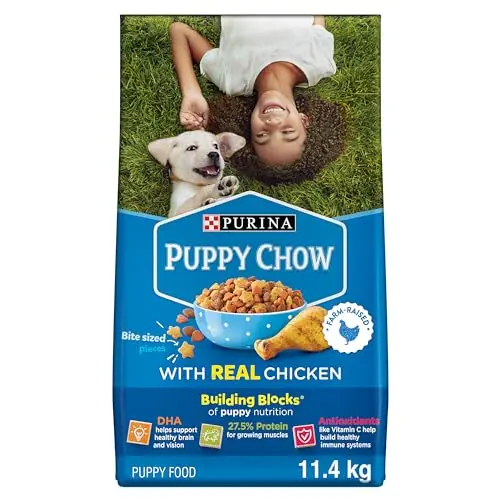
Complete with Real Chicken – Protein for Muscle Growth
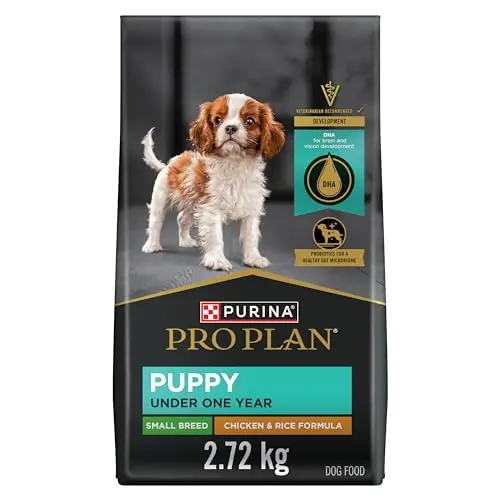
Small Breed Chicken & Rice – Ideal for Tiny Jaws
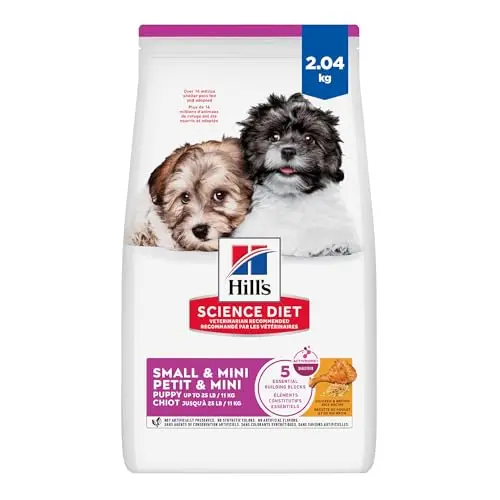
Puppy Small & Mini – Strong Bones for Small Pups
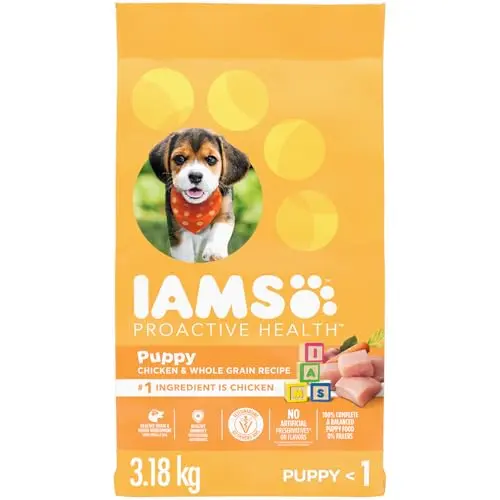
Proactive Health Puppy – Budget-Friendly Complete Nutrition
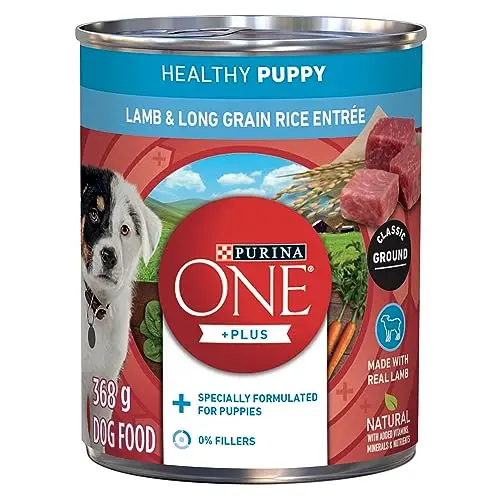
+Plus Classic Ground Lamb & Rice – Tasty Wet Option
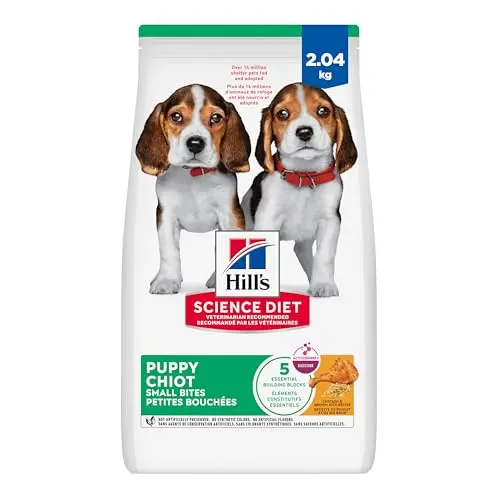
Puppy Small Bites – Easy-to-Chew Nutrition
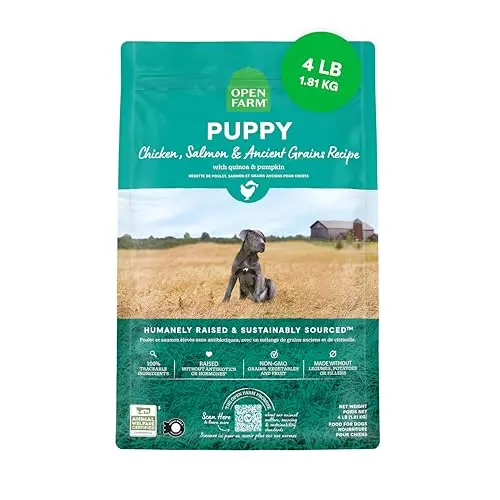
Ancient Grains Chicken & Salmon – Sensitive Stomach Support
How We Evaluated These Feeds for Puppies
We didn’t conduct long-term feeding trials or veterinary diet studies. What we did: cross-referenced 10 puppy feeds from 7 distinct brands across seven decision axes – protein content and source, DHA and omega-3 levels, kibble size and texture suitability, digestive health support (prebiotics/probiotics), ingredient transparency, wet vs. dry format, and qualitative price tier. We triangulated manufacturer specifications, ingredient panels, and aggregated owner feedback where available to evaluate real-world performance and use-case fit.
The scoring framework weighted real-world performance (60%) – how well each feed supports growth, digestion, and palatability – against feature differentiation (40%) – unique advantages like live probiotics, breed-specific kibble sizing, or grain-inclusive formulas for sensitive stomachs. We have no commercial relationship with any of the brands featured; recommendations track fit and differentiation, not brand preference. If you’re raising a small breed, the Royal Canin Small Puppy is your match; if budget is the driving factor, the IAMS Proactive Health delivers core nutrition for less.
How to Choose the Right Feed for Your Puppy
What Nutritional Priorities Matter Most for Puppies?
Puppies aren’t just miniature dogs-they’re rapidly developing organisms with unique demands. The three non-negotiables are DHA for brain and vision development, high-quality protein for lean muscle, and a balanced mineral profile for bone growth. Look for feeds that name a specific animal protein first (chicken, lamb, salmon), include a source of omega-3s like fish oil, and avoid generic ‘meat meal’ where possible. Digestive health is equally critical; a puppy’s gut is immature, so prebiotic fibers or live probiotics can make the difference between firm stools and midnight accidents.
Dry vs Wet Puppy Food: Which Is Better?
There’s no one-size answer. Dry kibble is convenient, helps reduce plaque through chewing, and is typically more cost-effective for daily feeding. Most of the top picks in this guide are dry formulas for that reason. Wet food shines when your puppy needs extra hydration, is teething, or is recovering from an illness-the aroma and texture can re-ignite a flagging appetite. Many owners mix the two, using wet food as a topper to boost palatability and moisture. If you go that route, ensure the combined calories still meet, but don’t exceed, your puppy’s growth needs. The Purina ONE Lamb & Rice wet food is a strong mix-in option because it’s filler-free and formula-compatible with their dry counterpart.
Small Breed vs Large Breed Puppy Feeds: Why Kibble Size Matters
A Great Dane puppy and a Chihuahua puppy don’t just need different portions-they need differently designed kibble. Small breed puppies have tiny mouths and weaker jaw muscles, so oversized kibble can lead to choking, frustration, or refusal to eat. Dedicated small-breed formulas like Purina Pro Plan Small Breed and Royal Canin Size Health Nutrition Small Puppy offer pieces that are genuinely bite-sized. For large breeds, the concern is often growth rate-overly rich formulas can cause bones to grow too quickly, leading to joint issues. If you’re raising a large-breed puppy, look for controlled calcium and phosphorus levels; the Purina Pro Plan Lamb & Rice is a versatile all-breed option that many large-breed owners trust.
Grain-Free vs Grain-Inclusive: What's the Better Choice?
The grain-free trend has cooled as research has raised concerns about dilated cardiomyopathy (DCM) linked to some legume-heavy, grain-free diets. For most puppies, a grain-inclusive formula featuring easy-to-digest grains like rice, oatmeal, or barley is a safer, more balanced choice. The Open Farm Ancient Grains recipe intentionally includes oats and quinoa-not as fillers, but as functional carbohydrates that support sensitive stomachs. If your puppy has a confirmed grain allergy (rare), work with your vet. Otherwise, the products in this guide that contain grains are safe and supported by nutritional science.
How to Transition Your Puppy to a New Food
A sudden switch can wreak havoc on a puppy’s digestive system. Plan on a 7- to 10-day transition: start with 25% new food mixed with 75% old for two days, then 50/50 for two days, then 75/25 new-to-old, and finally 100% new. Adding a probiotic supplement or choosing a food with built-in probiotics (like Purina Pro Plan’s formulas) can ease the shift. Watch for signs of intolerance-diarrhea, excessive gas, vomiting-and slow the transition if needed. The IAMS Proactive Health bag highlights a 10-day stool improvement promise, which aligns with this gradual approach.
Frequently Asked Questions
What's the difference between Royal Canin Small Puppy and Purina Pro Plan Small Breed?
Both target small breed puppies, but the Royal Canin is more precisely calibrated for expected adult weights under 22 lbs, with a kibble design that’s exceptionally tiny and a nutrient profile that emphasizes immune and digestive health through prebiotics and antioxidants. The Purina Pro Plan Small Breed includes live probiotics-a digestive edge-and real chicken as the first ingredient, making it a strong alternative if your puppy responds well to chicken-based protein. Royal Canin tends to sit at a higher price point per pound, while Purina Pro Plan offers a more accessible entry. If your puppy has a sensitive stomach, the live probiotics in Purina Pro Plan may provide quicker relief; if brain development and precise small-breed formulation are your top priorities, Royal Canin is the more clinical pick.
How does Hill's Science Diet Small Bites compare to the Small & Mini formula?
These two Hill’s offerings are close cousins. The Small Bites are physically smaller-designed for puppies under 5 lbs who need the tiniest possible kibble. The Small & Mini formula uses the same foundational nutrition (DHA, antioxidants, balanced minerals) but in a slightly larger piece size suited for small-to-mini breeds up to about 22 lbs. In practice, if you have a teacup breed like a Yorkshire Terrier puppy, Small Bites are the safer choice. If your puppy is a bit sturdier-say a Cavapoo or Miniature Schnauzer-the Small & Mini will work and often comes in more bag size options. The nutritional profiles are nearly identical, so the decision rests almost entirely on kibble size.
When should I stop giving my puppy 'puppy food'?
The transition to adult food depends on breed size. Small and medium breeds (under 40 lbs adult weight) can typically switch between 10-12 months of age. Large breeds (50-80 lbs) should stay on puppy food until 12-15 months, and giant breeds (over 80 lbs) may need it until 18-24 months. The goal is to support growth plate closure, which happens later in larger dogs. Look for signs that growth is plateauing-if your puppy starts looking less ‘leggy’ and more filled out, consult your vet about transitioning. Premature switches can lead to joint and bone issues, so err on the side of longer puppy feeding for big breeds.
Is wet food necessary for puppies?
No, it’s not a nutritional necessity-a high-quality dry kibble can meet all of a puppy’s needs. However, wet food serves a functional role: it increases hydration, which is helpful for puppies prone to urinary issues or in hot climates; it’s easier to eat for teething or ill puppies; and it can tempt picky eaters. The Purina ONE Classic Ground Lamb & Rice wet food is a solid example of a filler-free option that can be fed as a topper or occasional meal. If you choose to include wet food, just factor its calories into the daily total to avoid overfeeding.
Are grain-free puppy foods safe?
They can be, but recent studies suggest a link between some grain-free formulas and dilated cardiomyopathy (DCM), particularly those heavy in legumes like peas, lentils, and potatoes. For healthy puppies without a diagnosed grain allergy, grain-inclusive diets are the safer, more researched choice. The Open Farm Ancient Grains recipe embraces this research by using gentle, non-GMO grains. If you’re determined to feed grain-free, look for formulas that don’t rely on legumes as primary fillers and discuss with your veterinarian. The majority of picks in this guide are grain-inclusive for that reason.
Final Verdict
For most puppy owners, the Royal Canin Size Health Nutrition Small Puppy is the answer-it lasers in on brain, immune, and digestive health with a kibble tailored for small breeds, all backed by owner reports of firm stools and eager eating. If you’re watching your wallet, the IAMS Proactive Health Puppy delivers DHA and a complete nutrient profile at a budget-friendly price without fillers. Sensitive stomach? The Open Farm Ancient Grains is your pup’s gentle reset button. And for the tiniest jaws, the Purina Pro Plan Small Breed Chicken & Rice solves the size puzzle with probiotics to boot. Pick the plate that matches your puppy’s stage, and you’ll set them up for a strong, happy start.