
Bringing home a fluffy Great Pyrenees puppy is equal parts joy and responsibility. Those massive paws hint at the giant dog to come, and what you feed those first 12-18 months lays the groundwork for healthy bones, joints, and a lifetime of wellbeing. And yet, navigating puppy food labels when you’re dealing with a giant breed can feel like decoding a nutrition textbook.
Great Pyrenees puppies grow fast and put on serious weight, which means their nutritional needs don’t look like a small breed’s. The right calorie balance, calcium ratios, and joint-supporting nutrients separate a formula that merely fills their bowl from one that genuinely supports steady, safe growth. We looked across major brands at the large-breed and all-breed options that cater to giant puppies, weighing ingredient quality, growth-specific nutrients like DHA and glucosamine, and what real owners report back about digestion and coat. Below you’ll find our cross-brand picks, plus a guide to choosing the best food for your majestic little guardian.
Best Foods for a Great Pyrenees Puppy – 2026 Reviews
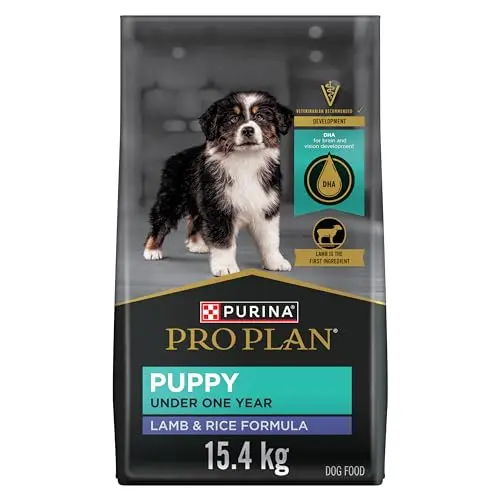
Pro Plan Development Lamb & Rice – Gentle All-Breed Formula
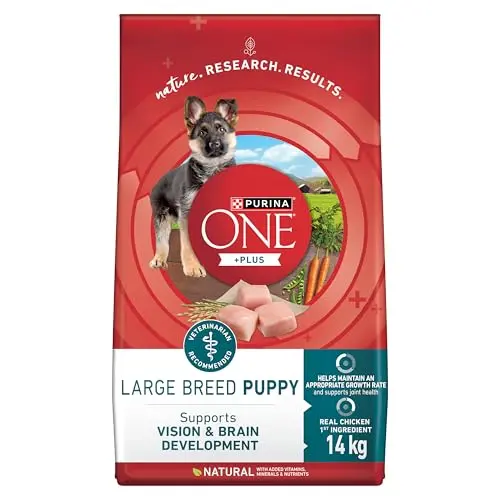
Purina ONE +Plus Large Breed Puppy – Joint Support & Brain Health
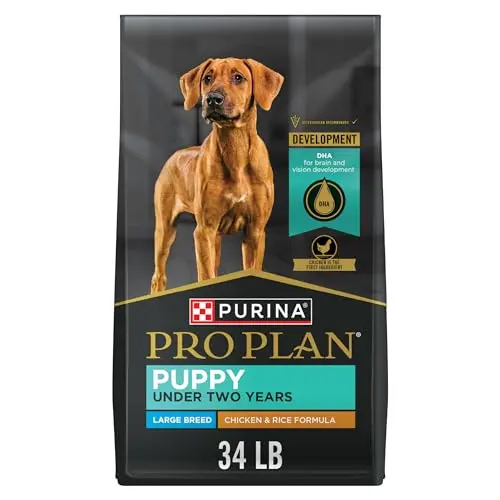
Pro Plan Large Breed Chicken & Rice – DHA & Probiotic Power
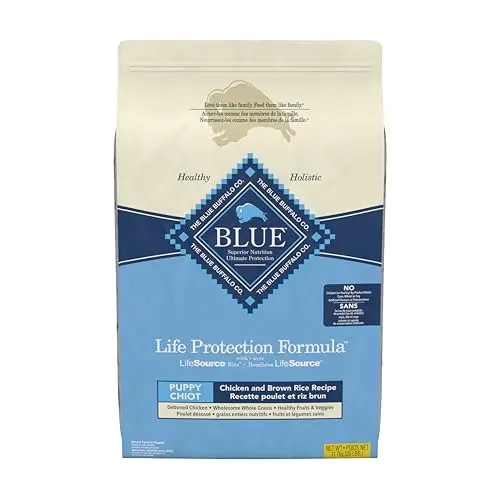
Blue Buffalo Life Protection Puppy Chicken & Brown Rice – Natural With LifeSource Bits
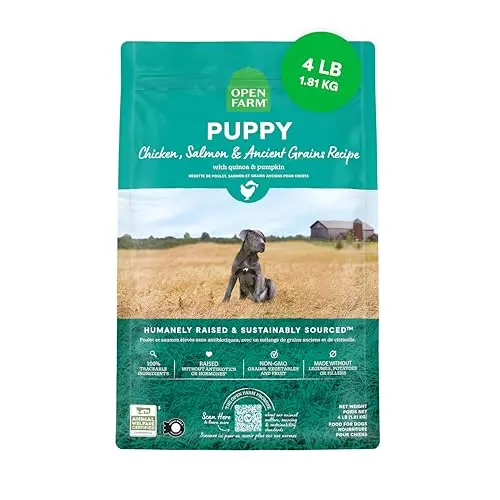
Open Farm Ancient Grains Puppy Chicken & Salmon – Traceable Grain-Inclusive Recipe
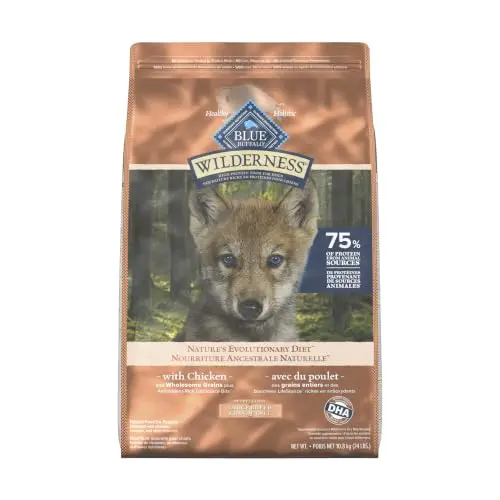
Wilderness High Protein Large Breed Puppy – 35% Protein & Glucosamine
How We Evaluated These Foods for a Great Pyrenees Puppy
We didn’t run university lab analysis or long-term growth trials on these kibbles. What we did: cross-referenced 6 dry foods from 4 distinct brands across five decision axes – protein quality and source, DHA/ARA content for brain development, joint-supporting nutrients like glucosamine, calcium-to-phosphorus ratio for safe growth, and overall digestibility. We triangulated published specifications, aggregated owner feedback where available, and use-case fit against a representative Great Pyrenees puppy profile.
The scoring framework weighted real-world performance (60%) – how well each formula actually delivers on growth needs and digestive comfort – against feature differentiation (40%) – unique ingredient advantages, breed-specific tuning, and formulation distinctions. We have no commercial relationship with any of the brands featured; recommendations track fit and differentiation, not brand preference. If you’re looking for a single dependable food, the Pro Plan Lamb & Rice is our top pick; if budget is your priority without sacrificing joint support, the Purina ONE Large Breed gets you there.
How to Choose the Right Food for a Great Pyrenees Puppy
Why Large Breed Puppy Food Matters
Great Pyrenees puppies grow at a staggering pace, often doubling their birth weight within the first week and adding several pounds a month thereafter. That rapid growth puts immense stress on developing bones and joints, which is where large breed puppy formulas earn their keep. Unlike standard puppy foods, these products carefully control the calcium-to-phosphorus ratio (typically keeping it close to 1.2:1) and moderate caloric density to prevent hypertrophic bone disorders. Feeding a regular all-breed puppy food to a pyr can inadvertently speed up growth, increasing the risk of hip dysplasia and elbow issues down the line. While some high-quality all-breed foods can work if you monitor growth closely, a purpose-built large breed formula removes much of the guesswork and gives that giant frame the slow, steady development it needs.
Key Nutrients Your Great Pyrenees Puppy Can't Skip
Look beyond protein percentages – Great Pyrenees puppies need specific nutrients in the right amounts. DHA (docosahexaenoic acid), an omega-3 fatty acid sourced from fish oil, is critical for brain and eye development during the first six months. Many formulas now mimic the DHA levels found in mother’s milk. Glucosamine and chondroitin, often naturally sourced from chicken meal or added directly, support joint cartilage and help that heavy body move comfortably. Antioxidants – vitamins E and C, selenium, and zinc – bolster a developing immune system. Probiotics are a welcome bonus for giant breeds prone to irregular digestion. Finally, don’t sleep on quality carbohydrates like rice, oatmeal, or barley: they provide sustained energy without empty fillers.
Purina Pro Plan vs. Blue Buffalo: Which Is Better for a Great Pyrenees?
Both brands offer compelling large breed options, but they take different approaches. Purina Pro Plan leans on decades of breed-specific research, using a mix of real meat and meat meals to pack protein, plus guaranteed live probiotics in every batch. Their large breed formulas are calibrated for steady growth and often come recommended by breeders. Blue Buffalo, on the other hand, courts owners with a no by-product meal, no corn/wheat/soy philosophy and adds LifeSource Bits for a nutrient boost. For a Great Pyrenees puppy, the edge goes to Pro Plan’s large breed lineup – its precision in balancing minerals and its robust owner feedback on digestive health give it a more proven track record. However, if you value ingredient panel transparency and can monitor growth, the Blue Buffalo Wilderness large breed formula is a promising high-protein alternative.
Common Feeding Mistakes With Giant Breed Puppies
Overfeeding is public enemy number one. Giant puppies don’t need to be chunky; an overweight pyr pup puts dangerous stress on developing joints. Stick to the feeding guide on the bag, but adjust based on your puppy’s body condition – you should be able to feel ribs without seeing them. Another misstep: switching foods too frequently. Great Pyrenees can be sensitive, so pick a formula and stick with it for at least 8-12 weeks to gauge digestion and coat condition. Finally, avoid grain-free diets unless a vet advises one. Recent research links grain-free foods to dilated cardiomyopathy in dogs, and giant breeds with legume-heavy alternatives seem particularly vulnerable. Grain-inclusive options like rice, oats, and barley are generally safer and provide the steady energy release a growing pyr needs.
Frequently Asked Questions
Should I feed my Great Pyrenees puppy large breed food?
Yes, it’s strongly recommended. Large breed formulas control the calcium-to-phosphorus ratio and calorie density to promote slow, steady growth – exactly what a giant breed puppy’s skeleton requires. Without it, rapid bone growth can lead to developmental orthopaedic diseases like hip dysplasia. While some all-breed foods happen to fall within safe ranges, a dedicated large breed puppy food removes the guesswork. If you do opt for an all-breed formula, consult your vet and monitor growth carefully with regular weigh-ins and BCS (body condition scoring).
What's the difference between Purina Pro Plan Large Breed and Purina ONE Large Breed?
Both are large-breed specific dry foods from Purina, but they sit at different points on the ingredient and price spectrum. Pro Plan (the Pro Plan Large Breed Chicken & Rice) includes tender meaty shreds for texture, a likely higher concentration of probiotics, and often uses chicken meal alongside real chicken. Purina ONE (the +Plus Large Breed Puppy) delivers strong nutrition at a more budget-friendly cost, with natural glucosamine sources and an antioxidant blend. Owners report similar digestive outcomes and coat quality, so the choice often comes down to budget and whether your puppy prefers the shredded texture. For a Great Pyrenees, either is a solid large-breed pick.
Do Great Pyrenees puppies need extra joint support?
Absolutely. Their rapid weight gain puts significant stress on developing hips, elbows, and knees. Look for foods that either naturally contain or are fortified with glucosamine and chondroitin. Formulas with chicken meal often provide some glucosamine naturally, but dedicated large breed foods like the Purina ONE Large Breed and Blue Buffalo Wilderness include explicit joint-support packages. Starting joint-focused nutrition early can help set up a lifetime of mobility.
Which food has better probiotics for digestion: Pro Plan or Blue Buffalo?
Purina Pro Plan explicitly includes guaranteed live probiotics in its formula, which is a stronger probiotic claim than Blue Buffalo’s LifeSource Bits – those bits are antioxidant and vitamin focused, not probiotic. Both brands receive positive feedback on stool quality, but Pro Plan’s direct probiotic inclusion gives it a predictable edge for digestive consistency in sensitive giant breeds. If your puppy struggles with loose stools or irregular digestion, the Pro Plan Large Breed Chicken & Rice is worth considering for that reason alone.
Is grain-free food safe for a Great Pyrenees puppy?
We would not recommend it. Current veterinary guidance links grain-free diets, especially those heavy in peas, lentils, and potatoes, to a potential increase in dilated cardiomyopathy (DCM) in dogs. Giant breeds may be particularly at risk. Stick with quality grain-inclusive options like the rice, oatmeal, and barley found in our top picks. If your puppy has a genuine grain allergy (rare in this breed), consult your vet for a tailored alternative.
Final Verdict
For most Great Pyrenees puppies, the Pro Plan Lamb & Rice earns the top spot – it’s protein-rich, probiotic-packed, and has a rock-solid reputation for digestive calm. If budget is front-of-mind but you refuse to cut corners on joint support, the Purina ONE Large Breed is your best value pick. For puppies with notably sensitive stomachs, the traceable, gentle-grain Open Farm Ancient Grains recipe is a conscientious upgrade. Whichever you choose, start with a large-breed perspective, measure meals, and watch your gentle giant grow into a healthy, happy companion.