
Bringing home a Havanese puppy is a joy – they’re smart, playful, and fiercely loyal. But with their tiny mouths and delicate digestive systems, choosing the right food can feel like a high-stakes puzzle. Pick the wrong formula and you might end up with a picky eater, loose stools, or worse, a puppy that doesn’t thrive.
The best food for Havanese puppies balances small-kibble convenience with nutrient-dense ingredients that support rapid growth, brain development, and a healthy immune system. We scoured the market to find the standout options – from tailor-made small-breed kibble to grain-inclusive recipes for sensitive tummies – so you can start your pup off right.
Best Food for Havanese Puppies – 2026 Reviews
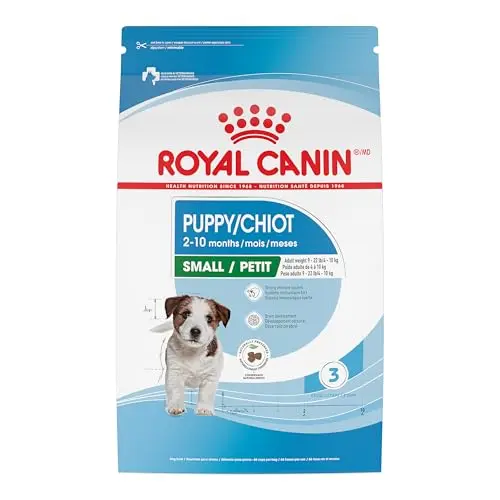
Size Health Nutrition Small Puppy – Tailored Small-Breed Formula
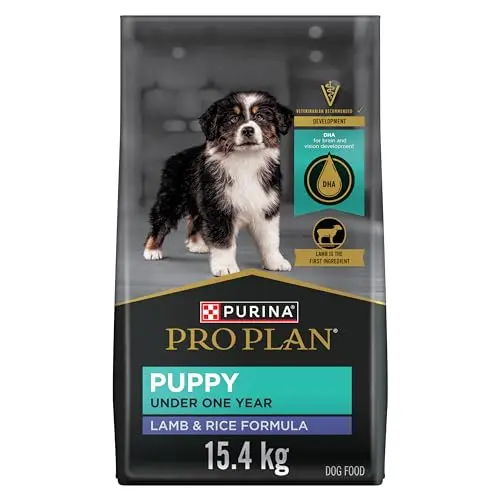
Development Lamb & Rice – All-Breed Puppy Food, Large Bag
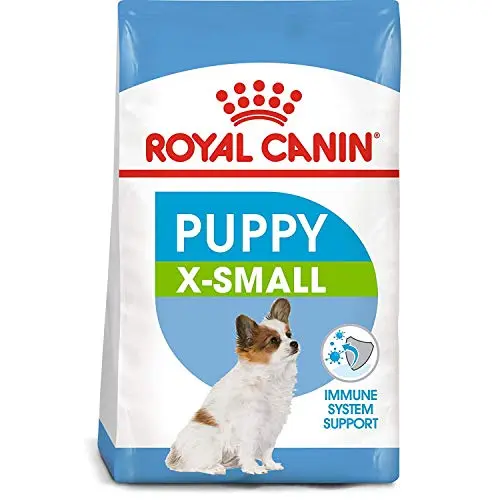
X-Small Puppy – For Tiny Pups Under 8 lbs
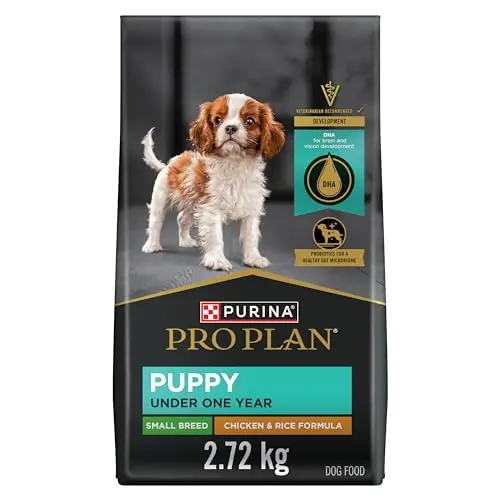
Small Breed Chicken & Rice – Bite-Sized Kibble
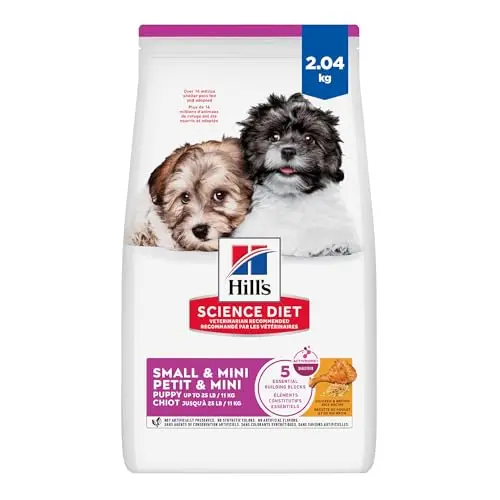
Small & Mini Chicken & Brown Rice – Trusted Vet-Formulated Nutrition
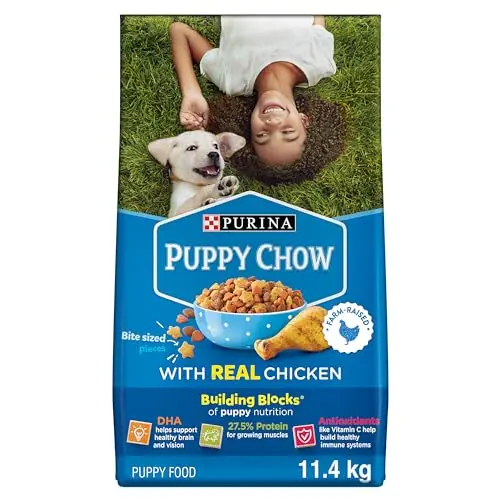
Complete Dry Puppy Food – Wallet-Friendly Nutrition
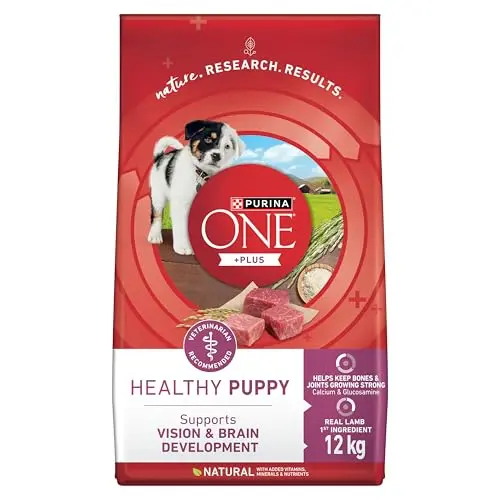
+Plus Healthy Puppy Lamb – SmartBlend Formula
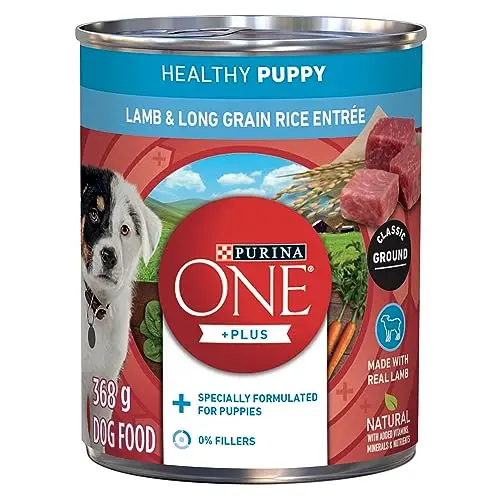
+Plus Lamb & Long Grain Rice Canned Food – Savoury Pâté
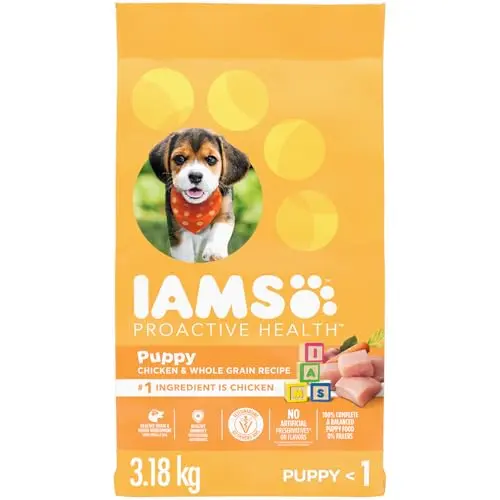
ProActive Health Chicken & Whole Grain – Balanced Everyday Nutrition
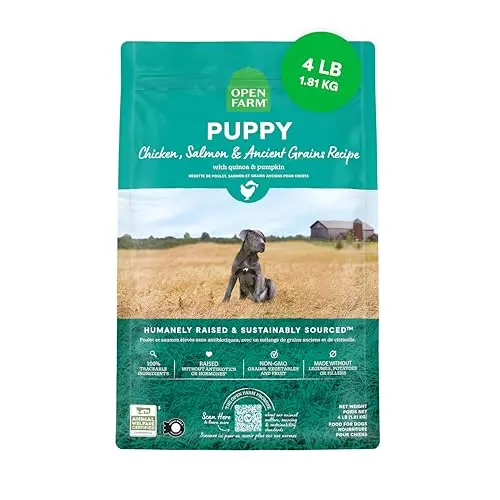
Ancient Grains Chicken & Salmon – Premium, Sensitive-Stomach Recipe
How We Evaluated These Foods for Havanese Puppies
We didn’t run controlled feeding trials or veterinary-supervised digestibility tests. What we did: cross-referenced 10 puppy foods from 5 distinct brands across 6 decision axes – kibble size and texture, protein quality and source, DHA and omega-3 content, digestive health support (probiotics/prebiotics), ingredient transparency, and owner satisfaction signals where available. We triangulated published specifications, ingredient lists, and aggregated owner feedback to map each product against the specific needs of a small-breed puppy like the Havanese.
The scoring framework weighted real-world performance for small breeds (60%) – how well the food aligns with Havanese-specific nutritional demands, kibble preferences, and digestive tolerance – against feature differentiation (40%) – unique technical advantages like live probiotics, novel proteins, or breed-specific formulation. We have no commercial relationship with any of the brands featured; recommendations track fit and differentiation, not brand preference. If you’re looking for a proven all-rounder, the Royal Canin Small Puppy is your match; if your Havanese struggles with chicken, the Pro Plan Lamb & Rice offers a gentler alternative.
How to Choose the Right Food for Your Havanese Puppy
Why Small Breed Puppy Food Matters for Your Havanese
Havanese puppies may be small, but they grow fast – and their nutritional needs are intense. A small-breed specific formula isn’t just marketing fluff; it typically means smaller kibble sizes that prevent choking and encourage chewing, as well as higher calorie density per cup to fuel their rapid metabolism. Without the right kibble dimensions, your puppy may struggle to eat or even skip meals.
Look for foods that explicitly state they’re for small or toy breeds. These often have balanced calcium and phosphorus levels to support healthy bone growth without causing developmental issues. The texture should be crunchy enough to help with dental health as those baby teeth fall out.
Essential Nutrients in the Best Puppy Food for Havanese
A growing Havanese brain needs DHA (docosahexaenoic acid), an omega-3 fatty acid found in fish oil and marine algae. It supports cognitive development, memory, and vision – all of which are critical during the first year. High-quality animal protein (chicken, lamb, or salmon) is another non-negotiable for building lean muscle and a healthy heart.
Don’t overlook antioxidants like vitamin C and E for immune support, and prebiotics or probiotics for digestive health. Havanese puppies are prone to sensitive stomachs, so a formula with easily digestible grains like rice or oatmeal – or a limited ingredient diet – can make a real difference in stool quality and overall comfort.
Dry vs. Wet Puppy Food: Which Suits Your Havanese?
Both formats have their place. Dry kibble is convenient, helps with dental hygiene through abrasive crunching, and tends to be more cost-effective. Most small-breed dry foods are now available in miniature kibble sizes that Havanese puppies can handle easily.
Wet or canned food is often more palatable – a lifesaver for picky eaters – and provides additional hydration, which is beneficial for puppies who don’t drink enough water. However, it’s less practical as a sole diet due to cost and dental plaque buildup. Many owners mix a spoonful of wet into dry food as a topper, combining the best of both worlds. If your Havanese consistently turns up his nose at kibble, the Purina ONE canned lamb recipe is worth trying.
Digestibility: Choosing a Puppy Food for Sensitive Stomachs
Loose stools, gas, and tummy gurgles are common complaints among Havanese parents. The culprit is often a poorly digestible ingredient or a sudden diet change. Look for foods with highly digestible proteins like lamb or salmon, and fibre sources such as rice, oatmeal, or ancient grains that are gentle on the gut.
Formulas with live probiotics (like those in Pro Plan) or prebiotic fibres (found in Royal Canin and Hill’s) can actively promote a healthy microbiome. When transitioning to a new food, do it gradually over 7-10 days, mixing increasing amounts of the new with the old. For puppies with confirmed sensitivities, a limited ingredient diet like Open Farm’s Ancient Grains recipe may be a game-changer.
Budget-Friendly Puppy Foods That Don't Skimp on Quality
You don’t need to spend a fortune to feed your Havanese well. Brands like Puppy Chow Complete and IAMS ProActive Health deliver complete and balanced nutrition at a fraction of the cost of premium lines. They may use chicken by-product meal instead of whole chicken, but that doesn’t mean they’re inferior – it’s still a concentrated protein source.
What you trade off is often ingredient refinement and specialised digestive aids. If your puppy tolerates a budget formula without issues, it’s a perfectly valid choice. Just ensure it still contains DHA, antioxidants, and appropriate calcium levels for growth. The 25 lb bag of Puppy Chow is one of the best value picks on the market for a Havanese.
Royal Canin vs. Purina Pro Plan vs. Hill's: A Puppy Food Face-Off
These three brands dominate the small-breed puppy category, and for good reason. Royal Canin leads with breed-specific tailoring – their kibble size and nutrient profiles are meticulously calibrated by expected adult weight. The Small Puppy formula (9-22 lbs) is a near-perfect match for most Havanese, while the X-Small is reserved for those under 8 lbs.
Purina Pro Plan counters with live probiotics and a choice of protein sources (chicken or lamb), giving you flexibility if allergies crop up. Hill’s Science Diet leans on its veterinary diet heritage and a strong antioxidant blend – it’s a trusted, if somewhat premium-priced, option. All three produce excellent results; the decision often comes down to your puppy’s taste preference and stool consistency on each. If you’re stuck, try a small bag of Royal Canin Small Puppy first – it’s the most universally accepted among Havanese we’ve seen.
Frequently Asked Questions
What's the difference between Royal Canin Small Puppy and Pro Plan Small Breed for my Havanese?
Both are excellent, but the kibble shape and size are the biggest differentiators. Royal Canin Small Puppy has a very small, ring-shaped kibble that’s easy for Havanese mouths to pick up and crunch. Purina Pro Plan Small Breed uses a slightly larger, flatter kibble that some puppies find less intimidating. Nutritionally, Royal Canin emphasizes prebiotics and highly digestible proteins for gut health, while Pro Plan leans on live probiotics and a chicken-first ingredient list. If your Havanese is a picky eater, Royal Canin tends to be more universally palatable; if you want the digestive insurance of live bacteria, go with Pro Plan.
Is Hill's Science Diet better than Purina Pro Plan for small breed puppies?
They’re neck and neck, but the choice often hinges on your philosophy and your puppy’s reaction. Hill’s Science Diet is formulated by veterinarians and nutritionists, with a strong emphasis on antioxidant blends and a prebiotic fibre system. It’s an excellent, science-forward food. Purina Pro Plan offers live probiotics and a higher protein content from real chicken (or lamb), which may benefit more active Havanese puppies. Some owners report firmer stools on Pro Plan due to those probiotics, while others find Hill’s more consistent. Try a small bag of each and monitor your puppy’s energy level, coat, and stool quality for two weeks.
Should I feed my Havanese puppy dry or wet food?
A combination often works best. Dry kibble is essential for dental health and is more economical. It also allows you to free-feed if you choose, though scheduled meals are better for housetraining. Wet food is a great appetite stimulant and can be mixed in as a topper – about a tablespoon per meal – to entice picky Havanese puppies. The moisture content also helps keep them hydrated. If your puppy refuses dry food entirely, a complete and balanced wet diet like Purina ONE Lamb & Rice is perfectly fine, just be prepared for a higher ongoing cost and extra attention to dental care.
How do I know if my Havanese puppy has a sensitive stomach?
Watch for consistent loose stools, gurgling noises, gas, or occasional vomiting after meals. Havanese are known to have delicate digestion, and a food that’s too rich or contains a protein they’re intolerant to (often chicken) can trigger symptoms. If you suspect an issue, switch to a limited ingredient diet with a novel protein like lamb or salmon, and avoid grains with gluten. Open Farm Ancient Grains and Pro Plan Lamb & Rice are both designed for easy digestion. Transition slowly and keep a food diary to identify triggers. If symptoms persist, consult your vet to rule out parasites or medical conditions.
Can I feed my Havanese a non-breed specific puppy food?
Yes, as long as it meets AAFCO standards for growth and you’re mindful of kibble size. An all-breed puppy food like Pro Plan Lamb & Rice or Purina ONE +Plus can work well, especially if your puppy needs a novel protein. The main risk is that the kibble may be too large, so you might need to break it up for a very young Havanese. Also, some all-breed formulas are less calorie-dense, so you may need to feed slightly more to meet energy needs. As long as your puppy maintains a healthy weight and has firm stools, a non-breed-specific food is a viable option.
Final Verdict
For most Havanese puppies, the Royal Canin Small Puppy is the clear winner – it delivers the precise kibble size, digestive support, and breed-appropriate nutrition that sets a solid foundation for life. If your puppy shows signs of chicken intolerance, the Pro Plan Lamb & Rice is a more gentle protein alternative with the added benefit of live probiotics. Budget-conscious families will get everything they need from the Puppy Chow Complete, while the Open Farm Ancient Grains is worth the investment if you value ingredient traceability and have a pup with a truly sensitive stomach. Whatever you choose, trust your puppy’s coat brightness, energy level, and stool quality – they’ll tell you more than any label can.