
Bringing home a fluffy Pomeranian puppy is equal parts joy and whirlwind. Those tiny bodies burn energy fast, and that means getting their nutrition right from day one is critical. But with so many puppy foods on the shelf, how do you pick one that’s actually designed for a toy breed?
It’s not just about smaller kibble – though that matters more than you’d think for that petite mouth. You’ll want a formula that supports rapid brain development, a sensitive digestive system, and the kind of steady energy a Pom pup needs. We cross-referenced eight top models from six brands, zeroing in on what really counts for your little lion dog.
Best Food for Pomeranian Puppies – 2026 Reviews
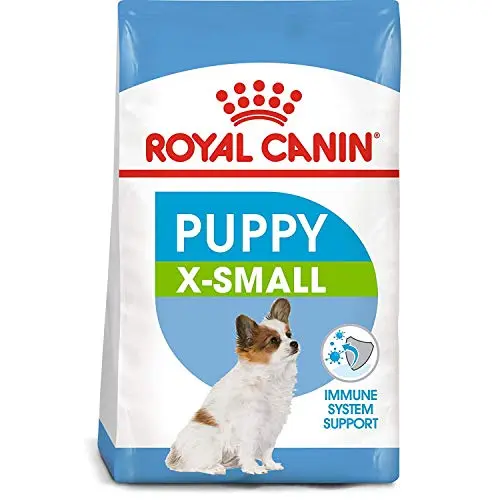
X-Small Breed Puppy – Tailored Nutrition for the Tiniest Pups
A breed-specific formula for puppies expected to weigh no more than 8 lbs as adults, making it an ideal match for dainty Pomeranians. The crunchy kibble is engineered for tiny jaws, while antioxidants and prebiotics support a developing immune system and gut health.
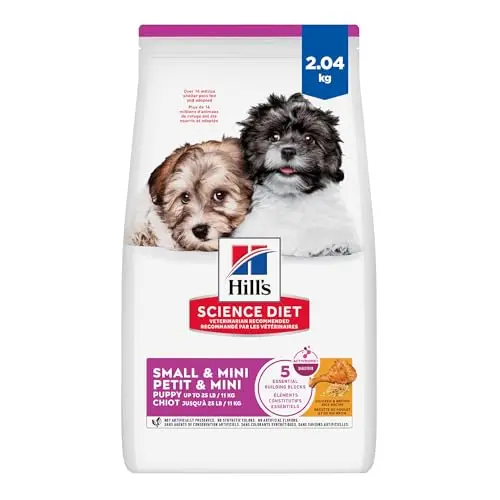
Puppy Small & Mini Chicken & Brown Rice – Balanced Nutrition with Prebiotic Support
A well-rounded small-breed formula from a brand trusted by veterinarians. The chicken-first recipe includes a prebiotic fibre blend for digestive health, while DHA and balanced minerals support brain and skeletal development. The kibble is appropriately sized for little mouths.
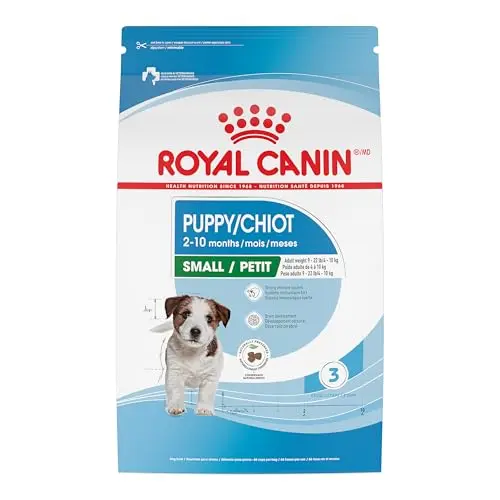
Size Health Nutrition Small Puppy – Targeted Support for Growing Small Breeds
Formulated for puppies with an expected adult weight of 9-22 lbs, this kibble still works for many Pomeranians – especially those on the larger end of the breed standard. It delivers immune support via antioxidants and digestive health through prebiotics and highly digestible proteins.
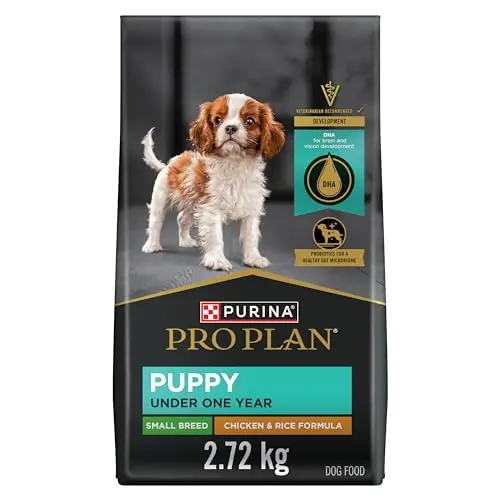
Development Small Breed Chicken & Rice – Affordable High-Protein Fuel
Real chicken leads the ingredient panel in this protein-packed small-breed kibble. It’s fortified with live probiotics for digestive and immune health, and the DHA from fish oil supports brain and vision development. The pellet size is designed for small jaws.
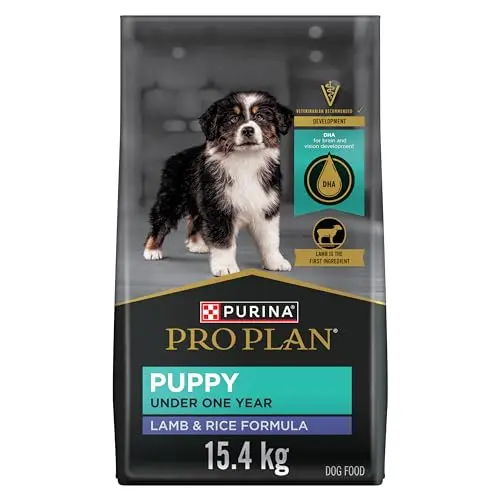
Development Lamb & Rice – Gentle Protein for Sensitive Tummies
This lamb-first formula is an all-breed puppy food that works well for Pomeranians, especially those with chicken sensitivities. It includes live probiotics and DHA from fish oil, and the kibble size is reported to be small and easy to handle.
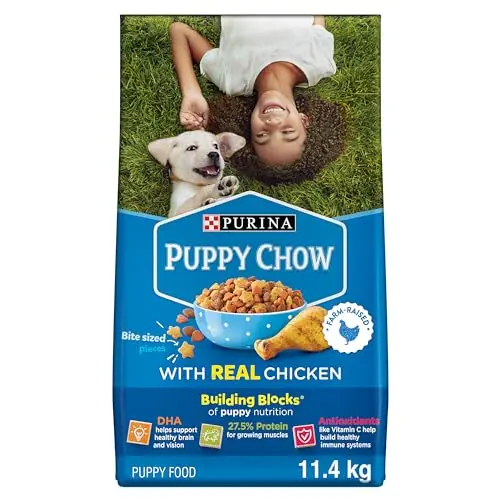
Complete with Real Chicken – All-Breed Starter Food on a Budget
A straightforward, budget-friendly option for puppies of all breeds. It provides essential nutrients, 27.5% protein for muscle growth, DHA for brain development, and antioxidants for immune support. The kibble size is on the medium side but manageable for many small breeds.
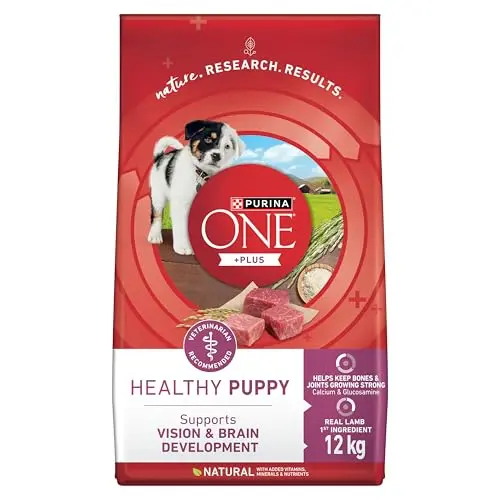
+Plus Healthy Puppy Lamb Formula – Digestive-Friendly All-Breed Nutrition
This lamb-based, all-breed puppy food uses rice and oatmeal for easy digestion and includes DHA for brain and vision development. It skips artificial fillers, and the kibble size is noted as working well for medium-sized breeds – potentially oversized for some Poms.
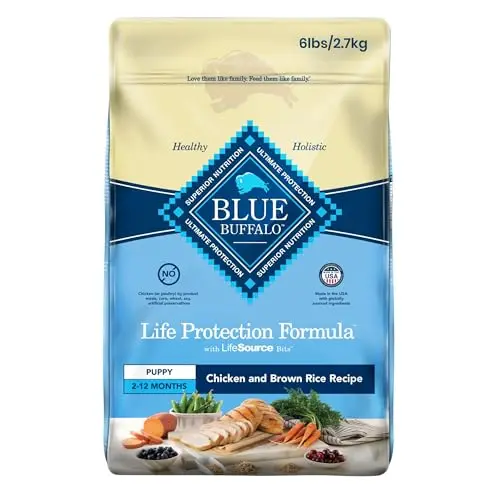
Life Protection Formula Puppy Chicken & Brown Rice – Wholesome Grains and LifeSource Bits
This natural puppy food starts with real chicken and includes wholesome grains like brown rice and oatmeal. The exclusive LifeSource Bits pack antioxidants into every serving, and the formula contains DHA and ARA for brain and eye development. Kibble size is on the smaller side but not toy-breed specific.
How We Evaluated These Foods for Pomeranian Puppies
We didn’t conduct feeding trials or veterinary-supervised growth studies. What we did: cross-referenced eight puppy food models from six distinct brands across five decision axes – kibble size and texture, brain-development support, digestive health, breed-appropriate formulation, and ingredient quality. We triangulated published specifications, aggregated owner feedback where available, and use-case fit against the specific needs of a growing Pomeranian puppy.
The scoring framework weighted real-world fit and digestibility (60%) – how well each food aligns with toy-breed requirements – against feature differentiation (40%) – unique benefits like added probiotics, DHA sources, and breed-specific engineering. We have no commercial relationship with any of the brands featured; recommendations track fit and differentiation, not brand preference. If you’re raising a tiny Pom, the Royal Canin X-Small Puppy is purpose-built for that role; if you want a trusted all-rounder at a friendlier price, the Purina Pro Plan Small Breed delivers on the essentials without stretching your wallet.
How to Choose the Right Food for Your Pomeranian Puppy
Why Kibble Size Matters for Toy Breeds Like Pomeranians
Pomeranians have tiny mouths and even tinier teeth, so kibble shape and hardness aren’t just conveniences – they’re deal-breakers. A kibble that’s too large or too hard will be ignored, or worse, could cause choking. Look for foods labelled small breed, toy breed, or mini, and check owner feedback for phrases like ‘perfect bite size’ or ‘small enough for my Pom.’ The Royal Canin X-Small Breed is engineered specifically for this, but even the Purina Pro Plan Small Breed gets consistent praise for its pellet size.
The Role of DHA in Puppy Brain and Eye Development
DHA (docosahexaenoic acid) is an omega-3 fatty acid found in mother’s milk, and it’s critical for cognitive and visual development in puppies. A quality puppy food will include DHA-rich fish oil or marine microalgae oil – some, like Royal Canin, even add multiple sources. Since Pomeranians are a quick-learning breed, giving their brain the right fuel early on can make training and socialization smoother. Every product we surveyed includes a DHA source, but the concentration and source quality vary.
Chicken vs. Lamb: Does Protein Source Matter?
Chicken is the most common first ingredient in puppy foods, and many Pomeranians do just fine on it. However, some toy breeds develop sensitivities to poultry proteins over time, leading to itchy skin or loose stools. If your Pom shows signs of intolerance, a lamb-based formula like Purina Pro Plan Lamb & Rice can be a gentler alternative. That said, high-quality chicken foods with prebiotics often prevent issues before they start – Hill’s Science Diet’s prebiotic fibre blend is a good example of this proactive approach.
Digestive Health: Why Prebiotics and Probiotics Are a Big Deal for Tiny Tummies
Pomeranian puppies have sensitive digestive systems that are easily upset by stress, diet changes, or low-quality fillers. Foods that include prebiotic fibres (like beet pulp or fructooligosaccharides) feed healthy gut bacteria, while live probiotics (found in Purina Pro Plan formulas) add good bacteria directly. A formula that supports gut health from the start means fewer messy accidents and a more comfortable puppy. Both Hill’s Science Diet and Royal Canin heavily feature prebiotic blends for this reason.
Breed-Specific vs. All-Breed Puppy Food: Does It Really Make a Difference?
Breed-specific foods aren’t just marketing – they factor in the growth rate, jaw size, and metabolic quirks of a particular size group. For example, Royal Canin X-Small Breed assumes a rapid growth curve that plateaus early, so the nutrient density and calorie content are calibrated for puppies that won’t get bigger than 8 lbs. All-breed foods, while nutritionally complete, can over- or under-supply certain nutrients for a toy breed. If your Pom is expected to stay under 8 lbs, a targeted food like Royal Canin X-Small is a safer bet. For larger Poms (9+ lbs), a small-breed formula like Royal Canin Small Puppy can work well.
How to Transition Your Pomeranian Puppy to Solid Food
Switching foods too fast is a recipe for diarrhoea. Start by mixing about 25% new food with 75% old food for a few days, then shift to a 50/50 ratio, then 75/25, before going all-in. The whole process should take about 7-10 days. If you’re starting a brand-new puppy on solid food for the first time, moistening the kibble with warm water or puppy formula can help soften it and make it more appealing. Avoid free-feeding; Pomeranians need 3-4 small meals per day to maintain stable blood sugar.
Frequently Asked Questions
What's the difference between Royal Canin X-Small Puppy and Hill's Science Diet Small & Mini for Pomeranians?
Both are excellent, but they take slightly different approaches. Royal Canin X-Small is designed specifically for dogs with an expected adult weight under 8 lbs – it has the smallest kibble in our lineup and a metabolic profile tailored to rapid early growth that stops early. Hill’s Science Diet Small & Mini is formulated for small and miniature breeds more broadly, with a strong emphasis on prebiotic fibre for digestive health and a trusted veterinary diet heritage. For a purebred Pomeranian expected to stay under 5-6 lbs, Royal Canin’s precision is tough to beat. If your Pom might tip the scales closer to 8-10 lbs, or if digestive regularity is your top concern, Hill’s is a smart pick.
How does Purina Pro Plan Small Breed compare to Royal Canin Small Puppy for a Pomeranian?
Purina Pro Plan Small Breed delivers high protein with live probiotics for digestive and immune health at a more accessible price point. Its kibble size is very well-suited to small mouths, though not quite as tiny as Royal Canin X-Small. Royal Canin Small Puppy is designed for puppies that will reach 9-22 lbs as adults – slightly larger than the average Pom – but it includes marine microalgae oil as an additional DHA source and has a crunchy texture for dental health. If your Pomeranian will likely stay smaller (under 8 lbs), go with the Pro Plan or consider the X-Small Royal Canin. If you have a larger Pom lineage, Royal Canin Small Puppy is appropriate and includes premium cognitive support.
How many times a day should I feed my Pomeranian puppy?
Due to their fast metabolism and tiny stomachs, Pomeranian puppies need three to four small meals per day up to about six months of age. This frequent feeding schedule helps prevent hypoglycaemia (low blood sugar), which can be dangerous for toy breeds. Always measure portions according to the weight guidelines on the food packaging, and split the total daily amount into those 3-4 servings. After six months, you can gradually transition to two meals per day.
Can I feed my Pomeranian puppy grain-free food?
There’s no inherent need for most Pomeranian puppies to eat grain-free. In fact, grains like brown rice, oatmeal, and barley provide digestible carbohydrates for energy and fibre. The recent FDA investigation into a potential link between grain-free diets and canine dilated cardiomyopathy (DCM) has made many veterinarians more cautious. Unless your puppy has a confirmed grain allergy (rare), a diet with wholesome grains is perfectly healthy. All the foods in our roundup except one (if any) include grains, and they’re selected for gentle digestion.
Final Verdict
For most Pomeranian puppies, the Royal Canin X-Small Breed Puppy is the ideal match – it’s built from the ground up for the tiniest dogs and doesn’t cut corners on brain or digestive support. If you’re looking to save a few dollars without sacrificing quality, the Purina Pro Plan Small Breed covers all the essentials with the added benefit of live probiotics. And for those who want a trusted, balanced formula with a pedigree of veterinary science, the Hill’s Science Diet Small & Mini remains a sterling choice. Wherever you land, stick to a small, frequent feeding schedule and watch that fluffy pup thrive.