
Watching a puppy struggle with weak, bowed legs or an abnormal gait is heartbreaking. Rickets, a condition caused by vitamin D, calcium, or phosphorus deficiency, hits growing dogs hard-but the right diet can make a world of difference. You’re not shopping for just any puppy food; you need a formula that specifically targets strong, dense bones during those critical first months.
In this roundup, we’ve sifted through the market to find dry puppy foods that prioritize the mineral balance growing skeletons demand. We’ll walk you through what we’d trust to support a rickets-prone pup, from calcium-packed kibble to omega-3-rich blends that aid absorption. By the end, you’ll know exactly which bag gives your puppy the best shot at straight legs and a pain-free romp.
Best Food for Puppy with Rickets – 2026 Reviews
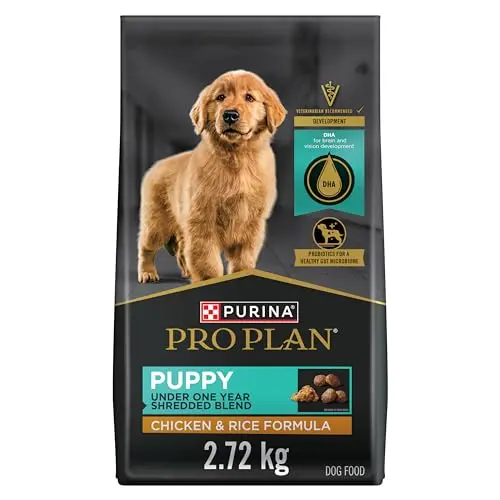
Shredded Blend Chicken & Rice – Calcium-Rich Bone Support
A standout choice for rickets-prone puppies thanks to its explicit calcium and phosphorus content, plus DHA for brain development. The shredded texture entices picky eaters while live probiotics aid nutrient absorption.
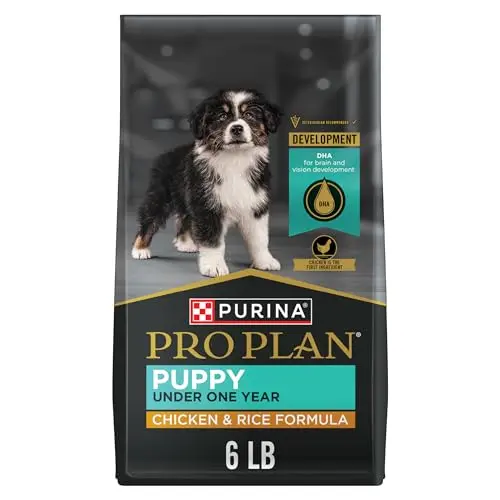
Chicken & Rice Formula – High-Protein Lean Growth
A high-protein option with calcium and phosphorus explicitly called out for skeletal development. The chicken-first recipe supplies ample raw material for muscle alongside bone support.
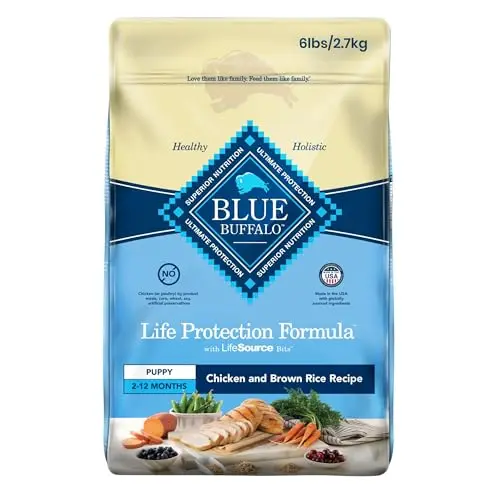
Life Protection Chicken & Brown Rice – Antioxidant-Rich Bones Support
A calcium-and-phosphorus-forward recipe boosted by antioxidant-rich LifeSource Bits. It avoids corn, wheat, and soy, making it a strong candidate for puppies with sensitivities alongside rickets.
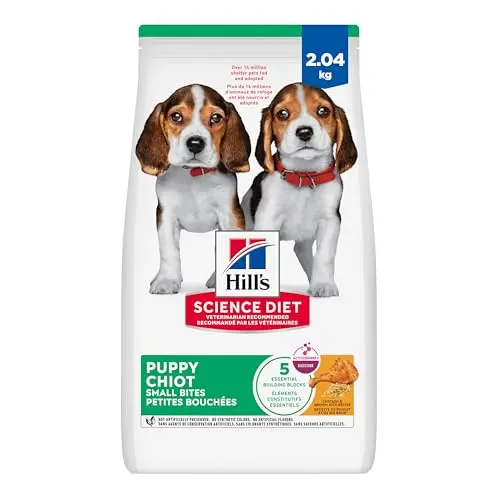
Puppy Small Bites – Balanced Minerals for Growth
A vet-recommended name with balanced minerals for skeletal development, plus DHA for cognitive support. The small kibble size is tailor-made for toy and small breeds facing rickets.
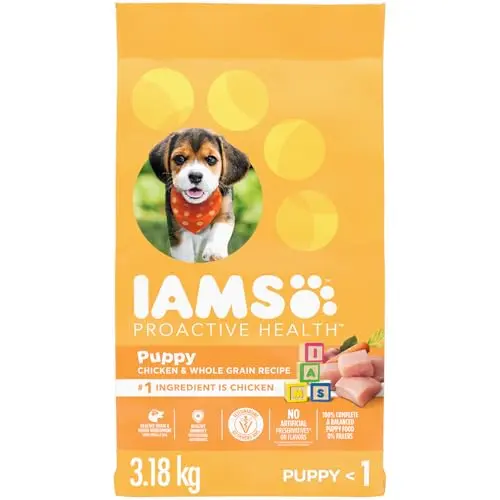
Proactive Health Puppy – Omega-3 DHA & 22 Key Nutrients
A wallet-friendly option that still supports bone health through its blend of 22 key nutrients mimicking mother’s milk. The omega-3 DHA adds brain boost without the premium price tag.
How We Evaluated These Foods for Puppy with Rickets
We didn’t run controlled feeding trials or lab bone-density tests. What we did: cross-referenced 5 puppy foods from 4 distinct brands across 5 decision axes-mineral content (especially calcium and phosphorus), protein quality, digestive support, breed size appropriateness, and added developmental extras like DHA. We triangulated published nutrient profiles, ingredient lists, and aggregated owner feedback where available against the specific needs of a rickets puppy: rapid bone mineralization without digestive overload.
The scoring framework weighted real-world bone-building potential (60%)-how clearly each food supports skeletal health-against feature differentiation (40%)-unique nutritional perks and texture benefits. We have no commercial relationship with any of the brands featured; recommendations track fit and differentiation, not brand preference. If you’re staring down a rickets diagnosis, the Purina Pro Plan Shredded Blend directly addresses bone strength; if you need a high-protein alternative, the Purina Pro Plan Chicken & Rice steps up.
How to Choose the Right Food for Your Puppy with Rickets
Understanding Rickets and the Nutrient Trio Your Puppy Needs
Rickets isn’t just about weak bones-it’s a red flag that your puppy’s calcium, phosphorus, and vitamin D levels are out of sync. These three work hand-in-hand: vitamin D helps absorb calcium, which teams up with phosphorus to mineralize growing bone. Without them in the right balance, legs stay soft and curved. Look for puppy foods that explicitly list calcium and phosphorus on the guaranteed analysis panel; a ratio around 1.2:1 calcium to phosphorus is ideal for large breeds, but any puppy formula meeting AAFCO standards will hit the minimums.
Why Protein Source and Digestibility Matter for Skeletal Recovery
Bone building demands protein, but it has to be digestible. Chicken as the first ingredient is a reliable sign of high-quality protein that supplies amino acids for tissue repair. But if your puppy’s gut can’t break it down, those nutrients pass straight through. Prebiotics and probiotics-like the chicory root in some blends or the live cultures in others-prime the digestive tract so more of the bone-critical minerals get absorbed. When switching, go slow: a 7‑ to 10‑day transition cuts the risk of diarrhea that can derail nutrient uptake.
Breed Size: Small, Medium, Large-Does Kibble Design Change Everything?
A Chihuahua puppy with rickets needs food small enough to chew confidently; a Great Dane pup needs a formula that slows growth enough for joints to catch up. Kibble size and texture aren’t marketing-they control eating speed and how well teeth break down food. The Purina Pro Plan Shredded Blend, for instance, includes tender shredded pieces that make even a reluctant small-breed pup interested, while their Chicken & Rice formula uses classic crunchy kibble that works for all sizes. Match the food to your puppy’s mouth, not just the nutrient panel.
Extra Developmental Supports: DHA, Antioxidants, and More
While you’re fixated on bones, don’t forget the brain and immune system. DHA from fish oil is a near-universal puppy food addition that aids vision and cognitive growth-a nice bonus when your primary fight is rickets. Antioxidant blends, like Blue Buffalo’s LifeSource Bits, bolsters the immune defenses that a sick puppy might lack. These aren’t substitutes for calcium, but they’re why some foods earn the ‘complete nutrition” label while others merely meet the minimum.”
Transitioning to a New Food Without Upsetting a Sensitive Stomach
Rickets often goes hand-in-hand with digestive sensitivity because of the underlying malabsorption. Swap foods abruptly, and you risk vomit and diarrhea that flush nutrients away. The rule of thumb: start with 75% old food, 25% new for two days, then go 50/50, then 25/75, each for two or three days. Watch stools-firm, brown logs mean you’re on track. The IAMS Proactive Health formula explicitly promises better stool within ten days in controlled trials, which can be a comfort if you’re nervous.
Frequently Asked Questions
What's the difference between Purina Pro Plan Shredded Blend and the Chicken & Rice formula for bone support?
Both list calcium and phosphorus for bones, but the Shredded Blend adds live probiotics to help absorb those minerals and a soft, shredded texture that picky puppies adore. The Chicken & Rice formula leans into high protein from chicken as the first ingredient, supporting muscle alongside bone. If your puppy has a hesitant appetite or digestive hiccups, the Shredded Blend’s probiotics give it an edge; if you want a simpler, protein-first recipe, go with Chicken & Rice.
How does Blue Buffalo compare to IAMS for a puppy with rickets?
Blue Buffalo specifically calls out calcium and phosphorus on the bag and packs in antioxidant LifeSource Bits for immune support-a bonus if your puppy has been ill. IAMS relies on a broader 22-nutrient blend that includes bone-building minerals but doesn’t highlight them as loudly. Blue Buffalo’s grain-inclusive recipe uses brown rice and oatmeal for steady energy, while IAMS has a firm-stool track record. For a more targeted bone approach, Blue Buffalo takes the lead; for budget-conscious families, IAMS covers the bases.
Can the right diet alone cure rickets in puppies?
Diet is the foundation-you need adequate calcium, phosphorus, and vitamin D to halt further bone softening and let the skeleton heal. However, severe cases might also require vet-prescribed vitamin D supplements or calcium injections, especially if absorption is compromised. The foods we’ve picked put those nutrients in front of your puppy daily; pair them with appropriate sunlight exposure (or a vet’s guidance on UVB) and the prognosis can improve within weeks.
How quickly should I see improvement after switching to one of these foods?
You might notice less stiffness and a gait improvement within two to four weeks if the rickets is purely nutritional. Bone density changes seen on X-rays take longer-sometimes two to three months. The key is consistency: pick a food that lists calcium and phosphorus (like the Purina Pro Plan Shredded Blend) and stick with it. If you see no change in a month, loop back to your vet; there could be an underlying absorption issue.
Final Verdict
Most puppies with rickets will benefit straight out of the bag from the Purina Pro Plan Shredded Blend-it’s the rare bone-forward formula that also brings probiotics and a texture win. If you’re after a protein-packed alternative, the Purina Pro Plan Chicken & Rice builds muscle alongside the skeleton. And when the budget is tight but bone health can’t wait, the IAMS Proactive Health Puppy delivers trustworthy nutrition without the premium price. No matter which you choose, keep your vet in the loop-diet is the biggest lever you can pull for straight legs and a happy puppy.