
Feeding your dog shouldn’t mean choosing between your budget and your values. The good news? There’s a growing list of dog foods that deliver on both affordability and sustainability – without cutting corners on nutrition. Whether you’re looking for wild-caught salmon recipes, grain-free options, or just a clean ingredient panel at a fair price, the market has stepped up.
Sustainability in dog food often means responsibly sourced proteins, limited processing, and no artificial additives. But it also has to fit your wallet month after month. In this guide, we cut through the greenwashing and the premium pricing to spotlight affordable, sustainable picks that real owners trust – across brands and formulas. Let’s find the right bowl for your pup.
Best Affordable Sustainable Dog Foods – 2026 Reviews
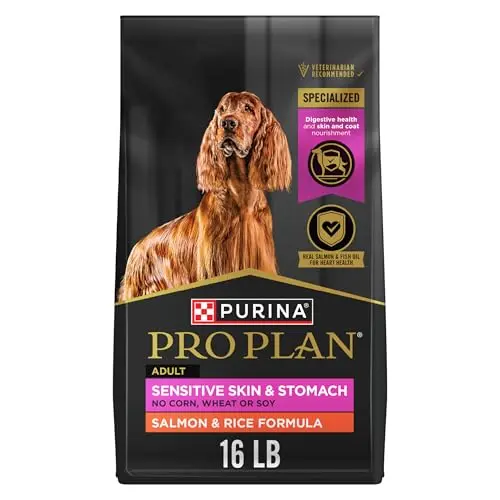
Sensitive Skin & Stomach – Gentle Digestion Support
Salmon-first formula with prebiotic fiber and no artificial colours or flavours. Designed to nourish sensitive dogs from the inside out – with a price that makes it a practical long‑term choice.
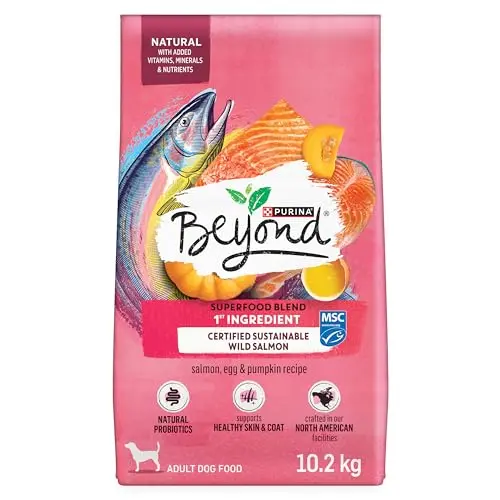
Superfood Blend – Wild-Caught Salmon Recipe
Wild‑caught salmon, whole egg, and pumpkin power this nutrient‑dense formula that skips corn, wheat, soy, and poultry by‑product meal. A standout for owners who want both eco‑conscious sourcing and real affordability.
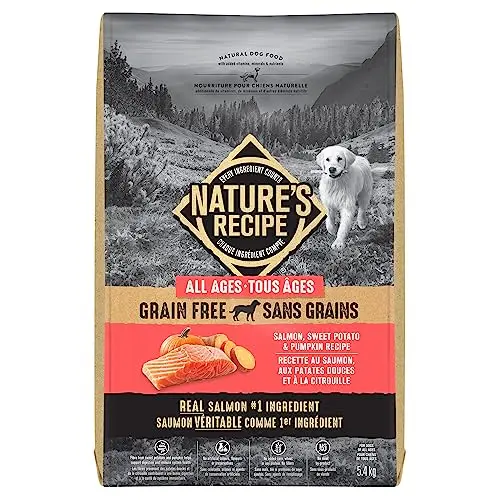
Grain Free Salmon, Sweet Potato & Pumpkin – Wholesome Goodness
Grain‑free recipe with salmon as the first ingredient, sweet potato, and pumpkin. No artificial colours, flavours, or preservatives – a clean, approachable bowl at a fair price.
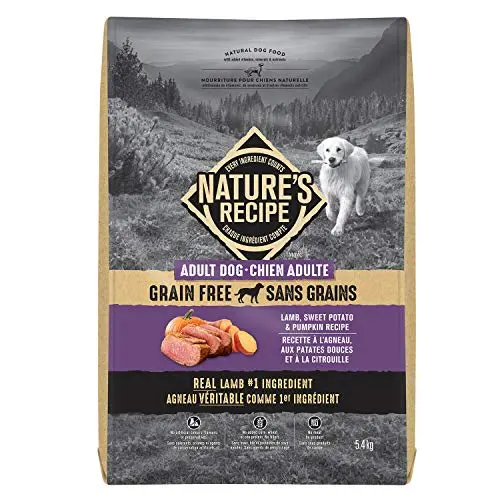
Grain Free Lamb, Sweet Potato & Pumpkin – Digestive Health Support
Lamb‑first grain‑free formula rich in fibre from sweet potato and pumpkin, plus natural glucosamine sources. A gentle pick for dogs with delicate stomachs.
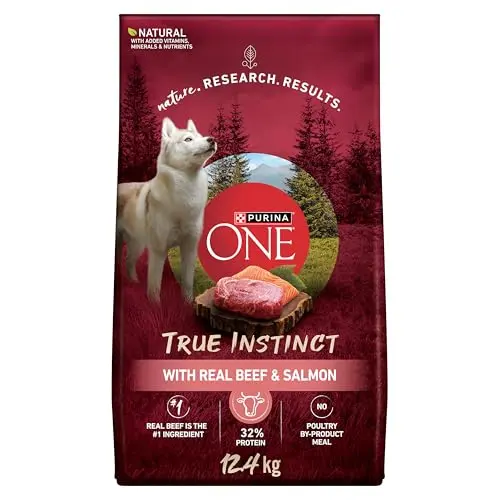
True Instinct High Protein Beef & Salmon – Lean Muscle Power
Real beef is the first ingredient, backed by salmon for a 32% protein boost. No poultry by‑product meal, artificial flavours, or preservatives – a meaty formula that fuels active dogs.
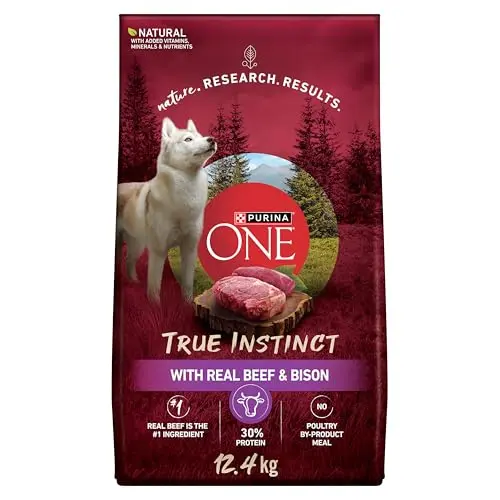
True Instinct High Protein Beef & Bison – Budget-Friendly Protein
Beef and bison combine for a high‑protein, all‑natural recipe with no poultry by‑product meal. The lowest per‑kg cost in our lineup, without sacrificing ingredient integrity.
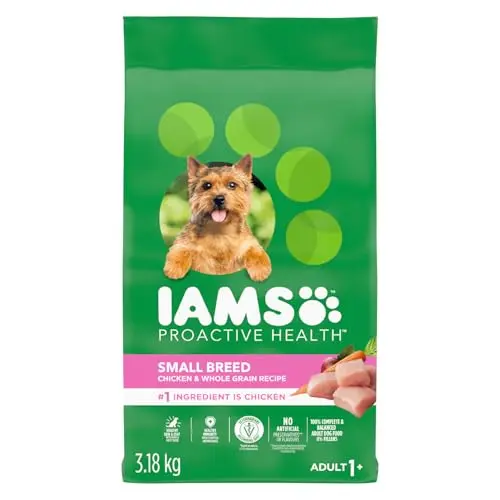
Proactive Health Small Breed Chicken & Whole Grain – Tailored for Tiny Tummies
Chicken‑first kibble in a smaller size, designed for dogs under 20 lbs. Zero fillers, artificial flavours, or preservatives – a straightforward option at a low entry price.
How We Evaluated These Affordable Sustainable Dog Foods
We didn’t analyze the carbon footprint of every supply chain. What we did: cross‑referenced 7 dog food models from 5 distinct brands across 6 decision axes – protein sourcing transparency, presence of artificial additives, use of fillers like corn/wheat/soy, digestive health support, price accessibility, and breed‑specific formulation. We triangulated published specifications, aggregated owner feedback where available, and use‑case fit against representative buyer profiles – from eco‑conscious families to multi‑dog households on a strict budget.
The scoring framework weighted real‑world sustainability and affordability (60%) – how well each option walks the talk on clean ingredients and value – against feature differentiation (40%) – unique protein sources, added prebiotics, or grain‑free design. We have no commercial relationship with any of the brands featured; recommendations track fit and differentiation, not brand preference. If your dog has a sensitive system, the Pro Plan Sensitive Skin & Stomach is your match; if you’re after a wild‑caught sustainable protein at a budget price, the Beyond Superfood Blend delivers.
How to Choose the Right Affordable Sustainable Dog Food
What Does 'Sustainable Dog Food" Actually Mean?
Sustainability in dog food is rarely black and white. Look for transparent protein sourcing – terms like wild‑caught salmon or grass‑fed beef – and recipes that avoid fillers like corn, wheat, and soy, which have higher environmental footprints. Minimal processing and no artificial colours, flavours, or preservatives are also good signs. Some brands also use recyclable packaging, though that’s harder to verify from the bag alone. In practice, a sustainable pick balances ethical ingredient sourcing with a formula that doesn’t harm your dog’s long‑term health.
Setting Your Budget Without Sacrificing Quality
Affordable doesn’t mean cheap – it means the per‑meal cost fits your monthly spend without cutting corners on nutrition. Always compare the cost per kilogram or per serving, not just the bag price. Large bags (10‑12 kg) often drop the per‑kg price significantly; if you have storage space, buying in bulk is the fastest way to save. But be realistic: a 15 kg bag of premium grain‑free food that goes stale before your Shih Tzu finishes it isn’t a good deal. Match the bag size to your dog’s consumption rate, and don’t be afraid to set a hard spending cap – there are clean, nutrient‑dense options at almost every price point in today’s market.
Grain‑Free vs. Whole Grains: Which Is Better for Your Dog?
Grain‑free diets have exploded in popularity, but they’re not automatically healthier. For dogs without sensitivities, whole grains like brown rice and oatmeal provide steady energy and natural fibre. Grain‑free recipes replace grains with sweet potatoes, peas, or lentils – still carbohydrate‑rich, but often easier to digest for some dogs. The real red flag is filler grains (corn, wheat, soy) used as cheap protein substitutes. Whether you go grain‑free or grain‑inclusive, the first ingredient should always be a named meat source. If your dog doesn’t have a diagnosed allergy, don’t assume grain‑free is necessary – but if they’re itching or have loose stools, a carefully chosen grain‑free formula can be worth the experiment.
Protein Source and Digestibility
Not all proteins are created equal – and some are more sustainable than others. Salmon, especially wild‑caught, packs omega‑3s and often comes from better‑managed fisheries. Lamb and bison are less common but can be easier on sensitive stomachs, and their production tends to have a lower impact than feedlot beef. Chicken and turkey are affordable but watch for sourcing that avoids routine antibiotics. Look for ‘first ingredient” rules: if the label says ‘chicken meal” instead of just ‘chicken,” that’s not a downgrade – it’s a concentrated protein source. Formulations with added prebiotics or fibre (like pumpkin) improve digestibility, which means less waste and better nutrient absorption.
Natural Joint Support and Added Benefits
Many affordable sustainable foods now include natural glucosamine from chicken meal or specific joint supplements. For active or aging dogs, this is a hidden value – you’re getting mobility support without buying a separate joint treat. Omega‑3 and omega‑6 fatty acids from fish oils or sunflower oil improve skin and coat health, a common pitfall of cheaper foods. Look for recipes that explicitly mention these nutrients, and don’t ignore the small breeds – a kibble sized for a Lab won’t work for a Chihuahua, so seek out breed‑specific formulas if your dog is under 20 lbs.
Beyond vs. Nature's Recipe: Which Sustainable Brand Fits Your Dog?
Both Beyond and Nature’s Recipe lean heavily on natural ingredients and avoid artificial additives, but they differ in approach. Beyond prioritizes wild‑caught salmon and includes egg for an extra protein punch – ideal for active dogs and owners who want an overt sustainability claim. Nature’s Recipe offers both lamb and salmon grain‑free options with a focus on digestive health through sweet potato and pumpkin fibre. If your dog has a chicken sensitivity, Nature’s Recipe’s lamb formula is a strong alternative. For the best value per kilogram, Beyond’s larger bag sizes often edge ahead. Your choice hinges on whether wild‑caught sourcing matters most to you, or if grain‑free digestive support takes priority.
Frequently Asked Questions
Are affordable dog foods really sustainable?
Yes – if you know what to look for. An affordable dog food can still be sustainable when it uses responsibly sourced proteins (like wild‑caught salmon), avoids environmentally intensive fillers, and omits artificial preservatives. Price often reflects marketing and packaging more than ingredient quality. In our lineup, the Beyond Superfood Blend delivers a wild‑caught salmon recipe at a cost‑per‑kg that’s among the lowest tested, proving you don’t have to pay a premium for eco‑conscious choices.
What's the difference between Pro Plan Sensitive Skin & Stomach and Beyond Superfood Blend?
Pro Plan uses salmon as its first ingredient and adds prebiotic fibre specifically designed to soothe digestive issues and improve stool quality – making it ideal for dogs with diagnosed sensitivities. Beyond also leans on wild‑caught salmon but builds its recipe around a superfood blend (whole egg, pumpkin, oatmeal) and avoids all corn, wheat, and soy. Beyond’s sustainability claim is stronger thanks to explicit wild‑caught sourcing, while Pro Plan’s formula is more targeted for medical‑grade skin and stomach relief. If your dog is generally healthy and you want an ethical, wallet‑friendly food, go Beyond; if they need noticeable digestive help, Pro Plan is the safer bet.
How do Nature's Recipe Lamb and Purina ONE Beef & Bison compare?
Nature’s Recipe Lamb is grain‑free and built for dogs with protein allergies, using lamb as the sole animal protein and sweet potato/pumpkin for fibre. Purina ONE Beef & Bison is high‑protein but grain‑inclusive, with a strong value proposition – the lowest price per kilogram in our lineup. If your dog has a chicken sensitivity and needs a gentle, single‑protein source, Nature’s Recipe is the pick. If you’re feeding multiple large, active dogs and need to stretch your dollar, the beef‑bison formula packs more protein for less money, but it won’t solve food allergies as reliably.
Can I feed a small‑breed dog a large‑breed formula to save money?
Technically, yes – the nutritional profile is similar – but the kibble size will be wrong. Large‑breed kibble can be hard for toy and small dogs to crunch, leading to choking hazards or outright refusal. Stick to a small‑breed specific formula like the IAMS Proactive Health Small Breed if your dog is under 20 lbs. The bag may look smaller, but the cost per day is still competitive because small dogs eat far less.
Final Verdict
For the vast majority of dogs, especially those with finicky stomachs or skin issues, the Pro Plan Sensitive Skin & Stomach hits the bullseye – a salmon‑first recipe that genuinely calms digestive flare‑ups without a premium price tag. If sustainability is your top priority, the Beyond Superfood Blend offers wild‑caught salmon in a large, budget‑friendly bag. And for those seeking the lowest everyday cost, the Purina ONE Beef & Bison is the clear cut – a meat‑first, filler‑free diet that leaves more money in your pocket month after month. Pick the one that matches your dog’s size, sensitivities, and your values.