
Your German Shepherd’s dinner bowl is more than just fuel – it’s a daily decision that shapes their mobility, coat, and long‑term health. These loyal, high‑energy dogs need nutrition that matches their large‑breed frame and active lifestyle, but with so many bags on the shelf, it’s easy to get lost in marketing claims.
Joint support, digestive sensitivity, and breed‑specific kibble design separate the genuinely helpful formulas from the forgettable ones. This guide surveys the standout dry foods for adult German Shepherds – not from one brand’s lineup, but across the market – so you can pick with confidence.
Best Dog Food for German Shepherd Adults – 2026 Reviews
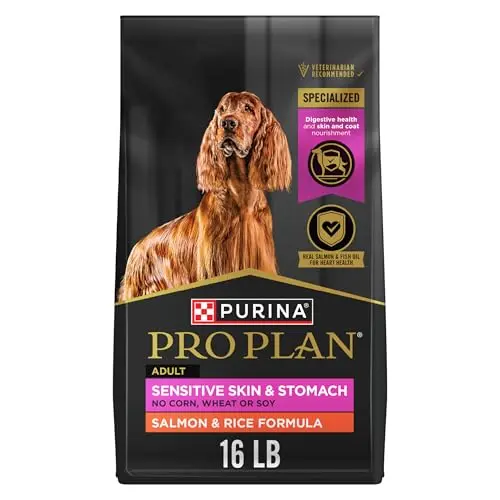
Sensitive Skin & Stomach Salmon & Rice – Digestive Health & Joint Support
A go‑to for German Shepherd owners managing irritable skin or finicky digestion, this salmon‑first formula uses oatmeal and prebiotic fibre to keep bellies calm. Omega fatty acids support coat shine and joint mobility, making it a practical daily staple for sensitive adults.
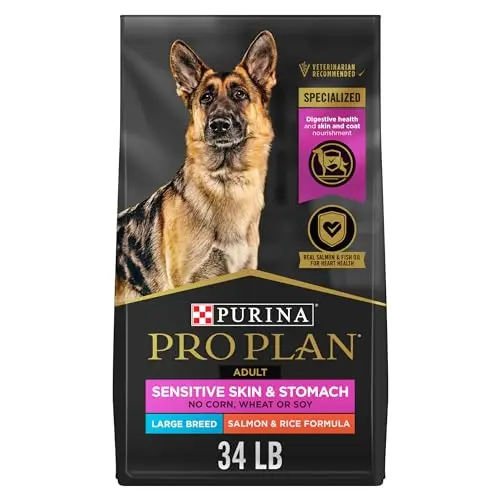
Large Breed Sensitive Skin & Stomach Salmon & Rice – Joint & Digestive Care
Purposely scaled for dogs over 25 kilograms, this large‑breed variant adds glucosamine and EPA to the proven sensitive‑stomach recipe. The sunflower oil keeps coats glossy, and the oat‑meal carb source stays easy on a Shepherd’s gut.
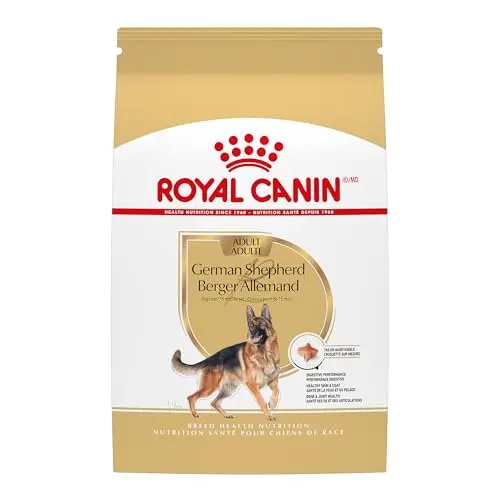
German Shepherd Adult – Precision Nutrition for the Breed
Designed from the ground up for the German Shepherd’s long muzzle and deep chest, this breed‑specific recipe uses a custom kibble shape to slow eating and includes glucosamine and chondroitin for joint resilience. Highly digestible proteins support sensitive digestion common in the breed.
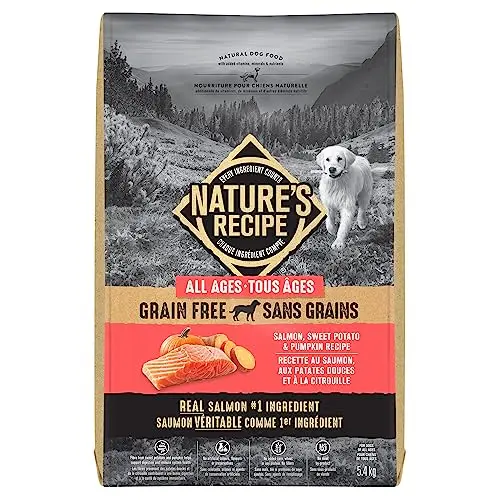
Salmon, Sweet Potato & Pumpkin – Grain‑Free Wellness
A straightforward grain‑free option that leads with salmon, this recipe leans on sweet potato and pumpkin for gentle digestion. It is often priced noticeably lower than premium grain‑free lines, making it an accessible choice for owners avoiding grains without a vet‑dose budget.
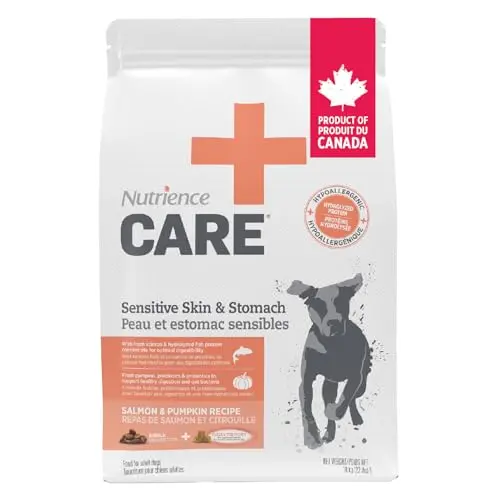
Care Sensitive Skin & Stomach Salmon – Local Ingredient Sensitivity Support
Made in Canada with fresh salmon, this limited‑ingredient formula targets dogs with food sensitivities and skin flare‑ups. A Digestiboost blend of pumpkin, chicory, turmeric, and ginger supports gut health, while coconut and salmon oil calm irritated skin.
How We Evaluated These Dog Foods for German Shepherd Adults
We didn’t run veterinary‑supervised feeding trials or long‑term mobility studies. What we did: cross‑referenced 5 leading dry dog food models from 4 distinct brands across 6 decision axes – ingredient quality, joint‑support actives, digestive tolerance, breed‑appropriate kibble design, skin‑coat nutrient density, and value for a large, active dog. We triangulated published specifications, ingredient panels, and aggregated owner feedback where available against the needs of a typical adult German Shepherd – a 30-40 kg dog with a predisposition to hip dysplasia, sensitive stomachs, and a tendency to bolt food.
The scoring framework weighted real‑world performance (60%) – how well each formula delivers on joint comfort, stool quality, and coat condition – against feature differentiation (40%) – unique technical advantages like breed‑size kibble, glucosamine‑chondroitin complexes, or limited‑ingredient sourcing. We have no commercial relationship with any of the brands featured; recommendations track fit and differentiation, not brand preference. If you’re managing a general sensitive‑stomach Shepherd, the Pro Plan Sensitive Skin & Stomach is the versatile pick; if joint health is your number‑one concern, the Large Breed variant earns its place.
How to Choose the Right Dog Food for German Shepherd Adults
Prioritise Joint Support for a Large, Active Frame
German Shepherds are poster pups for hip and elbow concerns, so joint‑focused nutrients aren’t optional. Look for explicit glucosamine and chondroitin on the ingredient panel, or at minimum a meaningful omega‑3 fatty acid source like fish oil or salmon. EPA and DHA help manage inflammation, which matters just as much in a five‑year‑old couch guardian as a working K‑9. If a food lists only generic ‘animal fat” as the oil source, it likely lacks the anti‑inflammatory punch your Shepherd’s joints want.
Sensitive Stomach Solutions: Protein and Fibre That Work
Loose stools and gurgly bellies are common in the breed, often tied to grain sensitivity or low‑quality protein. Single‑source animal protein like salmon or lamb, paired with prebiotic fibres (chicory root, beet pulp) and easily digestible carbs (oatmeal, sweet potato), can firm things up fast. The Nutrience Care formula’s Digestiboost blend is a good example of stacking gut‑soothing ingredients. Avoid corn and soy if your dog has a history of food‑related ear infections or paw licking.
Kibble Shape Matters More Than You Think
A German Shepherd’s long, strong muzzle isn’t just for show – it can encourage food gulping if the kibble is too small. Large, curved kibble designed for the breed’s bite pattern (like Royal Canin’s GSD‑specific shape) forces chewing, which slows ingestion, reduces bloat risk, and helps with dental tartar control. Even non‑breed‑specific large‑breed formulas typically have bigger pieces; check the bag’s ‘breed size” callout. If your dog finishes meals in under 90 seconds, a larger kibble is a simple upgrade.
Skin & Coat: The Omega‑6 to Omega‑3 Balance
Flaky, itchy skin can turn an affectionate Shepherd into a miserable mess. A proper omega‑6 to omega‑3 ratio (ideally between 5:1 and 10:1) supports the skin barrier and keeps the undercoat from going dull. Sunflower oil and salmon oil are reliable sources, as seen in the Pro Plan Large Breed and regular Sensitive Skin lines. Coconut oil, while trendy, provides mostly medium‑chain triglycerides; it’s a nice‑to‑have, not a substitute for omega‑3 DHA from marine sources.
Pro Plan vs Royal Canin: Which Path for Your German Shepherd?
This is the core decision in the roundup. Royal Canin German Shepherd is the purist’s choice – it’s calibrated to the breed’s unique anatomy and metabolic tendencies, and the digestive performance is top‑tier. Pro Plan (both all‑breed and large‑breed) offers broader availability and often a lower cost per meal, while still delivering solid joint and skin support. Choose Royal Canin if you want a single formula that reads like it was developed specifically for your dog’s muzzle and hips; go Pro Plan if you prefer brand familiarity and a flexible backup option that any large‑breed dog in the house can eat.
Frequently Asked Questions
Can a regular adult dog food work for a German Shepherd, or do I need a large‑breed formula?
A high‑quality all‑breed adult food can absolutely support a German Shepherd, especially if it includes joint‑support ingredients like glucosamine or omega‑3s. However, large‑breed formulas are typically calibrated with controlled calcium and phosphorus levels, which help maintain proper bone density in big dogs. If your Shepherd is prone to pano or you’ve had joint concerns in the past, the Pro Plan Large Breed variant is a sensible step up without switching brands.
Is grain‑free food safer for German Shepherds with sensitive stomachs?
Grain‑free isn’t universally safer – it depends on the individual dog. Some Shepherds thrive on grain‑inclusive formulas with oats and barley; others develop loose stools or ear infections until grains are removed. The Nature’s Recipe Salmon and Nutrience Care options in this roundup are grain‑free and use alternative carbs like sweet potato. A better marker is single‑source protein and prebiotic fibre: those are more likely to calm a reactive gut than simply ditching grains.
What's the real difference between Pro Plan Sensitive Skin & Stomach and the Large Breed version?
Both are salmon‑first recipes with oatmeal and prebiotic fibre for gentle digestion. The Large Breed formula adds glucosamine and a targeted EPA fatty acid dose for joint care, and the kibble is noticeably larger. The all‑breed version still provides omega‑3s but relies on the overall formula for mobility support. If joint health is top‑of‑mind, the Large Breed gives you more direct structural support.
How quickly can I switch my German Shepherd to a new food?
A gradual 7‑to‑10‑day transition is safest. Start with 25% new food mixed with 75% old for two days, then 50/50 for two days, then 75/25 for two days, finishing with 100% new food. German Shepherds often have sensitive stomachs, so watch for loose stool or loss of appetite. Adding a spoonful of pure pumpkin during the switch can buffer any digestive upset and is compatible with all the foods reviewed here.
Final Verdict
For the vast majority of adult German Shepherds, the Pro Plan Sensitive Skin & Stomach Salmon & Rice delivers the best balance of skin comfort, stool quality, and joint care without requiring a breed‑specific diet. If your dog’s joints are your primary concern – or you simply want the peace of mind that comes with a large‑breed formulation – step up to the Purina Pro Plan Large Breed version. Owners who want a food that treats their Shepherd’s anatomy as unique should look at the Royal Canin German Shepherd Adult. And if you’re after a budget‑friendly grain‑free option, the Nature’s Recipe Salmon covers the basics without stretching your wallet. No matter which you choose, pair it with consistent mealtime pacing and a good joint supplement for a Shepherd that stays active well into their senior years.