
There’s nothing worse than watching your dog struggle with an upset stomach – the rumbly gurgles, the messy cleanups, the picky turning-away from the bowl you just filled. You know a diet change could help, but walking down the pet food aisle and seeing a dozen canned options all promising digestive support? That’s overwhelming.
Canned dog food can be a game-changer for sensitive-tummy pups. It’s usually higher in moisture, often made with simpler ingredient lists, and many formulas skip the harder-to-digest bulk of some dry kibble. But not every can that says “digestive health” on the label actually delivers. We dug into the most talked-about sensitive-stomach wet foods across the market – comparing what goes into them, how they’re processed, and the real-world experiences of dog owners – to find the four standouts worth your attention.
Whether your dog deals with occasional loose stools, chronic gassiness, or a full-blown finicky gut, these picks balance gentle nutrition with ingredients that won’t trigger a flare-up. Here’s what we found – and which one might finally bring some peace to your dog’s belly.
Best Canned Dog Food for Dogs with Sensitive Stomachs – 2026 Reviews
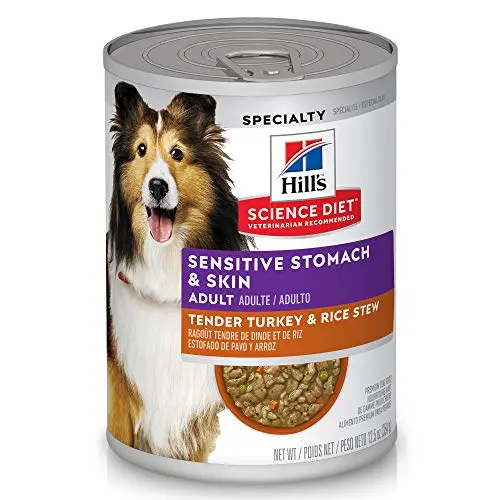
Sensitive Stomach & Skin Turkey & Rice Stew – Gentle Digestion Support
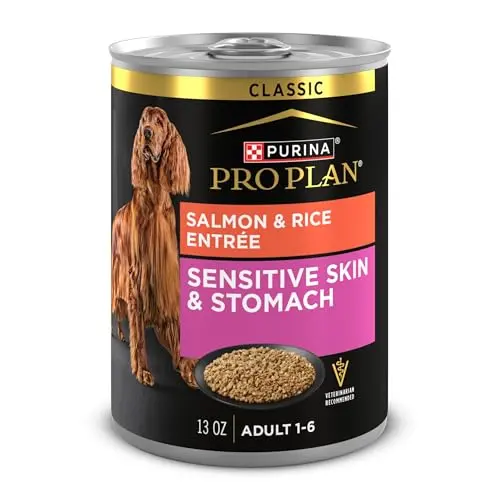
Sensitive Skin & Stomach Salmon & Rice Entree – Omega-Rich Digestion
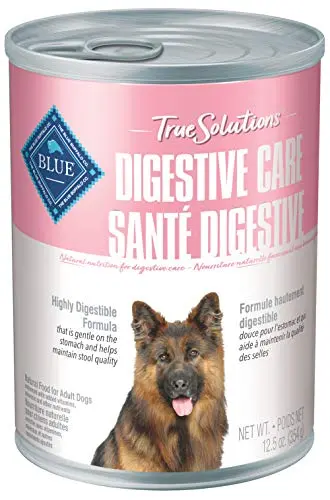
True Solutions Digestive Care – Prebiotic-Powered Gut Health

Sensitive Skin & Stomach Duck & Pumpkin Recipe – Hypoallergenic Limited Ingredient
How We Evaluated These Canned Dog Foods for Sensitive Stomachs
We didn’t run veterinary-supervised feeding trials or lab digestibility tests. What we did: cross-referenced 4 canned dog food models from 4 distinct brands across 6 decision axes – protein source and quality, added digestive support (prebiotics, omega fatty acids), ingredient avoidances (common allergens), moisture content and texture, owner-reported stool quality, and overall recipe simplicity. We triangulated published nutritional profiles, manufacturer specification sheets, and aggregated owner feedback where available to pressure-test each product’s claim to stomach gentleness.
The scoring framework weighted real-world performance (60%) – how consistently each formula settled sensitive stomachs without causing flare-ups – against feature differentiation (40%) – unique ingredients like prebiotic fibre, novel proteins, or skin-supporting nutrients. We have no commercial relationship with any of the brands featured; recommendations track fit and differentiation, not brand preference. If you want the most well-rounded sensitive-stomach staple, the Hill’s Science Diet Sensitive Stomach & Skin is your match; if budget is a priority without sacrificing digestive efficacy, the Purina Pro Plan Salmon & Rice gets you there for less.
How to Choose the Right Canned Dog Food for Sensitive Stomachs
Why Canned Food Can Be a Lifesaver for Sensitive Stomachs
Canned dog food inherently carries higher moisture content than dry kibble – typically around 78% versus 10-12% – which helps soften stools and keeps digestion moving smoothly. The gentle cooking process used in canning (often a slow-cook or steam method) can make proteins and carbohydrates more bioavailable, meaning less work for an inflamed gut. Many sensitive-stomach formulas are also grain-inclusive with highly digestible grains like rice or oatmeal, which provide gentle fibre without the abrasive effect some fibrous dry foods can have. If your dog has ever refused dry food during a stomach upset, the aroma and soft texture of a good canned food can be the difference between a skipped meal and a clean bowl.
Protein Source: Go Novel or Stick with Classics?
When a dog’s stomach is reactive, the type of protein is often the biggest variable. Turkey, chicken, and lamb are the most common and generally well-tolerated, but some dogs develop sensitivities to these after prolonged exposure. Novel proteins like duck, salmon, or even rabbit can be a revelation for dogs that haven’t been exposed to them – the immune system doesn’t recognize them as a threat, so the inflammatory response drops. Our top picks split the difference: the Hill’s uses familiar turkey, while the Purina leans on salmon as a slightly less common but still widely accepted fish protein. If you suspect a deeper food allergy, jump straight to the Nutrience or consider a rotational feeding plan with different proteins to prevent new sensitivities from forming.
Decoding Digestive Support Ingredients
Look beyond the “sensitive stomach” label and scan for specific functional ingredients. Prebiotic fibres (like chicory root, pumpkin, or inulin) feed beneficial gut bacteria and can firm up stools naturally – the Blue Buffalo formula leans heavily on this. Omega-3 and omega-6 fatty acids from fish oil or flaxseed fight inflammation in the gut lining and also calm itchy, flaky skin that often accompanies food sensitivities; the Purina and Nutrience put these front and centre. Avoid formulations with artificial colours, flavours, or preservatives – a dog with a sensitive stomach doesn’t need extra chemical noise. All four of our picks skip those, but always double-check the ingredient panel of any new food you try.
Texture Matters: Stew, Pâté, and Chunky Versus Smooth
Don’t overlook the physical form of the food. Smooth pâtés are easiest for dogs who gulp or have difficulty chewing, and they mix seamlessly with dry kibble. Stews with tender meat chunks can be more appealing to picky eaters and often have a stronger aroma, which can tempt a dog who’s been off their food. However, some stews are watery, and dogs may lick up the liquid and leave the solids – the Hill’s stew splits the difference well. The Nutrience is distinctly chunky, while the Blue Buffalo is a dense, spreadable pâté. Match the texture to your dog’s eating style, and don’t be afraid to mash or blend if needed.
Navigating Common Allergens and Fillers
Many sensitive-stomach cases are actually food intolerance reactions, not true allergies. Common triggers include chicken by-product meal, corn, wheat, and soy – not because they’re inherently bad, but because they’re so over-represented in dog food that dogs build up a reactivity. All four of our chosen formulas are free of these specific triggers. Grain-free isn’t necessarily better for sensitive stomachs – some grains like rice or oatmeal are extremely gentle – but if your dog has a confirmed grain intolerance, the Nutrience offers a grain-free path. The key is to choose a limited-ingredient or purposely simple recipe so you can isolate what works and what doesn’t.
Transitioning Your Dog to a New Canned Food Without Upset
Even the best sensitive-stomach food can cause temporary diarrhoea if you switch too fast. Follow a 7-day transition: days 1-2, replace 25% of the old food; days 3-4, go to 50%; days 5-6, 75%; day 7, 100% new food. Keep a consistent feeding schedule and don’t introduce any new treats or table scraps during this window. If stools soften, pause at the current ratio for an extra day before increasing. For dogs with extreme sensitivity, consider adding a probiotic supplement during the switch – it can buffer the gut against the microbial shift. All four of our picks are formulated to be a complete meal, so once transitioned you can feed them solo – though mixing in a bit of warm water to enhance the aroma never hurts.
Frequently Asked Questions
What's the difference between Hill's Science Diet Sensitive Stomach & Skin and Purina Pro Plan Sensitive Skin & Stomach?
Both are veterinary-recommended wet foods designed for adult dogs with digestive and skin issues, but they take slightly different tacks. Hill’s uses turkey and rice as its core and comes in a thinner stew that many picky dogs find irresistible; it emphasizes easily digestible ingredients and includes vitamin E and omega-6 for coat health. Purina Pro Plan leans on salmon and rice, offering higher levels of omega fatty acids from fish, which can have a stronger anti-inflammatory effect for some dogs. The Purina pâté is denser and slightly more calorie-efficient per can. Both avoid wheat, soy, and artificial additives, so the choice often comes down to protein preference – if your dog does well with poultry, Hill’s is a safe bet; if they need a break from chicken or benefit from fish oils, Purina is the smarter fork in the road.
Are all canned dog foods suitable for dogs with sensitive stomachs?
Definitely not. Many grocery-store canned foods are loaded with meat by-products, thickeners like carrageenan, and artificial flavours that can aggravate a sensitive gut. A true sensitive-stomach formula needs easily digestible animal protein as the first ingredient, limited additional protein sources (to minimise allergic reactions), and specific digestive aids like prebiotic fibre or omega fatty acids. Texture also plays a role – some dogs react to the binders used in grainy pâtés, while others need the high moisture of a stew to keep stools soft. Stick with products labelled “sensitive stomach” or “digestive care” and check for the AAFCO nutritional adequacy statement for maintenance. Our four picks all meet that standard, while many generic cans fall short.
Can I mix canned and dry food for my dog with a sensitive stomach?
Yes, and many owners find a combination works best. Mixing a spoonful of canned food with a high-quality sensitive-stomach dry kibble can boost palatability and increase overall moisture intake, which helps hydration and digestion. The key is to choose compatible formulas – both should be free of common irritants like corn, artificial additives, and by-products. If you’re transitioning to a mixed diet, introduce the canned portion gradually (see transition tips above). One practical approach: use the wet food as a topper or mixer for the dry, instead of feeding them as separate meals. This can stretch a pricier canned food while still delivering its stomach-soothing benefits.
How does Blue Buffalo True Solutions Digestive Care compare to Nutrience Sensitive Skin & Stomach?
These two target different sensitivity profiles. Blue Buffalo is a massive-can pâté (354 g) built around clinically proven prebiotic fibre to actively improve gut flora; it’s ideal for dogs with general digestive sluggishness or chronic soft stools who don’t have a defined food allergy. Nutrience, by contrast, is a hypoallergenic, limited-ingredient stew using novel proteins (duck and salmon) and pumpkin for gentle fibre – it’s better suited to dogs with suspected food allergies or intolerances where a reset is needed. The Blue Buffalo is more affordable per can and easier to find in a 12-pack; the Nutrience comes only in a two-pack, making it an expensive daily choice for a large dog. If gut health is your focus, go Blue; if you’re chasing an allergy, the Nutrience may be worth the premium.
How quickly should I see improvement after switching to a sensitive-stomach canned food?
For most dogs, you’ll notice firmer stools within 3-5 days of a full transition, provided the food is a good match. A reduction in gas and belly gurgling often comes even faster – sometimes within 24 hours. However, if your dog has a more entrenched issue like inflammatory bowel disease or a food allergy, it can take 2-4 weeks for the gut lining to calm down fully. During this time, avoid any extras (treats, table scraps, even flavoured medications) that could skew the results. If you see no improvement after two weeks on a consistent diet, it’s time to try a different protein source or consult your vet – the food may not be the root cause.
Final Verdict
For most dogs with sensitive stomachs, the Hill’s Science Diet Sensitive Stomach & Skin is the clear leader – it balances high digestibility, skin-soothing nutrients, and a stew texture that even the pickiest eaters dive into. If every dollar counts but you refuse to compromise on true stomach support, the Purina Pro Plan Salmon & Rice is the value play that still brings genuine clinical backing. For dogs whose tummy troubles are tied to an unhealthy gut microbiome, the Blue Buffalo True Solutions Digestive Care offers a prebiotic-powered reset that’s hard to beat. And if you suspect a deeper food allergy, the Nutrience Hypoallergenic is a smart trial can to have on hand. Whichever you choose, stick with a slow transition and give your dog’s gut the time it needs – a calm belly is just a bowl away.