
If your dog’s stools have been softer than ideal, you’re not alone. Digestive upsets are common, and the right food can make all the difference – firming things up while keeping your pup happy and healthy. We surveyed the market to find the best dog foods for dogs with soft stools, zeroing in on formulas that prioritize digestibility, gentle ingredients, and real-world results.
This isn’t about pushing one brand. We compared options across six major brands, looking at everything from prebiotic fibers and pumpkin to protein sources and kibble size. Whether your dog needs a sensitive-stomach recipe, a grain-free limited-ingredient diet, or the convenience of a moisture-rich wet food, our 2026 buyer’s guide breaks down what matters – and which picks actually deliver.
Best Dog Food for Dogs with Soft Stools – 2026 Reviews
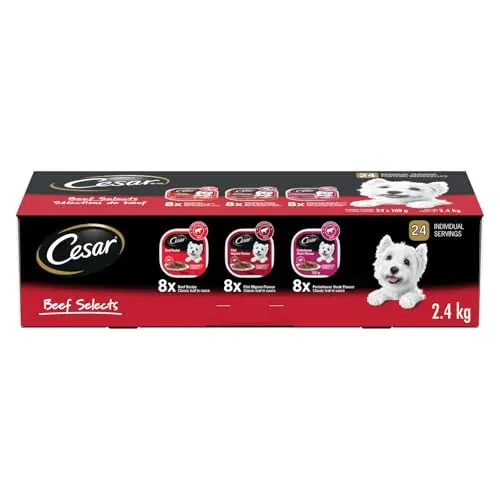
Classic Loaf Beef Selects Variety Pack – Digestive Support & Meal Variety
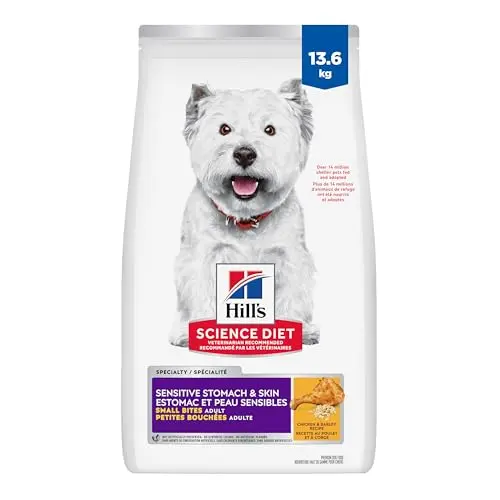
Adult Sensitive Stomach & Skin Small Bites – Prebiotic Fiber for Gentle Digestion
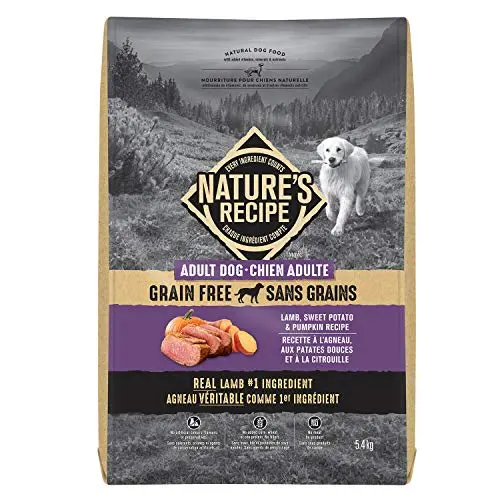
Adult Grain Free Lamb, Sweet Potato & Pumpkin – Fiber-Rich Digestive Support
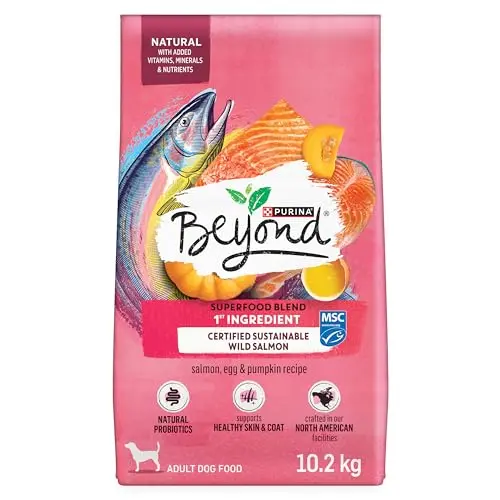
Superfood Blend Salmon, Egg & Pumpkin – Natural Ingredients for Overall Health
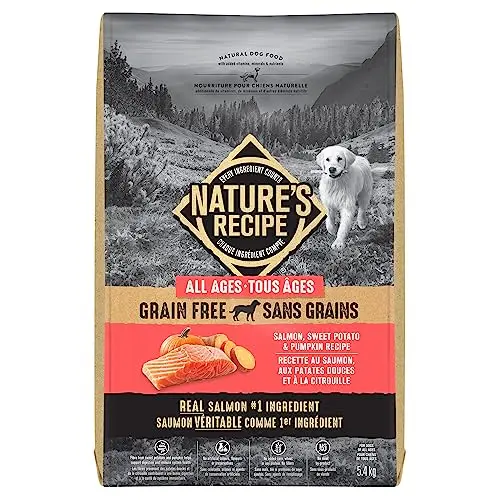
Grain Free Salmon, Sweet Potato & Pumpkin – High-Protein Limited Ingredient Diet
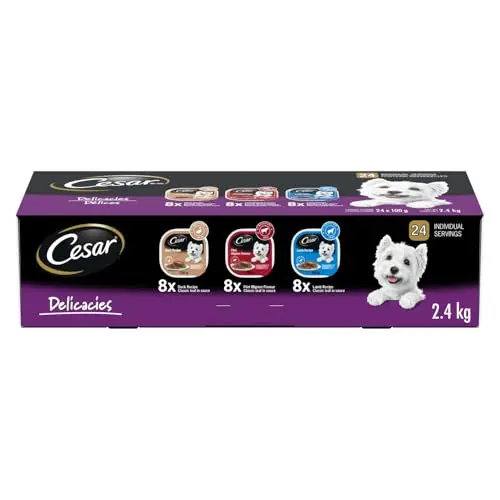
Classic Loaf Delicacies Variety Pack – Multi-Protein Wet Food
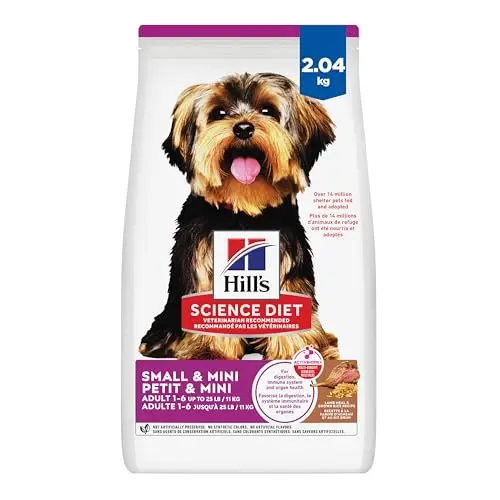
Adult Small & Mini Lamb Meal & Brown Rice – Small Kibble for Sensitive Digestion
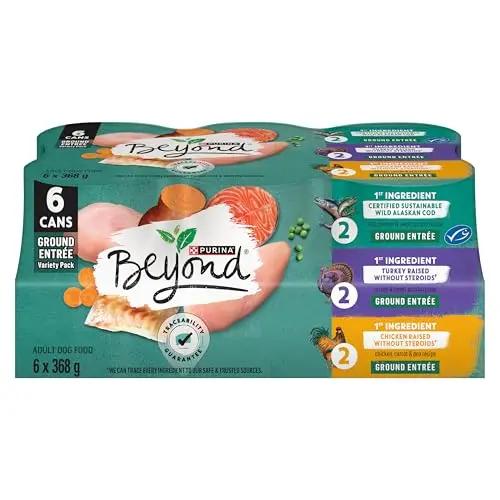
Grain Free Wet Entrée Variety Pack – Natural Canned Dog Food
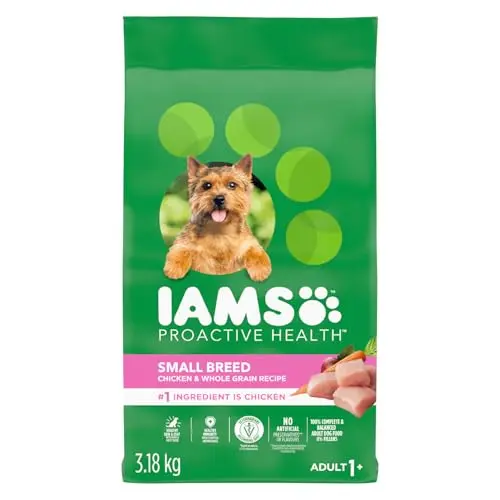
Proactive Health Adult Small Breed – Chicken & Whole Grain for Optimal Stools
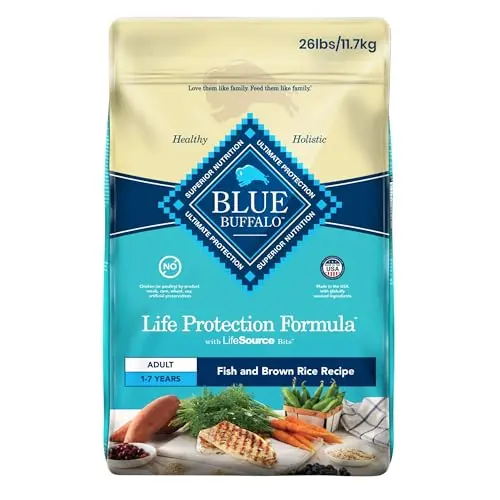
Life Protection Formula Fish & Brown Rice – Wholesome Ingredients for Overall Health
How We Evaluated These Dog Foods for Dogs with Soft Stools
We did not run controlled feeding trials or stool quality lab tests. What we did: cross-referenced 10 dog food models from 6 distinct brands across 5 decision axes – digestive support, ingredient quality, kibble texture, moisture content, and overall value. We triangulated published specifications, formula details, and aggregated owner feedback where available, mapping each product against the real-world needs of dogs with soft stools.
The scoring framework weighted real-world digestive performance (60%) – how effectively each formula supports firm, consistent stools – against feature differentiation (40%) – unique advantages like prebiotic fibers, limited ingredients, or tailored kibble size. We have no commercial relationship with any of the brands featured; recommendations track fit and differentiation, not brand preference. If your dog needs moisture and variety, the CESAR Beef Selects Variety Pack is your match; if a targeted sensitive-stomach dry formula is critical, the Hill’s Science Diet Sensitive Stomach & Skin serves you better.
How to Choose the Right Dog Food for Dogs with Soft Stools
What to Look for in Dog Food for Soft Stools
The key to firm stools often lies in digestible proteins and gentle fiber sources. Look for named animal proteins (like chicken, lamb, or salmon) rather than vague by-product meals, and avoid fillers such as corn, wheat, and soy that can trigger sensitivities. Prebiotic fibers like beet pulp or pumpkin are standout additions – they feed healthy gut bacteria and promote consistent motility. Also, pay attention to kibble size: smaller breeds or dogs that bolt food benefit from tiny, easy-to-chew pieces that reduce digestive strain.
Key Ingredients That Firm Up Stools
Pumpkin is one of the most effective natural stool firmers, thanks to its soluble fibre content. It absorbs excess water in the colon, adding bulk to loose stools. Sweet potato works similarly, providing a steady source of gentle fibre. Animal-based prebiotics like chicory root or beet pulp are also valuable – they don’t just add bulk; they actively support the gut microbiome. Avoid foods with excessive fat or unfamiliar protein sources if your dog’s stomach is already sensitive; a limited ingredient diet can help isolate triggers.
Dry vs. Wet Food: Which Is Better for Digestion?
There’s no one-size-fits-all answer. Wet food brings higher moisture content, which can ease digestion and keep stools softer – but also sometimes looser – so it’s a balancing act. For some dogs, the soft texture and hydration boost of a product like the CESAR Beef Selects Variety Pack resolves mild stool issues simply by reducing strain. Dry kibble can be more convenient and cost-effective, and many formulas now include targeted digestive fibres. If your dog has severe or chronic soft stools, a dry food like the Hill’s Science Diet Sensitive Stomach formula, with its prebiotic beet pulp, may offer more targeted support.
Grain-Free vs. Grain-Inclusive: Does It Matter?
For dogs with soft stools, the grain-free debate is less about fads and more about individual tolerance. Whole grains like brown rice and oatmeal can be excellent sources of gentle fibre and are well-tolerated by many dogs. However, if your dog shows signs of grain sensitivity (itchy skin, ear infections, inconsistent stools), a grain-free, limited-ingredient diet like Nature’s Recipe Lamb & Pumpkin removes that variable. The crucial factor is not whether grains are present, but whether the overall ingredient list is simple and digestible.
Common Pitfalls When Choosing Dog Food for Digestive Health
Avoid switching foods too quickly – a sudden change can trigger diarrhoea even in healthy dogs. Transition over 7-10 days, gradually increasing the new food. Watch out for marketing terms: ‘natural’ or ‘holistic’ don’t guarantee digestive safety. Always check the ingredient list for hidden irritants like artificial dyes or high levels of legumes, which can cause gas and loose stools in some dogs. Finally, don’t assume one protein source is safe forever; allergies can develop over time, so be ready to rotate.
Hill's Science Diet vs. Nature's Recipe: Which for Sensitive Stomachs?
Both offer strong digestive support, but they take different paths. Hill’s Science Diet Sensitive Stomach & Skin relies on veterinary formulation and prebiotic beet pulp, making it a clinical-grade choice for dogs with diagnosed sensitivities. The small kibble and added skin nutrients make it a comprehensive solution. Nature’s Recipe, by contrast, goes the whole-food route with lamb, sweet potato, and pumpkin – a more naturalistic approach with a limited ingredient list. It’s often more affordable and works well for grain-free diets. If your vet has flagged a specific sensitivity, start with Hill’s; if you prefer fewer processed ingredients, Nature’s Recipe is a solid alternative.
Frequently Asked Questions
What's the difference between Hill's Science Diet Sensitive Stomach & Skin and Nature's Recipe Lamb recipe?
The Hill’s Science Diet formula is a veterinary-inspired recipe that uses beet pulp prebiotic fiber to actively support gut health, plus omega-6 and vitamin E for skin benefits. It comes in a small bite size designed for easy chewing and digestion. Nature’s Recipe uses lamb, sweet potato, and pumpkin as core ingredients – a grain-free, limited-ingredient approach that relies on natural fibers rather than added prebiotics. Hill’s is often the go-to for dogs with more chronic digestive issues, while Nature’s Recipe appeals to owners seeking a whole-food, budget-conscious option that still supports stool consistency.
Are grain-free foods better for dogs with soft stools?
Not necessarily. Some dogs with grain sensitivity benefit from removing corn, wheat, and soy, and a grain-free diet that includes pumpkin or sweet potato can help firm stools. But whole grains like brown rice can actually be beneficial for many dogs because they provide gentle, insoluble fiber. The real benefit comes from eliminating problem ingredients – whether grains or specific proteins – rather than grains alone. If your dog’s soft stools are linked to a grain allergy, a limited-ingredient grain-free formula is a smart move; otherwise, a high-quality grain-inclusive food with added fiber may work just as well.
Can wet dog food help with soft stools?
It can, but it’s a double-edged sword. Wet food’s high moisture content can ease digestion and reduce straining, and tender textures like those in the CESAR Classic Loaf are less abrasive on sensitive stomachs. However, wet food sometimes results in looser stools simply because of the increased water intake. For dogs with mild cases, feeding a high-quality wet food as a topper or main meal can balance things out. Just watch the ingredient list: avoid recipes with mystery meats or high fat content, which can worsen digestive upset.
How long does it take to see improvement after switching food?
Typically, you’ll notice a difference within 3 to 10 days if the new food is a good match. Products like IAMS Proactive Health even base their formula on a 10-day controlled trial for firmer stools. The crucial step is a gradual transition: mix 25% new food with 75% old for a few days, then 50/50, then 75/25, before going fully new. This gives your dog’s gut flora time to adapt and prevents the diarrhoea that a sudden switch can cause. If you don’t see any change after two weeks, it might be time to try a different protein source or a vet-recommended formula.
Is pumpkin really effective for dog digestion?
Yes, and it’s one of the most commonly recommended home remedies for both constipation and diarrhoea. Pumpkin is rich in soluble fibre, which absorbs excess water in the colon, adding bulk to loose stools. Many of the foods we reviewed – like Nature’s Recipe and Hill’s Science Diet Small & Mini – include pumpkin right in the recipe. For dogs with intermittent soft stools, even a spoonful of plain canned pumpkin (not pie filling) as a topper can make a difference. However, for chronic issues, a complete balanced diet with targeted digestive fibres is a better long-term solution.
Final Verdict
For most dogs with soft stools, the CESAR Classic Loaf Beef Selects Variety Pack is the answer – it combines moisture, high-quality protein, and irresistible variety in a format that’s gentle on sensitive stomachs. If you need a dry, science-backed formula for chronic digestive issues, the Hill’s Science Diet Sensitive Stomach & Skin is purpose-built for the job. Budget-conscious small-breed owners will find real stool-firming results with the IAMS Proactive Health Small Breed, and grain-free advocates should look to the Nature’s Recipe Lamb, Sweet Potato & Pumpkin. No matter which you choose, a gradual transition and a watchful eye on ingredients will get your pup back to solid ground.