
Watching your senior dog slow down can be tough, but the right diet can help them stay comfortable, active, and healthy well into their golden years. Not all senior dog foods are created equal – some focus on joint support, while others prioritize easy digestion or maintaining lean muscle. The key is finding a formula that matches your dog’s size, health needs, and taste preferences.
We’ve surveyed the landscape to find the best diets for senior dogs across a range of brands and price points. Whether you have a tiny chihuahua with dental concerns or a large retriever needing glucosamine for stiff joints, there’s a formula here that fits. Our guide breaks down what to look for in a senior dog food and highlights the top picks based on ingredient quality, targeted health benefits, and real-world suitability.
Best Diets for Senior Dogs – 2026 Reviews
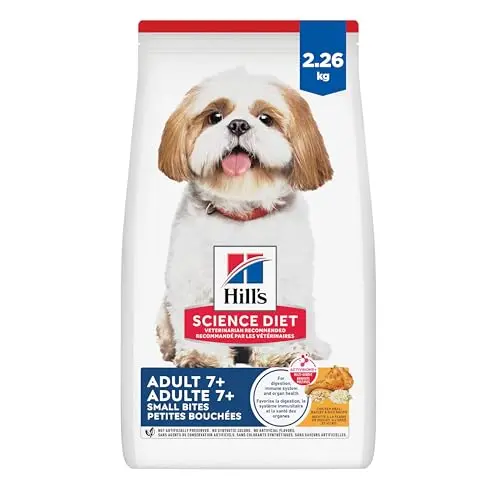
Senior 7+ Small Bites – Optimal Nutrition for Senior Small Breeds
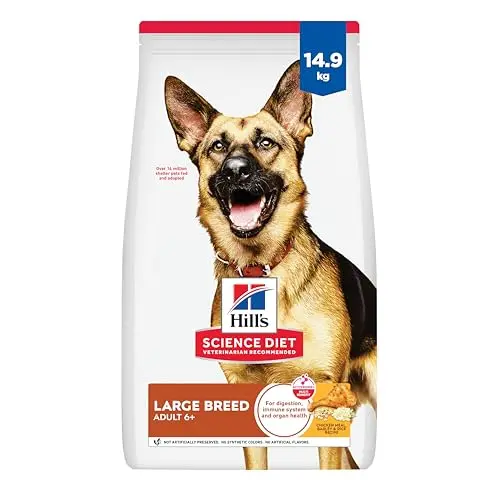
Senior 6+ Large Breed – Joint Support for Large Senior Dogs
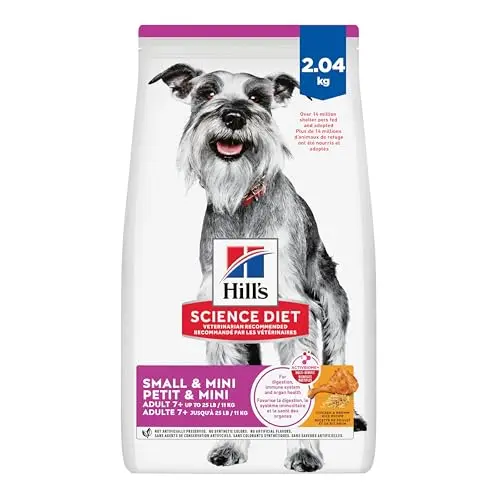
Senior 7+ Small & Mini – Digestive Support for Small Breeds
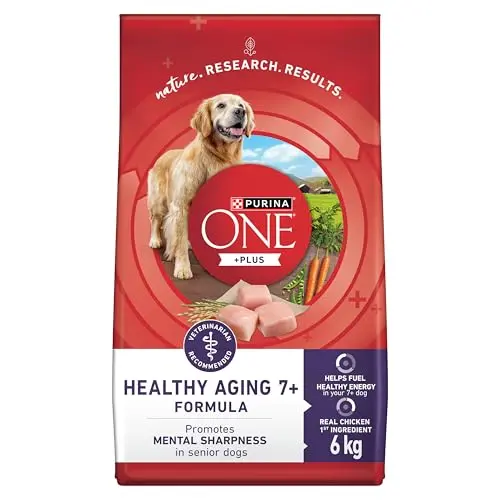
Healthy Aging 7+ – Budget-Friendly Senior Formula
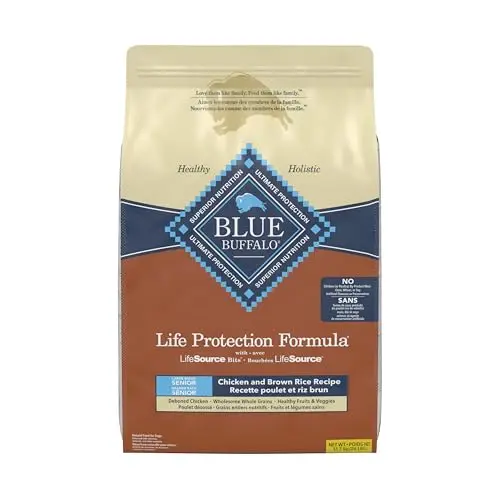
Life Protection Large Breed Senior – Joint and Immune Support
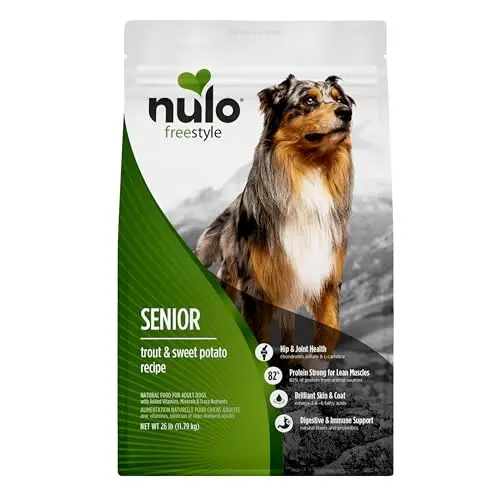
Freestyle Senior Dog GF – Grain-Free Senior Support
How We Evaluated These Diets for Senior Dogs
We started with a crowded field of senior dog foods and narrowed it down to 6 models from 4 distinct brands after filtering out adult formulas and near-duplicates. We didn’t run long-term feeding trials with senior dogs. What we did: cross-referenced published nutritional profiles, ingredient lists, and aggregated owner feedback where available to assess how each formula stacks up across seven key dimensions: protein quality, joint support (glucosamine and chondroitin content), digestibility, breed size appropriateness, kibble texture, ingredient transparency, and taste appeal.
The scoring framework weighted real-world senior dog suitability (60%) – how well each food supports muscle maintenance, joint comfort, and easy digestion for ageing canines – against feature differentiation (40%) – unique elements like probiotics, grain-free recipes, or specialized kibble designs. We have no commercial relationship with any of the brands featured; recommendations track nutritional fit and ingredient quality, not brand preference. If your senior struggles with joint stiffness, the Hill’s Science Diet Senior 6+ Large Breed is a strong choice; for budget-conscious owners, the Purina ONE Healthy Aging 7+ delivers solid value without cutting key nutrients.
How to Choose the Right Diet for Your Senior Dog
What to Look for in a Senior Dog Food
A good senior dog food should contain high-quality protein from named meat sources (like chicken or trout) to maintain muscle mass, joint-health additives like glucosamine and chondroitin, and easily digestible carbohydrates such as rice or oats. Look for antioxidants (vitamins E and C) for immune support, and fibre from ingredients like pumpkin or beet pulp to aid digestion. Avoid formulas with vague by-products, artificial colours, or fillers. A clear senior label signals the recipe is tailored for older dogs’ needs, including controlled phosphorus for kidney health.
Protein Quality and Muscle Maintenance
As dogs age, they lose muscle mass more quickly, so protein quality becomes critical. The best senior diets use real animal proteins (chicken, fish, lamb) as the first ingredient, rather than by-product meals or plant proteins. These provide the amino acid profile needed for repair and maintenance. The Nulo Freestyle Senior Dog GF stands out with 80% animal-based protein for a low-carb, high-meat approach. However, kidney function can decline with age, so moderate protein levels (around 22-28%) are often safest – consult your vet if your dog has renal issues.
Joint Health: Glucosamine and Chondroitin
Arthritis and joint stiffness are common in senior dogs, especially larger breeds. Many senior formulas now include glucosamine and chondroitin sulfate, building blocks for cartilage that can reduce inflammation and improve mobility. Not all senior foods add these, so check the ingredient panel. The Hill’s Science Diet Senior 6+ Large Breed uses natural sources of both, providing ongoing joint support without the need for separate supplements. If your dog already shows signs of stiffness, a joint-focused diet can complement veterinary treatment.
Digestive Health and Fibre
Seniors often have more sensitive stomachs, so digestibility is key. Ingredients like pumpkin, prebiotics, and probiotics encourage a healthy gut flora and firmer stools. The Hill’s Science Diet Senior 7+ Small & Mini incorporates pumpkin and easy-to-digest grains, making it a top pick for dogs with digestive sensitivities. Avoid foods with excessive synthetic fibre or gas-producing legumes unless your dog tolerates them well.
Kibble Size and Your Dog's Breed
Kibble design matters more than you might think. Small breeds need tiny pieces to avoid choking and dental discomfort – look for ‘small bites” or ‘mini” on the bag. Large breeds benefit from larger kibble that encourages chewing, which helps clean teeth. The Hill’s Science Diet Senior 7+ Small Bites is designed for petite jaws, while the Large Breed formula has bigger biscuits. If your dog is missing teeth, a moistened food or softer kibble may be necessary.
Grain-Free vs. Whole Grains: What's Best for Seniors?
The grain-free trend isn’t automatically healthier for most dogs. Whole grains like brown rice, barley, and oats provide fibre and steady energy. Some seniors may have genuine grain allergies or sensitivities, but for most, grain-inclusive formulas are perfectly fine and often more balanced. The FDA has investigated a link between grain-free diets and dilated cardiomyopathy (DCM) in dogs, so it’s wise to discuss with your vet. If you do choose grain-free, the Nulo Freestyle Senior Dog GF uses high-quality proteins and avoids filler grains, but it’s still a decision best made with professional input.
Switching Your Senior Dog to a New Food
Switching foods abruptly can cause digestive upset. Transition over 7-10 days by gradually mixing the new food with the old, increasing the ratio each day. Watch for signs of loose stool, vomiting, or refusal – seniors may need a slower switch. If your dog has a chronic condition, consult your vet before making any change. A proper transition ensures your dog gets the nutritional benefits without the tummy trouble.
Frequently Asked Questions
What's the difference between Hill's Science Diet Senior 7+ and Purina ONE Healthy Aging 7+?
Both are excellent, but they cater to slightly different priorities. The Hill’s Science Diet Senior 7+ formulas (available in Small Bites and Small & Mini) emphasize ActivBiome+ for digestive and immune health and come in breed-specific kibble sizes. They’re higher in the price spectrum. Purina ONE Healthy Aging 7+ is a budget-friendly alternative that still uses real chicken as the first ingredient and includes dual-texture kibble for variety. It doesn’t have the same digestive probiotic blend, but it’s a solid all-rounder for dogs without specific digestive issues. If your dog needs extra gut support, go with Hill’s; if value is your main concern, Purina ONE is a great pick.
Is grain-free dog food better for senior dogs?
Not necessarily. While some senior dogs may have grain sensitivities, most do just fine with whole grains like barley, rice, and oats. In fact, grains provide fibre and essential nutrients. The FDA has flagged a potential link between grain-free diets and dilated cardiomyopathy (DCM), so it’s a risk worth discussing with your vet. The Nulo Freestyle Senior Dog GF offers a high-quality grain-free option with added joint support, but I’d only choose grain-free if your vet recommends it or if your dog has a proven grain allergy.
How do I know if my senior dog needs a joint support formula?
Look for signs like stiffness after resting, reluctance to climb stairs, or limping. Large breeds are especially prone to arthritis. Even without visible symptoms, adding glucosamine and chondroitin as a preventative can help. The Hill’s Science Diet Senior 6+ Large Breed includes these naturally, so you don’t need a separate supplement. Always consult your vet for a proper diagnosis, but a joint-focused diet can make a noticeable difference in your dog’s mobility and comfort.
Can I feed my senior dog an adult dog food instead?
Adult formulas lack the targeted nutrient adjustments that seniors need, such as controlled phosphorus for kidneys, lower calories for slower metabolisms, and added joint support. While a healthy senior might do fine on an adult food for a while, senior-specific diets are designed to address the common age-related changes in dogs over seven years old. Switching to a senior formula is a simple way to help your dog age more comfortably.
How do I switch my senior dog to a new brand of food?
Take it slowly over 7-10 days to avoid digestive upset. Start with 75% old food and 25% new for a couple of days, then move to half and half, then 25% old and 75% new, before feeding exclusively the new diet. Watch your dog’s stool consistency and appetite throughout. If your senior has a sensitive stomach or medical condition, extend the transition or involve your vet. A gradual switch gives your dog’s gut time to adapt.
Final Verdict
For the vast majority of senior small-breed dogs, the Hill’s Science Diet Senior 7+ Small Bites is our top pick. It nails all-round nutritional support without asking you to compromise on joint care, digestion, or kibble ease. If you’re feeding a large senior who needs extra joint support, the Hill’s Science Diet Senior 6+ Large Breed adds targeted glucosamine and chondroitin to the mix. Budget-conscious owners should consider the Purina ONE Healthy Aging 7+ – it delivers real chicken and a dual-texture kibble at a more accessible price. And if you’re set on grain-free, the Nulo Freestyle Senior Dog GF offers high animal protein and a proven probiotic, though it’s best discussed with your vet. No matter which route you go, your senior companion will thank you for the extra care at mealtime.