
If you’ve ever watched a Labrador inhale its kibble in under 30 seconds, you know the breed’s legendary mealtime enthusiasm comes with a side of health risks – from bloat to joint strain. The right dog bowl can’t turn a Lab into a delicate diner, but it can slow them down, protect their posture, and keep your kitchen floor dry after a sloppy drink.
This roundup isn’t about picking a colour that matches your décor. We looked at capacity, construction, and design features that matter for the breed’s specific needs: fast eating, powerful jaws, and a body shape that can benefit from an elevated setup. Whether your Lab is a puppy still growing or a senior with mobility concerns, we’ll help you find a bowl that actually works for them.
Below, we break down 10 models from 9 brands – no single brand gets a free pass – so you can choose the stainless steel workhorse, the puzzle feeder, or the adjustable raised stand that fits your Labrador’s unique eating style.
Best Dog Bowls for Labs – 2026 Reviews
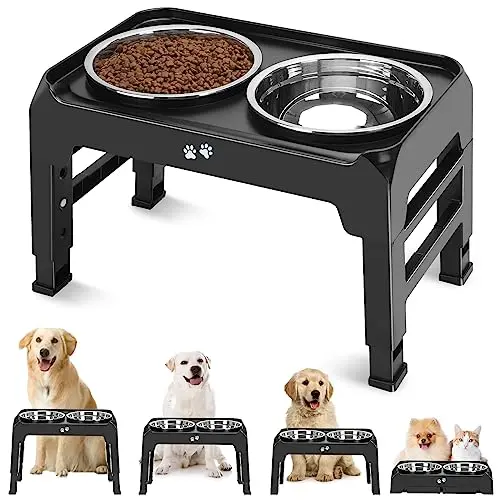
Adjustable Elevated Dog Bowls – Grows with Your Lab
A height-adjustable stand with two thick-walled 50oz stainless steel bowls that evolves with your Lab from puppyhood to senior years. The four height settings – from 3.7 inches up to 12.36 inches – help align the bowl with your dog’s shoulder height, which can reduce neck and joint stress during meals. The stand has a no-rattle rubber edging, and the bowls lift out easily for cleaning or travel.
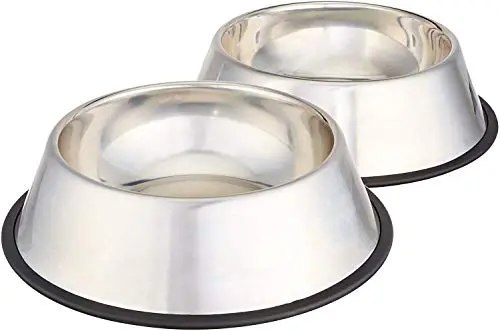
Stainless Steel Non-Skid Bowl Set, 2-Pack – Reliable Everyday Feeding
A straightforward 2-pack of 1.15L stainless bowls with thick rubber bottoms. They’re dishwasher-safe, rust-resistant, and heavy enough that most dogs can’t shift them across the floor. If you’re after a no-fuss solution for food and water that just works, this set covers the basics without any unnecessary frills.
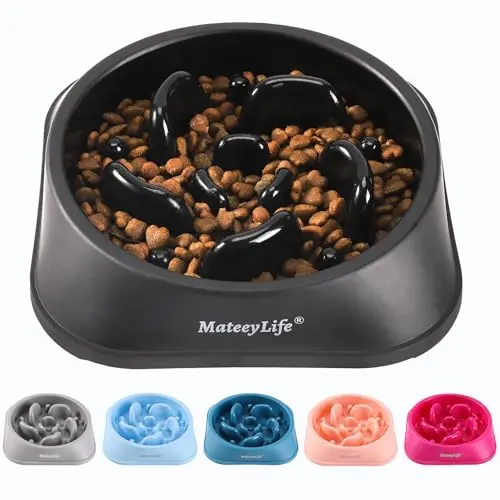
Slow Feeder Dog Bowl – Maze Pattern for Rapid Eaters
A non-slip polypropylene slow feeder that forces your Lab to navigate a maze of ridges to access their food. The physical barrier slows eating by up to 10x – no timers, no gimmicks. It holds 2 cups of kibble, which works for most adult Lab meals, and the base grips hard floors well.
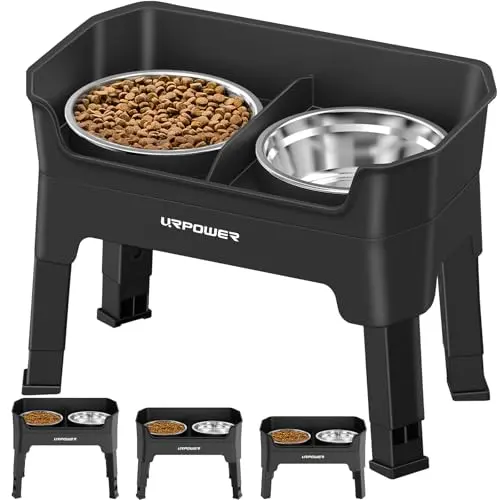
3-in-1 Elevated Dog Bowls with Licking Plate – All-in-One Station
A patented design that combines an adjustable-height stand (4 levels, 4.4″-12.5″) with two stainless steel bowls and a slow-feed licking plate. The raised platform surrounds the bowls to contain spills, and the licking plate slides in when you need to turn mealtime into an extended, calming activity.
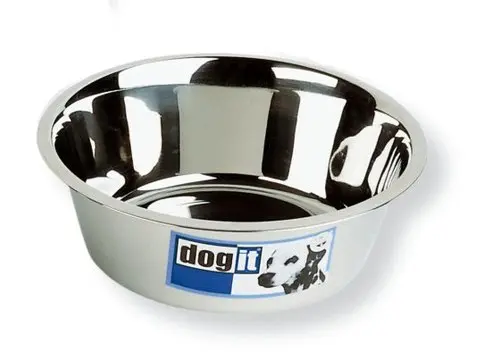
Stainless Steel Dog Bowl, Large – Simple, Durable Basin
A classic single stainless steel bowl with a 1.5L capacity and a subtle non-slip rim. It’s lightweight, easy to hand-wash, and fits most standard bowl holders. If you need a no-frills water bowl that won’t absorb smells or rust, this is a reliable pick.
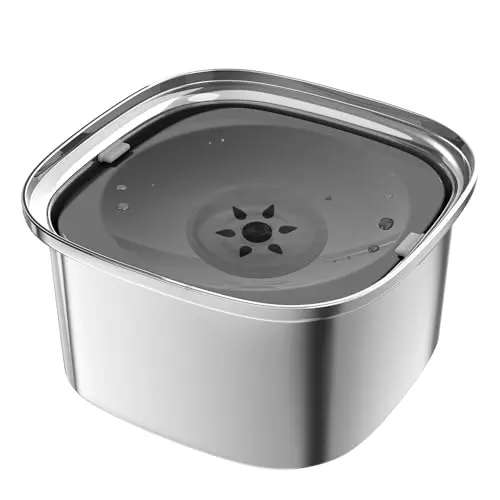
3L Slow-Drinking Water Bowl – Keeps Floors Dry
A 3L stainless steel water bowl with a floating disk mechanism that regulates how much water your dog can gulp at once. It’s designed for messy drinkers – the disk prevents splashing and keeps your Lab’s chin dry while filtering out loose hair and debris from the water.
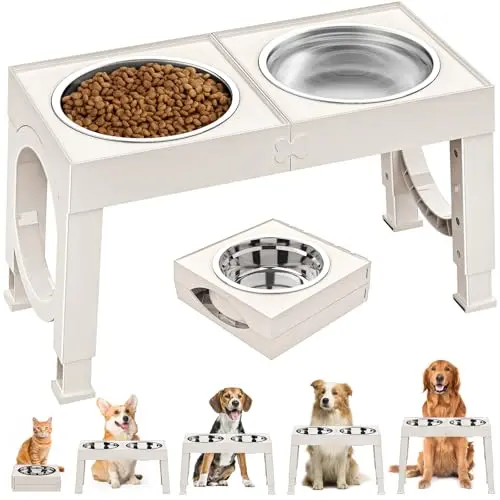
5-Height Adjustable Elevated Dog Bowl Stand – Versatile and Portable
A lightweight ABS plastic stand that adjusts to five heights (9″-14″) and comes with two 1L stainless steel bowls. It folds completely flat for travel, and the bone-shaped centre brace adds stability while keeping the bowls level. The non-slip feet keep it quiet on hard floors.
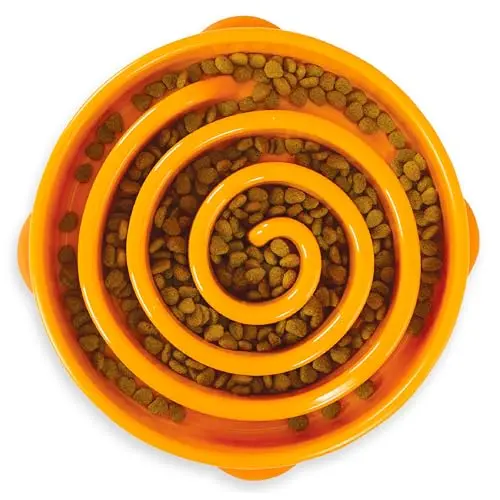
Fun Feeder Slo Bowl, Large – Engaging Puzzle Feeder
A plastic slow feeder bowl with a pebble-like maze pattern and a 4-cup capacity. It’s part of a slow-feeding system that offers three difficulty levels; this “Slower” level is designed for dogs who already know the slow-eater drill. Top-rack dishwasher-safe and BPA-free.
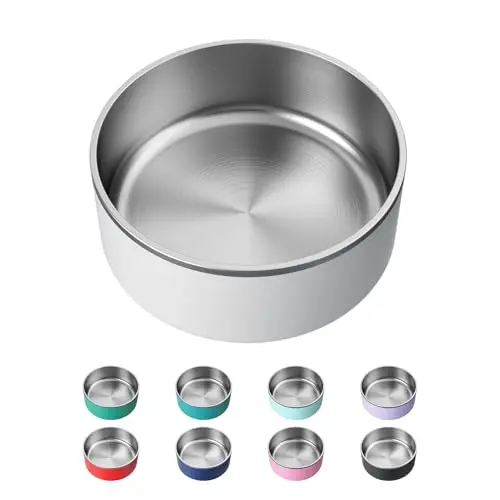
Anti-Slip Stainless Steel Dog Bowl, 40oz – Heavy-Duty Single Bowl
A double-walled stainless steel bowl with a white enamel-like finish and a non-slip silicone ring at the base. It’s heavier than a standard single-wall bowl, which gives it extra stability. The 40oz capacity suits most medium-to-large dogs who need a sturdy feeding station.
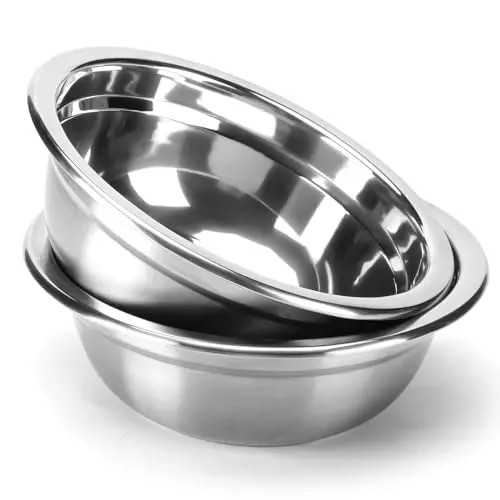
2-Pack 8-inch Stainless Steel Dog Bowls – Rugged Spare Set
A set of two thick-walled 50oz stainless steel bowls without a stand. They’re deep, with a flat rim that won’t cut your dog’s tongue, and they stack neatly for storage. Designed as replacement bowls for COMESOON elevated stands, but they work as standalone heavy-duty food and water dishes too.
How We Evaluated These Dog Bowls for Labs
We didn’t run controlled long-term durability trials with real Labrador Retrievers in a kennel environment. What we did: cross-referenced 10 dog bowl models from 9 distinct brands across seven decision axes – capacity, material, anti-slip stability, slow-feed performance, elevated design, ease of cleaning, and use-case fit for the typical Labrador’s eating behaviour. We triangulated published specifications, aggregated owner feedback where available, and mapped each model against representative Lab profiles: the fast-eating puppy, the water-bowling adult, and the joint-sensitive senior.
The scoring framework weighted real-world function for Labs (60%) – such as effective slow-feeding mechanics or height adjustability that truly reduces neck strain – against feature differentiation (40%) – unique technical advantages like a licking plate or floating disk that solve a specific Lab problem. We have no commercial relationship with any of the brands featured; recommendations track fit and differentiation, not brand preference. If your Lab devours meals in under a minute, the COMESOON Adjustable Elevated Dog Bowls will slow them down while protecting joints; if you just need reliable stainless bowls at a great value, the Amazon Basics Non-Skid Set is the smart, fuss-free pick.
How to Choose the Right Dog Bowls for Labs
What Size Dog Bowl Does a Labrador Need?
Labrador Retrievers are a large breed, typically weighing 55-80 pounds. Their bowl needs to hold enough kibble – most adult Labs eat between 2.5 and 4 cups per meal, depending on activity level and the food’s calorie density. Look for bowls with a minimum capacity of 1.5 litres (around 50 ounces) to provide room without overflowing. Shallow, wide bowls are less ideal than deep, tapered sides that keep food inside when your dog shovels enthusiastically. For water, a larger reservoir (2-3 litres) means fewer refills, which is especially helpful when you’re away for the day.
If you’re feeding a puppy who’s still growing, an adjustable setup that can change height over time – like the COMESOON or URPOWER models – lets you increase capacity and elevation concurrently without buying multiple bowls.
Stainless Steel vs. Plastic: Which Material Is Safer?
Stainless steel is the gold standard for dog bowls, especially for a breed like a Lab that can be tough on gear. It’s non-porous, rust-resistant, and won’t harbour bacteria the way scratched plastic can. It’s also inert – no BPA, phthalates, or lead to worry about. Most stainless bowls are dishwasher-safe (though not all – check care instructions).
Plastic bowls are lighter, but they scratch more easily, creating crevices where bacteria can grow and potentially cause chin acne or irritation. High-quality polypropylene models, like the MateeyLife and Outward Hound slow feeders, are BPA-free and top-rack dishwasher-safe, which mitigates some concerns. If your Lab is a vigorous chewer, avoid thin plastic – they can crack under pressure. For everyday food and water, stainless is the safer, longer-lasting choice.
Do Slow Feeder Bowls Work for Labrador Retrievers?
Yes, and for many Labs they’re essential. The breed is genetically predisposed to gulping food, which can lead to bloat (gastric dilatation-volvulus), a life-threatening condition. A slow feeder adds physical barriers – ridges, mazes, or obstacles – that force the dog to work around them to reach food, spreading mealtime from 30 seconds to 10-15 minutes. This not only improves digestion but also provides mental stimulation for a smart breed that needs it.
Not all slow feeders are created equal: the Outward Hound Fun Feeder’s pebble pattern is great for dogs new to puzzle feeding, while the MateeyLife maze offers a middle level of difficulty. The URPOWER’s licking plate is a different approach – spread wet food or peanut butter on it for extended licking sessions. Consider how fast your Lab currently eats and whether they get frustrated when food is too hard to access; start with an easier design and graduate to more complex patterns.
Elevated Bowls for Labs: Joint Relief or Just a Trend?
Elevated feeders have solid science behind them for large, deep-chested breeds. Raising the bowl to roughly the bottom of the dog’s chest (the lower brisket) reduces the angle of neck flexion, which can alleviate stress on the cervical spine and shoulders. For older Labs with arthritis or mobility concerns, this makes meals noticeably more comfortable. It may also promote better swallowing, reducing air intake that contributes to bloat.
However, height isn’t one-size-fits-all. Puppies need a low setting that grows with them; a too-high bowl can cause them to stretch or even tilt back to swallow. Look for adjustable stands with multiple heights – the COMESOON offers four, the XiaZ has five, and the URPOWER provides four plus the licking plate. Avoid fixed-height stands unless you’ve measured your individual Lab’s ideal position.
COMESOON vs. Amazon Basics: Which Bowl Setup for Your Lab?
If you’re torn between a full elevated system and a simple stainless set, think about your Lab’s current stage of life and eating style. The COMESOON adjustable elevated stand with bowls is the long-game investment: it grows with your dog, reduces joint stress, and the thick bowls won’t tip even with an enthusiastic diner. It’s ideal if your Lab is still young and you want to establish a healthy posture from day one, or if you have a senior dog who struggles to lower their head.
The Amazon Basics non-skid set is the better choice when you need two solid bowls at a lower cost and you don’t require height adjustment. They’re simpler, dishwasher-safe, and the rubber bases grip the floor surprisingly well. Pair them with a separate slow feeder or a raised stand later if needed. Both are excellent in their own lane.
Keeping Your Lab's Bowl Clean and Odour-Free
Labradors eat and drink a lot, so bowls get dirty quickly. A bowl that retains saliva, bacteria, or food residue can contribute to canine acne, digestive upset, or just a smelly kitchen. Stainless steel bowls should be washed daily with hot, soapy water – either by hand or in the dishwasher if they’re rated safe. Plastic slow feeders need careful attention to crevices; a bottle brush helps clean maze patterns.
For the Decflow water bowl, disassemble the floating disk and wash it separately at least once a week to prevent biofilm buildup. Wipe down the outside of bowls regularly too – especially if your Lab slobbers down the side. Replacing a bowl when it shows deep scratches or corrosion is a good habit; even stainless can eventually pit if damaged.
Frequently Asked Questions
What size dog bowl does a Labrador need?
An adult Labrador typically needs a bowl that holds at least 1.5 litres (about 50 ounces) for dry food. This accommodates a 3-4 cup meal with room for your dog to nose around without spilling. For water, a larger 2-3 litre bowl is more practical to minimise refills, especially if you’re away during the day. Puppies can start with a smaller bowl and move up, but an adjustable elevated stand lets you keep using the same deep bowls as they grow.
Are slow feeder dog bowls actually effective for fast-eating Labs?
Yes, and they’re one of the most straightforward interventions for a Labrador prone to gulping. By introducing physical barriers – like the ridges in the MateeyLife maze or the Outward Hound pebble pattern – a slow feeder forces the dog to lick and eat around obstacles, stretching a 30-second meal to 10-15 minutes. This reduces air swallowing (a bloat risk factor), improves digestion, and provides the mental work Labs need. Not every Lab takes to them immediately; start with a simpler design and reward calm eating.
Should I get an elevated dog bowl for my Labrador?
Elevated bowls are particularly beneficial for large, deep-chested breeds like Labradors. They reduce neck and shoulder strain by bringing the bowl closer to the dog’s level, which can be a relief for seniors with arthritis or mobility issues. There’s also evidence that eating with less neck flexion may lower air intake, contributing to a reduced bloat risk. However, the height must be correct: measure to the bottom of your Lab’s chest and set the bowl rim within an inch or so below it. The adjustable COMESOON or XiaZ stands let you dial in the right height as your dog changes.
What's the difference between the COMESOON elevated bowl and the URPOWER 3-in-1 system?
Both offer four adjustable heights and include two stainless steel bowls, but they serve slightly different routines. The COMESOON is a straightforward elevated stand with thick-walled 50oz bowls, focused on adjustability and ease of cleaning – it folds flat for travel, and the bowls lift out quickly. The URPOWER adds a raised anti-spill platform and a dedicated licking plate for slow-feeding enrichment, making it the more versatile station if you want a single setup that handles wet food enrichment, dry meals, and reduces floor splashes. If you primarily need height adjustment and big capacity, the COMESOON is a top choice; if you’ll use the licking plate regularly, the URPOWER justifies its premium.
Is stainless steel or plastic a better bowl material for my Lab?
Stainless steel is generally more durable, hygienic, and easier to sanitise than plastic. It doesn’t scratch as deeply, so bacteria have fewer places to hide, and it’s usually dishwasher-safe. For a breed as powerful and food-motivated as a Labrador, stainless also stands up to rougher treatment. Food-grade polypropylene in slow feeders is safe and BPA-free, but monitor it for deep scratches and replace it if your dog tends to chew. For daily kibble and water, stainless steel is the best long-term material.
How often should I clean my dog's bowls, and what's the easiest way?
Both food and water bowls need daily cleaning to prevent bacteria, biofilm, and smells. A lap through the dishwasher (top rack for plastic slow feeders) is the simplest routine, but hand-washing with hot, soapy water works too – just rinse thoroughly to remove residue. For bowls with floating parts (like the Decflow), disassemble and scrub weekly. Stainless steel can go in the dishwasher daily without issue; plastic should be hand-dried after to limit water spotting or warping over time.
Final Verdict
For most Labrador households, the COMESOON Adjustable Elevated Dog Bowls deliver the best combination of long-term adjustability, thick stainless construction, and joint-friendly feeding. It’s a setup that genuinely grows with your dog without constant replacements. If you’re after a budget-friendly set that simply works, the Amazon Basics Stainless Non-Skid Bowl 2-Pack is unbeatable – two sturdy, slip-resistant bowls that handle daily abuse without complaint. For the speed-eater, the MateeyLife Slow Feeder flips mealtime into a healthy puzzle, and if you want an all-in-one station with enrichment, the URPOWER 3-in-1 Elevated Bowl is purpose-built for the task. The right bowl won’t change your Lab’s love of food, but it will make every meal safer, cleaner, and a little more dignified.