
Feeding an adult dog should be simple, but step into any pet store and you’re met with an overwhelming array of formulas, proteins, and health claims. From sensitive stomachs to weight control and grain-free diets, the choices reflect the very real, very varied needs of adult dogs. We surveyed the top dog foods across major brands to help you cut through the noise and find the right nutritional fit for your companion.
Not all adult dogs are the same. A high-energy Border Collie has different demands than a couch-loving Pug, and a dog with food allergies needs a different approach than one with a cast-iron stomach. This guide compares the most popular dry dog foods on the market, evaluating them on ingredient quality, targeted health benefits, and how well they adapt to different adult dog lifestyles. Whether you’re looking for a budget-friendly staple or a formula to address a specific concern, our picks help you choose with confidence.
Best Dog Food for Adult Dogs – 2026 Reviews
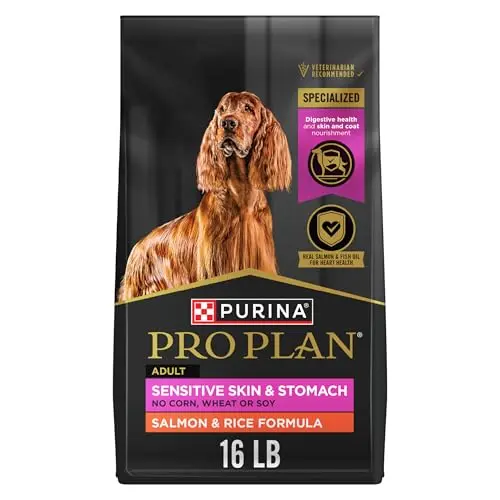
Sensitive Skin & Stomach Salmon & Rice Formula – Omega-Rich for Coat and Digestion
This salmon and rice recipe is designed for adult dogs with sensitive stomachs or skin issues. With real salmon as the first ingredient and no artificial colours or flavours, it supports digestive health and a shiny coat.
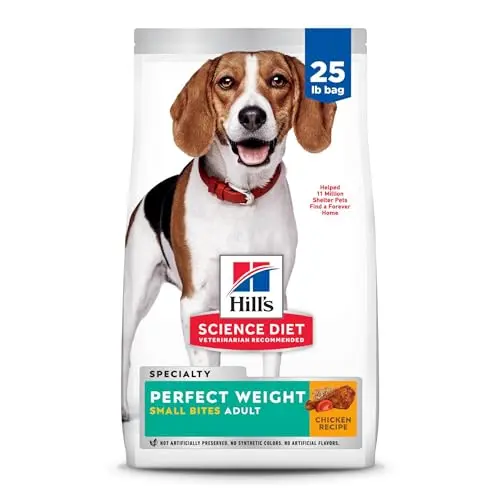
Adult Perfect Weight Small Bites Chicken Recipe – Clinically Proven Weight Loss
Clinically proven to help dogs lose weight in 10 weeks, this chicken recipe uses a precise blend of fibre and nutrients to keep your adult dog full while managing calories. The small kibble size makes it easy for small breeds to chew.
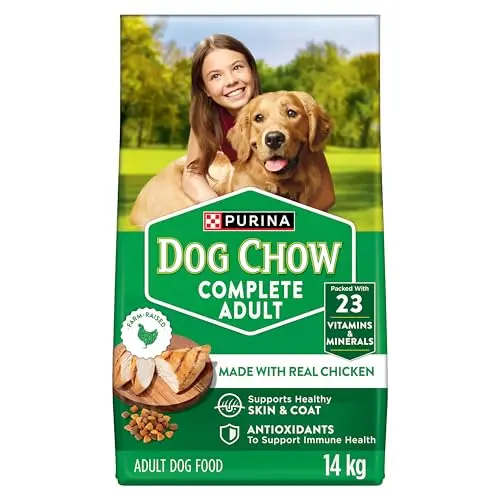
Complete Adult Chicken Recipe – Affordable Balanced Nutrition
A straightforward, no-fuss dry food that provides complete and balanced nutrition for adult dogs of all sizes. Made with real chicken and fortified with antioxidants, it’s a wallet-friendly choice without artificial fillers or flavours.
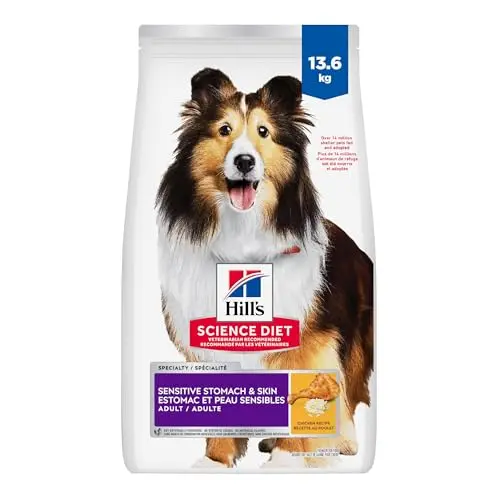
Adult Sensitive Stomach & Skin Chicken Recipe – Gentle Digestion & Skin Nourishment
A veterinarian-recommended diet for adult dogs with digestive or skin sensitivities. This highly digestible formula features prebiotic fibre and omega-6 fatty acids to soothe the stomach and improve coat health.
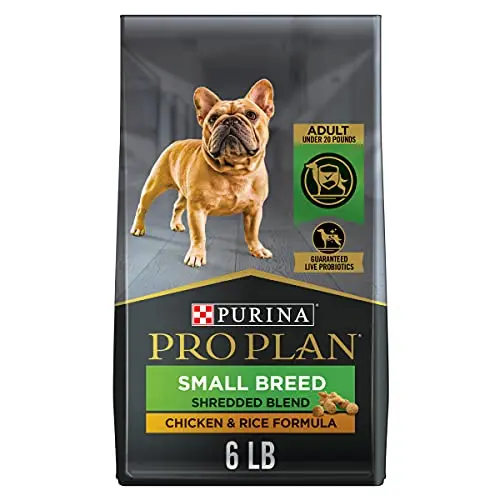
Small Breed Shredded Blend Chicken & Rice – High-Protein Bite-Sized Nutrition
Designed specifically for small adult dogs, this food combines crunchy kibble with tender shredded pieces for an enticing texture. Real chicken leads the ingredient list, and live probiotics support digestive and immune health.
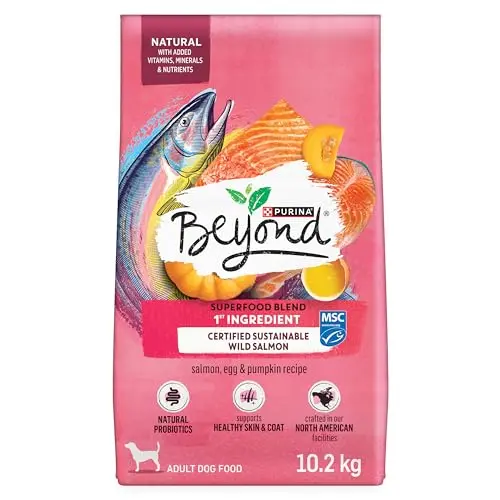
Superfood Blend Salmon, Egg & Pumpkin – Natural, Grain-Free Recipe
A natural dry food featuring wild-caught salmon, egg, and pumpkin. Made without corn, wheat, or soy and no poultry by-product meal, it provides a clean ingredient list with superfoods for balanced nutrition.
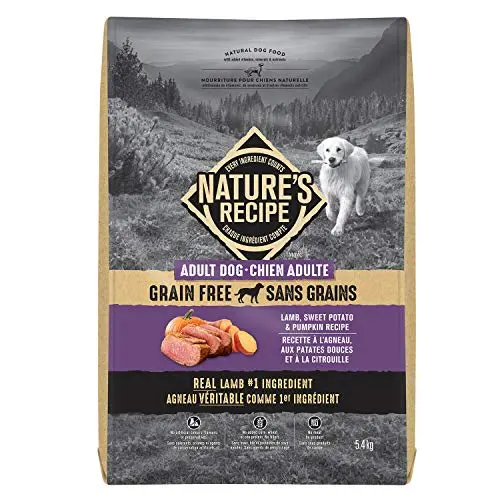
Grain-Free Lamb, Sweet Potato & Pumpkin – Limited Ingredient Diet
A grain-free, limited ingredient diet featuring lamb as the first ingredient. Sweet potatoes and pumpkin provide fibre for digestion, while omega fatty acids support skin and coat health.
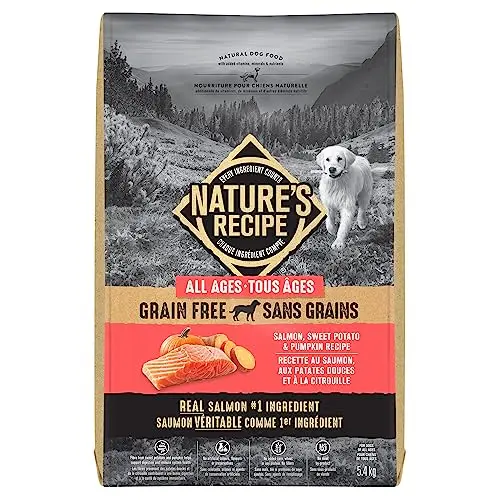
Grain-Free Salmon, Sweet Potato & Pumpkin – Fish-First Nutrition
Similar to the lamb recipe but with salmon as the first ingredient, this grain-free formula is ideal for dogs that prefer fish-based diets. It’s free from artificial colours, flavours, and preservatives.
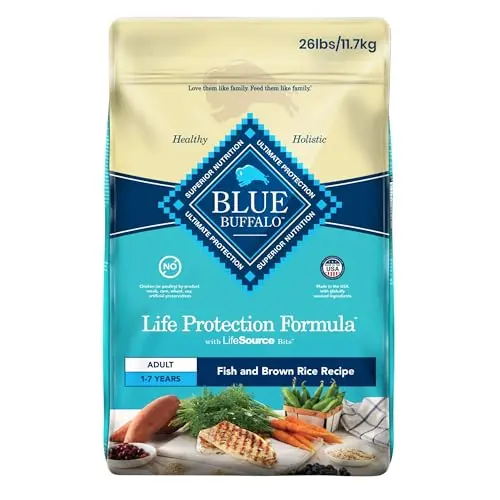
Life Protection Fish & Brown Rice – Antioxidant-Rich for Immune Health
Featuring deboned whitefish as the first ingredient and no chicken by-products, this formula includes Blue Buffalo’s exclusive LifeSource Bits-a precise blend of antioxidants, vitamins, and minerals for immune support.
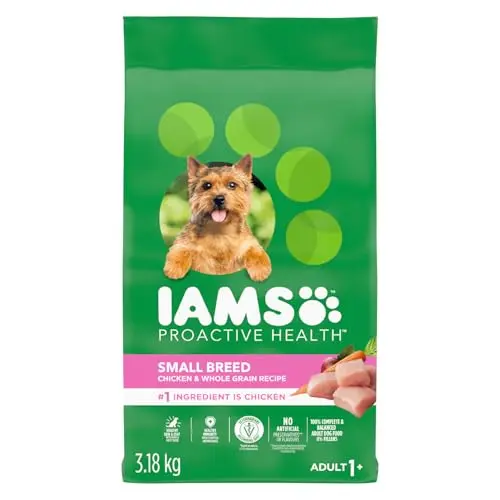
Proactive Health Small Breed Chicken & Whole Grain – Optimal Digestion Support
Specifically formulated for small adult dogs, this chicken and whole grain recipe promises optimal stool quality within 10 days. The smaller kibble size is tailored for little mouths.
How We Evaluated These Dog Foods for Adult Dogs
We didn’t conduct controlled feeding trials in our own homes or run laboratory analysis on every bag. What we did: cross-referenced 10 dry dog food models from 7 distinct brands across six key decision axes-ingredient quality, protein source, special dietary benefits (sensitive stomach, weight management), kibble suitability for breed sizes, owner feedback trends, and formula transparency. This allowed us to triangulate which foods actually deliver on their promises without relying on marketing hype.
The scoring framework weighted real-world fit (60%)-how well each food meets the everyday needs of adult dogs, including digestibility, palatability, and coat condition-against feature differentiation (40%)-unique health-targeted ingredients and breed-specific design. We have no commercial relationship with any of the brands featured; picks reflect merit, not preference. If your dog has a sensitive system, the Pro Plan Sensitive Skin & Stomach is your match; if weight management is the priority, Hill’s Perfect Weight is the proven choice. We benchmarked each food’s ingredient list, sourcing, and supplement profile, always cross-checking manufacturer claims against aggregated owner experiences where available.
How to Choose the Right Dog Food for Adult Dogs
Assessing Your Adult Dog's Nutritional Needs
Adult dogs require a complete and balanced diet that maintains their body condition and supports daily activity. Unlike puppies, they don’t need extra calories for growth, but they still benefit from high-quality protein for muscle maintenance. Look for foods that list a named meat (like chicken, salmon, or lamb) as the first ingredient, and check for essential fatty acids for skin and coat health. A food labeled ‘adult maintenance’ is formulated to meet AAFCO standards for dogs one year and older, giving you a baseline of nutritional adequacy.
Protein Sources: Chicken, Salmon, Lamb, and More
The protein source isn’t just about taste-it can affect digestion, allergies, and overall health. Chicken is a lean, widely available option that most dogs enjoy, but it’s also a common allergen. Salmon and whitefish are rich in omega-3 fatty acids, which reduce inflammation and improve coat sheen, making them ideal for dogs with skin issues. Lamb is often used in limited-ingredient diets for dogs with food sensitivities, as it’s less likely to trigger reactions. If your dog has no sensitivities, rotating proteins can provide a broader nutrient profile and keep meals interesting.
Grain-Free vs. Whole Grains: Which Is Better for Adult Dogs?
The grain-free trend has sparked debate. For dogs with grain allergies (rare) or specific digestive issues, grain-free formulas using pea starch or sweet potatoes can be beneficial. However, whole grains like brown rice and oatmeal provide digestible energy and fibre. The FDA has investigated a potential link between grain-free diets and dilated cardiomyopathy (DCM), so it’s wise to consult your vet. If you choose grain-free, look for a food with added taurine and monitor your dog’s health. For most dogs, a grain-inclusive diet is perfectly fine and often more affordable.
Special Diets: Sensitive Stomachs, Skin Allergies, and Weight Control
Many adult dogs benefit from targeted formulas. For sensitive stomachs, foods with prebiotic fibre and easily digestible proteins (like the Hill’s Science Diet Adult Sensitive Stomach & Skin) can work wonders. Skin allergies often respond to omega-rich recipes like Pro Plan Sensitive Skin & Stomach. If your dog is carrying extra weight, a weight management formula with added fiber and L-carnitine, such as Hill’s Perfect Weight, can help achieve a healthy weight safely.
Kibble Size and Breed Considerations
Kibble size matters more than you’d think. Small breeds need smaller, easy-to-chew pieces to prevent choking and encourage eating, while large breeds benefit from larger kibble that promotes chewing and slows down ingestion. Food formulated specifically for small breeds, like Pro Plan Small Breed Shredded Blend, accounts for this. For all-breed households, a medium-sized kibble works, but if you have a tiny dog, look for a ‘small bites’ option.
Reading the Ingredient Label: What to Prioritize
Start with the first five ingredients-they make up the bulk of the food. Look for a named animal protein source, whole grains or vegetables, and healthy fats. Avoid foods with vague terms like ‘meat meal’ and ‘animal fat,’ and steer clear of artificial colours, flavours, and preservatives. Choose a food that meets AAFCO standards for your dog’s life stage. And remember: price isn’t always a quality indicator; some budget options charge more by offering unnecessary ‘filler’ ingredients.
Frequently Asked Questions
What's the difference between Hill's Science Diet and Purina Pro Plan for adult dogs?
Both are premium brands backed by veterinary research, but they take slightly different approaches. Hill’s Science Diet puts a strong focus on clinical nutrition and is often recommended by vets for specific health issues like sensitive stomachs or weight management. Their formulas are backed by feeding trials and use precise nutrient blends. Purina Pro Plan emphasizes high protein levels, live probiotics for digestive health, and specialized lines for small breeds or sensitive skin. In our roundup, the Pro Plan Sensitive Skin & Stomach earned top marks, but if weight management is the priority, Hill’s Perfect Weight (covered above) remains a proven choice. Ultimately, the best pick depends on your dog’s specific needs.
Should I choose grain-free dog food for my adult dog?
Not necessarily. While grain-free diets are essential for dogs with confirmed grain allergies (rare), many dogs do fine with whole grains like brown rice and oatmeal. The FDA is investigating a potential link between some grain-free diets and dilated cardiomyopathy (DCM), so caution is warranted. If your dog has no grain sensitivity, a diet including grains can be more affordable and just as nutritious. If you opt for grain-free, consider a formula with added taurine and high-quality proteins like the Nature’s Recipe grain-free options reviewed here. Always consult your vet before making a major diet change.
How do I transition my adult dog to a new dog food?
A slow transition over 7-10 days helps avoid digestive upset. Start by mixing 25% of the new food with 75% of the old food, and gradually increase the proportion each day. Monitor your dog’s stools; if they become loose, slow down the transition. For dogs with sensitive stomachs, a food with prebiotic fibre can ease the switch. Remember that wet food and dry food have different transition guidelines-if you’re switching types, consult the feeding guide on the bag.
Is weight management dog food necessary for my adult dog, or is it just a marketing gimmick?
Weight management foods are not a gimmick; clinical trials prove they work. The Hill’s Perfect Weight formula, for example, helped over 70% of dogs lose weight in 10 weeks. These diets are higher in fibre to promote fullness and lower in calories per cup, so your dog can eat a satisfying portion without excess energy. If your dog is overweight-you can feel but not see their ribs easily-a weight management food can improve quality of life and reduce joint strain.
Final Verdict
For most adult dogs, the Pro Plan Sensitive Skin & Stomach is our top pick-it balances high-quality protein, digestive support, and coat health better than any other food we reviewed. If you’re on a budget, Dog Chow Complete delivers solid everyday nutrition at an unbeatable price. And if your adult dog needs to shed some pounds, Hill’s Perfect Weight is the evidence-backed solution. For dogs with sensitive stomachs, Hill’s Sensitive Stomach & Skin remains a veteran-endorsed choice. No single food fits every dog, but with these options you can match nutrition to your companion’s unique lifestyle and needs.