
Shorkies – that delightful Shih Tzu-Yorkie cross – pack a lot of personality into a tiny frame. But their petite size and sensitive systems mean one-size-fits-all dog food rarely cuts it. From finicky appetites to easily upset stomachs, choosing the right diet can feel like a puzzle.
The good news? Brands have stepped up with formulas that speak directly to a Shorkie’s unique needs. The key is matching the food to your dog’s lifestyle and quirks – whether that’s a kibble small enough for a toy-sized muzzle, a recipe that soothes a touchy tummy, or a flavour that turns a picky eater into a clean-bowl regular.
We’ve sorted through the options to give you a cross-brand lineup that cuts through the marketing hype. Below are the nine foods that rose to the top for Shorkies, each with its own strengths, so you can find the one that fits your pup – and your routine – best.
Best Dog Food for Shorkies – 2026 Reviews
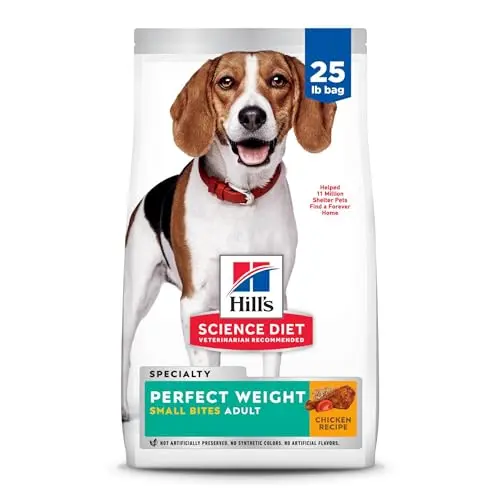
Perfect Weight Small Bites – Weight Management for Small Breeds
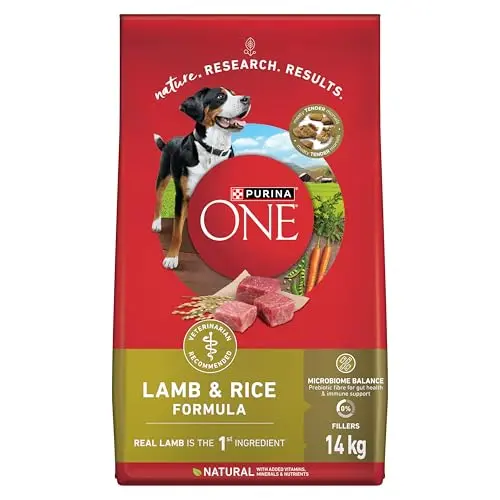
Microbiome Balance Lamb & Rice – Gut Health for Sensitive Stomachs
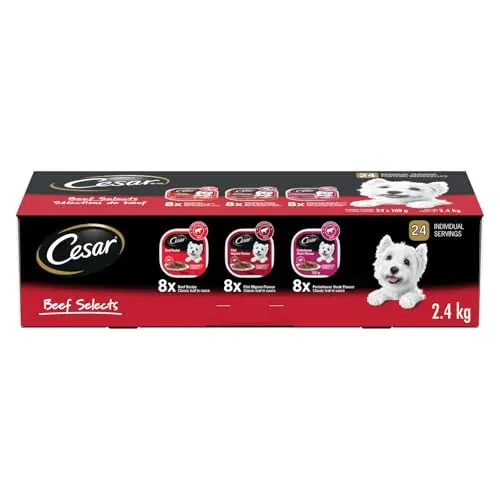
Classic Loaf in Sauce Beef Variety Pack – Mealtime Variety for Picky Eaters
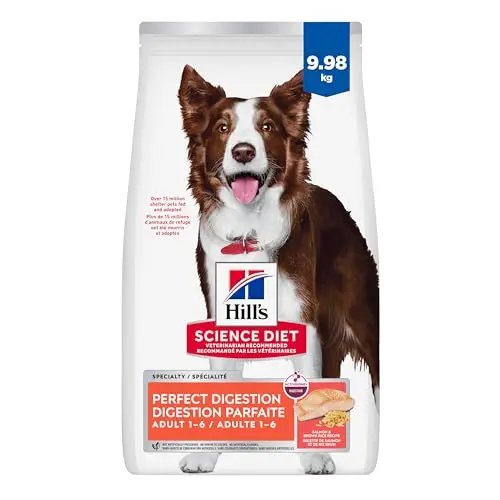
Perfect Digestion Salmon & Oats – 7-Day Digestive Support
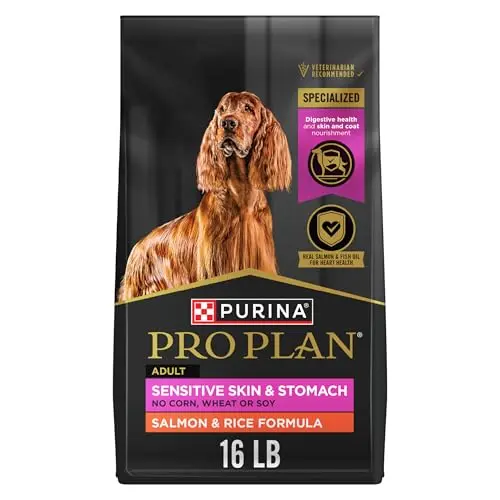
Sensitive Skin & Stomach Salmon & Rice – Soothes Tummies and Skin
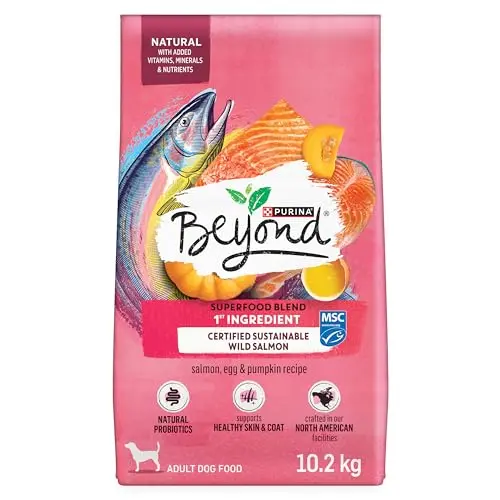
Superfood Blend Salmon, Egg & Pumpkin – Limited Ingredient, All Life Stages
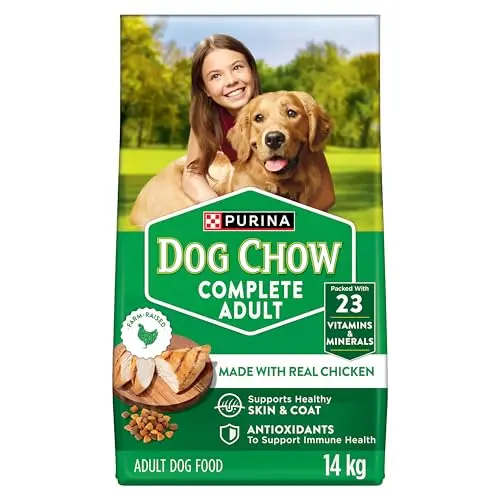
Complete Chicken – Budget-Friendly Everyday Nutrition
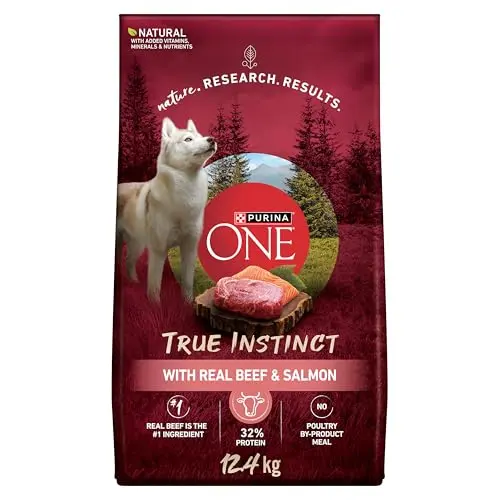
True Instinct High Protein Beef & Salmon – Active Shorkies' Fuel
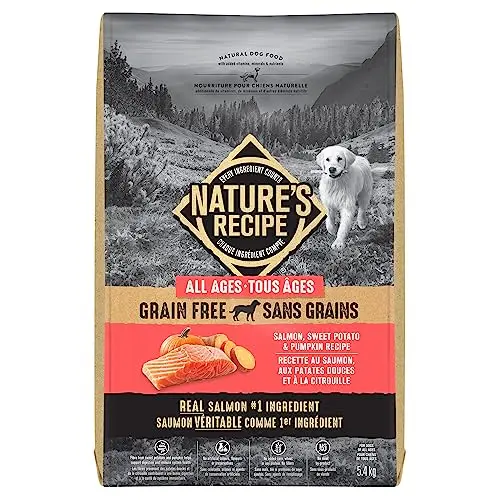
Grain Free Salmon, Sweet Potato & Pumpkin – All Natural, No Fillers
How We Evaluated These Dog Foods for Shorkies
We didn’t run laboratory nutritional analyses or long-term feeding trials. What we did: cross-referenced 9 dry and wet dog food models from 7 distinct brands across 6 decision axes – kibble size, protein quality, digestive support, ingredient transparency, skin and coat benefits, and price tier. We triangulated published specifications, ingredient panels, and aggregated owner feedback where available against the typical needs of a Shorkie-sized dog.
The scoring framework weighted real-world fit for small breeds (60%) – how well each food matched the needs of toy-sized muzzles, sensitive stomachs, and picky palates – against feature differentiation (40%) – unique benefits like weight management, prebiotic blends, or wet-food variety. We have no commercial relationship with any of the brands featured; recommendations track fit and differentiation, not brand preference. If your Shorkie struggles with weight, the Hill’s Science Diet Perfect Weight Small Bites is a clear front-runner; for a more budget-conscious pick, the Dog Chow Complete Chicken holds its own.
How to Choose the Right Dog Food for Shorkies
What Makes a Dog Food Great for Shorkies?
Shorkies may be small, but their dietary demands are surprisingly specific. The perfect food needs to check three boxes: kibble size they can actually crunch, ingredients gentle enough for easily upset stomachs, and enough flavour appeal to win over a notoriously picky eater. Because they’re a cross between Shih Tzus and Yorkies, they often inherit the diminutive jaw size of both breeds – so tiny bites are non-negotiable. Add in a tendency toward sensitive skin and food allergies, and a limited-ingredient or sensitive-stomach recipe often makes sense. Start by looking for a food where real meat leads the ingredient list, then narrow down based on your Shorkie’s specific attitude (couch potato or firecracker) and any tummy troubles.
Kibble Size: Why Tiny Mouths Need Tiny Bites
It’s the detail many new Shorkie owners miss: standard kibble pieces can be more than twice the size of what a 5-kg dog can comfortably chew. When a Shorkie has to work too hard to break down oversized morsels, they may eat less, swallow air, or even risk choking. Look for foods labelled small breed or small bites – they’re engineered to suit the narrower jaw and weaker bite pressure of toy dogs. If you’re eyeballing a bag without that promise, compare the kibble to a pea; anything bigger is likely a struggle. Even some all-breed formulas can work if the pieces are on the petite side, but it’s worth confirming through reviews before committing.
Digestive Health and Sensitive Stomachs: What to Look For
Shorkies often mirror their Yorkie parent’s delicate digestion. Signs your pup needs digestive support include frequent loose stools, gas, or occasional vomiting. Formulas with prebiotic fibres (like those in Purina ONE’s Microbiome Balance) or pumpkin and oats can firm things up by feeding beneficial gut bacteria. Avoid common triggers like soy, wheat, and artificial colours if you’re troubleshooting. For chronic issues, the Hill’s Perfect Digestion line uses ActivBiome+ technology to speed results – owners report improvement in as little as a week. Transitioning slowly (mixing 25% new food day one, then increasing) is critical to avoid backsliding.
Wet vs Dry: Which Suits Your Shorkie?
This isn’t an either/or choice; many Shorkie homes use both. Dry kibble helps scrape plaque off teeth and is easier to leave out for grazing (though free-feeding can contribute to weight gain). Wet food, meanwhile, wins on palatability and hydration – it’s often the answer for picky eaters or senior dogs with dental issues. The Cesar loaf trays are a perfect example: small portions, varieties that rotate, and a texture that goes down easy. If you’re worried about weight, stick to measured meals and consider a weight-management kibble as the base. Mixing a little wet into dry can also make the bowl more exciting without overhauling the diet.
Grain-Free or Grain-Inclusive: What's Safer?
Grain-free diets have been under scrutiny in recent years after potential links to dilated cardiomyopathy (DCM) in dogs. While research is ongoing, many vets now recommend grain-inclusive options for breeds not specifically allergic to grains. Shorkies rarely require a grain-free diet unless they’ve been diagnosed with a grain intolerance. If you do choose grain-free – as with the Nature’s Recipe option – opt for recipes that use high-quality substitutes like sweet potato and pumpkin, and keep up with annual cardiac check-ups. Most Shorkies do fine on traditional recipes that include oatmeal, rice, or barley.
Transitioning Your Shorkie to a New Food
A sudden switch can trigger the very digestive upset you’re trying to avoid. Plan for a 7- to 10-day transition: start with 25% new food mixed with 75% old for two days, then 50/50, then 75/25, before going all in. Watch stools carefully – if they become loose, slow the change. Shorkies can be stubborn, so if your picky eater refuses the new kibble, try slightly moistening it with warm water or a spoonful of wet food. Consistency wins, even if it takes a few extra days.
Frequently Asked Questions
What's the difference between Hill's Science Diet Perfect Weight Small Bites and Purina ONE Microbiome Balance?
They target different Shorkie pain points. The Hill’s Perfect Weight is laser-focused on weight control with tiny kibble and a low-calorie density – ideal if your Shorkie is carrying extra pounds. The Purina ONE Microbiome is all about gut health, using prebiotic fibre to stabilize digestion and boost immunity. Both use real meat as the first ingredient, but the Hill’s formula adds L-carnitine for metabolism, while Purina ONE leans on lamb as a novel protein that’s gentle on the stomach. Choose the Hill’s if weight is your concern; choose Purina ONE if loose stools or skin issues top your list.
Is Cesar wet food better for picky Shorkies than Hill's Perfect Digestion dry food?
It depends on what’s driving the pickiness. The Cesar wet food wins on smell and texture – the rich loaf and three flavours coax even the most stubborn snouts to the bowl. Its high moisture content also makes it easier to chew for Shorkies with dental woes. The Hill’s Perfect Digestion dry kibble, on the other hand, is designed for long-term digestive health, not just flavour. If your Shorkie gets bored easily or is outright refusing dry food, Cesar is the smarter day‑to‑day solution. If they’re eating but suffering from loose stools, Hill’s addresses the root cause. Many owners combine the two: a dry base with a wet topper for the best of both worlds.
Do Shorkies really need small-breed-specific dog food?
They don’t absolutely need a bag labelled ‘small breed,” but they do need small kibble size and a nutrient profile appropriate for tiny dogs. Small breed formulas often pack more calories per cup (because little dogs have faster metabolisms) and feature tinier pieces. A Shorkie can thrive on an all-breed formula if the kibble isn’t too large and the calorie content matches their activity level – you may just need to adjust portions. However, if you’re shopping from the start, a small-breed or small-bites option saves you the guesswork and reduces the risk of dental strain.
Can I feed my Shorkie a grain-free diet?
Yes, but proceed with caution. Grain-free diets like Nature’s Recipe replace grains with legumes and potatoes, which work for most dogs but have been linked to heart disease in some. Unless your Shorkie has a confirmed grain allergy, vets increasingly recommend grain-inclusive formulas that use wholesome grains like oats or brown rice. If you do go grain-free, pick a recipe with quality protein sources, watch for digestive changes, and discuss it with your vet at your next check-up.
How often should I feed an adult Shorkie?
Twice a day, ideally. Small dogs like Shorkies can experience hypoglycemia (low blood sugar) if they go too long between meals. Splitting their daily portion into a morning and evening feeding keeps energy levels steady and reduces begging. Most Shorkies need about ½ to ¾ cup of dry food per day spread across two meals, but adjust based on your food’s calorie density and your dog’s weight goals. Avoid free-feeding, which can lead to obesity and makes it harder to spot when your pup is off their food.
What are the signs my Shorkie needs a sensitive stomach formula?
Watch for frequent loose stools, excessive gas, rumbling tummy sounds, or occasional vomiting – especially if it happens more than once a week. Skin signs like itching, red ears, or paw licking can also point to food-related inflammation. If you’re seeing a pattern, a sensitive stomach or limited ingredient diet can help settle things. Look for recipes without common triggers (soy, wheat, artificial additives) and with added prebiotics or pumpkin. If symptoms persist, a vet visit is the next step to rule out underlying conditions.
Final Verdict
For the vast majority of Shorkies, the Hill’s Science Diet Perfect Weight Small Bites is the smartest starting point – its tiny kibble, weight-management formula, and real chicken protein address three of the most common Shorkie challenges at once. If your pup turns their nose up at dry food, the Cesar Classic Loaf in Sauce tempts even the fussiest eaters with perfect portions and variety. Budget-conscious owners will find the Dog Chow Complete Chicken covers everyday nutrition without financial strain, though you may need to monitor kibble size. Wherever you land, remember that a slow transition and a watchful eye on stools will set your Shorkie up for a happy, healthy bowl every time.