
Bulldogs are loyal, lovable companions, but their signature wrinkles and stocky build often come with a less charming side: allergies. Whether your bulldog is scratching constantly, battling ear infections, or dealing with digestive upset, the right food can dramatically improve their quality of life. It’s not just about picking any premium bag – you need a formula that specifically targets the skin and stomach sensitivities common in the breed.
We surveyed top dry dog foods that address sensitive skin and stomach issues, grain sensitivities, and breed-specific needs. From vet‑recommended classics to grain‑free limited‑ingredient recipes, we broke down what works best for bulldogs with allergies. Our picks prioritize digestible proteins, omega fatty acids, and prebiotic fibres that actually make a difference – without the marketing fluff.
Best Dog Food for Bulldogs with Allergies – 2026 Reviews
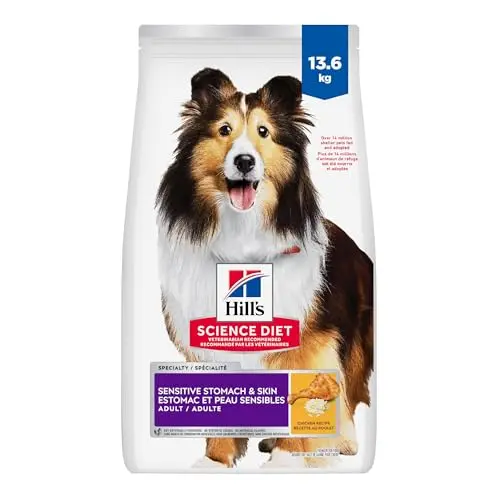
Science Diet Adult Sensitive Stomach & Skin – Gentle on Digestion and Coat
A veterinarian‑recommended formula designed to support bulldogs with sensitive systems. It combines highly digestible ingredients with prebiotic fibre and omega fatty acids to soothe stomachs and nourish the skin – a reliable all‑rounder for allergy‑prone dogs.
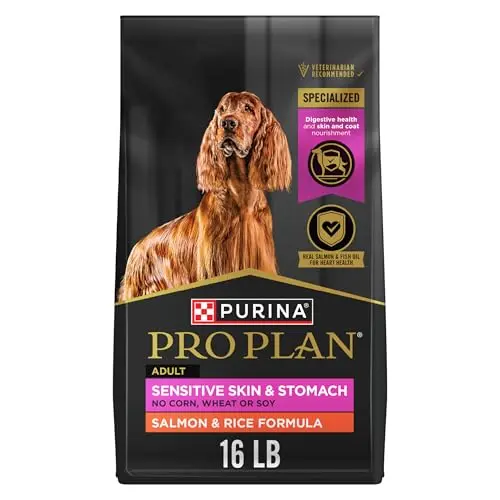
Sensitive Skin & Stomach Salmon & Rice – Prebiotic and Omega‑Rich Formula
A salmon‑first formula packed with prebiotic fibre and omega fatty acids. It targets both skin and digestive issues, making it a go‑to for bulldogs with allergy‑driven itchiness and loose stools.
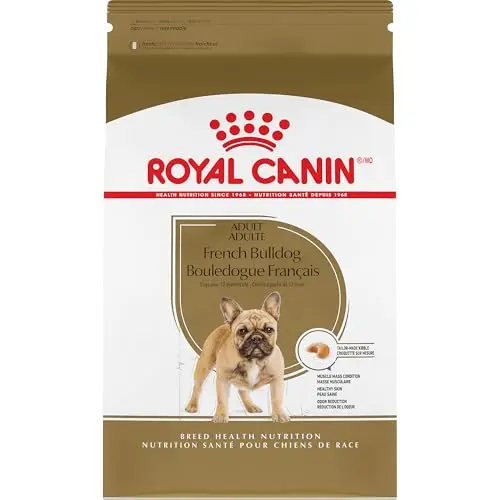
Breed Health Nutrition French Bulldog Adult – Specifically for French Bulldog Health
Tailor‑made for French Bulldogs, this formula addresses the breed’s unique skin, digestive, and jaw challenges. The curved kibble and targeted nutrients make it a practical choice for allergy‑prone Frenchies.
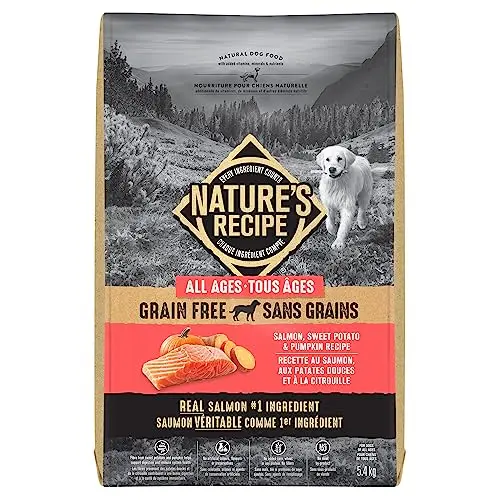
Grain Free Salmon, Sweet Potato & Pumpkin – Affordable Grain‑Free Salmon
Salmon is the first ingredient in this grain‑free, limited‑ingredient recipe. It delivers solid skin and digestion support without breaking the bank – ideal for bulldog owners exploring grain‑free on a budget.
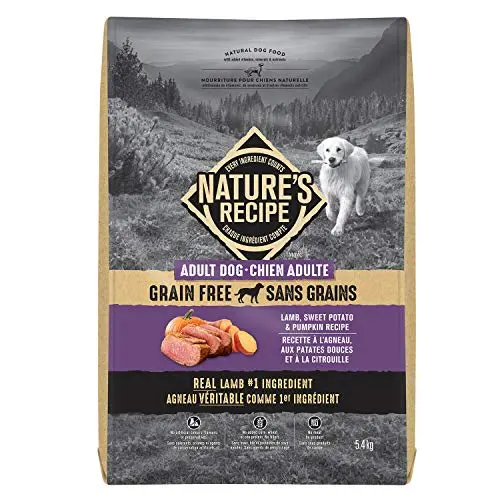
Grain Free Lamb, Sweet Potato & Pumpkin – Limited Ingredient Lamb Recipe
A grain‑free lamb‑based formula that focuses on simple ingredients for bulldogs with poultry or grain sensitivities. It’s a straightforward pick for allergy‑prone dogs who do well on red meat proteins.
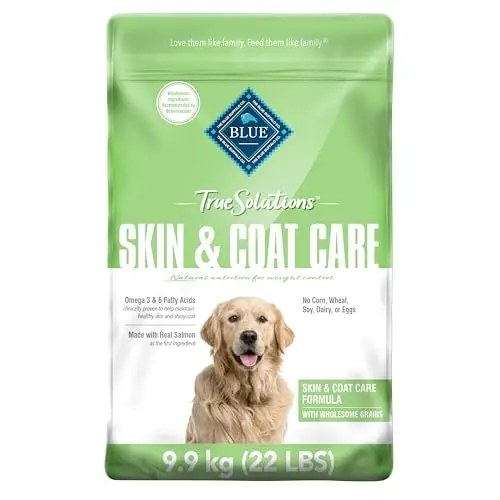
True Solutions Skin & Coat Care – Omega‑Boosted for Coat Health
A veterinarian‑formulated food that zeroes in on skin and coat wellness with salmon and omega fatty acids. It’s a targeted option for bulldogs whose allergies mainly show up as skin problems.
How We Evaluated These Dog Food for Bulldogs with Allergies
We didn’t conduct long‑term feeding trials or allergy testing with bulldogs. What we did: cross‑referenced 6 dry dog food models from 5 distinct brands across 5 decision axes – ingredient quality, digestive support, skin and coat nutrients, breed‑specific design, and owner‑reported allergy outcomes. We triangulated published specifications, aggregated owner feedback where available, and use‑case fit against the typical bulldog allergy profile.
The scoring framework weighted real‑world performance (60%) – how well each formula delivers on sensitive skin and stomach relief – against feature differentiation (40%) – unique elements like breed‑specific kibble, novel proteins, or targeted prebiotics. We have no commercial relationship with any of the brands featured; recommendations track fit and differentiation, not brand preference. If you need a broad‑spectrum allergy solution, the Hill’s Science Diet is your match; if digestive upset is the bigger concern, the Purina Pro Plan shines.
How to Choose the Right Dog Food for Bulldogs with Allergies
Protein Sources for Allergic Bulldogs
Protein is the backbone of any dog food, but for allergic bulldogs, the type matters enormously. Novel proteins – ones your dog hasn’t been exposed to – like salmon, lamb, or venison can bypass existing food sensitivities. Foods with salmon as the first ingredient, like the Pro Plan and Nature’s Recipe options, are excellent starting points because fish proteins are less commonly linked to allergic reactions than chicken or beef. If your bulldog has already been on chicken‑based diets and still scratches, a lamb or salmon formula is a logical next step. Always check the full ingredient list: ‘chicken meal’ or ‘poultry by‑products’ can sneak in and trigger flare‑ups. For bulldogs with confirmed poultry allergies, grain‑free lamb or salmon recipes often bring relief.
Grain‑Free vs Grain‑Inclusive: What's Best?
The grain‑free debate can get noisy, but for many bulldogs with allergies, it’s less about grain itself and more about specific carbohydrate sources. Some bulldogs react to corn, wheat, or soy, making grain‑free formulas like Nature’s Recipe a safer bet. Others do perfectly well on whole grains like oatmeal, which provide gentle fibre – Pro Plan’s success with sensitive stomachs proves this point. If you’re unsure, start with a grain‑inclusive sensitive‑skin formula and monitor itching and stool quality. Grain‑free is not automatically healthier; it’s about avoiding your dog’s specific triggers. For bulldogs with rashes and ear infections, eliminating grains might help, but for many, high‑quality grain‑inclusive diets work just as well and are easier on the budget.
Digestive Health and Prebiotic Fibers
Bulldogs are notorious for tummy troubles – flatulence, soft stools, and gurgling guts – often tied to food allergies. Prebiotic fibres like beet pulp (in Hill’s) and oatmeal (in Pro Plan) feed the good gut bacteria, helping regulate digestion and firm up stools. Look for digestive‑specific claims on the bag: ‘highly digestible,’ ‘natural prebiotic fibre,’ or ‘easy on the stomach’ are more than marketing slogans; they signal a formula that’s less likely to ferment and cause gas. Pumpkin is another gold‑star ingredient – it soothes the GI tract and provides soluble fibre. Both Nature’s Recipe foods include pumpkin, making them solid picks for bulldogs with cyclic diarrhoea or constipation. If your dog’s main allergy symptom is digestive chaos, prioritize foods with these gut‑friendly additions.
Skin and Coat Support with Omega Fatty Acids
Itchy, flaky skin and dull coats are classic bulldog allergy signs. Omega‑6 fatty acids from sunflower oil and omega‑3s from salmon directly combat inflammation and strengthen the skin barrier. Hill’s pairs vitamin E with omegas for a dual approach, while Blue Buffalo loads up on both 3 and 6. For bulldogs whose allergies are mostly skin‑deep, a formula with salmon and added oils can make a visible difference in weeks. However, not all omega sources are equal – look for named oils rather than generic ‘animal fat.’ If your bully’s wrinkles are chronically red and yeasty, a skin‑focused food should be your first line of defence, possibly alongside a coat supplement for extra support.
Royal Canin French Bulldog vs. Generic Sensitive Stomach Foods
If you have a French Bulldog, the choice between a breed‑specific food and a general sensitive‑skin formula comes down to physiological fit. Royal Canin’s French Bulldog Adult gives you a curved kibble that shorter‑snouted dogs can actually pick up, plus nutrients tuned to that breed’s muscle and skin needs. Generic foods like Hill’s or Pro Plan will still help with allergies, but they don’t account for the unique jaw shape or weight management needs of Frenchies. For an English Bulldog, a breed‑specific food isn’t as critical, but the same principle applies: if you can find a food that matches your dog’s structure and allergy profile, it’s often worth the extra cost. Otherwise, a top‑performing sensitive‑skin kibble will serve you well.
Frequently Asked Questions
What's the difference between Hill's Science Diet and Purina Pro Plan for bulldog allergies?
Both are excellent for sensitive bulldogs, but they take slightly different paths. Hill’s Science Diet uses chicken, prebiotic beet pulp, and a blend of vitamin E and omega‑6s to soothe stomachs and skin. It’s veterinarian‑recommended and a safe, broad‑spectrum choice. Purina Pro Plan switches the protein to salmon, adds oatmeal for digestibility, and leans heavily on natural prebiotic fibre. It’s particularly strong for dogs whose main symptom is digestive upset. If your bulldog hasn’t shown signs of chicken sensitivity, Hill’s is a trusted, all‑around formula. If you suspect poultry may be a trigger or need a more budget‑friendly option, Pro Plan is a smart move. Many bulldogs thrive on both; it often comes down to which protein your dog prefers.
Is grain‑free necessary for bulldogs with allergies?
Not necessarily, but it can help. Grain allergies in dogs are less common than protein allergies, but bulldogs with multiple food sensitivities sometimes do better without grains. Grain‑free foods like Nature’s Recipe replace grains with sweet potatoes and pumpkin, which are gentle on the stomach and less likely to cause inflammation. If your bulldog has chronic ear infections, paw licking, or hot spots, a grain‑free trial for 6-8 weeks is a reasonable step. However, many quality grain‑inclusive foods like Hill’s Science Diet use easily digestible grains and still resolve allergy symptoms. Always work with your vet to rule out environmental allergies first, and avoid grain‑free trends just for the sake of it – what matters is a complete, balanced diet that your bulldog tolerates well.
Can a bulldog with allergies eat a breed‑specific food like Royal Canin French Bulldog?
Yes, and for French Bulldogs, it’s often an ideal solution. Royal Canin French Bulldog Adult is formulated not just for allergies but for the breed’s short snout, muscle structure, and skin folds. The kibble shape encourages chewing, which can help with picky eaters, and the nutrients target skin barrier health. If you have an English Bulldog, this specific formula isn’t optimized for them, but the same principle applies: a breed‑aware food can close the gap between general allergy relief and daily comfort. Just ensure the protein source doesn’t conflict with any known allergies. For non‑Frenchies, a sensitive‑skin formula from Hill’s or Pro Plan will likely give you better overall value.
How quickly will my bulldog's allergies improve after switching food?
It varies, but visible improvements can appear in as little as 2-4 weeks. Skin coat changes take longer – expect 6-8 weeks for reduced itching and shinier fur. Digestive issues like loose stools often settle within days if the new food is a good fit. During the transition, mix the new food in gradually over 7-10 days to avoid stomach upset. Keep a symptom diary: note scratching frequency, stool quality, and ear odour. If there’s no improvement after 8 weeks, the protein or carb source might still be a trigger, and you may need to try a limited‑ingredient diet like Nature’s Recipe lamb formula. Always rule out environmental allergies – a food switch won’t fix pollen or dust mite reactions.
Final Verdict
For the vast majority of bulldogs with allergies, the Hill’s Science Diet Adult Sensitive Stomach & Skin is the most complete solution – it tackles both the skin and digestive angles and has the vet votes to back it up. If your dog’s symptoms lean heavily toward diarrhoea and gassy discomfort, the Pro Plan Sensitive Skin & Stomach is a superb, salmon‑powered alternative at a friendlier price. For French Bulldog households, Royal Canin’s breed‑specific recipe is a worthwhile upgrade that speaks directly to their build and coat needs. And when the budget is tight but you still want grain‑free, Nature’s Recipe Salmon delivers relief without compromise. The right bowl means a more comfortable, happier bulldog – and fewer frantic vet visits.