
When your dog is diagnosed with sebaceous adenitis, that chronic, itchy inflammation can feel like a never-ending battle. You’ve likely already started exploring medicated shampoos and vet-prescribed treatments, but you might be overlooking one of the most powerful tools in your arsenal: diet. The right food can help calm systemic inflammation, support skin barrier repair, and even reduce those desperate scratching sessions.
But not all skin-supportive foods are created equal. For sebaceous adenitis, you need a formula that goes beyond basic ‘healthy skin and coat” claims. The real difference-makers are omega-3 fatty acids from fish oil, which actively fight inflammation, and novel or limited protein sources that minimize immune system triggers. Throw in prebiotics for gut health (because a happy gut often means happier skin), and you’ve got a powerful recipe.
We’ve surveyed the market across multiple brands to find the options that bring these elements together. Whether you’re after a premium omega-rich recipe, a budget-friendly limited-ingredient dry food, or a formula tailored for a small breed, this guide breaks down what matters most for dogs with sebaceous adenitis.
Best Dog Food for Sebaceous Adenitis – 2026 Reviews
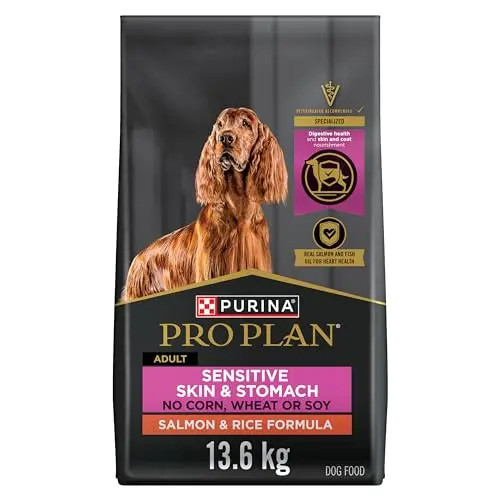
Sensitive Skin & Stomach Salmon & Rice – Omega-Rich Skin Support
A standout choice for dogs with sebaceous adenitis, this recipe combines real salmon as the first ingredient with fish oil rich in omega-3s to tackle inflammation at its source. Sunflower oil adds omega-6s for coat health, while oatmeal and prebiotic fibre keep digestion gentle-a bonus when skin and gut issues often go hand in hand.
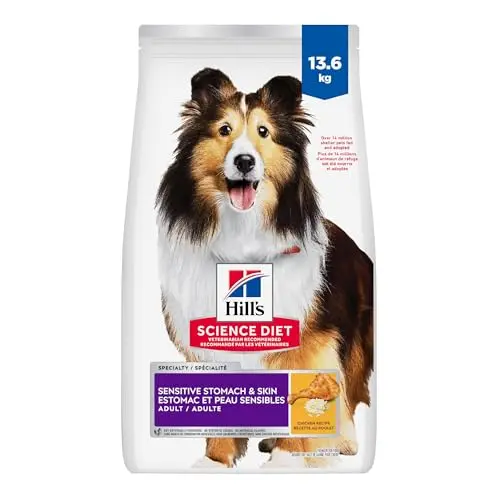
Adult Sensitive Stomach & Skin Chicken Recipe – Digestive Health Focus
Hill’s brings its vet-trusted pedigree to this chicken-based formula that prioritizes gentle digestion and skin nourishment. With prebiotic fibre from beet pulp and added vitamin E and omega-6 fatty acids, it’s a solid option if your dog also struggles with stomach sensitivity alongside skin issues.
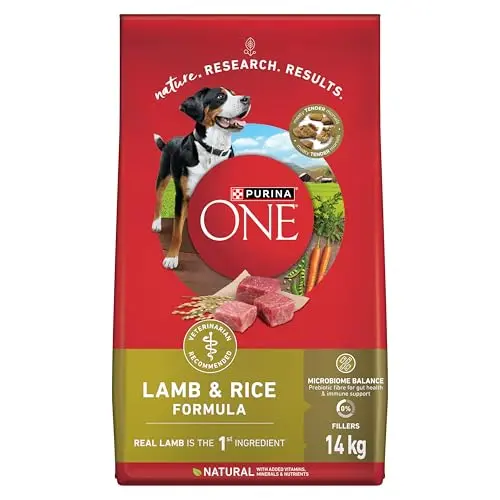
Microbiome Balance Lamb & Rice – Budget-Friendly Skin Support
Real lamb is the first ingredient in this wallet-friendly option that leverages prebiotic fibre and microbiome science to support overall health. Owners consistently note reductions in skin itchiness, and the price point makes it accessible for long-term feeding.

Superfood Blend Salmon, Egg & Pumpkin – Limited Ingredient Simplicity
A natural, limited-ingredient formula built around wild-caught salmon, this food skips corn, wheat, soy, and poultry by-products. It’s a straightforward option for owners wanting a clean label and a novel protein source without breaking the bank.
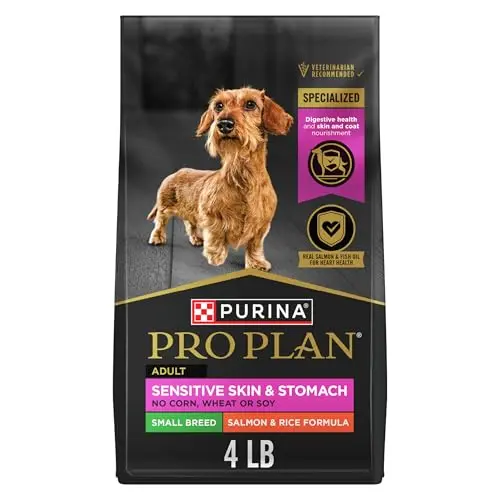
Sensitive Skin & Stomach Small Breed Salmon & Rice – Pint-Sized Powerhouse
This small breed-specific formula takes the same omega-3-rich salmon and skin-supportive recipe as the top pick and tailors the kibble size and nutrient density for smaller mouths and higher metabolisms. It’s the smart choice for toy and miniature dogs with sebaceous adenitis.
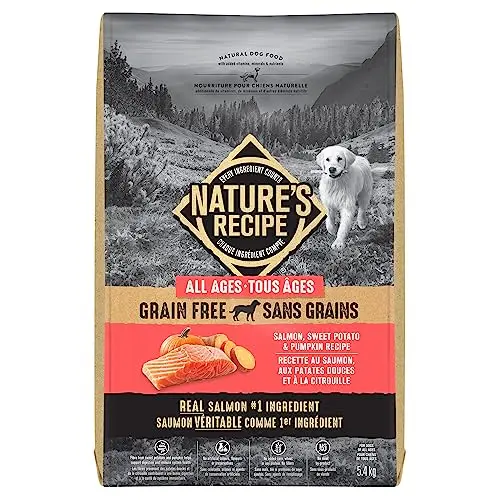
Grain Free Salmon, Sweet Potato & Pumpkin – All-Life Stages Simplicity
A grain-free, salmon-first recipe that avoids artificial additives and fillers, this food simplifies the ingredient list while targeting skin and coat health. It’s a solid option for owners seeking a straightforward, naturally preserved dry food.
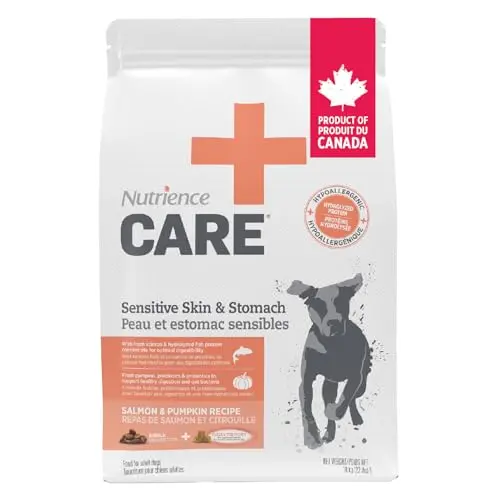
Care Sensitive Skin & Stomach Salmon – Canadian-Made Hypoallergenic Option
Crafted with fresh Canadian salmon and boosted by coconut oil, salmon oil, and a gut-soothing blend of pumpkin and prebiotics, this grain-free formula is designed specifically for dogs with digestive issues and skin conditions. It’s a premium, hypoallergenic pick that supports the gut-skin axis.
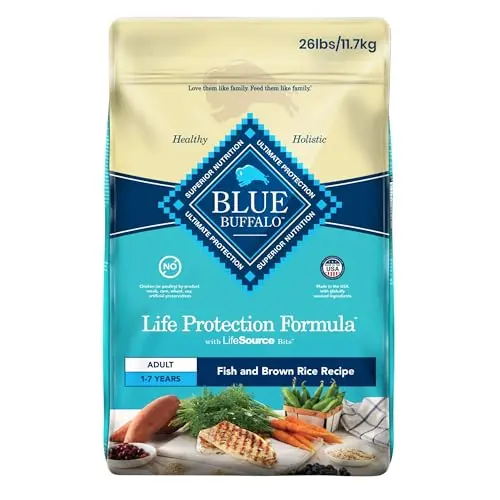
Life Protection Formula Fish & Brown Rice – Omega Foundation with LifeSource Bits
Featuring deboned whitefish as the first ingredient and omega-3 and omega-6 fatty acids, this all-natural recipe includes Blue Buffalo’s signature LifeSource Bits for immune support. It’s a grain-inclusive, limited-ingredient option for owners comfortable with fish-based proteins.
How We Evaluated These Dog Foods for Sebaceous Adenitis
We didn’t run veterinary-supervised skin trials or controlled dietary studies. What we did: cross-referenced 8 dog food models from 7 distinct brands across 6 key decision axes-omega-3 fatty acid content, protein source and novelty, inclusion of prebiotics and probiotics, digestibility and fibre profile, presence of artificial additives, and reported owner experiences with skin conditions. We triangulated published ingredient panels, guaranteed analysis, and aggregated owner feedback where available, then mapped each food against the nutritional priorities for managing sebaceous adenitis.
The scoring framework weighted real-world anti-inflammatory potential (60%)-how effectively the recipe delivers omega-3s, avoids common triggers, and supports the skin barrier-against feature differentiation (40%)-unique advantages like baked-in prebiotics, vet endorsements, or breed-specific sizing. We have no commercial relationship with any of the brands featured; our recommendations track nutritional fit and owner-reported outcomes, not brand preference. If your dog’s inflammation needs a powerful omega-3 punch, the Sensitive Skin & Stomach Salmon & Rice is your top bet; if digestive sensitivity runs alongside skin issues, the Hill’s Science Diet offers balanced support.
How to Choose the Right Dog Food for Sebaceous Adenitis
Understanding Sebaceous Adenitis and the Role of Diet
Sebaceous adenitis is an autoimmune condition where the sebaceous glands become inflamed, leading to dry, flaky skin, hair loss, and often secondary infections. While medication and topical treatments are essential, diet plays a powerful supportive role. The goal is to reduce systemic inflammation and bolster the skin barrier from the inside out. The right food can dial down itching and help the skin retain moisture, making your dog more comfortable between vet visits.
Look for recipes that combine anti-inflammatory omega-3 fatty acids with novel or limited protein sources. Fish-based formulas are often the best starting point because they naturally deliver EPA and DHA, two omega-3s that actively calm the immune response. Additionally, a healthy gut microbiome is increasingly linked to skin health, so prebiotics and easily digestible carbohydrates are a plus.
Omega-3 and Omega-6 Fatty Acids: The Inflammation Balancers
Omega-3s (found in fish oil, flaxseed, and certain algae) are the stars here-they produce compounds that reduce inflammation. Omega-6s (from poultry fat, sunflower oil) are also important for skin barrier function but can be pro-inflammatory in excess. For a dog with sebaceous adenitis, you want a food with a higher omega-3 to omega-6 ratio. Salmon-based recipes like the Pro Plan Sensitive Skin & Stomach are ideal because they pack fish oil high on the ingredient list. Chicken-based foods, while often well-loved, tend to be richer in omega-6s-so they may be less effective for acute flare-ups unless they add fish oil separately.
Protein Source and Novelty: Reducing Immune Triggers
Since sebaceous adenitis is immune-mediated, protein allergies can compound the problem. If your dog has never eaten lamb or salmon, switching to a novel protein can remove a hidden trigger. The Purina ONE Lamb & Rice and the fish-forward options from Nutrience and Beyond all offer alternative proteins. Many owners report that a switch to salmon resolved persistent itching that chicken-based foods couldn’t touch. Even if your dog doesn’t have a diagnosed allergy, a novel protein can give the immune system a break.
Gut Health: The Skin-From-Within Connection
A growing body of research shows that the gut-skin axis matters enormously. Prebiotic fibres like those from beet pulp, oatmeal, or chicory root feed beneficial gut bacteria, which in turn produce short-chain fatty acids that calm inflammation throughout the body-including the skin. Foods like Hill’s Science Diet, with its fibre blend with probiotics, and Nutrience Care, with its Digestiboost blend, specifically target this pathway. If your dog has a history of both skin and digestive upset, prioritizing gut health in their food choice can yield double benefits.
Grain-Free vs. Grain-Inclusive: Does It Matter?
The grain-free debate is loud, but for sebaceous adenitis, there’s no one-size answer. Some dogs genuinely do better without grains like corn or wheat, especially if they have concurrent allergies. Grain-free options like Nature’s Recipe or Nutrience Care use sweet potato, peas, or legumes instead, which can be easier for sensitive systems to digest. However, for many dogs, wholesome grains like oatmeal or brown rice (found in the Pro Plan and Blue Buffalo formulas) are perfectly fine and may actually provide beneficial fibre. The more important factor is whether the food contains common triggers-so check for fillers, artificial additives, and your dog’s known triggers before fixating on grain status.
Kibble Size and Breed Considerations
Smaller breeds with sebaceous adenitis face a unique challenge: kibble that’s too large can be uncomfortable to chew, and their faster metabolisms need nutrient-dense formulas. That’s where the Pro Plan Small Breed Salmon recipe shines-it shrinks the kibble while keeping the omega-3 levels high. For large breeds, standard kibble is fine, but you’ll want a bag size that doesn’t need replacing every week. Consider the practical aspects alongside the ingredient list: a food your dog won’t comfortably eat isn’t going to work, no matter how good the formula.
Frequently Asked Questions
What's the difference between the Pro Plan Sensitive Skin & Stomach and the Hill's Science Diet Sensitive Stomach & Skin?
Both are excellent for dogs with skin and stomach sensitivities, but they lean on different primary ingredients. The Pro Plan uses salmon as its first ingredient and adds fish oil, giving it a clear omega-3 advantage-the anti-inflammatory punch that’s especially valuable for sebaceous adenitis. The Hill’s recipe is chicken-based with added vitamin E and omega-6s, and it includes a beet pulp prebiotic for digestive health. Owners report that the Pro Plan often works faster for itching, while the Hill’s is a go-to when stomach issues are the bigger concern. Both are vet-trusted, but for pure skin inflammation, the Pro Plan’s salmon and fish oil combo is hard to beat.
Can diet alone manage sebaceous adenitis in dogs?
Diet is a powerful supportive tool, but it’s rarely a standalone cure for this autoimmune condition. A food rich in omega-3 fatty acids can significantly reduce inflammation and itching, making your dog more comfortable and potentially reducing the need for medication. However, most dogs with sebaceous adenitis also require veterinary care-including medicated shampoos, topical treatments, and sometimes immunosuppressive drugs. Think of the right food as amplifying the effectiveness of those treatments while improving overall skin barrier health. Always work with your vet to create a comprehensive plan; the food recommendations here are a complement, not a replacement, for professional treatment.
Should I choose a grain-free food for my dog with sebaceous adenitis?
Not necessarily. While some dogs with concurrent allergies do better on grain-free diets, grains themselves are not a proven trigger for sebaceous adenitis unless your dog has a specific intolerance. The real focus should be on high-quality, anti-inflammatory ingredients. Foods like the Pro Plan and Hill’s diets include beneficial grains like oatmeal or rice, which provide gentle fibre and can actually support gut health. If you suspect a grain sensitivity, introduce a grain-free option like Nature’s Recipe Grain Free Salmon or Nutrience Care and monitor your dog’s skin for 8-12 weeks. But don’t assume grain-free is automatically better; it’s more important to avoid artificial additives and fillers, and to ensure a solid omega-3 source.
Is Nutrience Care a good alternative to Pro Plan for sensitive skin?
Yes, and in some ways it’s even more targeted. The Nutrience Care Sensitive Skin & Stomach formula uses fresh Canadian salmon and includes coconut oil and salmon oil for a robust omega-3 blend. It’s also grain-free, hypoallergenic, and packed with a Digestiboost blend of gut-soothing ingredients. Owners report significant improvements in skin rashes and allergy symptoms. The Pro Plan has the advantage of being more widely available and often more cost-effective, plus it’s backed by extensive feeding trials. If budget is a concern or you need a small breed option, Pro Plan is still the top pick. But if you want a premium, locally sourced formula with maximum gut-skin support, Nutrience Care is a stellar alternative-just watch for the higher price point.
My picky dog won't eat fish-based food. Are there chicken options that still support skin health?
Yes, the Hill’s Science Diet Adult Sensitive Stomach & Skin is a chicken-based recipe that still provides skin nourishment through vitamin E and omega-6 fatty acids, and its prebiotic fibre supports digestion. While it has fewer omega-3s than salmon-based foods, it can still be effective, especially if your dog’s sebaceous adenitis is mild or well-managed with other treatments. Another alternative is the Purina ONE Lamb & Rice, which uses lamb as a novel protein and has owner reports of reduced skin itchiness. If chicken is a must, stick to formulas with added fish oil or consider supplementing with a separate omega-3 oil recommended by your vet.
Final Verdict
For the vast majority of dogs battling sebaceous adenitis, the Purina Pro Plan Sensitive Skin & Stomach Salmon & Rice is the clear winner. Its salmon-first, omega-3-rich formula directly addresses inflammation while staying gentle on the stomach, and owner reviews confirm it works where many others don’t. If your dog struggles with stomach sensitivity as much as skin issues, the Hill’s Science Diet Sensitive Stomach & Skin is a vet-trusted alternative with proven digestive support. And for budget-conscious owners, the Purina ONE Lamb & Rice delivers real skin relief without the premium price. Whichever you choose, pairing the right food with your vet’s treatment plan is the best step toward soothing your dog’s skin and restoring their comfort.