
Dealing with a dog that suffers from gastroesophageal reflux disease (GERD) can be stressful. The constant regurgitation, discomfort after meals, and potential damage to the esophagus make finding the right food a top priority. While medication can help, diet is often the most impactful first step in managing symptoms.
Not all dog foods are created equal when it comes to acid reflux. The best dog food for GERD needs to be highly digestible, low in fat (to minimize pressure on the esophageal sphincter), and packed with ingredients that soothe the stomach. In this guide, we’ve surveyed the market to identify the formulas that stand out for digestive health, based on ingredient quality, nutritional balance, and owner feedback.
Whether your dog needs a grain-free option, a weight management boost, or simply a gentle daily diet, we’ve got recommendations that cover the spectrum. Let’s dive into the top picks for dogs with acid reflux.
Best Dog Food for GERD – 2026 Reviews
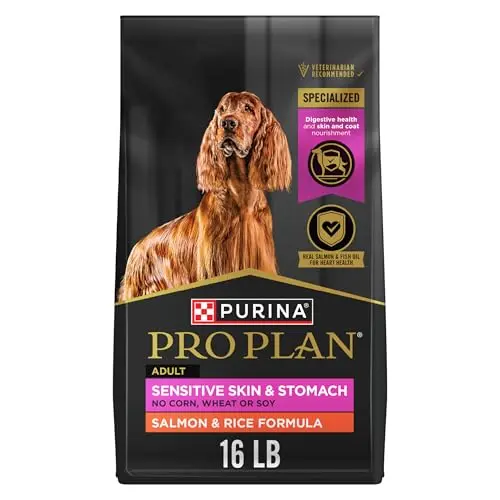
Sensitive Skin & Stomach Salmon & Rice – Digestive Support Without the Irritation
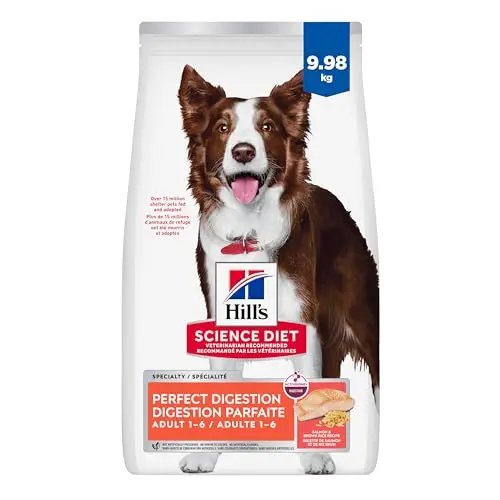
Perfect Digestion Salmon, Oats & Brown Rice – Clinically Shown Gut Relief
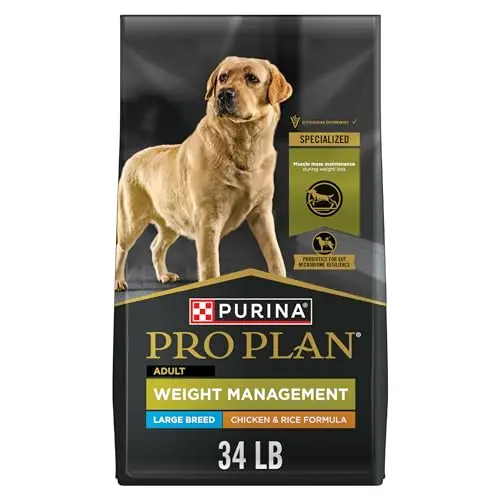
Weight Management Large Breed Chicken & Rice – Lean Protein for Heavy Dogs
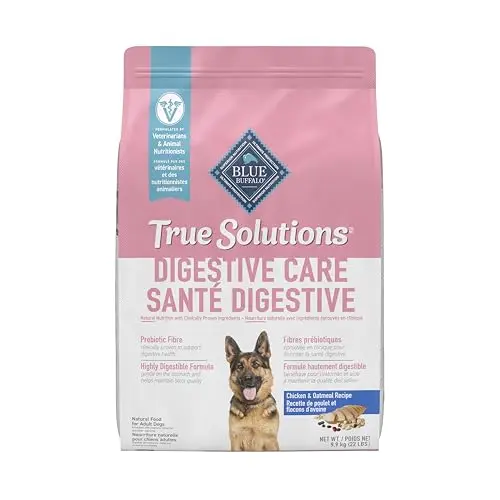
True Solutions Digestive Care Chicken Recipe – Prebiotic Power for Tender Tummies
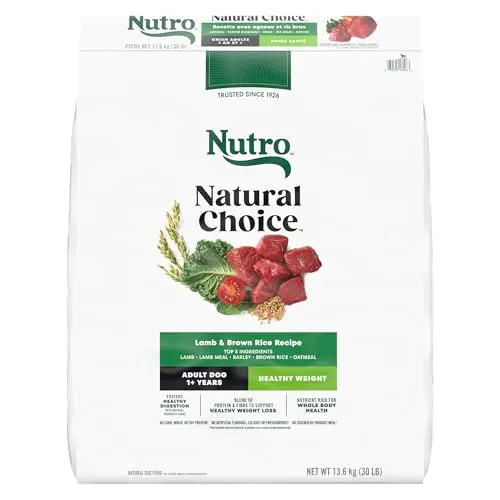
Healthy Weight Lamb & Rice – Mellow on the Belly
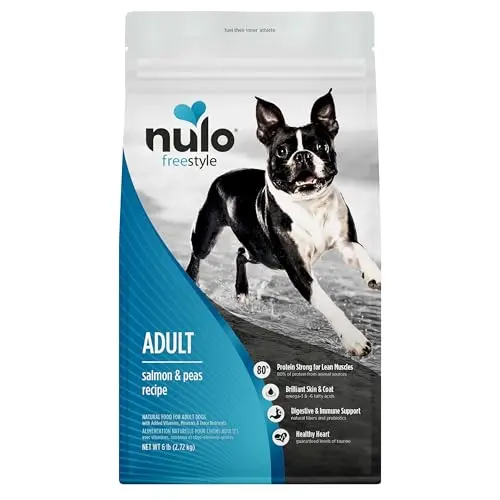
Freestyle Salmon & Peas Grain-Free – Probiotic-Rich for Gut Health
How We Evaluated These Dog Foods for GERD
We didn’t conduct veterinary-supervised feeding trials or endoscopy studies on these foods. Instead, we cross‑referenced 6 dog foods from 5 distinct brands across 5 decision axes – ingredient quality, digestive health claims, protein and fat levels, prebiotic/probiotic content, and real‑world owner feedback on stomach issues. We mapped published nutritional profiles, triangulated ingredient lists against common GERD triggers, and pressure‑tested each formula’s digestive‑support features against representative buyer profiles for dogs with acid reflux.
The scoring framework weighted real‑world digestive performance (60%) – how well each food addresses reflux based on owner reports and nutritional design – against feature differentiation (40%) – unique ingredients like BC30 probiotic or ActivBiome+ technology. We have no commercial relationship with any of the brands featured; recommendations track fit and differentiation, not brand preference. If your dog struggles with food‑triggered reflux, the Sensitive Skin & Stomach Salmon & Rice is our overall pick; if you need a more targeted digestive formula, the Perfect Digestion Salmon, Oats & Brown Rice is purpose‑built for gut health.
How to Choose the Right Dog Food for GERD
Understanding GERD in Dogs and Why Diet Matters
Gastroesophageal reflux disease in dogs often goes unnoticed until chronic regurgitation or discomfort appears. The condition occurs when the lower esophageal sphincter weakens, allowing stomach acid to flow backward. Diet plays a critical role because the wrong food can trigger acid production or fail to keep the sphincter closed. A low‑fat, easily digestible diet is usually the first line of defence, reducing pressure on the sphincter and minimising irritation.
While any dog can develop GERD, certain factors like obesity, hiatal hernias, or food sensitivities increase the risk. If you suspect your dog has GERD, consult your vet before switching foods. For dogs already diagnosed, choosing a food that aligns with these digestive goals can dramatically cut down on symptoms and medication needs.
Key Ingredients That Help Manage Acid Reflux
Look for single-source animal proteins like salmon, lamb, or deboned chicken. These tend to be less inflammatory than meat meals or by‑products. Prebiotic fibres from ingredients like oatmeal, pumpkin, or chicory root feed beneficial gut bacteria, while probiotics (like BC30 or Enterococcus faecium) can stabilise the digestive tract. Avoid high‑fat proteins like beef or pork, as fat delays stomach emptying and increases reflux risk.
Omega‑3 fatty acids from salmon or fish oil also have natural anti‑inflammatory properties that can soothe an irritated esophagus. Whole grains like brown rice or oats are generally well‑tolerated and provide steady energy without spiking acid production. If your dog shows signs of grain intolerance, a limited‑ingredient or grain‑free formula might be trialled – but only under veterinary guidance.
Wet vs. Dry Food: Which Is Better for GERD?
Both wet and dry food can work for dogs with GERD, but the choice often comes down to your dog’s preferences and specific needs. Dry kibble is convenient and helps with dental health, but some dogs with oral discomfort from acid damage may find it hard to chew. Wet food can be easier to swallow and can mix with water for added hydration, which dilutes stomach acid. However, wet food typically contains more fat per serving, so you’ll need to scrutinize labels carefully.
A middle ground is to add warm water to dry kibble, creating a softened, porridge‑like consistency that’s gentle on the throat. Regardless of format, feeding smaller, more frequent meals (3-4 times daily) is a proven strategy for keeping acid levels stable throughout the day.
How to Transition Your Dog to a New Food
Sudden diet changes can shock your dog’s system and worsen reflux. Gradually introduce the new food over 7-10 days, starting with 25% new food and 75% old, and slowly shifting the ratio. Watch for signs like increased regurgitation, lip‑licking, or reluctance to eat, and slow the transition if needed. Probiotic‑enhanced foods may cause temporary loose stools as the gut flora adjusts, but this usually resolves within a week.
If your dog vomits undigested food hours after eating, try elevating the food bowl or using a slow‑feeder to reduce air swallowing. Consistent meal timing also matters – aim to feed at the same times each day so the stomach isn’t empty for prolonged periods.
Brand Showdown: Hill's Science Diet vs Purina Pro Plan for Digestive Health
Both Hill’s Science Diet and Purina Pro Plan offer strong contenders for GERD management, but they take different approaches. The Hill’s Perfect Digestion leans heavily on ActivBiome+ technology and pumpkin for rapid stool improvement, making it ideal if irregularity is part of the picture. Pro Plan Sensitive Stomach, on the other hand, centres on salmon and oatmeal for a simple, ingredient‑focused formula that reduces potential triggers.
For dogs needing weight management, the Pro Plan Weight Management combines probiotics with a low‑fat profile. If your budget is tight, the Blue Buffalo True Solutions Digestive Care offers a solid, cost‑conscious alternative. Ultimately, the best choice depends on your dog’s specific triggers and whether additional issues like skin problems or joint pain need addressing.
Frequently Asked Questions
What's the difference between Hill's Science Diet Perfect Digestion and Purina Pro Plan Sensitive Skin & Stomach?
The Hill’s formula is specifically engineered for digestive regularity, using pumpkin and a blend of prebiotics to normalise stools in as little as seven days. It’s best for dogs whose GERD comes with diarrhoea or inconsistent bowel movements. Purina Pro Plan’s Sensitive Skin & Stomach, meanwhile, focuses on limited ingredients and skin‑and‑coat health alongside stomach comfort. Its salmon‑based, oatmeal‑inclusive recipe is gentler for dogs with multiple sensitivities. Both are low‑fat and well‑suited for reflux, but if your dog’s main issue is irregularity, Hill’s may offer faster relief.
Can a grain‑free diet help my dog's GERD?
Grain‑free diets can be beneficial if your dog has a grain intolerance that triggers inflammation, which in turn worsens reflux. However, grains themselves aren’t a common cause of GERD. The Nulo Freestyle Salmon & Peas is a grain‑free option that includes BC30 probiotic for gut health, but it should be used under veterinary supervision due to ongoing concerns about grain‑free diets and canine heart health. For most dogs, a diet with wholesome grains like oats or brown rice is both safe and supportive of digestive health.
How long does it take for a new dog food to help with acid reflux?
Improvement can vary, but many owners see noticeable changes within 2-3 weeks of switching to a suitable food. Acute symptoms like gagging or regurgitation often subside sooner if the new food is lower in fat and easier to digest. Full digestive adaptation can take up to 6-8 weeks as the gut microbiome stabilises. Keep a symptom diary during the transition, and if you don’t see progress after a month, consult your vet about a therapeutic diet or medication adjustments.
Should I feed my dog smaller, more frequent meals for GERD?
Yes, this is one of the most effective, medication‑free strategies. Smaller meals reduce the volume of acid produced at any one time, and frequent feedings (3-4 per day) prevent the stomach from being completely empty for too long, which can let acid irritate the esophageal lining. Pair this schedule with a low‑fat, easily digestible food like Purina Pro Plan’s Sensitive Skin & Stomach or Hill’s Perfect Digestion, and you may see a dramatic drop in overnight reflux events.
Final Verdict
For most dogs battling GERD, the Purina Pro Plan Sensitive Skin & Stomach Salmon & Rice is our top recommendation. It combines a lean, digestible protein with prebiotic fibre and a simple ingredient list that avoids common reflux triggers. If your dog needs a more intensive digestive overhaul, the Hill’s Science Diet Perfect Digestion brings science‑backed rapid relief. For overweight large breeds, the Pro Plan Weight Management tackles both waistline and digestive health. Whichever you choose, pair it with smaller, frequent meals and a slow transition – your dog’s comfort is worth the extra effort.