
You’ve roasted the chicken, steamed the carrots, and even portioned out the brown rice-only to wonder: is this really a balanced meal for my dog? Homemade dog food seems simple, but the truth is, without the right nutrient mix, your dog could miss out on essential vitamins, minerals, and amino acids. That’s where high-quality nutrient mixes save the day.
From dehydrated base mixes that become the vegetable-and-grain backbone of a meal, to multivitamin powders that plug nutritional gaps, the market is full of options. We’ve focused on top-performing products across different brands to help you choose a mix that fits your dog’s needs and your kitchen routine.
Best Nutrient Mixes for Homemade Dog Food – 2026 Reviews
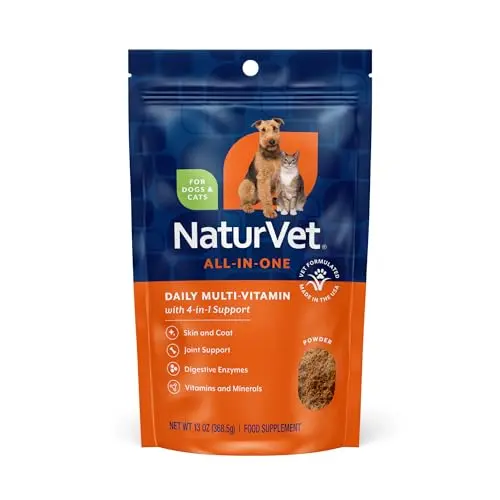
All-in-One Supplement Powder – Four-in-One Daily Support
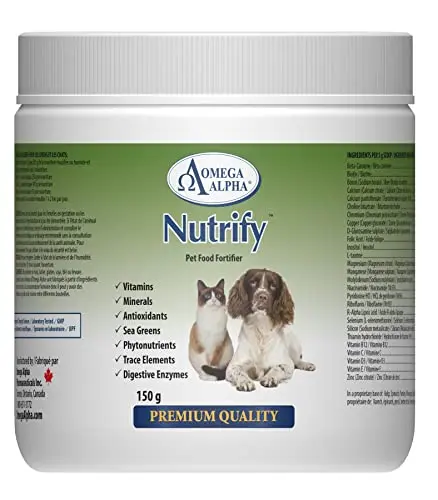
Nutrify Multivitamin Powder – Gentle Daily Nutrition
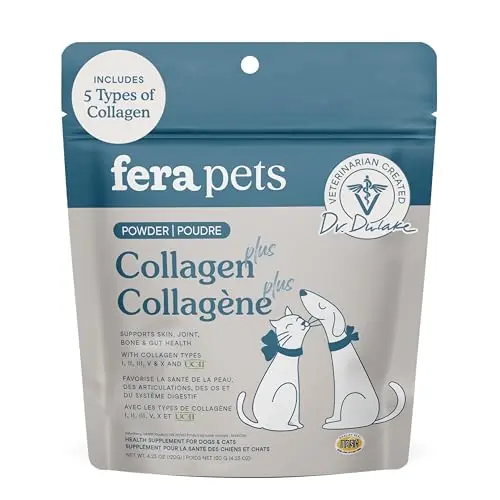
Collagen Powder Topper – Joint & Skin Support with UC-II
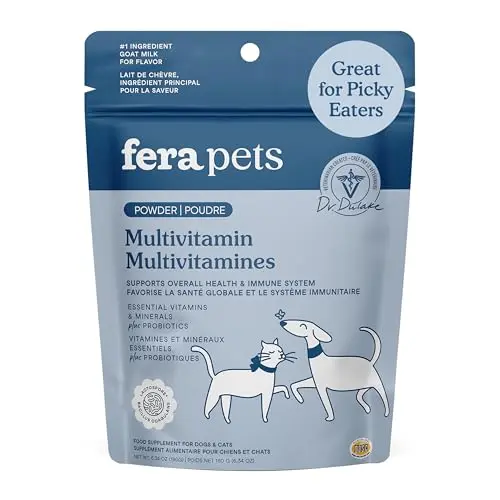
Goat Milk Multivitamin Topper – Probiotic-Rich Daily Boost
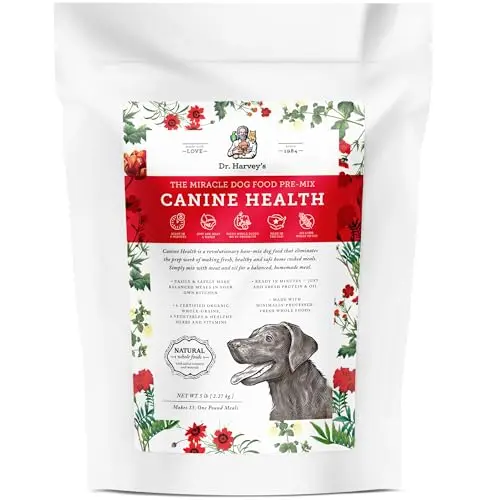
Canine Health Base Mix – Whole Grain & Veggie Foundation
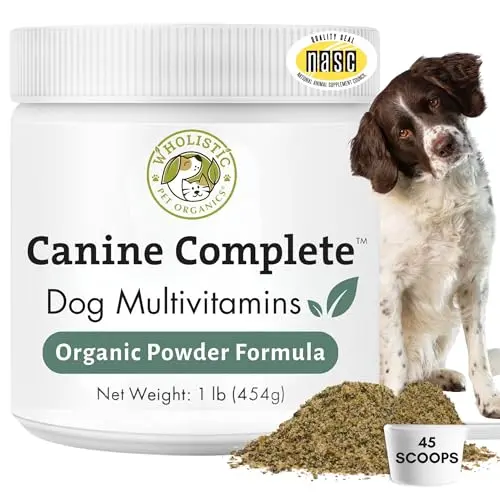
Canine Complete Multivitamin Powder – Total Body Health
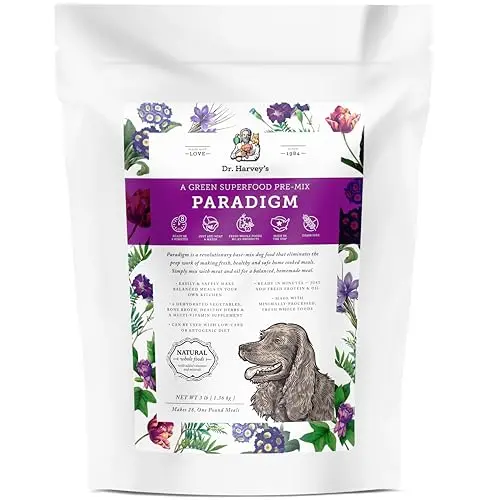
Paradigm Green Superfood Base – Low-Carb Veggie Blend
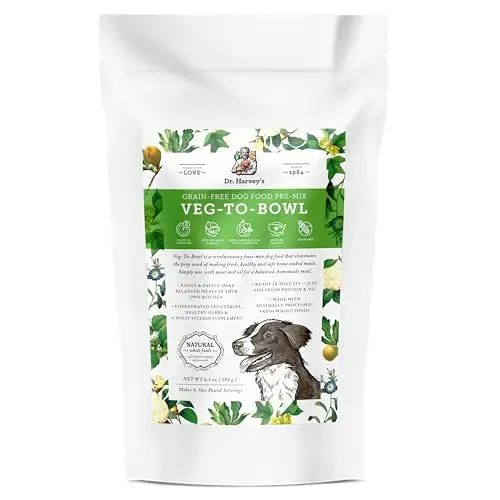
Veg-to-Bowl Trial Size – Grain-Free Starter Mix
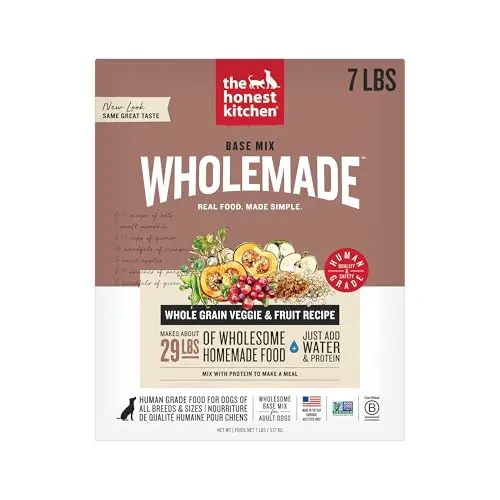
Whole Grain Dehydrated Base Mix – Just Add Protein
How We Evaluated These Nutrient Mixes for Homemade Dog Food
We didn’t run lab nutritional analyses or long-term feeding trials. What we did: cross-referenced 9 nutrient mixes from 6 distinct brands across 5 decision axes-ingredient quality, nutritional completeness, ease of preparation, owner feedback, and dietary suitability. We triangulated published specifications, aggregated real-world owner experiences, and use-case fit against common homemade feeding scenarios.
The scoring framework weighted real-world performance (60%)-how well each mix delivers balanced nutrition in a homemade context-against feature differentiation (40%)-unique formulation advantages like low-carb, grain-free, or probiotic boosts. We have no commercial relationship with any of the brands featured; recommendations track fit and differentiation, not brand preference. If you’re seeking an all-in-one daily supplement, the NaturVet All-in-One covers the bases; if you’re preparing homemade meals and need a whole-food foundation, the Dr. Harvey’s Canine Health is our go-to.
How to Choose the Right Nutrient Mix for Homemade Dog Food
The Two Types of Nutrient Mixes: Base Mixes vs. Supplements
When you’re diving into homemade dog food, the first choice is whether you need a base mix or a supplement powder. Base mixes-like those from Dr. Harvey’s and The Honest Kitchen-are dehydrated blends of vegetables, grains (or grain-free), and minerals that provide the vegetable and carbohydrate portion of the meal. You add your own cooked protein and oil, and you’ve got a complete meal. They’re ideal if you’re building meals from scratch and want to skip the chopping and measuring. Supplements like the NaturVet All-in-One or Omega Alpha Nutrify are vitamin/mineral/probiotic powders that you sprinkle onto any food-homemade or commercial-to fill nutritional gaps. They’re more flexible but don’t provide the bulk or texture of a base. If your dogs’ main protein is taken care of but you worry about micronutrients, a supplement may be all you need.
Ingredients That Matter: What to Look For on the Label
Whether you choose a base or supplement, ingredient transparency is non-negotiable. Look for whole-food ingredients you recognize: sweet potatoes, carrots, apples, turmeric rather than vague “vegetable blend.” For supplements, check for chelated minerals (easier to absorb), active probiotics with guaranteed CFU counts, and natural vitamin sources like eggshell calcium rather than synthetic isolates. Avoid artificial colours, preservatives, and fillers like corn gluten meal. The best mixes-whether the grain-inclusive Canine Health or the grain-free Paradigm-list every ingredient clearly, and many are human-grade, which isn’t just marketing; it means manufactured in a facility that follows human food safety protocols.
Grain vs. Grain-Free: Does It Matter for Your Dog?
The grain debate isn’t just trendy-it can have real health implications. Whole grains like oats, barley, and brown rice provide sustained energy and fiber, and for most dogs, they’re easily digestible. Dr. Harvey’s Canine Health and The Honest Kitchen Whole Grain mixes lean into these, making them great for active or normal-weight dogs. Grain-free bases like Paradigm and Veg-to-Bowl swap grains for more vegetables and sometimes legumes, which can be beneficial for dogs with specific allergies or those needing a low-glycemic diet (diabetic dogs). However, grain-free doesn’t automatically mean healthier; unless your dog has a diagnosed sensitivity, a high-quality grain-inclusive mix often provides a better cost-to-nutrition ratio. When in doubt, consult your vet and consider a trial bag like Veg-to-Bowl to test tolerance.
Dr. Harvey's vs. The Honest Kitchen: Which Base Mix Is Right for You?
Both brands are leaders in dehydrated base mixes, but they have distinct strengths. Dr. Harvey’s offers highly specialized lines-Canine Health for everyday, Paradigm for low-carb needs, Veg-to-Bowl for protein control-with a focus on organic ingredients and therapeutic benefits like kidney support. The Honest Kitchen, on the other hand, delivers a larger-batch, workhorse option that makes up to 29 pounds of food from one box, using human-grade whole grains and a simpler ingredient panel. If you’re managing a specific health condition, Dr. Harvey’s targeted formulas have an edge. If you need to feed multiple dogs or want a cost-effective, large-scale base that still uses human-grade ingredients, The Honest Kitchen is our pick for volume and value.
Making the Switch: How to Transition to a Nutrient-Boosted Homemade Diet
Switching from kibble to a homemade base or adding a supplement shouldn’t happen overnight. Start by replacing 25% of the old food with the new mix for a few days, then gradually increase over 7-10 days. This allows the gut microbiome to adjust, especially with fiber-rich bases. Watch for loose stools or gas-common during the transition-and slow down if needed. Ensure you follow the base mix’s recommended protein and oil additions precisely, as skimping on meat can unbalance the meal. For supplements, always use the provided scoop and don’t double-dose; more isn’t better. And keep a food journal for the first month to track energy, coat, and digestion. If you’re using a base mix like Dr. Harvey’s Canine Health, the rehydration step adds a few minutes, but the peace of mind is worth it.
Frequently Asked Questions
Can I just add a multivitamin to my dog's homemade food instead of a base mix?
Yes, you can-if your homemade food already includes a variety of vegetables, grains, and a quality protein source, a comprehensive multivitamin like the Wholistic Canine Complete can fill micronutrient gaps. However, a multivitamin doesn’t replace the bulk, fibre, and phytonutrients that a base mix provides. If your dog’s diet is mostly meat with a few token veggies, a base mix will deliver a more structurally complete meal. In many homes, owners use a base mix for the main meals and keep a supplement like the Omega Alpha Nutrify on hand for days when the diet feels less balanced. Both approaches work; it depends how much from-scratch cooking you’re doing.
What's the difference between a base mix and a supplement powder?
A base mix is a dehydrated vegetable and grain blend that becomes the carbohydrate and vegetable portion of a meal when rehydrated; you add your own protein and oil to make it a complete meal. A supplement powder is a vitamin, mineral, and sometimes probiotic blend meant to be added to an existing meal-homemade or commercial-to boost its nutritional profile. Base mixes are like the side dish you’d cook for a human meal, while supplements are the multivitamin you’d swallow. If you’re preparing the whole meal from raw ingredients, a base mix saves time and ensures balance. If your dog already eats a decent commercial or homemade food and you just want extra insurance, a supplement is simpler.
Is grain-free always better for dogs?
Not necessarily. While grain-free diets are essential for dogs with specific grain allergies or sensitivities, for most dogs whole grains like oats and brown rice are easily digestible and nutrient-dense. In fact, the FDA is investigating a possible link between grain-free diets and dilated cardiomyopathy (DCM) in dogs, though the science isn’t settled. Many high-quality base mixes, like Dr. Harvey’s Canine Health and The Honest Kitchen, include grains precisely because they’re gentle on the stomach and provide steady energy. If your dog has no diagnosed grain issue, a grain-inclusive base is often more cost-effective and offers a broader nutrient profile. Always consult your vet before making a significant diet change.
How do I know if my homemade dog food is nutritionally complete?
The only sure way is to work with a veterinary nutritionist who can analyze your recipe. However, using a base mix that is formulated to AFFCO standards (when protein is added) significantly reduces guesswork. Many high-quality mixes like Dr. Harvey’s and The Honest Kitchen are designed to create a complete meal when you follow the instructions. For DIY approaches, you can use software or consult online databases, but it’s easy to miss trace minerals like selenium or manganese. A supplement like NaturVet All-in-One can help cover bases, but it’s still wise to have your dog’s bloodwork done annually to catch any deficiencies early.
NaturVet vs. Omega Alpha: Which daily supplement is better for overall health?
Both are excellent, but they serve slightly different priorities. NaturVet All-in-One is a true multi-purpose powder with glucosamine and chondroitin for joints, omegas for skin, and digestive enzymes-it’s a one-and-done supplement for dogs who need a little of everything. The Omega Alpha Nutrify shines with its clean, allergy-friendly formula (no corn, soy, wheat, dairy) and sea vegetable antioxidants, making it perfect for dogs with sensitivities. In terms of palatability, NaturVet seems to win slightly more dogs over, but Omega Alpha is often preferred by owners who prioritize minimalist, whole-food ingredients. For broad general health, NaturVet is our top pick; for dogs with food intolerances, Omega Alpha is the safer bet.
Dr. Harvey's vs. The Honest Kitchen: Which base mix is easier to use?
Both require the same core steps: measure, add hot water, wait, stir in protein. The Honest Kitchen’s mix rehydrates in about 5 minutes, while Dr. Harvey’s takes closer to 8-10 minutes. The Honest Kitchen’s larger box and scoop make measuring simpler for big batches. Dr. Harvey’s Canine Health has a more granular texture that some owners find blends more smoothly when adding meat. In terms of daily convenience, they’re nearly neck and neck; The Honest Kitchen edges slightly on speed and volume prep, but Dr. Harvey’s offers more therapeutic variety if your dog has health issues. If you’re feeding one dog and want customizable health support, Dr. Harvey’s is worth the extra couple of minutes.
Final Verdict
For most dog owners looking to round out a homemade diet, the NaturVet All-in-One is the smartest starting point. It covers joints, skin, digestion, and daily vitamins in one scoop, and dogs actually like the taste. If budget is a bigger concern, the Omega Alpha Nutrify delivers similar broad support without the price tag. For dogs dealing with joint stiffness or chronic itching, the Fera Pets Collagen is a purpose-built powerhouse that addresses the root of the problem. And if you’re truly cooking from scratch and want a whole-food foundation, Dr. Harvey’s Canine Health is the base mix that gets it right. Whichever route you choose, the key is starting with a quality nutrient mix-your dog’s tail wags will thank you.