
Giant Schnauzers aren’t just big dogs – they’re athletes, working companions, and loyal family members with energy to burn. Feeding one well means looking beyond the label and zeroing in on the nutrition that supports their powerful frames, joint health, and digestive resilience. We surveyed top dog foods formulated for large breeds to help you cut through the noise.
The right recipe balances high-quality animal protein, joint-supporting nutrients like glucosamine, and a kibble size that suits a giant’s mouth. Whether you’re raising a puppy or maintaining an adult, the differences between formulas can impact long-term mobility, coat condition, and overall vitality. In this guide, we compare seven standout options across five brands, focusing on what matters most for your Giant Schnauzer.
Best Dog Food for Giant Schnauzers – 2026 Reviews
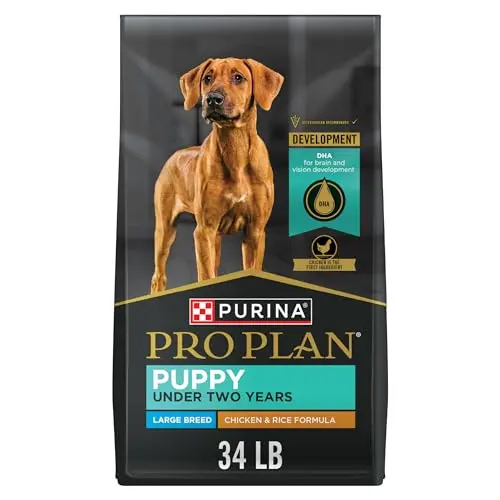
Development Puppy – Large Breed Brain & Vision Support
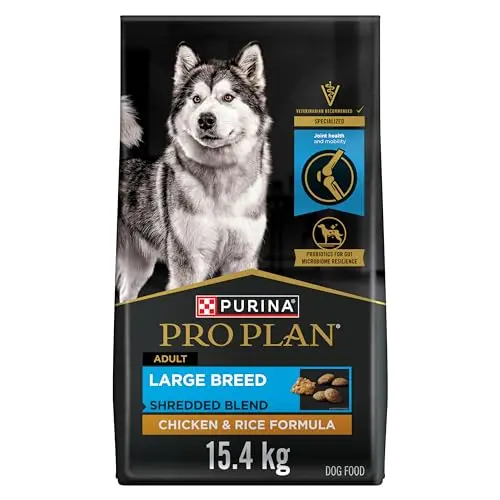
Shredded Blend – Joint & Digestive Support
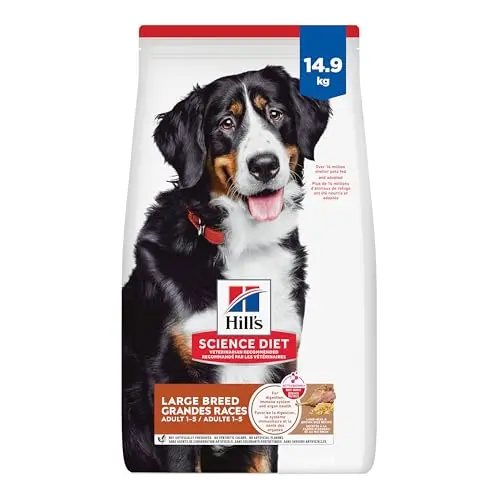
Lamb & Brown Rice – Natural Joint Support
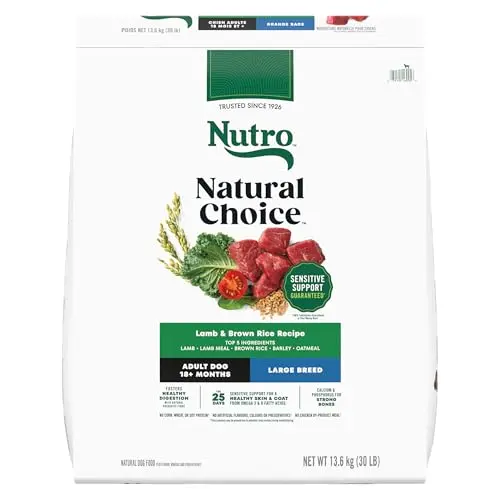
Lamb & Rice – Sensitive Skin & Joint Care
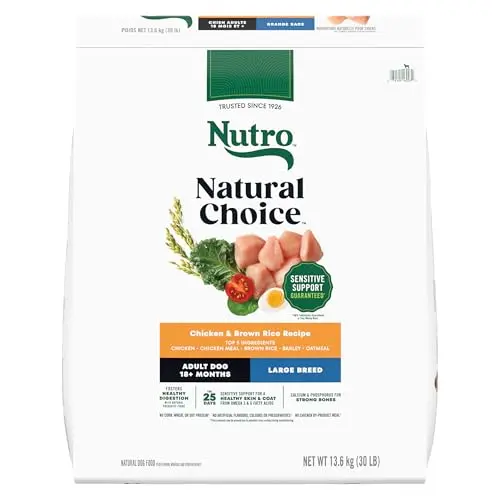
Chicken, Brown Rice & Sweet Potato – Coat & Immune Support
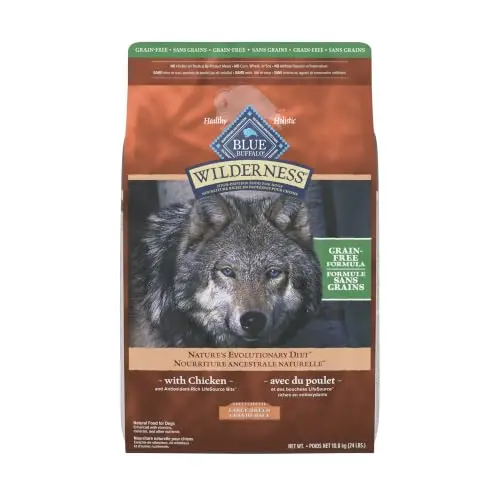
Wilderness – High Protein Grain‑Free
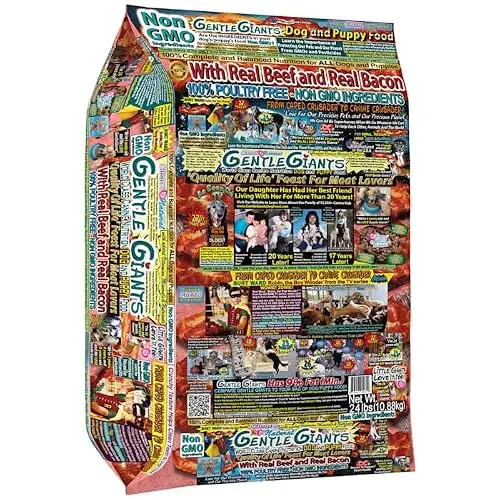
Beef & Bacon – All‑Life‑Stage Joint Care
How We Evaluated These Dog Foods for Giant Schnauzers
We didn’t run long‑term feeding trials or veterinary blood panels. Instead, we cross‑referenced 7 large breed or all‑life‑stage dog foods from 5 distinct brands – Pro Plan, Hill’s Science Diet, Nutro, Blue Buffalo, and Gentle Giants – against five decision axes: protein quality and source, joint‑support additives (glucosamine, chondroitin, green mussels), digestive health features (probiotics, fibre), life‑stage appropriateness (puppy vs adult), and overall formula transparency. We triangulated published guarantees, ingredient lists, and aggregated owner feedback where available, then weighted real‑world suitability (60%) – how well each recipe meets the nutritional demands of a growing or active Giant Schnauzer – against feature differentiation (40%) – unique formulations, novel proteins, and targeted health benefits that set a food apart.
Our recommendations track fit and ingredient integrity, not brand loyalty. When possible, we pressure‑tested the lineup by mapping formula strengths to common Schnauzer challenges: joint wear, digestive sensitivity, and picky eating. If you’re raising a puppy, the Purina Pro Plan Development Puppy leads with brain‑supportive DHA and probiotics; for adult maintenance, the Purina Pro Plan Shredded Blend widens the appeal with its dual texture and joint care.
How to Choose the Right Dog Food for Giant Schnauzers
Understanding Giant Schnauzer Nutritional Needs
Giant Schnauzers belong to the large‑breed category, which means their food must support a controlled growth rate in puppies and maintain lean muscle mass in adults. Look for formulas with a named animal protein like chicken, lamb, or beef as the first ingredient. The calcium‑phosphorus ratio is especially critical for puppies to avoid developmental joint issues, so stick with foods labelled for large breed puppies during the first 12-18 months. Adult dogs need a balance of high‑quality protein and healthy fats to fuel their athleticism, along with joint‑supporting compounds like glucosamine, chondroitin, or green‑lipped mussels to cushion those heavy frames.
Protein Power: What to Look For
Aim for a minimum of 22-26% crude protein in adult foods, sourced from whole meats or meat meals rather than vague by‑products. Chicken is a digestible, budget‑friendly base; lamb offers a novel protein for dogs with sensitivities. Some owners prefer beef‑forward recipes for a richer taste – the Gentle Giants formula leans into that. Beyond the protein percentage, expect complementary amino acids from whole grains (brown rice, oatmeal) or legumes if grain‑free. Avoid formulas that rely heavily on plant proteins to hit their numbers – your Schnauzer’s muscles need animal‑based protein to thrive.
Joint Health: Glucosamine, Chondroitin, and Beyond
Joint wear is a reality for large breeds, and Giant Schnauzers put serious miles on their hips and elbows. Almost every food in our lineup includes natural sources of glucosamine and chondroitin – chicken meal, lamb meal, and green mussels all contribute these compounds. The Hill’s Science Diet Large Breed Lamb, for instance, explicitly lists glucosamine and chondroitin on its guaranteed analysis. If your dog is already showing stiffness, a formula with higher levels of these nutrients, or supplements like New Zealand green mussels (seen in the Gentle Giants recipe), may offer extra support. Don’t rely on food alone to reverse joint damage, but start early with a diet that prioritizes these building blocks.
Puppy vs Adult Formulas: When to Switch
Giant Schnauzer puppies grow rapidly and benefit from large‑breed puppy formulas that manage mineral levels to prevent too‑fast growth. The Purina Pro Plan Development Puppy is purpose‑built for this stage, with DHA added for brain and vision development. Around 12-15 months – or when your vet sees skeletal maturity – transition to an adult large‑breed food. A gradual switch over a week or two helps avoid digestive upsets. If you adopt an adult Giant Schnauzer, jump straight to a recipe like the Purina Pro Plan Shredded Blend or Nutro Lamb and Rice, both of which are fully balanced for adult large breeds.
Grain‑Free vs Grain‑Inclusive: What the Science Says
The grain‑free debate is especially relevant for large dogs. Some owners report shinier coats and fewer allergies on grain‑free diets, and the Blue Buffalo Wilderness offers a high‑protein, grain‑free option with joint support. However, recent research has raised questions about a potential link between grain‑free diets and dilated cardiomyopathy (DCM) in dogs. Many vets still recommend grain‑inclusive foods unless your dog has a confirmed grain allergy. If you choose grain‑free, monitor your dog’s heart health and discuss it with your vet. For most Giant Schnauzers, a grain‑inclusive, high‑quality large‑breed food is the safer, evidence‑backed choice.
Frequently Asked Questions
Why is large breed dog food important for Giant Schnauzers?
Large breed formulas have a calcium‑phosphorus balance that helps prevent rapid growth in puppies – a factor linked to later developmental joint disorders like hip dysplasia. For adults, these foods often include extra glucosamine and chondroitin to support joint cartilage under the extra weight. The kibble size is also larger, encouraging chewing rather than gulping, which can reduce bloat risk. Feeding a standard‑breed food to a Giant Schnauzer risks nutritional imbalances that could affect long‑term mobility and organ health.
What's the difference between Purina Pro Plan Large Breed Adult and Hill's Science Diet Large Breed Lamb?
Both are excellent adult large‑breed options, but they differ in key areas. The Purina Pro Plan Shredded Blend uses real chicken as its main protein and adds both EPA and glucosamine for joint mobility; its standout feature is the dual‑texture kibble that appeals to picky eaters. Hill’s Science Diet Large Breed Lamb uses lamb meal as its lead protein, making it a better fit for dogs with chicken sensitivities, and highlights natural sources of glucosamine and chondroitin with added omega‑6 for skin health. The Hill’s formula is often positioned at a premium tier, while the Purina Pro Plan tends to deliver more value per pound. If your dog isn’t allergic to chicken, the Shredded Blend offers great everyday nutrition; if you need a chicken‑free diet, Hill’s is the top pick.
Is the Nutro Lamb and Rice good for dogs with allergies?
Yes, it’s a strong candidate for food sensitivities. It eliminates common allergens like chicken, corn, wheat, and soy, and uses a single novel protein – Australian and New Zealand lamb – paired with easily digestible brown rice and oatmeal. The limited ingredient list reduces the chance of triggering an immune response, and the added glucosamine and chondroitin still support large‑breed joints. Multiple owners report improvements in skin redness and ear infections after switching. Keep in mind that some dogs can be allergic to lamb as well, but it’s less common than chicken sensitivities.
Can I feed my Giant Schnauzer a grain‑free diet?
You can, but with caution. The Blue Buffalo Wilderness Large Breed Grain‑Free recipe provides a high‑protein, grain‑free formula with joint support, and many dogs thrive on it. However, the FDA is investigating a potential connection between grain‑free diets and dilated cardiomyopathy (DCM). Since Giant Schnauzers are already prone to heart issues, it’s wise to consult your veterinarian before going grain‑free. If your dog doesn’t have a diagnosed grain allergy, a grain‑inclusive large‑breed formula (like those from Pro Plan, Nutro, or Hill’s) is often the safer, well‑researched route.
How do I switch my Giant Schnauzer from puppy to adult food?
Start the transition around 12-15 months, or when your vet confirms that skeletal growth has slowed. Mix the new adult food with the old puppy food over 7-10 days: begin with 25% adult and 75% puppy for two days, then move to 50/50, then 75% adult and 25% puppy, finally reaching 100% adult. Monitor stool quality – if you see softness, slow the transition. A good adult target is the Purina Pro Plan Adult Shredded Blend, which picks up the joint support where the puppy formula left off. Avoid sudden switches, as Giant Schnauzer stomachs can be sensitive.
Final Verdict
For most Giant Schnauzer puppies, the Purina Pro Plan Development Puppy is the answer – it delivers brain‑boosting DHA, joint‑friendly minerals, and probiotic support in a form puppies love. Adult dogs do best on the Purina Pro Plan Shredded Blend, which continues the joint and digestive care while catering to picky eaters. If your Schnauzer can’t tolerate chicken, the Hill’s Science Diet Lamb offers excellent joint and coat support, and the Nutro Lamb & Rice is a trusted choice for broader food sensitivities. Pick based on life stage and protein tolerance, and you’ll set your Giant Schnauzer up for a lifetime of vitality.