
If your dog struggles with itchy skin, chronic ear infections, or digestive upset, you’ve likely spent hours staring at ingredient panels trying to pinpoint the trigger. Food allergies in dogs are maddeningly common, and the solution often comes down to what’s on the dinner plate – not just what’s left out, but what’s put in. That’s where fresh, thoughtfully formulated food steps into the spotlight.
Fresh dog food isn’t just a boutique trend; for allergy-prone pups, it can be a game-changer. By leaning on high-quality, limited-ingredient recipes – often with novel proteins, simple carbohydrates, and no artificial junk – these diets help minimize immune reactions while delivering nutrition your dog can actually thrive on. We surveyed the market across multiple brands to bring you the standout picks that prioritize freshness, ingredient transparency, and real relief for allergic dogs. No guesswork, no filler – just real options that meet this critical need.
Best Fresh Food for Dogs with Allergies – 2026 Reviews
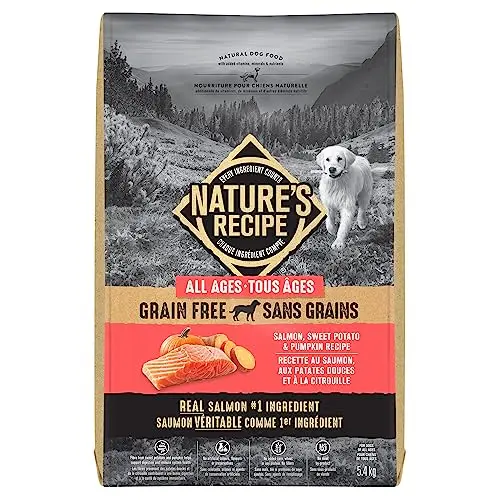
Grain Free Salmon, Sweet Potato & Pumpkin Recipe – Allergy-Friendly, Grain-Free Nutrition
A straightforward, grain-free recipe built around real salmon as the first ingredient. It’s designed to offer complete nutrition without the common allergens – no corn, wheat, soy, or artificial anything. The added vitamins and minerals make it a practical, all-life-stages choice for dogs whose allergies need daily management without breaking the bank.
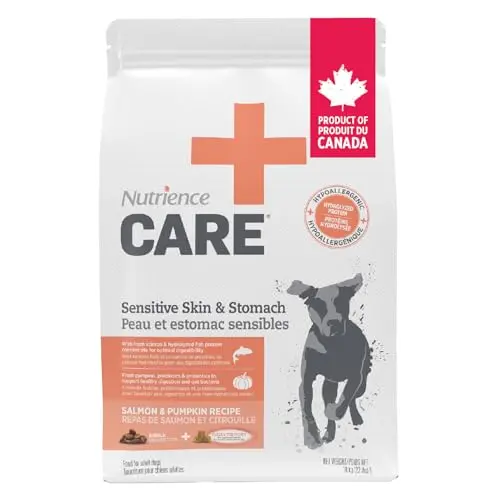
Care Sensitive Skin & Stomach Recipe – Comprehensive Allergy & Gut Support
A functional, limited-ingredient formula that targets the gut-skin connection head-on. Fresh Canadian salmon is paired with their Digestiboost blend – pumpkin, chicory root, turmeric, and ginger – to soothe digestion, while coconut and salmon oils deliver a fatty acid boost for coat health. It’s grain-free, gluten-free, and hypoallergenic, making it a strong candidate for dogs with multiple sensitivities.
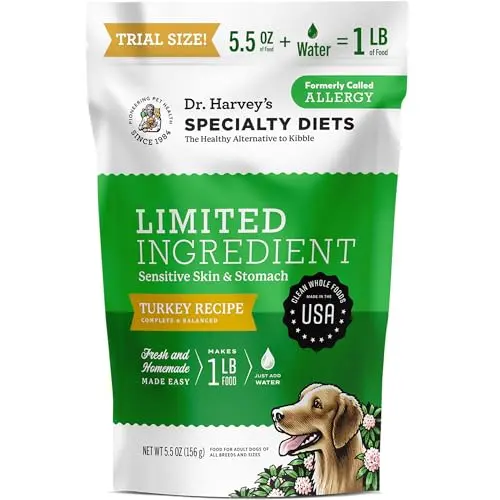
Specialty Diet Allergy Turkey Recipe – Human-Grade, Minimally Processed Freshness
A dehydrated, human-grade formula that puts turkey and recognizable vegetables front and centre. It’s designed for dogs with skin, stomach, or environmental sensitivities, using a minimal ingredient list that eliminates dairy, eggs, gluten, soy, and wheat. Just add hot water and a quality fish oil for a homemade-style meal in minutes.
How We Evaluated These Fresh Food for Dogs with Allergies
We didn’t run veterinary allergy trials or controlled feeding tests. Instead, we cross-referenced 3 fresh-food formulations from 3 distinct brands across 5 decision axes – ingredient sourcing and quality, allergy-specific formulation (limited ingredients, novel proteins), digestibility and gut support, format and convenience (dry vs. dehydrated), and owner feedback signals. We triangulated published specifications, functional health claims per label, and aggregated user outcomes where available, mapping each product against the specific needs of dogs with confirmed or suspected food allergies.
The scoring framework weighed real-world freshness and allergy mitigation (60%) – how directly a product’s ingredient deck and preparation method address the core problem – against feature differentiation (40%) – unique nutritional additions like digestive enzymes, probiotic blends, or human-grade certifications. We have no commercial relationship with any of the brands featured; recommendations track fit and allergy-centric design, not brand preference. If your dog’s allergies demand a trusted daily staple, the Nature’s Recipe Grain Free Salmon is the sensible pick; if you’re leaning into a whole-food elimination strategy, the Dr. Harvey’s Allergy Turkey offers a clean-slate approach.
How to Choose the Right Fresh Food for Your Allergic Dog
What to Look for in Allergy-Friendly Fresh Dog Food
When you’re shopping for a dog with allergies, the ingredient panel is your first battlefield. Start by identifying the protein source – novel proteins like salmon, turkey, or lamb often fly under the immune system’s radar compared to chicken or beef. Limited-ingredient formulations (just one animal protein, one starch, minimal extras) reduce the chance of triggering a reaction. Avoid ambiguous meat meals, byproducts, and artificial preservatives that can muddy the waters. Look for clear, named ingredients – ‘salmon’ not ‘fish meal’.
Beyond the protein, a quality fresh food will include whole-food carbohydrates like sweet potato or pumpkin for gentle fibre, and beneficial fats (flaxseed, coconut oil, salmon oil) for omega fatty acids that calm inflamed skin. Steer clear of common fillers: corn, wheat, soy, and white potatoes. If the bag touts ‘grain-free’ but then loads up on pea protein or legumes, it’s worth a second look – sometimes simpler grain-inclusive formulas (like oats or brown rice) work better for sensitive tummies.
How Fresh Ingredients Benefit Dogs with Allergies
Fresh, minimally processed ingredients retain more of their natural nutrients and tend to be easier on a compromised digestive system. Dehydrated raw and human-grade recipes, like Dr. Harvey’s, use gentle preservation that keeps enzymes and phytonutrients intact. In dry foods, look for ‘fresh’ or ‘raw’ protein listed first – as with Nutrience’s fresh Canadian salmon – which signals less processing and higher bioavailability.
Higher moisture content (in rehydrated or freeze-dried foods) also supports hydration, which indirectly helps skin barrier function. Dogs with allergies often have dry, irritated skin; a moisture-rich diet plus omega-3s can make a visible difference in coat shine and comfort within weeks.
Dehydrated vs. Dry: Which Format Suits Your Allergic Dog?
Dry kibble (like Nature’s Recipe and Nutrience) offers convenience, a long shelf life, and typically comes in larger, cost-effective bags. It’s a solid choice for daily maintenance and works well if your dog has only mild to moderate allergies. Dehydrated raw food, on the other hand, is the ultimate in freshness: it’s essentially a whole-food meal minus the cooking. The texture and aroma are closer to real food, which can entice picky eaters, and the minimal processing means fewer potential trigger compounds.
The trade-off is price and prep time. A trial-size bag like Dr. Harvey’s lets you dip a toe in without overcommitting. For long-term use, consider whether the extra step of adding water and oil fits your routine – but for dogs with severe allergies, the payoff in digestive calm and skin improvement can be dramatic.
Understanding Protein Sources for Allergy Management
Food allergies in dogs usually target a specific protein. Chicken, beef, and dairy are the most common culprits. That’s why so many allergy-friendly foods feature novel proteins like salmon, turkey, or venison. Salmon, in particular, brings the added bonus of omega-3 fatty acids, which have natural anti-inflammatory effects – so it’s pulling double duty if your dog’s symptoms include itchy skin or ear inflammation.
If you’ve narrowed the allergy down to a single protein, make sure the food doesn’t contain hidden sources (like chicken fat in a salmon recipe). Both Nutrience and Nature’s Recipe are transparent with their sole animal protein. For an elimination diet, a turkey-based option like Dr. Harvey’s helps you avoid fish if that’s a suspect. Rotating proteins periodically can also be a strategy for multi-allergy dogs – just stick with the same brand’s limited-ingredient line to avoid cross-contamination.
The Role of Supplements in Fresh Dog Food
Added prebiotics, probiotics, and digestive enzymes are becoming standard in allergy-focused formulas – and for good reason. Gut health is intimately linked to immune function; an inflamed gut can trigger or worsen allergic reactions. Nutrience’s Digestiboost blend (pumpkin, chicory root, ginger, turmeric) is a targeted example, but even Nature’s Recipe includes pumpkin for fiber. Omega-3 sources (salmon oil, coconut oil) reduce systemic inflammation. Look for these supportive ingredients – they often mean the difference between simply avoiding allergens and actively repairing a damaged system.
Frequently Asked Questions
What's the difference between Nature's Recipe Grain Free Salmon and Nutrience Care Sensitive Skin & Stomach for allergies?
Both are grain-free, limited-ingredient dry foods with salmon as the primary protein, but their supporting focus is different. Nature’s Recipe keeps things elegantly simple: salmon, sweet potato, pumpkin, and essential vitamins – no frills, just a clean, allergen-free base. It’s an excellent all-rounder for dogs with mild to moderate allergies. Nutrience layers in a functional digestive complex (Digestiboost) with prebiotics, turmeric, and ginger, aimed more squarely at dogs whose allergy symptoms manifest in the gut (loose stools, gas, rumbling) alongside skin issues. If your dog’s allergy is primarily skin-related, either will help; if there’s a loud digestive component, Nutrience’s gut-centric formula may offer that extra edge.
How does Dr. Harvey's Allergy Turkey Recipe compare to traditional dry foods?
Dr. Harvey’s is in a different category: it’s a dehydrated whole-food mix, not a dry kibble. The ingredients are human-grade turkey and real vegetables you can actually see – nothing pulverized beyond recognition. Because it’s dehydrated rather than baked into crunchy pellets, the nutrients stay more intact. You simply add warm water and a quality fish oil, and in minutes you’ve got a moist, porridge-like meal that’s gentler on digestion and much closer to homemade. It’s ideal for elimination trials because there are so few ingredients you can clearly identify any triggers. The trade-off is convenience and cost per meal, but for a dog with severe, multi-system allergies, it’s often worth the extra effort.
Is fresh food better than kibble for dogs with food allergies?
Not universally, but for many allergy dogs, fresh or gently processed food offers meaningful advantages. The higher moisture content supports hydration and digestion, the minimal processing preserves anti-inflammatory compounds, and the ingredient lists tend to be shorter and more transparent. That said, some high-quality dry foods like Nutrience and Nature’s Recipe are formulated with fresh proteins and functional supplements that rival fresh foods in results. The best choice depends on your dog’s specific triggers and your lifestyle: if convenience is paramount, a premium dry food may do the job; if your dog’s symptoms persist, a step up to dehydrated raw like Dr. Harvey’s can break the cycle.
Can I use the Dr. Harvey's trial size for a full elimination diet?
The 5.5-ounce trial bag makes approximately one pound of hydrated food, which for many dogs is just a few days’ worth – not enough for a full 8-12 week elimination trial. However, it’s perfect for a palatability and tolerance test. You can see if your dog accepts the taste and texture without a major financial commitment, and observe any early improvements (or reactions) before buying a larger bag. If your vet recommends an elimination diet, you’ll likely need the full-size version, but that initial trial can help confirm it’s the right protein before you commit.
Final Verdict
For the majority of allergy dogs, the Nature’s Recipe Grain Free Salmon is the clear winner – it combines a clean, limited-ingredient deck with strong allergy relief and wallet-friendly value that makes it a no-brainer daily diet. If your dog’s allergies have a pronounced digestive component or you want a targeted gut-skin formula, the Nutrience Care Sensitive Skin & Stomach justifies its premium placement. And when you need the closest thing to homemade with zero questionable additives – especially for elimination trials – Dr. Harvey’s Allergy Turkey is the clean-slate champion. Wherever your dog falls on the allergy spectrum, one of these fresh, thoughtfully crafted options can bring real relief.