
Golden retrievers capture hearts with their friendly nature, but many owners know the frustration of a golden retriever with allergies – constant scratching, ear infections, and sensitive stomachs. Food can be a trigger, and the right diet can calm those reactions. We surveyed top dog foods across the market, focusing on formulas that support skin and coat health while being gentle on digestion.
In this guide, we look beyond one-size-fits-all kibble to find options that address the specific needs of goldens with food sensitivities. From novel proteins like salmon to limited-ingredient recipes, each pick earns its spot based on ingredient quality, digestive support, and positive owner feedback. Whether your golden needs a grain-free option or a large-breed formula, you’ll find a match here.
Best Dog Food for Golden Retrievers with Allergies – 2026 Reviews
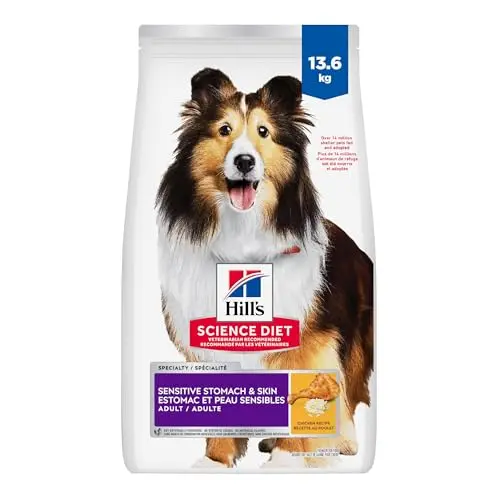
Adult Sensitive Stomach & Skin Chicken Recipe – Gentle Digestion & Coat Nourishment
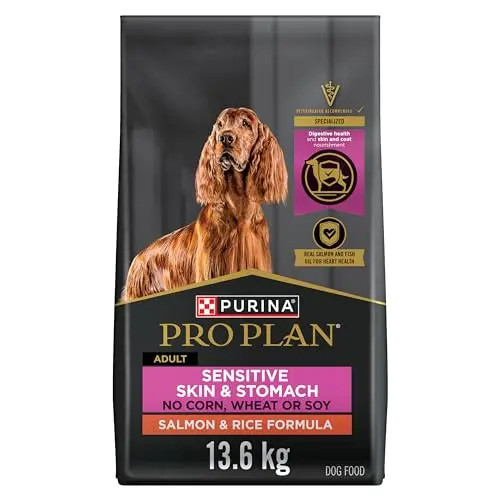
Sensitive Skin & Stomach Salmon & Rice – Omega-Rich & Highly Digestible
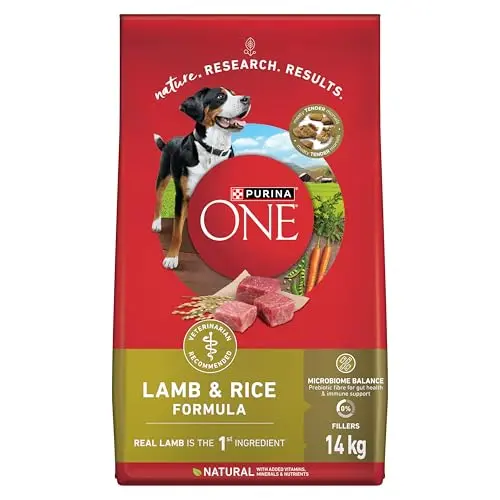
Microbiome Balance Lamb & Rice – Gut Health & Immune Support
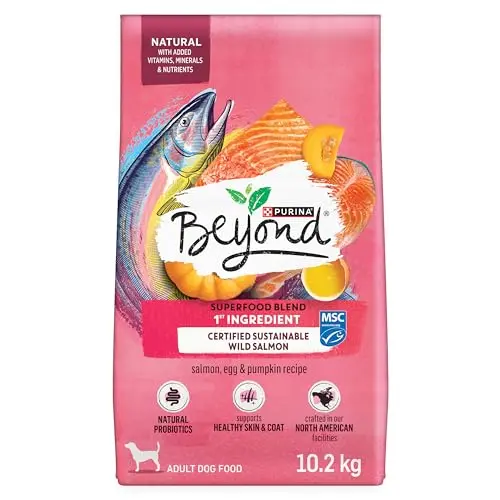
Superfood Blend Salmon, Egg & Pumpkin – Limited Ingredient, Grain-Free
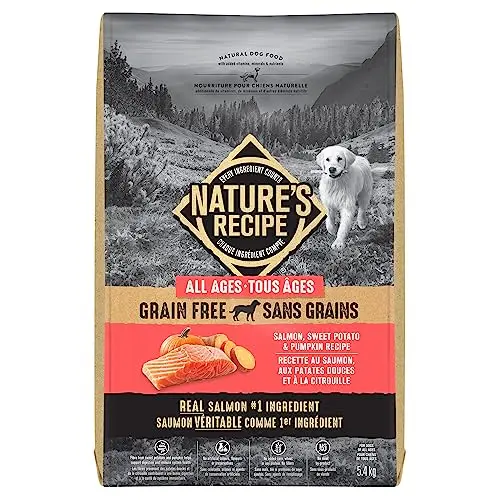
Grain Free Salmon, Sweet Potato & Pumpkin – All Life Stages Novel Protein
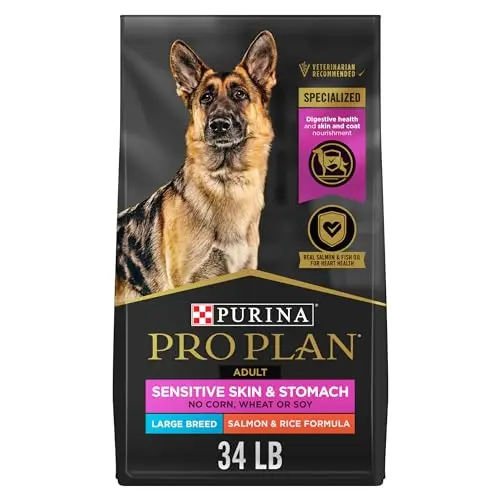
Large Breed Sensitive Skin & Stomach Salmon & Rice – Joint & Digestive Support
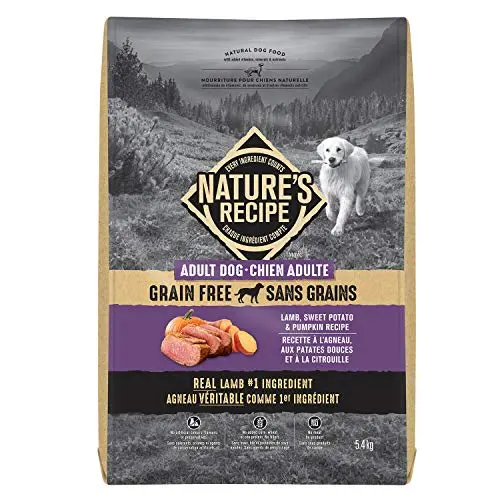
Grain Free Lamb, Sweet Potato & Pumpkin – Limited Ingredient for Sensitive Systems
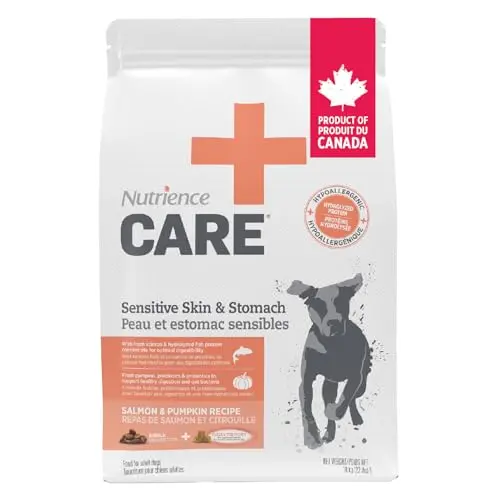
Care Sensitive Skin & Stomach Salmon – Canadian-Sourced Novel Protein
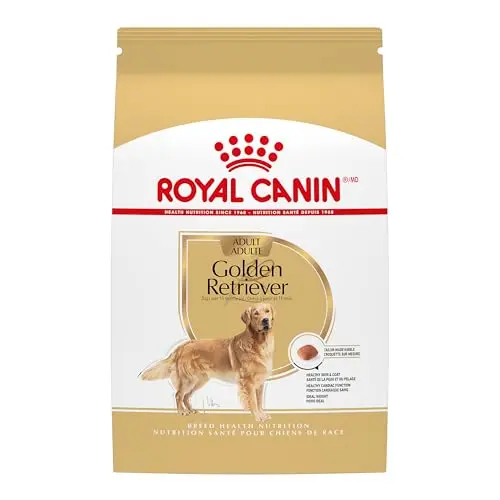
Golden Retriever Adult Breed Specific – Tailored Kibble & Skin Support
How We Evaluated These Dog Foods for Golden Retrievers with Allergies
We didn’t put these foods through allergy elimination trials ourselves. What we did: cross-referenced 9 dog food formulas from 6 distinct brands across 5 decision axes – ingredient quality, digestive support, skin and coat health, protein source, and breed-appropriate formulation. We triangulated published specifications, aggregated owner feedback where available, and use-case fit for golden retrievers with documented food sensitivities. The scoring framework weighted real-world digestive and skin performance (60%) against feature differentiation (40%), prioritizing foods that show meaningful improvement in allergy symptoms. We have no commercial relationship with any of the brands featured; recommendations track fit and differentiation, not brand preference. If your golden’s allergies are flaring up, the Hill’s Science Diet Sensitive Stomach & Skin is our top overall recommendation, but if you need a novel protein like salmon, the Purina Pro Plan Sensitive Skin & Stomach is purpose-built for that scenario.
How to Choose the Right Dog Food for Golden Retrievers with Allergies
Key Ingredients to Look For in Allergy-Friendly Dog Food
When your golden retriever is scratching nonstop, the first place to look is the ingredient panel. Novel proteins like salmon, lamb, or duck are less likely to trigger reactions than common ones like chicken or beef. Omega-3 and omega-6 fatty acids from fish oil and flaxseed help calm inflamed skin and restore the coat’s shine. Digestive aids – pumpkin, sweet potato, prebiotic fibres, and probiotics – support a healthy gut, which is directly linked to allergy symptoms. Avoid foods with generic ‘meat meal,’ artificial preservatives, and common fillers like corn, wheat, and soy, which can exacerbate sensitivities.
Digestive Health: Why It Matters for Golden Retrievers with Allergies
Allergies in golden retrievers often manifest in the gut before they show on the skin. A food that’s highly digestible reduces the workload on the immune system, which can lower overall inflammation. Look for formulas with prebiotic fibres like beet pulp or chicory root that feed beneficial gut bacteria. Some owners notice improved stool consistency and less gas within days of switching to a sensitive-stomach formula, and over weeks, the skin may follow. If your golden has both ear infections and loose stools, a gut-first food like Hill’s Science Diet Sensitive Stomach & Skin is a logical starting point.
Grain-Free vs. Sensitive Stomach Formulas: Which Is Better for Allergies?
It’s a common misconception that grain-free automatically equals allergy-safe. True food allergies in dogs are most often triggered by animal proteins, not grains. However, some goldens do have trouble with certain grains, and grain-free diets can be helpful in those cases. The caveat: the FDA has investigated a potential link between grain-free diets and dilated cardiomyopathy (DCM). For most golden retrievers, a sensitive stomach formula that includes gentle grains like oatmeal or rice is a safe, effective choice. If you go grain-free, choose a recipe with known heart-healthy ingredients like taurine, and discuss it with your veterinarian.
Novel Proteins: Why Salmon Can Be a Game-Changer for Allergic Goldens
If your golden retriever has been eating chicken-based kibble for years and suddenly develops allergies, a novel protein – one it hasn’t encountered before – may stop the immune system from overreacting. Salmon is an excellent choice because it’s not typically used in budget foods and it’s rich in omega-3 fatty acids that combat inflammation. The Purina Pro Plan Sensitive Skin & Stomach Salmon & Rice capitalizes on this by making salmon the first ingredient. Other novel options include lamb, duck, or even venison. Transition gradually, and give it 6-8 weeks to see full skin and coat improvement.
Large Breed Considerations for Golden Retrievers with Allergies
Golden retrievers aren’t just large dogs – they have specific breed predispositions, including hip dysplasia and a tendency to scarf down food. The right allergy-focused food can also support joint health. Look for added glucosamine and chondroitin, and a kibble size that encourages chewing. The Pro Plan Large Breed Sensitive Skin & Stomach addresses both allergies and large-breed joint needs with a bigger kibble that slows down fast eaters. And always keep your golden at a healthy weight – excess pounds add stress to already-sensitive joints and skin.
How to Transition Your Golden Retriever to a New Allergy-Friendly Food
A sudden diet change can upset even the most iron stomach. Start by mixing 25% new food with 75% old food for 2-3 days, then shift to a 50/50 ratio for another few days, then 75/25, before going full new food. This gradual transition allows the gut microbiome to adapt and reduces the risk of diarrhoea. During the switch, watch for any signs of increased itching or ear redness – it can take up to 8 weeks for allergens to clear from the system, but a worsening reaction early on might signal the new food isn’t right. Keep a simple symptom diary to track progress objectively.
Frequently Asked Questions
What's the difference between Hill's Science Diet Sensitive Stomach & Skin and Purina Pro Plan Sensitive Skin & Stomach?
Both are excellent choices, but they take slightly different approaches. Hill’s Science Diet uses chicken as its sole protein and leans heavily on prebiotic beet pulp for gut health, along with a potent blend of omega-6s and vitamin E. It’s ideal if your golden tolerates chicken and needs strong digestive support. Purina Pro Plan swaps chicken for salmon as the first ingredient, making it the better pick if you suspect a poultry allergy. Its recipe includes oatmeal for gentle digestion and fish oil rich in omega-3s, which also benefit joint health. Both are vet-recommended, but your choice depends on your dog’s specific protein sensitivity and flavour preference.
How does Purina ONE Microbiome Balance compare to Beyond Superfood Blend for allergies?
Both are budget-friendly, but they’re built for different allergy scenarios. Purina ONE Microbiome Balance focuses on gut health with a lamb-first recipe and prebiotic fibre, targeting overall immune function through a balanced microbiome. It’s a solid daily staple for mild allergies. Beyond Superfood Blend is grain-free and uses wild-caught salmon as its single animal protein, plus pumpkin for fibre. It’s more explicitly designed for dogs with grain or poultry allergies who need a limited-ingredient approach. If your golden has clear-cut grain issues or chicken intolerance, Beyond is the sharper tool; for general immune support and value, go with Purina ONE.
Can a grain-free diet help my golden retriever's allergies?
It can, but only if grains are the actual trigger – which is less common than protein allergies. True grain allergies in dogs do exist, and switching to a grain-free food like Nature’s Recipe Salmon, Sweet Potato & Pumpkin may eliminate symptoms. However, the FDA has flagged a potential link between grain-free diets and heart disease (DCM) in dogs, so caution is warranted. If you choose grain-free, pick a formula that includes taurine and consult your vet. For most goldens, a sensitive stomach formula with gentle grains like oatmeal is a safer, equally effective starting point.
Should I choose a large breed formula for my golden retriever with allergies?
Not strictly necessary, but it can be beneficial. Golden retrievers are large dogs with a predisposition to joint issues, and some large breed formulas include glucosamine and chondroitin for added joint support. The Pro Plan Large Breed Sensitive Skin & Stomach is an example that marries allergy-friendly salmon and oatmeal with joint nutrients and a larger kibble size to slow eating. If your golden is already on a high-quality allergy food and you supplement with joint chews, a large breed version isn’t required – but it’s a convenient all-in-one option.
What if my golden retriever is still itchy after switching to an allergy-friendly food?
First, give it time – at least 6-8 weeks – for the old allergens to clear from the system. If itching persists, the culprit may not be food. Environmental allergies (pollen, dust mites) are common in goldens and may require vet-prescribed antihistamines, medicated shampoos, or allergy shots. Also, check for any new treats or table scraps that might contain hidden triggers. If you suspect a severe food allergy, your vet can recommend an elimination diet using a truly novel protein like duck or hydrolyzed food. Don’t keep switching foods rapidly; each change resets the clock.
Final Verdict
For most golden retrievers dealing with allergies, the Hill’s Science Diet Sensitive Stomach & Skin is our top overall pick – it’s backed by vet trust, delivers on digestive and skin health, and works well for the broadest range of goldens. If chicken turns out to be your dog’s trigger, switch to the salmon-rich Purina Pro Plan Sensitive Skin & Stomach, our pick for allergy-specific relief. For budget-minded households, the Purina ONE Microbiome Balance offers surprising quality at a lower price. And if joint health is equally important, the Pro Plan Large Breed Sensitive Skin & Stomach adds glucosamine to the equation. Whichever you choose, transition slowly, watch your golden’s symptoms, and know that the right food can make all the difference.