
If you share your home with a Keeshond, you already know that thick, plush double coat isn’t just for show – it’s a barometer of overall health. Getting your Keeshond’s diet right is one of the most impactful things you can do to support a glossy coat, happy digestion, and steady energy levels. But with so many formulas on the market, picking the one that best suits this breed’s unique needs can feel overwhelming.
Keeshonds are prone to skin issues, sensitive stomachs, and weight gain, so the ideal food checks multiple boxes: high-quality proteins for lean muscle, omega fatty acids for skin and coat, easily digestible carbohydrates, and controlled calorie density. In this guide, we’ve surveyed standout dry dog foods across major brands, evaluating them against the specific health priorities of the breed – not just marketing claims. Whether your Keeshond needs to drop a few pounds, calm a touchy tummy, or simply maintain that signature sheen, we’ll help you pinpoint the right bowl partner.
Best Dog Food for Keeshond – 2026 Reviews
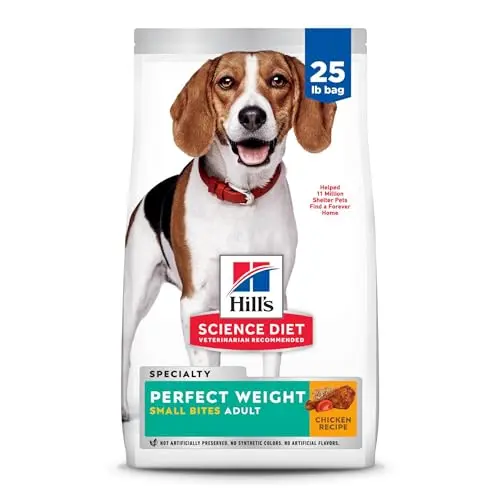
Adult Perfect Weight Small Bites – Weight Management Support
A clinically proven weight management formula that helps Keeshonds lose weight while maintaining lean muscle. The small kibble size works well for medium breeds, and added L-carnitine boosts metabolism.
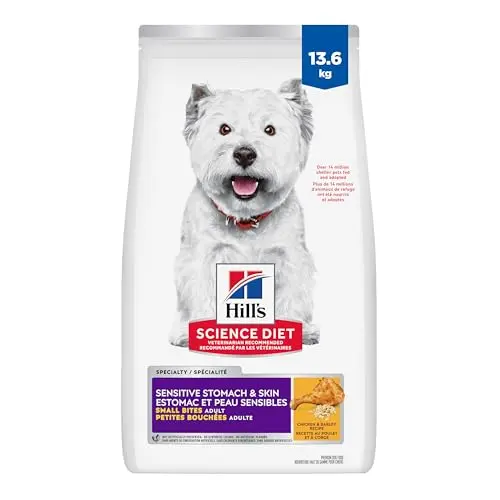
Adult Sensitive Stomach & Skin Small Bites – Gentle Digestion & Coat Care
A gentle, highly digestible formula with prebiotic fiber to soothe sensitive tummies and omega fatty acids to nourish the Keeshond’s double coat. Small bites make it easy to eat.
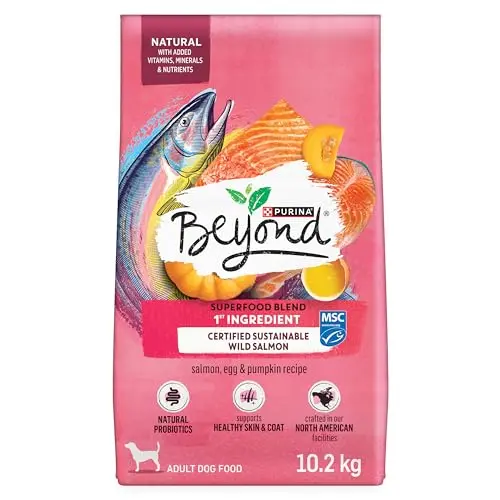
Superfood Blend Salmon, Egg & Pumpkin – Nutrient-Dense with Omega-3s
A wallet-friendly option that doesn’t skimp on quality, featuring wild-caught salmon as the first ingredient and pumpkin for natural digestive support – with no corn, wheat, or soy.
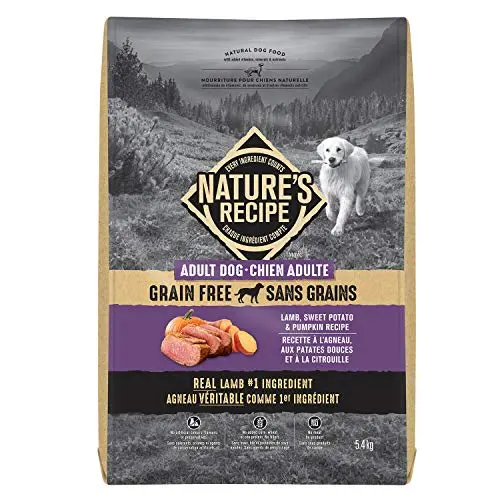
Adult Grain Free Lamb, Sweet Potato & Pumpkin – Joint & Digestive Health
A grain-free, limited-ingredient diet that goes beyond basics, with natural glucosamine and chondroitin for joint support, plus fibre-rich sweet potato and pumpkin for digestion.
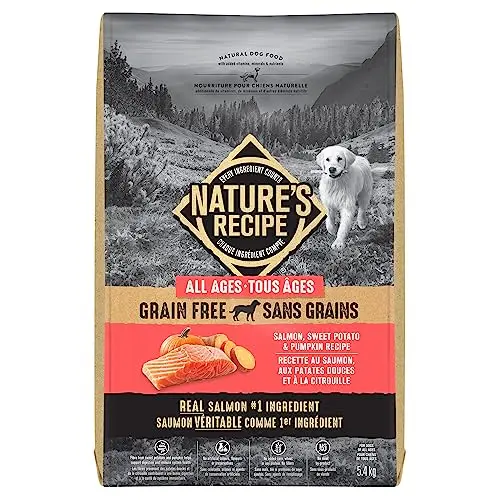
Grain Free Salmon, Sweet Potato & Pumpkin – Skin & Coat Nourishment
A simple, grain-free salmon formula with no artificial colours or flavours, designed to bring out the best in your Keeshond’s coat with every bowl.
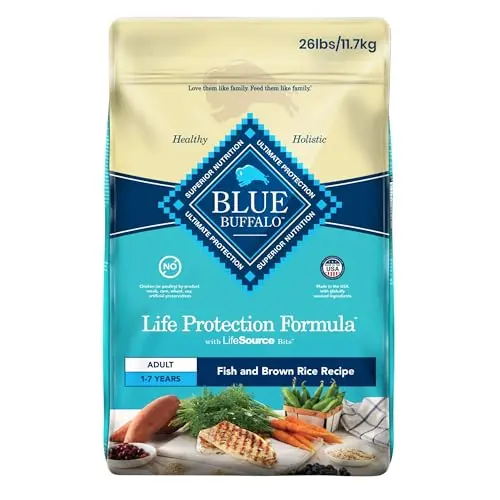
Life Protection Formula Fish & Brown Rice – Lean Protein & Shiny Coat
A fish-first, grain-inclusive diet that combines deboned whitefish with antioxidant-rich LifeSource Bits to support a Keeshond’s immune system and maintain a glossy double coat.
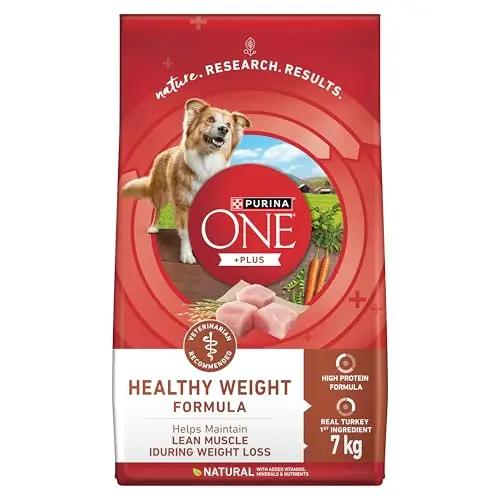
Healthy Weight with Turkey – Lean Mass & Joint Support
A protein-rich weight management formula that helps Keeshonds stay trim, with real turkey, natural glucosamine for joints, and high fibre to keep them feeling full.
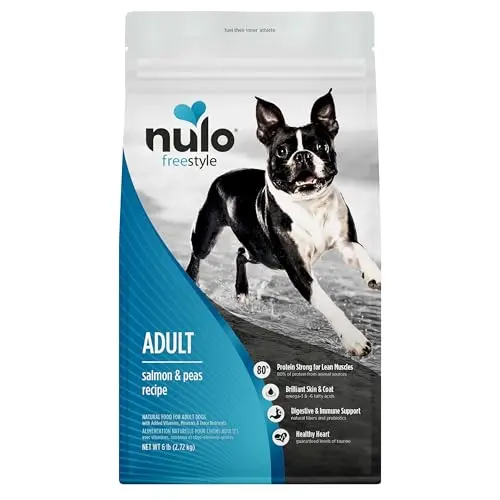
Freestyle Salmon & Peas – Probiotic Gut Health & Omega Fatty Acids
A low-carb, high-protein grain-free food enriched with BC30 probiotics to promote healthy digestion and omega-3 and -6 fatty acids for a show-stopping Keeshond coat.
How We Evaluated These Dog Foods for Keeshond
We didn’t run controlled feeding trials or blood panels on these eight formulas. What we did: cross-referenced their nutritional profiles, ingredient decks, and manufacturer specifications against the well-documented needs of the Keeshond breed. We dug into six key decision axes – protein quality and source, skin and coat support, digestive ease, weight management suitability, kibble size and texture, and the inclusion of joint-friendly nutrients like glucosamine – to see how each product stacks up in real-world, breed-specific terms.
The scoring framework weighted real-world fit for Keeshonds (60%) – how effectively a food addresses the breed’s typical health priorities – against feature differentiation (40%) – unique formulation strengths that go beyond the basics. We triangulated published nutritional data, aggregated owner feedback where available, and use-case suitability for representative Keeshond profiles (e.g., the itchy-coat dog, the easy gainer, the sensitive stomach). We have no commercial relationship with any brand highlighted; our picks follow where the analysis leads. If your Keeshond struggles with weight, the Hill’s Science Diet Perfect Weight is a standout; for digestive and coat sensitivity without weight concerns, the Sensitive Stomach & Skin formula is the better match.
How to Choose the Right Dog Food for Your Keeshond
What Keeshonds Need from Their Food
Keeshonds are a medium-sized breed originally bred as barge dogs, and they’ve retained a sturdy, active nature. Their thick double coat is their trademark but also a signal of internal health – dull, dry fur often points to nutritional gaps. They tend to put on weight easily, so calorie control matters as much as ingredient quality. Additionally, many lines show a predisposition to sensitive digestion and skin allergies, so the right food should work double duty: supporting a soft, shiny coat while keeping the gut calm.
Key Ingredients for a Healthy Keeshond Coat
A lustrous double coat depends on omega-3 and omega-6 fatty acids – think fish oils, salmon, and flaxseed. Look for foods where fish or fish meal is listed among the first ingredients. Vitamin E and zinc are also crucial antioxidants that reduce oxidative stress and inflammation in the skin. Avoid fillers like corn and wheat if your dog shows signs of food sensitivities; instead, opt for recipes with named animal proteins (salmon, lamb, or turkey) and digestible carbohydrates like brown rice, oatmeal, or sweet potato.
Managing Sensitive Stomachs in Keeshonds
If your Keeshond frequently experiences loose stools, gas, or occasional vomiting, diet is often the culprit. A limited-ingredient or grain-free formula can help, but not all grains are problematic. More important is the quality and digestibility of the protein and carbohydrate sources. Prebiotic fibres (beet pulp, chicory root) feed beneficial gut bacteria, while probiotics (like the BC30 strain in the Nulo formula) directly populate the gut with friendly microbes. Pumpkin is another natural digestive soother that appears in several top picks.
Weight Control for Keeshonds
Keeshonds are food-motivated and not shy about asking for seconds, making obesity a real risk. Carrying extra weight strains joints and exacerbates skin issues. A weight management food should have a lower calorie density but a high protein content to preserve lean muscle, plus L-carnitine to support fat metabolism. The Hill’s Perfect Weight recipe is backed by clinical trials showing impressive results. Always combine diet with portion control and regular exercise – and resist those pleading eyes at treat time.
Grain-Free vs. Grain-Inclusive Diets
The grain-free trend isn’t necessary for every Keeshond, but it can be helpful for those with confirmed grain allergies or intolerances. Grain-free recipes often use peas, legumes, or potatoes as carbohydrate sources, which can still be perfectly digestible. However, recent concerns about grain-free diets and canine heart health have prompted many to choose grain-inclusive options with whole grains like brown rice or oatmeal, which provide steady energy and fibre. If your Keeshond has no grain sensitivity, a high-quality grain-inclusive food – like the Blue Buffalo fish and brown rice formula – can be an excellent choice.
Protein Sources and Novel Proteins
The protein source matters as much as the quantity. Novel proteins – ones your Keeshond hasn’t been exposed to – are less likely to trigger an immune response if allergies are suspected. Lamb, salmon, and turkey are common in limited-ingredient diets. For skin and coat, fish-based proteins naturally deliver omega-3s; for muscle maintenance and joint health, high-quality animal meals (chicken meal, fish meal) provide concentrated amino acids and natural glucosamine. Rotating between protein sources can also help prevent boredom and reduce the risk of developing new sensitivities.
Kibble Size and Texture
Keeshonds have medium-sized mouths, so kibble shape and size can affect how they eat. Smaller bites are easier to chew and reduce the risk of choking or gulping, especially in enthusiastic eaters. Several products in our roundup, like the Hill’s Science Diet Small Bites line, are specifically designed for smaller jaws but remain appropriate for medium breeds. The texture also influences dental health – crunchy kibble can help scrape plaque, though it’s no substitute for regular brushing. If your Keeshond is a picky eater, you might need to experiment with kibble size or mix in a bit of wet food.
Frequently Asked Questions
How is Hill's Science Diet Perfect Weight different from the Sensitive Stomach & Skin formula?
The Perfect Weight recipe is a therapeutic weight management food, clinically proven to help dogs lose weight in 10 weeks. It’s lower in calories, higher in L-carnitine to boost metabolism, and uses small bites for portion control. The Sensitive Stomach & Skin formula, on the other hand, focuses on digestive ease and coat health with prebiotic fibre and omega-6 fatty acids. If your Keeshond needs to drop pounds, choose Perfect Weight; if they have a gurgly tummy or flaky skin, go with Sensitive Stomach & Skin.
Which is better for a Keeshond with skin allergies: salmon-based or lamb-based food?
It depends on the allergy. Salmon is rich in omega-3s, which naturally calm inflammation and improve coat condition, making it a strong first choice if you don’t know the trigger. Lamb is a novel protein for many dogs, making it less likely to cause a reaction – but if your Keeshond has never eaten lamb, it might be worth trying. We like the Nature’s Recipe Grain Free Lamb for joint support alongside skin benefits, and the salmon from the same brand for pure coat nourishment.
Does grain-free food help Keeshonds with sensitive digestion?
Grain-free can help if your Keeshond has a specific grain allergy or intolerance, but it’s not a universal solution. Many digestive issues stem from low-quality ingredients rather than grains themselves. The Nulo Freestyle Salmon & Peas includes a proven probiotic to aid gut health, while the Hill’s Sensitive Stomach uses prebiotic fibre with grains like barley and rice, which are often well-tolerated. If your dog reacts poorly to grains, a grain-free trial is worth it; otherwise, a high-quality grain-inclusive diet may be just as effective.
How often should I feed my Keeshond?
Adult Keeshonds do well with two meals per day, morning and evening, to maintain steady energy and prevent hunger-related begging. Avoid free-feeding (leaving food out all day), as it can lead to overeating and weight gain. Use the feeding guide on the bag as a starting point, but adjust based on your dog’s age, activity level, and body condition – you should be able to feel but not see their ribs. Always provide fresh water.
Can I mix different dog foods for my Keeshond?
Yes, rotation feeding – offering two or more different formulas on alternating days or weeks – can provide a broader nutrient profile and reduce the risk of developing food sensitivities. It also keeps mealtime interesting. If you mix foods, transition slowly over 7-10 days by gradually increasing the proportion of the new food to avoid digestive upset. Just be sure both formulas meet AAFCO standards and align with your Keeshond’s health needs.
Final Verdict
For Keeshonds that need to manage their weight – a common but often overlooked concern – the Hill’s Science Diet Perfect Weight is the clear champion, delivering clinically backed results without sacrificing nutrition. If your dog’s priority is a calm tummy and a glossy coat, the Sensitive Stomach & Skin formula is the smarter daily driver. And when budget matters, the Beyond Superfood Blend Salmon gives you honest, hearty nutrition at a friendly price. Whichever you choose, you’ll be giving your Keeshond the foundation for a healthy, vibrant life.