
Bringing home a labradoodle puppy means endless playtime, fluffy cuddles, and the responsibility of fuelling their rapid growth with the right nutrition. These intelligent, active crossbreeds can inherit a mix of traits from Labrador Retrievers and Poodles, and that includes everything from coat type to digestive sensitivity. Choosing a high-quality puppy food isn’t just about filling a bowl – it’s about setting the foundation for healthy joints, a sharp mind, and a shiny coat.
Labradoodles come in a range of sizes, from miniature to standard, and their nutritional needs shift accordingly. A too-small kibble or a mismatched protein source can lead to picky eating or tummy troubles. That’s why we’ve sifted through the top options across several brands, focusing on what matters most: brain-boosting DHA, muscle-building protein, and digestive support that’s gentle on a developing gut.
In this guide, we break down the best puppy foods for labradoodle pups, weighing real-world feedback against nutritional specs. Whether you’re hunting for a premium lamb formula, a budget-friendly staple, or something tailored for a large-breed doodle, our picks help you skip the guesswork and get straight to a happy, thriving puppy.
Best Dog Food for Labradoodle Puppy – 2026 Reviews
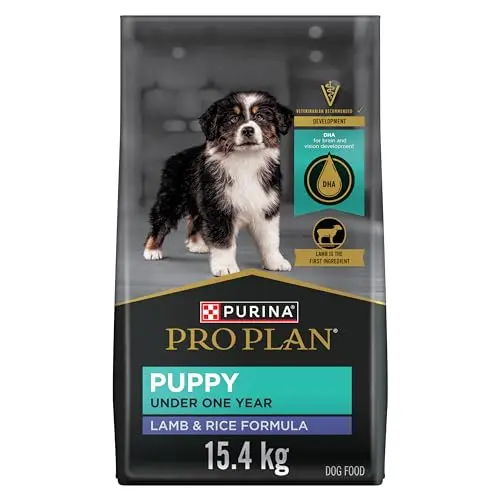
Development Lamb & Rice – High-Protein with Probiotics
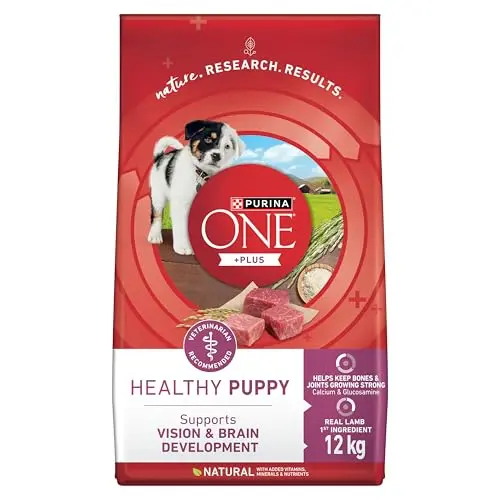
Healthy Puppy Formula Lamb – Digestible Nutrition with DHA
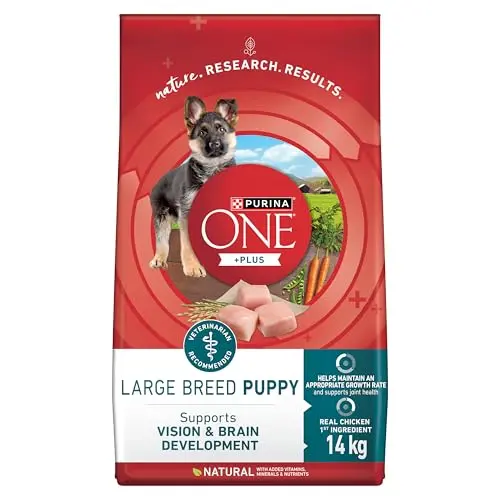
Large Breed Puppy Chicken – For Healthy Joints & Growth
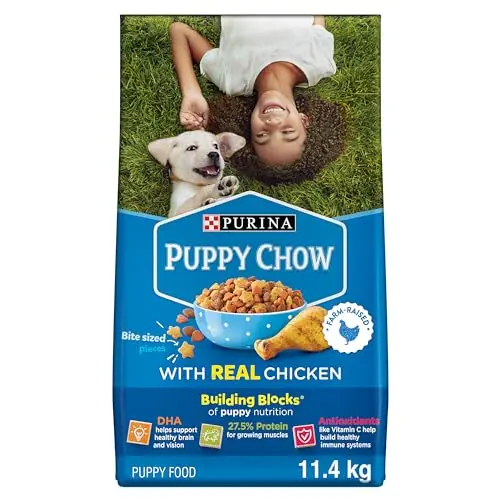
Complete with Real Chicken – Balanced Nutrition for Puppies
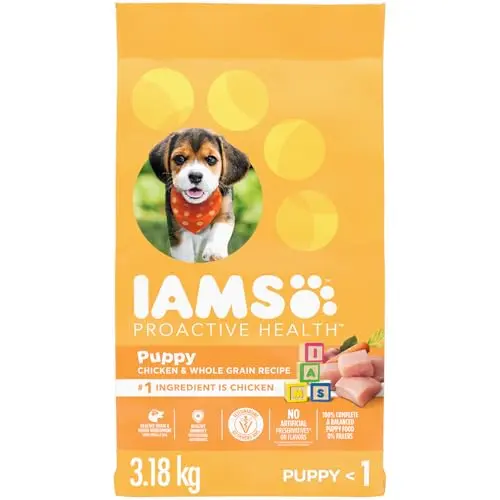
Proactive Health Puppy Chicken – DHA & 22 Key Nutrients
How We Evaluated These Dog Foods for Labradoodle Puppies
We didn’t run controlled feeding trials in a kennel or measure growth rates in a lab. What we did: cross-referenced published ingredient decks, nutritional analyses, and owner feedback where available against the specific needs of growing labradoodle puppies. Our evaluation spanned 5 dog food models from 4 distinct brands, all scrutinized across key dimensions: ingredient quality, protein source, breed size suitability, digestive support, and overall value.
The scoring framework weighted real-world suitability (60%) – how well each formula addresses the growth, coat, and digestive needs of a labradoodle – against feature differentiation (40%) – unique advantages like probiotic blends or joint-supporting glucosamine. We have no commercial relationship with any brand; all recommendations follow the data and owner experiences. For most puppies, the Purina Pro Plan Development Lamb & Rice nailed the balance of premium nutrition and digestive care. If your pup has a tender tummy, the Purina ONE Healthy Puppy Lamb offers a gentler route.
How to Choose the Right Dog Food for Labradoodle Puppies
Key Nutrients for a Growing Labradoodle Puppy
Labradoodle puppies grow fast, and their diet needs to keep pace. Protein tops the list – look for real meat, poultry, or fish as the first ingredient to build strong muscles. DHA (an omega-3 fatty acid) is critical for brain and vision development; many quality foods now include it as a supplement. Calcium and phosphorus must be balanced to support steady bone growth without stressing joints, especially in larger pups. A probiotic or prebiotic fiber blend can also help maintain a healthy gut, which is a common concern for labradoodles inheriting digestive sensitivity from their Poodle side.
Breed Size Considerations for Labradoodles
Labradoodles range from miniature (under 30 pounds) to standard (over 50 pounds), and their puppy food should match that adult size. If you expect a large adult, a food with added glucosamine and controlled calcium supports joint health – like the Purina ONE Large Breed Puppy formula. For mini or medium doodles, an all-breed puppy food works well without overdoing calories. When in doubt, consult your vet and choose a diet that doesn’t accelerate growth too quickly; rapid growth in large-breed puppies can lead to joint issues later.
Lamb vs. Chicken: Which Protein Is Best for Labradoodles?
Both proteins are excellent, but the right choice depends on your puppy’s sensitivities. Chicken is highly digestible and widely available, but some labradoodles develop an intolerance to it. Lamb is a novel protein for many dogs and often resolves itchiness or loose stools when chicken doesn’t agree. If your pup has no issues, chicken-based foods like the Purina ONE Large Breed offer great palatability. For a sensitive stomach, lamb-based options – the Purina Pro Plan Development Lamb & Rice or Purina ONE Healthy Puppy Lamb – are safer bets.
How to Spot a Quality Puppy Food Ingredient List
Look past marketing claims and scan the ingredient deck. The first item should be a named meat or meat meal (e.g., ‘lamb’ or ‘chicken meal’). Whole grains like brown rice or oatmeal provide energy without fillers, while corn and wheat are less nutrient-dense. Avoid artificial colours, flavours, and preservatives – they serve no nutritional purpose. A short, recognizable list often signals a cleaner formula. If you see ‘by-product meal’ without a specific meat source, consider a higher-tier option.
Transitioning Your Labradoodle to a New Food
Switching foods suddenly can upset a puppy’s stomach. Gradually mix the new food with the old over 7-10 days: start with 25% new, then 50%, then 75%, and finally 100%. Monitor stool consistency – if it stays firm, the transition is working. If diarrhoea or vomiting occurs, slow down the process. Always have fresh water available, and remember that some labradoodles need a few weeks to adjust fully.
Frequently Asked Questions
What's the difference between Purina Pro Plan and Purina ONE for labradoodle puppies?
Purina Pro Plan often includes more specialized recipes (like lamb with live probiotics) and targeted formulas for large breeds or sensitive systems. It’s positioned as a premium line. Purina ONE focuses on skin and coat health, digestion, and brain development with fewer extras. For a labradoodle, both can work, but Pro Plan edges ahead if you want the added digestive insurance of guaranteed probiotics. The Pro Plan Lamb & Rice is our top pick for this reason.
Is Purina Puppy Chow good enough for a labradoodle puppy?
Absolutely – it meets the Association of American Feed Control Officials (AAFCO) nutritional standards and provides real chicken protein, DHA, and antioxidants. While it includes some grain fillers like corn, it remains a solid budget option that many labradoodles thrive on. If your puppy does well on it and you appreciate the value, there’s no reason to switch.
How do I know if my labradoodle puppy needs large breed food?
Check your puppy’s expected adult weight: if it’s projected to be over 50 pounds (common in standard labradoodles), a large breed puppy food provides controlled calcium and glucosamine for joint support. If your pup is mini or medium (under 50 pounds), an all-breed formula is fine. The Purina ONE Large Breed Puppy is our large-breed recommendation.
When should I switch my labradoodle from puppy food to adult food?
Plan to switch around 12 months for medium-sized labradoodles, and 18-24 months for standard or large ones. Puppies need the extra fat, protein, and DHA for development; switching too early can deprive them of these nutrients. Transition gradually over a week or so to avoid digestive upset. If in doubt, your vet can confirm the right timeline based on your dog’s growth curve.
Final Verdict
For the vast majority of labradoodle puppies, the Purina Pro Plan Development Lamb & Rice is the clear winner. It delivers premium lamb protein, live probiotics for a settled stomach, and brain-nourishing DHA – everything a growing doodle needs without the filler. If your budget is tight, the Purina Puppy Chow Complete covers the essentials at a fraction of the cost. For pups with a sensitive gut, the Purina ONE Healthy Puppy Lamb is our top comfort pick. Whichever you choose, you’re giving your labradoodle a strong start.