
Greyhound owners know these sleek, gentle athletes come with a particular set of nutritional needs. Their lean physiques, sensitive stomachs, and predisposition to joint issues mean the right dry food can make a real difference in energy levels, coat condition, and overall health. A kibble that works for a Labrador might leave a greyhound with loose stools or dull fur. That’s why we’ve zeroed in on formulas that prioritize easy digestion, high-quality protein, and joint-friendly ingredients.
This guide cuts through the noise across major brands to highlight the dry dog foods that genuinely cater to a greyhound’s unique build. We’ve compared everything from prebiotic fiber content to omega fatty acid profiles-because the best diet for a greyhound isn’t just about calories; it’s about targeted support. Whether your dog is a retired racer or a lifelong couch companion, our picks aim to help you find a formula that keeps them thriving.
Best Dry Dog Food for Greyhounds – 2026 Reviews
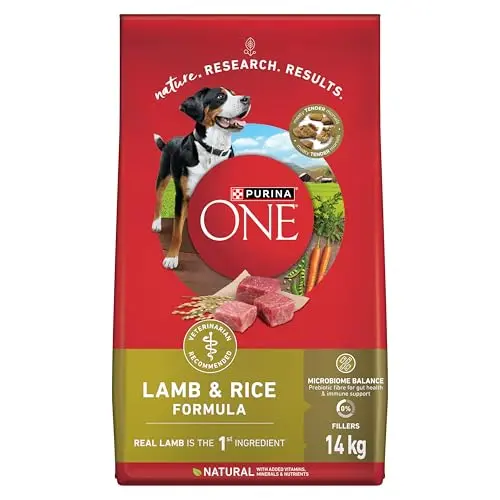
Microbiome Balance Lamb & Rice – Gut Health & Digestive Support
A top-tier choice for greyhounds with finicky digestion, this formula centres on real lamb and a science-backed prebiotic fiber blend that nourishes gut bacteria. It’s designed to be easy on the stomach while supporting a robust immune response-exactly what a sensitive greyhound needs.
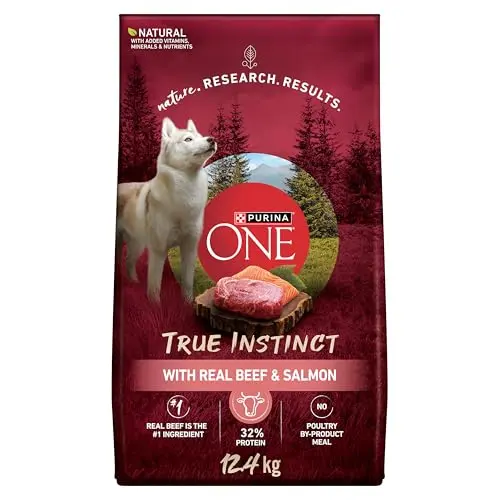
True Instinct High Protein Beef & Salmon – Muscle & Energy Powerhouse
For greyhounds that are still very active-or need to maintain lean muscle mass-this high-protein, nutrient-dense formula delivers. Real beef is the first ingredient, and the 32% protein content supports strong muscles and a healthy heart.
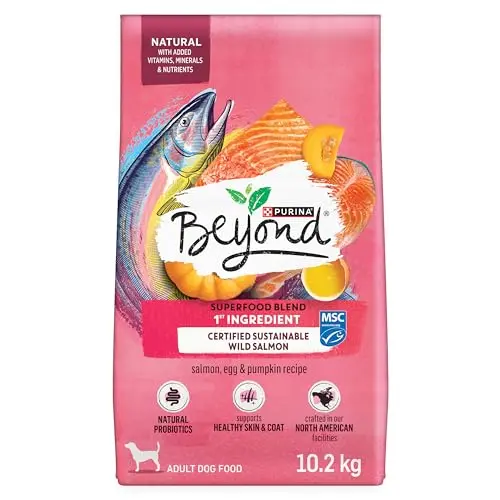
Superfood Blend Salmon, Egg & Pumpkin – Limited Ingredient, Joint-Friendly
A clean, limited-ingredient recipe that puts wild-caught salmon first, making it an excellent choice for greyhounds with food sensitivities. Pumpkin and oatmeal add gentle fibre, while omega-3s support skin and joints.
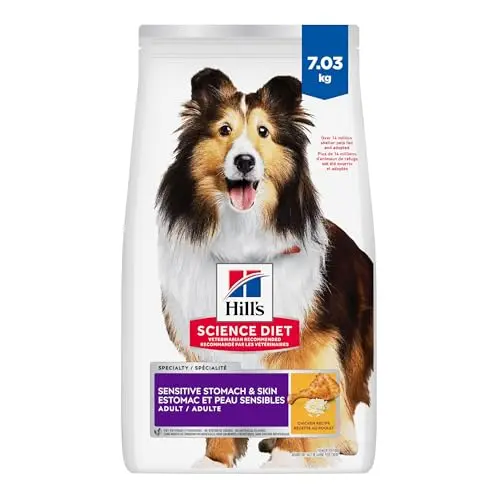
Adult Sensitive Stomach & Skin Chicken – Gentle on Tummies
Veterinarian-recommended and clinically proven to support digestive health, this formula uses prebiotic beet pulp and omega-6 fatty acids to calm sensitive stomachs and nourish the coat. A widely trusted pick for greyhounds needing predictable reliability.
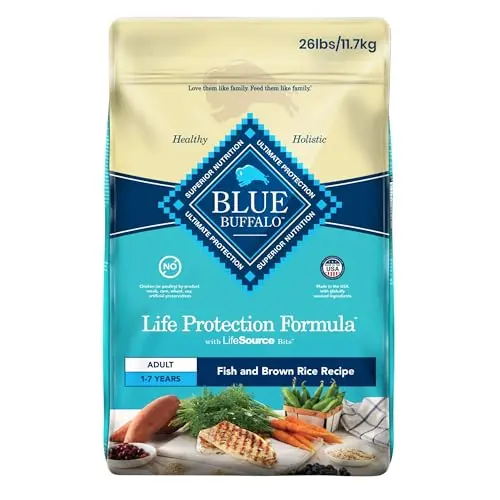
Life Protection Fish & Brown Rice – Omega-Rich for Coat & Joints
Deboned whitefish leads this recipe, delivering a concentrated dose of omega-3 and 6 fatty acids for joint mobility and a glossy coat. Free from poultry by-products and artificial additives, it’s a natural fit for greyhounds with allergies.
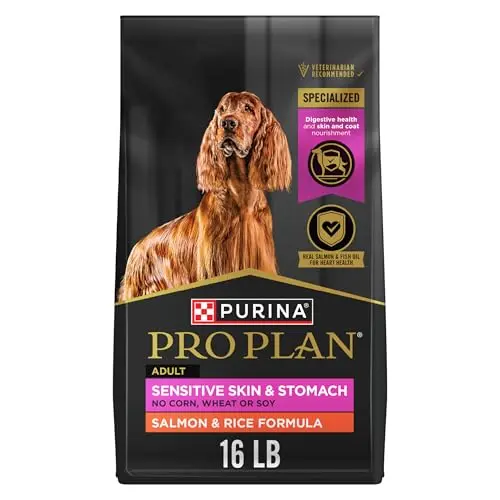
Sensitive Skin & Stomach Salmon & Rice – Complete Sensitive Support
Purpose-built for dogs with dual sensitivities, this salmon-first kibble combines prebiotic fibre for digestion with omega-3s for joint health and skin soothing. It’s a one-stop solution for many greyhounds’ core needs.
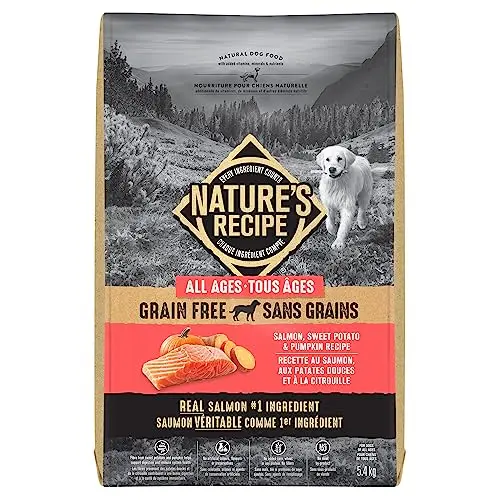
Grain Free Salmon, Sweet Potato & Pumpkin – Simple, Protein-Packed
With salmon as the first ingredient and no grains or fillers, this straightforward recipe delivers high protein and digestible carbohydrates. Ideal for greyhound owners who want to avoid artificial additives entirely.
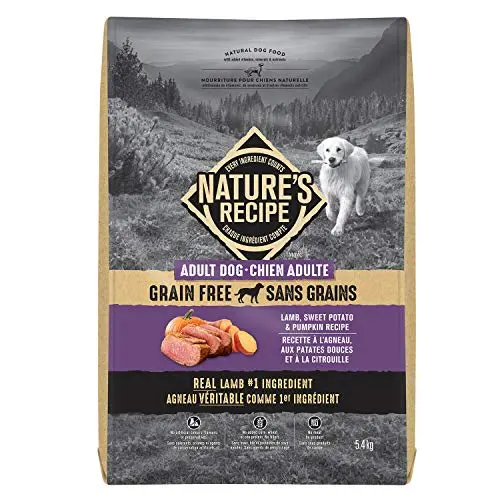
Grain Free Lamb, Sweet Potato & Pumpkin – Heart Health First
This lamb-based, grain-free option adds taurine for cardiac support, making it a thoughtful pick for greyhounds, who can be prone to heart issues. Sweet potato and pumpkin round out the recipe with digestible fibre.
How We Evaluated These Dry Dog Foods for Greyhounds
We didn’t run a controlled feeding trial or veterinary lab analysis. What we did: cross-referenced 8 leading dry dog food models from 6 distinct brands across 5 critical decision axes for greyhounds-digestibility and prebiotic support, protein quality and source, joint health ingredients (omega-3s, glucosamine precursors), ingredient simplicity (limited recipes, allergen avoidance), and manufacturer reputation. We triangulated published specifications, aggregated owner feedback where available, and use-case fit against the known nutritional vulnerabilities of greyhounds (sensitive digestion, lean muscle maintenance, joint longevity).
The scoring framework weighted real-world performance for greyhound needs (60%)-how well each recipe addresses actual greyhound issues like stomach sensitivity and coat condition-against feature differentiation (40%)-unique advantages such as added taurine, novel proteins, or specific fiber blends. We have no commercial relationship with any of the featured brands; recommendations track fit and differentiation, not brand loyalty. If your greyhound’s primary battle is digestive upset, the Purina ONE Microbiome Balance is our top pick; if you’re managing joint concerns alongside digestion, the Pro Plan Sensitive Skin & Stomach is a strong alternative.
How to Choose the Right Dry Dog Food for Your Greyhound
Why Greyhounds Have Unique Dietary Needs
Greyhounds are built differently. Their deep chests and lean frames mean they carry very little body fat, which makes them more sensitive to nutrient imbalances. Digestive sensitivity is almost a breed trait-many greyhounds produce soft stools or develop gas on grain-heavy or fibre-poor diets. Their fast metabolism requires high-quality, bioavailable protein to maintain muscle without excess calories that could turn to unwanted fat. Add to this a predisposition to joint issues like arthritis (exacerbated by their active early lives) and occasional heart concerns, and it’s clear that a one-size-fits-all dog food won’t cut it. Look for formulas that address these pillars: digestibility, joint support, and heart-healthy nutrients.
Protein Quality and Digestibility: The Tummy Test
For a greyhound, protein isn’t just about quantity-it’s about digestibility. A food with 30% protein from poorly absorbed plant sources is far inferior to one with 25% from named meat meals like lamb meal or salmon meal. Real meat should be the first ingredient. Prebiotic fibres such as chicory root, beet pulp, or pumpkin are essential, as they feed beneficial gut bacteria and firm up stools. Many greyhound owners report that formulas centred on novel proteins (lamb, salmon, whitefish) cause fewer allergic reactions than chicken or beef. Avoid foods with vague ingredients like ‘meat meal’ or excessive legume fillers, which can be hard to digest. If your greyhound has a chronic sensitive stomach, the Purina ONE Microbiome Balance is specifically designed for gut health.
Joint Health and Omega Fatty Acids
Greyhounds’ long, thin legs and history of high-impact running make joint support a long-term priority. Omega-3 fatty acids, particularly EPA and DHA from fish sources, act as natural anti-inflammatories. Look for foods where salmon, whitefish, or fish meal appear early in the ingredient list. Some recipes also add supplemental glucosamine and chondroitin, but even without them, a diet rich in omega-3s can help. The Pro Plan Sensitive Skin & Stomach explicitly combines omega-3s for mobility with digestive care, making it a dual-purpose choice. For older greyhounds or those already showing stiffness, a fish-first formula like the Blue Buffalo Life Protection Fish & Brown Rice provides concentrated joint support.
Navigating Grain-Free vs. Grain-Inclusive for Large Breeds
The grain-free trend has cooled recently due to potential links to dilated cardiomyopathy (DCM) in large breeds, though the science is still unfolding. Greyhounds aren’t specifically flagged as high-risk, but many veterinary nutritionists now recommend grain-inclusive diets unless a dog has a confirmed grain allergy. Whole grains like brown rice, oatmeal, and barley provide gentle energy and additional fibre. That said, some of our picks-like the Nature’s Recipe Salmon-are grain-free but use salmon as the main protein, which carries a lower DCM concern than legume-heavy recipes. If you choose grain-free, prioritize formulas with added taurine and consult your vet. For most greyhounds, a high-quality grain-inclusive food with oatmeal or rice is a safer and equally digestible option.
Comparing Top Brands: Purina ONE vs. Pro Plan vs. Hill's
With so many options, it helps to know how the heavy hitters differ. Purina ONE tends to offer strong value with functional formulas like the Microbiome Balance; its ingredient quality is solid but not ultra-premium. Pro Plan steps up the specificity, with recipes like Sensitive Skin & Stomach that directly target multiple greyhound pain points-it’s a favourite among sport dog owners. Hill’s Science Diet leans heavily on veterinary research and clinical consistency; its sensitive stomach food is a reliable, if less flashy, performer. Blue Buffalo and Beyond compete in the natural, limited-ingredient space, often using fish-first recipes that are kind to joints and allergies. Your choice should hinge on which greyhound-specific need is most pressing: digestion (Purina ONE or Hill’s), joint and skin (Pro Plan or Blue Buffalo), or ingredient purity (Beyond or Nature’s Recipe).
How to Transition Your Greyhound to a New Food
Greyhounds have notoriously fickle digestive systems, so a slow transition is non-negotiable. Over 7-10 days, gradually increase the proportion of new food while decreasing the old. Start with 25% new food for two days, then 50% for three days, then 75% for two days, before going full new. Watch for soft stools, excessive gas, or skin flare-ups-if any appear, hold at the current ratio for a few more days. Adding a spoonful of plain canned pumpkin can help firm things up during the switch. Never switch foods abruptly unless under veterinary advice. If your greyhound has a history of digestive issues, consider choosing a food with the same primary protein as their old diet to minimize upset.
Frequently Asked Questions
Is grain-free dog food safe for greyhounds?
Grain-free diets can be safe, but they require caution. The FDA’s investigation into grain-free foods and dilated cardiomyopathy (DCM) found a correlation in some large breeds, though a direct causal link hasn’t been proven. Greyhounds haven’t been singled out, but many vets now recommend grain-inclusive options unless there’s a confirmed allergy. If you opt for grain-free, choose a recipe with animal-sourced taurine and avoid heavy legume loads-the Nature’s Recipe Lamb with added taurine is a smarter grain-free pick. Always discuss with your vet, especially for greyhounds with existing heart murmurs.
What's the difference between Purina ONE Microbiome Balance and Pro Plan Sensitive Skin & Stomach for a greyhound?
Both target digestion, but their approaches differ. The Purina ONE Microbiome Balance focuses on gut bacterial health via prebiotic fiber, using lamb as a novel protein-ideal for greyhounds with general digestive instability. The Pro Plan Sensitive Skin & Stomach goes a step further by also addressing skin and joint health through salmon-based omega-3s. It’s a better choice if your greyhound has itchy skin or creaky joints alongside stomach issues. Price-wise, Purina ONE is often more budget-friendly, while Pro Plan offers a more complete sensitive-care package. For a pure digestion fix, go Purina ONE; for a multi-issue solution, pick Pro Plan.
How do Beyond Superfood and Blue Buffalo Life Protection compare for greyhounds?
Both are natural, fish-first options, but they serve slightly different purposes. Beyond Superfood is a limited-ingredient food with a very short, recognizable ingredient list-perfect for greyhounds with multiple food sensitivities. It avoids common allergens like corn, wheat, and soy entirely. Blue Buffalo Life Protection adds a targeted antioxidant blend through LifeSource Bits and packs more explicit joint support with omega-3s. It’s a bit more premium but offers broader health coverage. If allergies are the main concern, Beyond is the simpler, cleaner choice; if joint and immune health are top priorities, Blue Buffalo is the more fortified option.
How much dry food should I feed my greyhound?
Greyhounds typically need 2.5 to 4 cups of dry food per day, split into two meals, but this varies hugely based on age, activity level, and the food’s calorie density. Retired racers or very active greyhounds may need the higher end, while couch potatoes can thrive on less. Always start with the feeding guide on the bag, then adjust based on body condition: you should be able to feel the ribs without seeing them prominently. Weigh your greyhound monthly. Rapid weight gain or loss should trigger a vet visit. Because of deep chests, feed from an elevated bowl to reduce the risk of bloat.
Can a high-protein diet cause kidney problems in greyhounds?
For healthy greyhounds, no. The myth that high-protein diets damage kidneys stems from outdated human medicine and applies only to dogs with pre-existing kidney disease. Greyhounds, with their lean muscle mass, actually benefit from moderately high protein (25-30% or more) to maintain condition. The key is the quality of the protein, not just the percentage. A food like the Purina ONE True Instinct High Protein with named meat meals is far better than a low-quality, plant-heavy high-protein formula. If your greyhound has been diagnosed with renal issues, of course follow your vet’s dietary restrictions.
Final Verdict
For the vast majority of greyhounds battling sensitive digestion, the Purina ONE Microbiome Balance is our top recommendation-it’s the most targeted gut-health formula we evaluated and comes at a fair price. If your greyhound is young and high-energy, the protein-packed Purina ONE True Instinct will fuel those sprint sessions. And for the sensitive dog with joint concerns, the Pro Plan Sensitive Skin & Stomach pulls double duty. No matter which you pick, let a slow transition and a watchful eye on your greyhound’s condition be your guide.