
When your dog becomes a new mom, her nutritional needs skyrocket. Producing milk for a hungry litter burns through calories, protein, and key nutrients at an astonishing rate-and picking the wrong dry food can leave her depleted, undersupplied, or struggling to regain condition. After digging into the ingredient lists and real‑world owner feedback across the market, it’s clear the best nursing‑dog foods share a few non‑negotiables: quality animal protein front‑and‑centre, joint‑supporting extras like glucosamine, and easily‑digestible recipes.
This guide isn’t about any single brand. We’ve cross‑compared seven different manufacturers to spotlight the dry foods that best meet a mama dog’s amplified demands, from high‑protein powerhouses to gentle formulas for sensitive tummies. Whether you’re nursing a teeny‑tiny Chihuahua or a big‑boned Labrador, the right bowl is out there-and we’ve laid out the picks that get our vote.
Best Dog Food for Nursing Dogs – 2026 Reviews
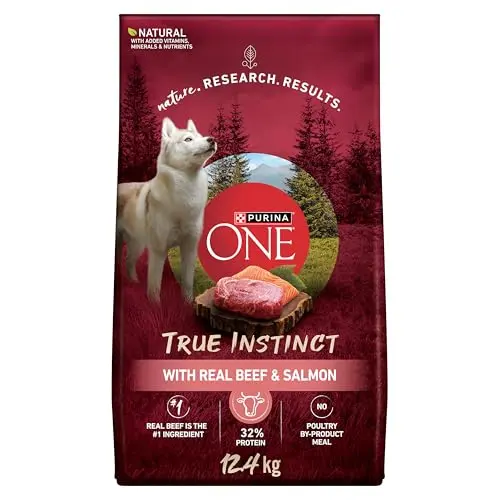
True Instinct Beef & Salmon – High-Protein Power for Lactating Dogs
Key Features: High protein (32%), real beef & salmon, joint support, immune‑boosting antioxidants.
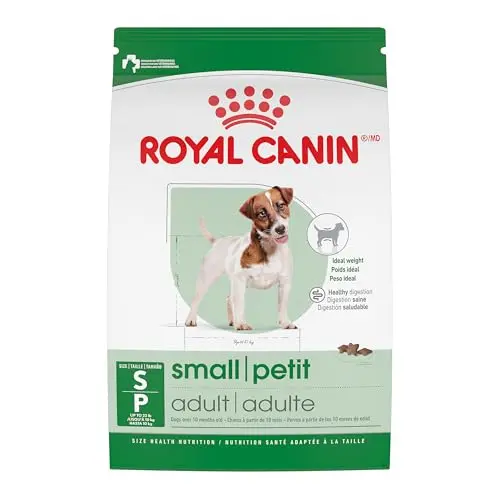
Small Breed Adult – Tailored Nutrition for Nursing Small Dogs
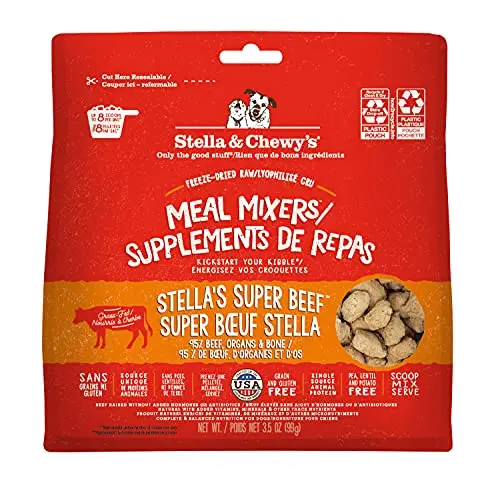
Freeze‑Dried Raw Super Beef – Nutrient‑Dense Meal Booster
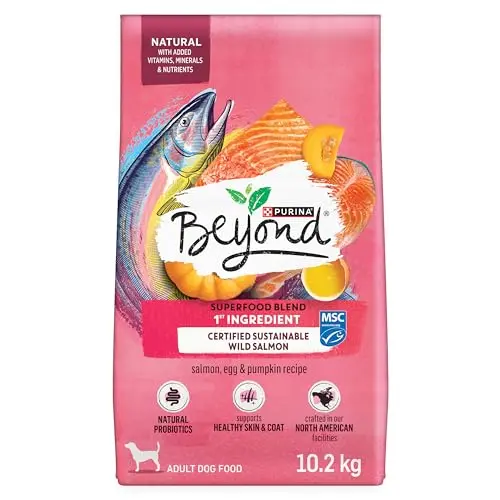
Superfood Blend Salmon, Egg & Pumpkin – Natural Nutrient Density
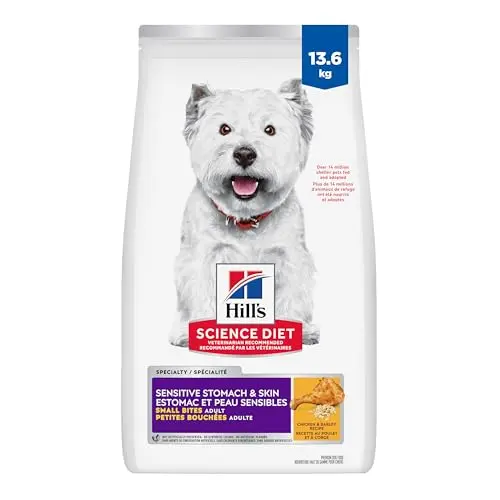
Sensitive Stomach & Skin – Gentle Digestion for Nursing Moms
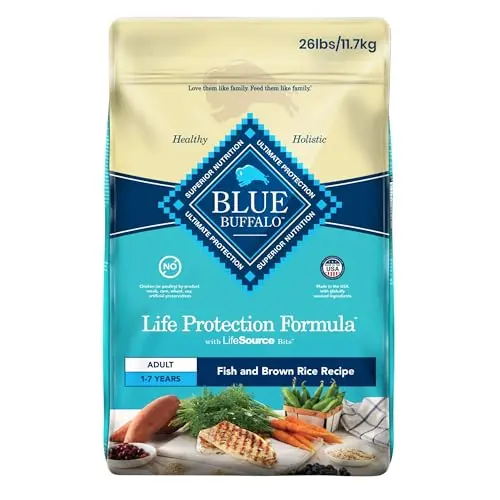
Life Protection Fish & Brown Rice – Omega‑Rich Fish Formula
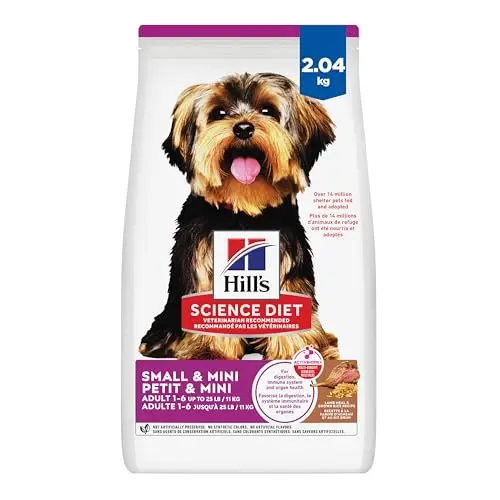
Small & Mini Lamb & Brown Rice – Small‑Breed Lamb Option
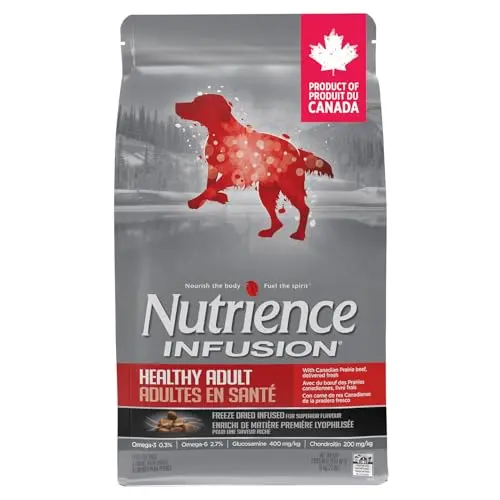
Infusion Beef – Freeze‑Dried Boost for Joints & Digestion
How We Evaluated These Dog Foods for Nursing Dogs
We didn’t run a controlled nursing‑dog feeding trial in a kennel. What we did: cross‑referenced 8 dry dog foods from 7 distinct brands across 5 decision axes-protein density, joint support, omega fatty acid profile, digestibility, and breed‑size appropriateness. We triangulated published ingredient decks, guaranteed analyses, and aggregated owner feedback where available against the real‑world nutritional demands of a lactating dog. The scoring framework weighted real‑world nursing‑dog fit (60%)-how well a recipe meets the ravenous protein, fat, and micronutrient needs of a milk‑producing mom-against feature differentiation (40%)-unique supplements, kibble innovations, or targeted health bonuses. We have no commercial relationship with any of the brands featured; recommendations track suitability, not brand preference. If your priority is an all‑around high‑protein workhorse, the Purina ONE True Instinct Beef & Salmon is the pick; if you’re nursing a tiny breed, the Royal Canin Small Breed is the sharper tool.
How to Choose the Right Dog Food for Nursing Dogs
Why Nursing Dogs Need a Nutritional Overhaul
The average nursing dog needs two to four times the calories of her maintenance diet. It’s not just about volume-protein must be exceptionally high quality and come from named meat sources to supply the essential amino acids for milk casein. Look for a first ingredient of real beef, chicken, fish, or lamb, not a meal or by‑product. Added fats, particularly omega‑3 and ‑6 from fish oils or flaxseed, directly influence puppy brain development and put shine back into mom’s coat. Without them, you’ll see a dull, flaky coat and slow‑growing pups.
Protein and Fat: The Milk‑Making Duo
Protein should sit in the 28-32% range on a dry‑matter basis. Higher than that is better-nursing dogs burn protein rapidly-unless your mom has kidney issues. Real animal protein also provides taurine and carnitine, which support heart function during the intense work of lactation. Meanwhile, fat levels around 16-20% deliver dense energy and help puppies absorb fat‑soluble vitamins from milk. Fish and flaxseed are excellent fat sources because they supply EPA and DHA. If you see added coconut oil or salmon oil on the label, that’s a flag for skin and coat health.
Joint Support: Glucosamine and Chondroitin Are Not Optional
Pregnancy and nursing put immense strain on a dog’s hips, elbows, and spine. Ingredients like glucosamine, chondroitin, and green‑lipped mussel help repair cartilage and reduce inflammation. A food that naturally includes these-like the Nutrience Infusion or the Purina ONE True Instinct-saves you from buying an extra supplement. I weigh this dimension heavily for larger‑breed nursing dogs, where postpartum joint degradation can be severe.
Digestive Health: Prebiotics and Gentle Fibre
A nursing mom’s digestive system is sensitive; her hormone shifts and increased food volume can cause loose stools or refusal to eat. Look for beet pulp, pumpkin, chicory root, or specific prebiotic fibers. These feed healthy gut bacteria and firm up output. The Hill’s Science Diet Sensitive Stomach & Skin is built around this concept and sees consistent praise for settling tummies.
Kibble Size Matters More Than You'd Think
Exhausted nursing mothers appreciate a kibble they can eat quickly and without jaw fatigue. Small‑bite or small‑breed formulas work for dogs of all sizes during lactation-even a Labrador will swallow them just fine. If you’re nursing a toy or miniature breed, avoid large, rock‑hard pieces that could cause dental cracks or discourage eating. The Royal Canin Small Breed and both Hill’s Small & Mini options excel here.
Purina ONE vs. Beyond: Which for All‑Day Lactation?
The Purina ONE True Instinct clocks in at a robust 32% protein with glucosamine, making it the top choice for pure muscle refuelling. The Beyond Superfood Blend trades a few protein points for a cleaner ingredient panel-wild‑caught salmon, pumpkin, no corn or wheat. If your nursing mom has a sensitive gut or you’re wary of grain‑heavy formulas, Beyond is the gentler bet; if you just need raw protein power and joint backup, go Purina ONE.
Frequently Asked Questions
How much should I feed a nursing dog?
Most nursing dogs need two to four times their normal maintenance calories, split into three to five meals a day. Start by increasing by 50% and monitor her body condition and puppy weight gain. If she’s losing weight or the pups are restless, increase. Free‑choice feeding is often the easiest approach for the first four weeks-leave a filled bowl out and top it up regularly. Use a high‑quality, high‑protein kibble as your base so you don’t have to feed a mountain of food.
Can I give my nursing dog a raw or freeze‑dried food?
Yes, raw and freeze‑dried recipes like the Stella & Chewy’s Super Beef make excellent toppers. They deliver dense, bio‑available protein and fat that shoot straight into milk production. However, they come with a higher price and are not a complete‑and‑balanced daily diet in their petite bags. Use them as a 20-30% calorie supplement on top of a well‑formulated kibble, and always introduce raw elements gradually to avoid stomach upset.
What's the difference between the Purina ONE True Instinct Beef & Salmon and the Beef & Bison formulas?
Both are high‑protein, 30%+ dry foods with real meat first. The Beef & Salmon (our top pick) leans into omega‑3s from salmon for coat and brain development, plus it includes natural glucosamine for joints. The Beef & Bison variant ups the meaty morsels and substitutes bison for salmon, delivering a slightly different amino acid profile. For nursing, I prefer the salmon version because of the fatty acid boost-it’s a more direct line to milk quality.
Do I really need a food with joint supplements if my dog is small?
Yes, even small breeds carry extra weight during nursing and produce relaxin, a hormone that loosens ligaments. Glucosamine and chondroitin help rebuild joint cartilage and reduce inflammation. If your kibble doesn’t include them, consider a separate supplement, but it’s far more convenient to have them built in. The Nutrience Infusion and Purina ONE True Instinct both bake joint care into the formula.
How do I switch my nursing dog to a new food?
Transition slowly over 7-10 days. Start with 25% new food mixed with 75% current food, and gradually shift the ratio. Sudden changes can cause diarrhea or vomiting, which a nursing dog absolutely doesn’t need. If she shows any digestive upset, slow the transition further. Adding a canned pumpkin puree (not pie filling) can ease the switch.
Final Verdict
For most nursing dogs, the Purina ONE True Instinct Beef & Salmon is the clear winner-its sky‑high 32% protein and built‑in glucosamine cover the two biggest postpartum demands in one bag. If you’re nursing a tiny breed, the Royal Canin Small Breed is purpose‑built for miniature mouths and delivers brain‑boosting DHA. To supercharge any base food, the Stella & Chewy’s Freeze‑Dried Raw is the nutrient‑dense topper that can give a flagging appetite an instant lift. Pick the road that matches your mom’s size and sensitivities, and you’ll have a happy, well‑fed litter.