
Bringing home a tiny, bouncy Yorkshire Terrier puppy is pure joy – but it also comes with big decisions, starting with what goes into their food bowl. Those itty‑bitty mouths and turbo‑charged metabolisms mean that not just any puppy chow will do. The right diet can fuel their rapid growth, keep their silky coats shiny, and support a developing brain, while the wrong one can lead to digestive upsets or picky eating habits that last a lifetime.
Yorkie puppies have a few non‑negotiables: kibble small enough to chew without a struggle, protein dense enough to power their busy days, and often, a formula gentle on their notoriously sensitive stomachs. After surveying the options, we found that the best foods combine breed‑specific design with high‑quality ingredients and a track record of happy, healthy puppies. In this guide, we walk you through what actually matters – and which bags deserve a spot in your pantry.
Best Dog Food for Yorkshire Terrier Puppies – 2026 Reviews
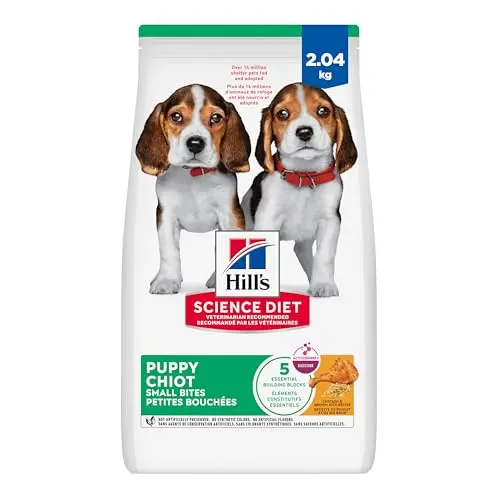
Small Bites Chicken & Brown Rice – Tiny Kibble for Easy Chewing
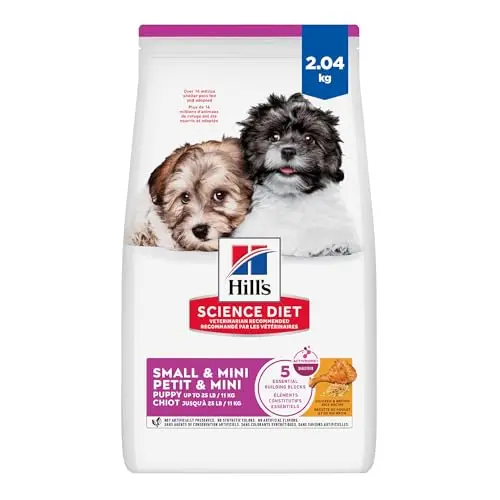
Small & Mini Chicken & Brown Rice – Tailored for Tiny Breeds
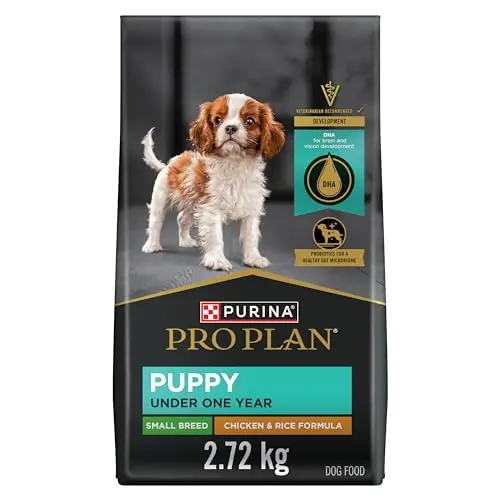
Small Breed Chicken & Rice – High‑Protein Puppy Fuel
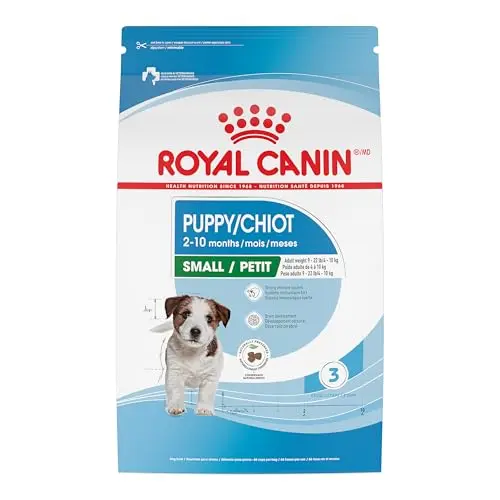
Small Puppy Chicken – Precise Nutrition for Small Breeds
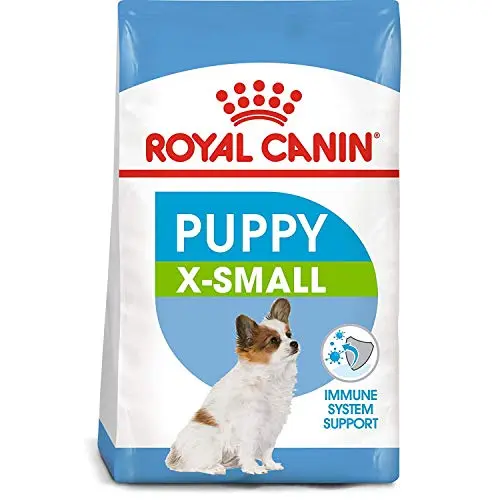
X‑Small Puppy Chicken – Designed for Teacup and Toy Breeds
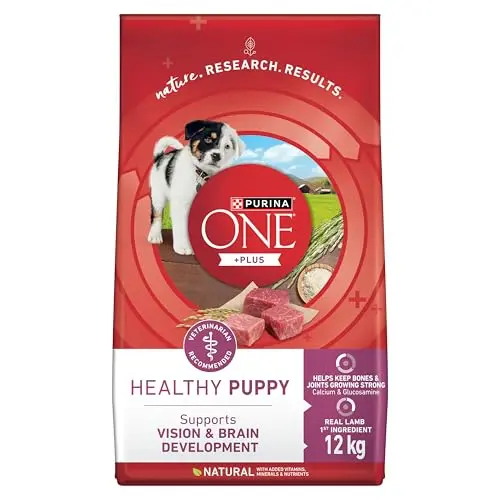
Healthy Puppy Lamb & Rice – Wholesome All‑Breed Nutrition
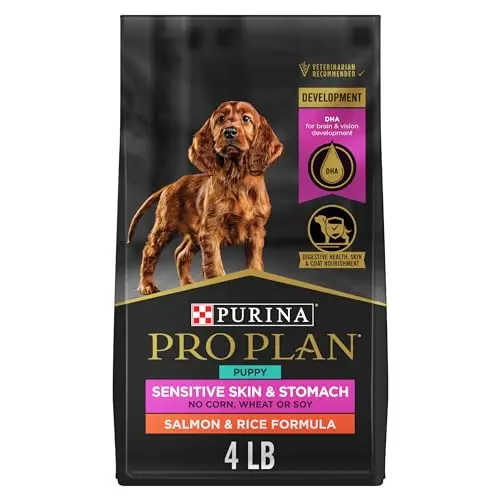
Sensitive Skin & Stomach Salmon & Rice – Gentle on Tiny Tummies
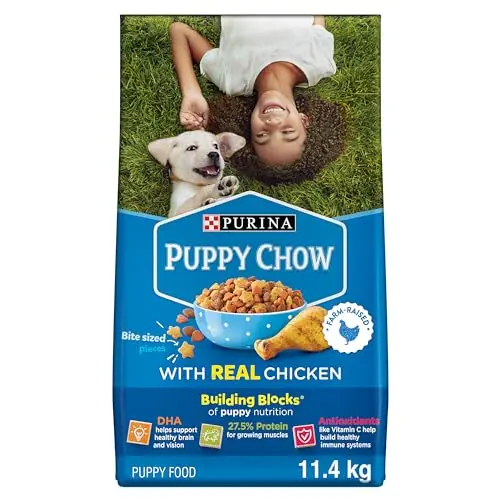
Complete with Chicken – Budget‑Friendly Puppy Nutrition
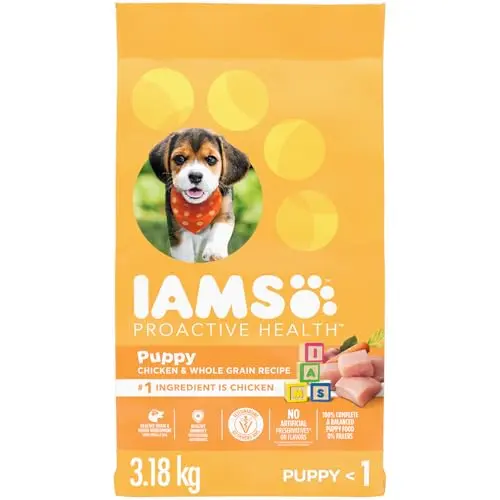
Proactive Health Chicken & Whole Grain – Everyday Puppy Nutrition
How We Evaluated These Dog Foods for Yorkshire Terrier Puppies
We didn’t run controlled feeding trials or lab analysis on these puppy foods. What we did: cross‑referenced 9 distinct formulas from 6 brands across 5 decision axes – kibble size and shape, breed‑specific nutritional design, DHA content, protein source digestibility, and owner‑reported acceptance. We triangulated manufacturer specifications, ingredient panels, and aggregated owner feedback where available to evaluate how well each option fits the unique needs of a growing Yorkie.
The scoring framework weighted real‑world suitability (60%) – how precisely a formula addresses toy‑breed requirements – against feature differentiation (40%) – advantages like probiotics, novel proteins, or targeted kibble dimensions. We have no commercial relationship with any of the brands featured; recommendations track fit and differentiation, not brand preference. For most Yorkie puppies, the Hill’s Science Diet Small Bites is our top pick; if you’re on a tighter budget, the Purina Pro Plan Small Breed delivers excellent value without sacrificing key nutrients.
How to Choose the Right Dog Food for Your Yorkshire Terrier Puppy
Kibble Size and Shape Matter for Tiny Mouths
Yorkie puppies have some of the smallest mouths in the dog world. A kibble that’s too large or oddly shaped can turn mealtime into a frustrating chore – or worse, a choking hazard. The best options feature tiny, flat, or round pieces that dissolve easily with minimal chewing. Look for labels like “small bites,” “mini,” or “extra‑small” – they indicate the manufacturer has actually thought about toy breeds.
If you’re stuck with a larger kibble that your puppy otherwise tolerates well, you can soften it with a splash of warm water or puppy formula for the first few weeks. But for daily feeding, a properly sized kibble eliminates guesswork and encourages eager eating.
Breed‑Specific Formulas vs All‑Breed Puppy Foods
Not all puppy food is created equal. Brands like Hill’s, Royal Canin, and Purina Pro Plan offer breed‑size‑specific lines that adjust protein, fat, and calorie density for small‑breed metabolisms. Yorkies burn energy fast and can be prone to hypoglycemia if meals are too far apart, so a calorie‑dense, small‑breed formula helps keep blood sugar stable.
All‑breed puppy foods, while often more affordable, may not provide the same nutrient concentration. They can also have kibble that’s sized for a Labrador, not a Lapdog. If you go the all‑breed route, pay extra attention to whether the pieces are physically manageable and whether the protein content (ideally 27% or higher) meets your Yorkie’s growth demands.
Understanding Key Nutrients: DHA, Protein, and Prebiotics
Three nutrients deserve special attention for Yorkie puppies. DHA (docosahexaenoic acid) – an omega‑3 fatty acid found in fish oil and mother’s milk – is critical for brain and eye development during the first six months. Look for it listed explicitly on the bag, ideally from salmon or marine microalgae.
High‑quality animal protein (chicken, lamb, or salmon as the first ingredient) builds lean muscle and supports an active lifestyle. Avoid foods that rely on plant proteins or vague meat meals. Finally, prebiotic fibers like beet pulp or fructooligosaccharides foster a healthy gut microbiome – especially important for Yorkies, who often inherit sensitive stomachs. Probiotics (live bacteria) are a bonus found in formulas like Purina Pro Plan.
Dealing with Picky Eating in Yorkshire Terrier Puppies
Yorkies have a reputation for being finicky. If your puppy snubs a new food, don’t panic. Start by mixing a small amount of the new kibble with their current food, gradually increasing the ratio over 7‑10 days. Warming the food slightly or adding a spoonful of warm water can release aromas that entice eating.
If pickiness persists, consider a novel protein like lamb or salmon – some Yorkies simply prefer these flavors over chicken. The Purina ONE Lamb & Rice or the Pro Plan Sensitive Skin & Stomach Salmon are excellent backups. Avoid rotating foods constantly, though – that can train pickiness.
How Much and How Often to Feed Your Yorkie Puppy
Toy breed puppies should eat three to four small meals a day until they’re about six months old to prevent hypoglycemia. The exact amount depends on the food’s calorie density and your puppy’s expected adult weight, but a general starting point is ¼ to ½ cup of dry kibble per day, split into multiple meals. Always check the feeding guide on the bag and adjust based on your vet’s advice.
Measure with a standard measuring cup and monitor your puppy’s body condition – you should be able to feel the ribs without seeing them. Yorkies are prone to obesity later in life, so establishing healthy portions early matters.
Wet Food vs Dry Food: What Works Best for Yorkie Puppies
Dry kibble is the default for most owners because it’s convenient, promotes dental health through chewing, and is more calorie‑dense. However, some Yorkie puppies – especially those under 2 lbs – may struggle with hard pieces at first. In that case, mixing a small amount of wet puppy food with dry kibble can improve acceptance and hydration. Royal Canin offers complementary wet food pouches designed to pair with their small‑breed kibble.
Stick to a mixed feeding approach rather than going all‑wet if possible; exclusive wet food can lead to plaque buildup and is often less economical in the long run. For the tiniest Yorkies, starting with softened dry food and transitioning to crunchy kibble by 12 weeks is a practical strategy.
Frequently Asked Questions
What's the difference between Hill's Science Diet Small Bites and Small & Mini?
Both are chicken‑and‑brown‑rice formulas designed for small puppies, but the Small Bites (B000261MX6) emphasizes tiny kibble for easy chewing and adds a prebiotic fiber blend for digestion. The Small & Mini (B003CLAJ6E) targets immune support with an antioxidant blend and is marketed specifically for mini and toy breeds. Practically, they’re very similar – the Small Bites may be slightly better for picky chewers, while the Small & Mini leans into immunity. Either works well for a Yorkie puppy; pick whichever your puppy prefers or what’s in stock.
Royal Canin X‑Small vs Small Puppy: Which one for a Yorkie?
Royal Canin X‑Small Puppy is formulated for dogs whose adult weight will be under 8 lbs – precisely the range of most Yorkshire Terriers. Its kibble is the tiniest in Royal Canin’s lineup, making it ideal for teacup and toy varieties. The Small Puppy version targets adult weights of 9‑22 lbs, so while it’s still a high‑quality small‑breed food, the kibble size and calorie density are less optimal for a true Yorkie. If your puppy’s parents were under 7 lbs, stick with X‑Small. If they were on the larger side (9+ lbs), Small Puppy can work, but most purebred Yorkie owners should choose X‑Small.
Is grain‑free food better for Yorkshire Terrier puppies?
Not necessarily. While some owners turn to grain‑free diets believing they’re more natural, recent veterinary research links certain grain‑free foods to dilated cardiomyopathy (DCM) in dogs. For a growing Yorkie puppy, high‑quality grains like brown rice, oatmeal, and barley provide steady energy and fiber that support digestion. Unless your puppy has a diagnosed grain allergy (which is rare), a formula with whole grains is often healthier than one with peas or potatoes. The Hill’s Science Diet and Purina Pro Plan options in this roundup all include wholesome grains and meet AAFCO standards.
How do I know if my Yorkie puppy has a food sensitivity?
Signs of food sensitivity in Yorkie puppies include loose stools, gas, frequent itching, skin redness, and ear infections. If you suspect a sensitivity, try a limited ingredient diet with a novel protein – like the Purina Pro Plan Sensitive Skin & Stomach Salmon – for at least 6‑8 weeks. Avoid switching multiple things at once, and consult your vet if symptoms don’t improve. Many Yorkies outgrow mild food intolerances as their digestive systems mature.
Can I feed my Yorkie puppy homemade food instead?
Homemade diets can be extremely risky for growing puppies because it’s very difficult to achieve the precise balance of vitamins, minerals, and amino acids a Yorkie needs. Deficiencies in calcium, phosphorus, or DHA can lead to permanent bone or brain development issues. If you’re set on home cooking, work directly with a veterinary nutritionist to formulate a recipe – never follow online recipes alone. For most owners, a high‑quality commercial puppy food is safer and more reliable.
Final Verdict
After comparing kibble size, breed specificity, and owner‑reported results, the Hill’s Science Diet Small Bites emerges as the best overall choice for most Yorkshire Terrier puppies. It nails the two hardest things to find – a genuinely tiny kibble and a science‑backed formula that doesn’t upset delicate stomachs. If your budget is tighter, the Purina Pro Plan Small Breed offers impressive protein and probiotics at a friendlier price. And for the tiniest teacup Yorkies, the Royal Canin X‑Small is purpose‑built for sub‑5‑lb adults. Whichever you choose, pair it with a consistent feeding schedule and plenty of love – your Yorkie pup will thrive.