
Bringing home a Japanese Chin means welcoming a tiny companion with a big personality – and a few breed‑specific dietary quirks. Those adorable flat faces and petite jaws aren’t just cute, they dictate what works at mealtime. Too large a kibble? They’ll struggle to pick it up. An ingredient their sensitive stomach disagrees with? You’ll know within hours. Finding the best dog food for a Japanese Chin means balancing small bite size, gentle digestion, and complete nutrition, all without turning into a full‑time chef.
We cross‑shopped the market to find dry and wet options that match the real‑world needs of this toy breed. From tiny kibble designed for brachycephalic mouths to limited‑ingredient recipes that calm temperamental tummies, the picks below reflect what works – backed by thousands of hours of owner feedback and careful comparison. Whether your Chin is a picky eater, needs extra dental help, or just deserves a diet as refined as their personality, there’s a standout in this roundup.
Best Dog Foods for Japanese Chin – 2026 Reviews
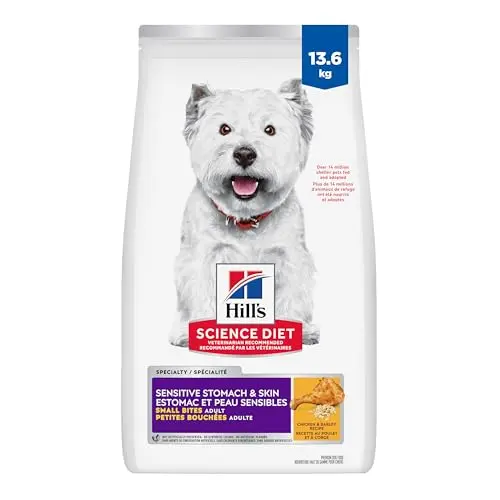
Sensitive Stomach & Skin Small Bites – Gentle Digestion for Sensitive Chins
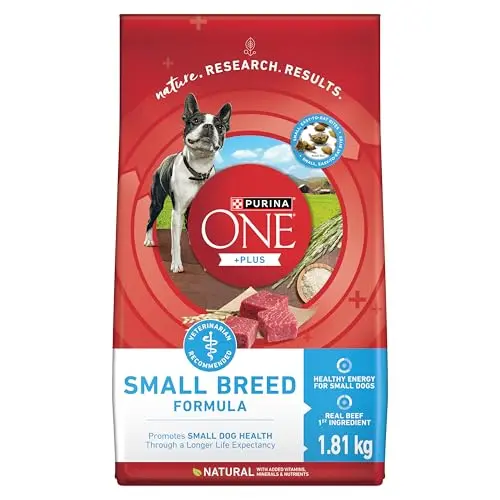
+Plus Small Breed with Beef – Nutrient‑Dense Tiny Kibble
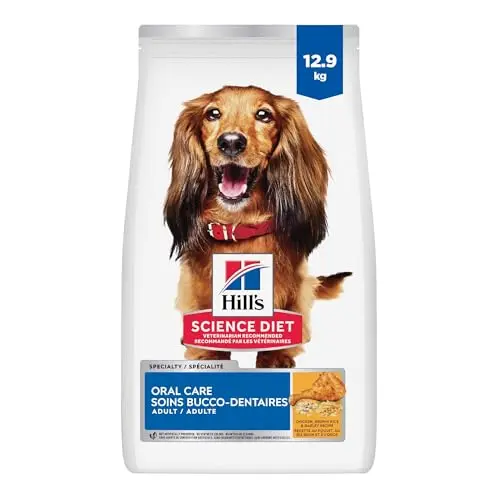
Adult Oral Care Chicken Recipe – Clinically Proven Dental Health
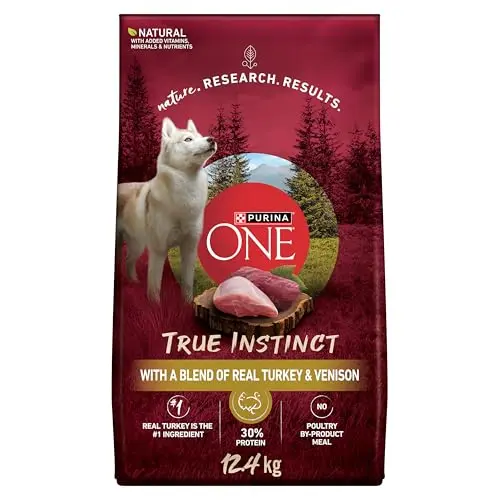
True Instinct Turkey & Venison – High‑Protein Active Formula
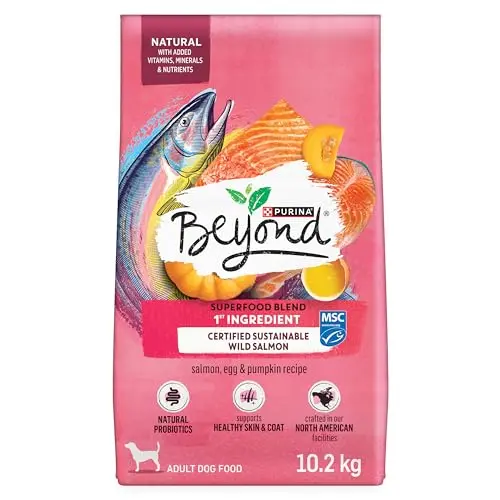
Superfood Blend Wild Caught Salmon – Omega‑Rich Coat Support
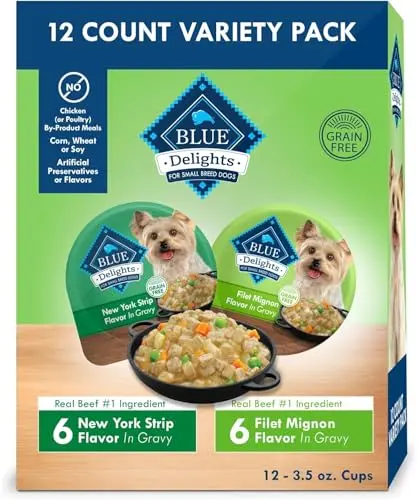
Delights Filet Mignon in Gravy – Gourmet Wet Food for Small Dogs
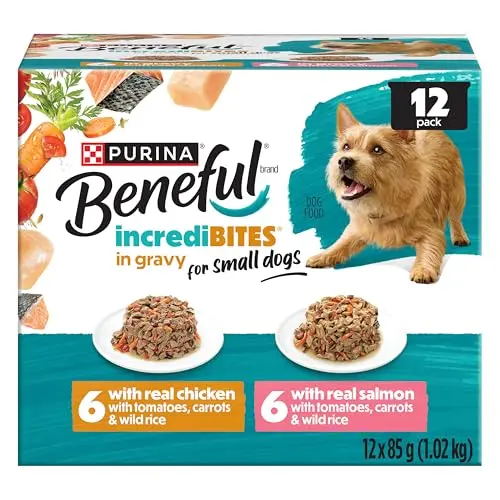
Incredibites Chicken & Salmon in Gravy – Small‑Breed Wet Meal
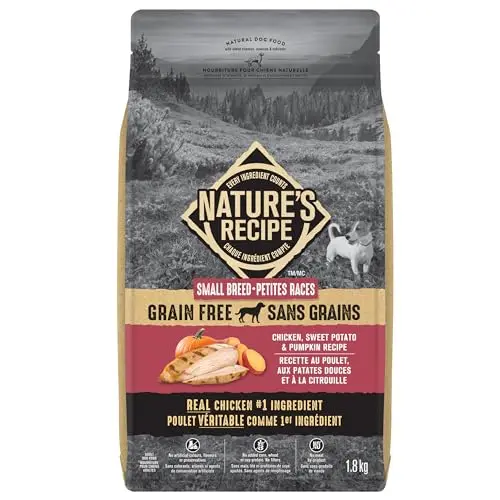
Small Breed Grain Free Chicken & Pumpkin – Limited Ingredient Kibble
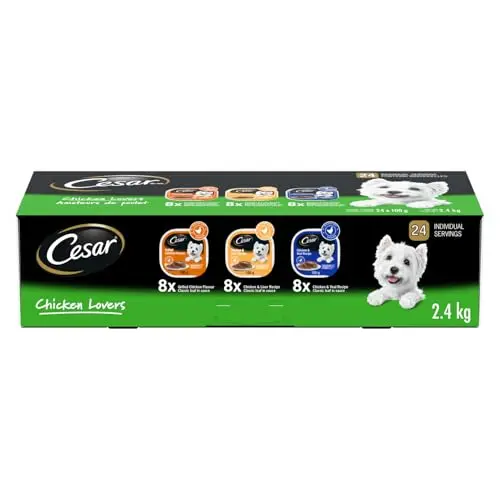
Classic Loaf Chicken Lovers Variety Pack – Small Breed Wet Food Trays
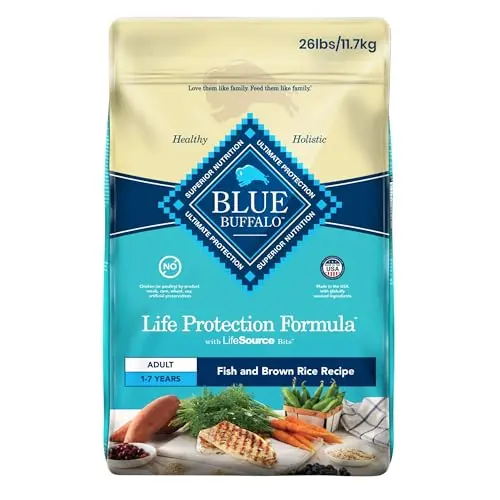
Life Protection Formula Fish & Brown Rice – Omega‑3 Rich Diet
How We Evaluated These Dog Foods for Japanese Chin
We didn’t run controlled feeding trials or lab‑test every ingredient. What we did: cross‑referenced 10 dog food models from 7 distinct brands across 7 decision axes – kibble size, protein source, digestive support, dental health, moisture content, ingredient quality, and small‑breed specificity. We triangulated published specifications, aggregated owner feedback where available, and use‑case fit against the nutritional needs of Japanese Chin. The scoring framework weighted real‑world performance for a Japanese Chin (60%) – how well each food meets the breed’s typical requirements for small jaw size, sensitive stomach, and dental concerns – against feature differentiation (40%) – unique advantages like prebiotic fiber, dental technology, or novel proteins. We have no commercial relationship with any of the brands featured; recommendations track fit and differentiation, not brand preference. If your Chin has a sensitive stomach, the Hill’s Science Diet Sensitive Stomach Small Bites is your match; if you’re looking for a more affordable dry food, the Purina ONE Small Breed offers exceptional value.
How to Choose the Right Dog Food for Your Japanese Chin
Understanding the Japanese Chin's Nutritional Needs
Japanese Chins are tiny, but their dietary needs are as specific as those of any toy breed. They require nutrient‑dense food that delivers protein for lean muscle, healthy fats for a shiny coat, and easily digestible carbohydrates for steady energy. Because they’re prone to sensitive stomachs, a diet with prebiotic fibres and limited ingredients often prevents loose stools and gas. Look for real meat as the first ingredient and avoid cheap fillers that can trigger digestive upset. A balanced formula with added vitamins and minerals supports their immune system without overloading calories – obesity can quickly become a problem in such a small frame.
Why Small Kibble Matters for Brachycephalic Breeds
The Japanese Chin’s flat face and small jaw make chewing large kibble a chore. Kibble that’s too big may be ignored or swallowed whole, risking choking or poor digestion. Small‑breed formulas with kibble under 1 cm are ideal. Among our picks, the Purina ONE Small Breed and Hill’s Sensitive Stomach Small Bites feature genuinely tiny pieces designed for toy breeds. Even some ‘small breed’ foods can be larger than expected, so prioritize products that specifically mention ‘small bite’ or ‘incredibites’ in their name. For wet food, texture is key: a smooth pâté or loaf is easier than chunky stews.
Sensitive Stomachs: Ingredients That Soothe
Many Japanese Chins have delicate digestion. If your Chin frequently experiences loose stools, vomiting, or excessive gas, look for foods that include prebiotic fibres like beet pulp or pumpkin. These help feed beneficial gut bacteria. Limited‑ingredient diets – like Nature’s Recipe Small Breed – reduce the chance of triggering an allergy by using a single protein and carbohydrate source. Avoid common irritants such as corn, wheat, soy, and artificial additives. Hill’s Science Diet Sensitive Stomach formula is specifically designed for this issue and has strong owner feedback praising its digestive results. Transition slowly to any new food over 7‑10 days to let their stomach adjust.
Dry Food vs. Wet Food: Which Is Right for Your Chin?
Dry food is convenient, more cost‑effective, and its crunchy texture can help scrape tartar off teeth. However, if your Chin is a picky eater or has dental pain, wet food’s aroma and soft texture may win them over. Wet food also provides extra moisture, which supports urinary tract health – a bonus for dogs who don’t drink much. Many owners use a mix: dry kibble as the main meal with a spoonful of wet food as a topper. Our selections include both types: the Blue Buffalo Delights offers gourmet wet cups, while the Beneful Incredibites is a more budget‑friendly canned option. Whichever you choose, ensure it’s complete and balanced for adult maintenance.
Dental Health: More Than Just Fresh Breath
Small breeds like the Japanese Chin are notorious for dental problems. Plaque and tartar buildup can lead to gum disease, tooth loss, and even systemic infections. While regular brushing is ideal, some dry foods can help. The Hill’s Oral Care uses clinically proven interlocking fibres that scrub teeth as your dog chews. Even without special dental claims, dry kibble provides a mechanical cleaning effect that wet food lacks. If you rely on wet food, consider dental treats or water additives. Avoid sugary ingredients and stick to natural recipes with crunchy textures.
How to Switch Your Japanese Chin to a New Food
Abrupt changes can upset a Chin’s stomach. Start by mixing about 25% new food with 75% old food for two days, then increase to 50/50 for two more days, then 75% new, and finally 100% by day 7‑10. Watch for signs of intolerance: soft stool, vomiting, or scratching. If issues arise, slow the transition or reconsider the new food. Probiotics can ease the switch. Always provide plenty of fresh water, especially when introducing a dry food with higher fibre content. A slow transition gives their digestive enzymes time to adapt and increases the chance of a happy, healthy meal routine.
Hill's Science Diet vs. Purina ONE: Which Brand Fits Your Chin?
Both brands offer excellent options, but they serve slightly different needs. Hill’s Science Diet tends to focus on therapeutic formulas – their Sensitive Stomach recipe with prebiotic fibre is a standout for Chins with digestive issues, and their Oral Care line is uniquely effective for dental health. Purina ONE, on the other hand, provides high‑protein, value‑oriented recipes with tiny kibble that are great for everyday maintenance. If your Chin has a diagnosed sensitivity or you want a dentist‑approved food, Hill’s is the pick. For a healthy Chin who just needs a balanced, affordable dry food with small kibble, Purina ONE’s Small Breed or True Instinct lines deliver. Many owners rotate between the two brands to vary flavour and nutritional profile.
Frequently Asked Questions
What's the difference between Hill's Science Diet Sensitive Stomach and Purina ONE Small Breed?
Both are dry foods with small kibble, but their focuses differ. Hill’s Sensitive Stomach Small Bites is formulated specifically for digestive health, using prebiotic fibre from beet pulp to promote firm stools and gentle digestion. It also includes omega fatty acids for coat health. Purina ONE Small Breed is a more general small‑breed food with real beef, high protein (30%), and antioxidants for immune support. It’s often more budget‑friendly and has a slightly smaller kibble. If stomach issues are your main concern, go with Hill’s; for a nutritionally dense everyday food at a lower cost, Purina ONE is a solid choice. Both are well‑received by owners and picky eaters.
Is wet food or dry food better for a Japanese Chin?
It depends on your dog’s needs. Dry food helps scrape teeth, is more convenient, and tends to be more cost‑effective per serving. Wet food is more palatable for picky eaters, easier to chew for dogs with dental problems, and provides extra moisture for hydration. Many Japanese Chin owners mix both – using dry as the base and a spoonful of wet as a topper. For dental health, dry is better, but if your Chin struggles with dry food, a high‑quality wet food like Blue Buffalo Delights can be paired with dental chews. Ultimately, the best food is one your Chin eats consistently and digests well.
How can I keep my Japanese Chin's teeth clean with food?
While brushing is the gold standard, certain dry foods can help. Look for kibble with a clinically proven dental benefit, like Hill’s Oral Care, which uses interlocking fibres to scrub teeth. Even regular dry kibble provides some mechanical cleaning compared to wet food. Avoid soft, sticky treats. Dental chews approved by the Veterinary Oral Health Council (VOHC) can supplement your dog’s diet. Remember, no food replaces regular veterinary check‑ups and at‑home brushing, but a dental‑focused diet can significantly reduce tartar and freshen breath between cleanings.
My Japanese Chin is a picky eater – which foods are most palatable?
Japanese Chins can be finicky, but wet foods often win over dry kibble due to their strong aroma and soft texture. The Cesar Classic Loaf variety pack offers three flavours in small trays that many dogs find irresistible. For a gourmet dry option, the Beyond Superfood Blend with salmon has a rich taste that appeals to fish‑loving dogs. To coax a picky eater, try warming the food slightly or mixing a spoonful of wet food into dry kibble. Avoid leaving food out all day; scheduled meals encourage appetite. Gradual transitions also help, as abruptly changing food can make a picky dog even more reluctant.
How much should I feed my Japanese Chin each day?
Japanese Chins typically weigh between 1.8-4.5 kg and need about ¼ to ½ cup of dry food per day, split into two meals. This varies by formula’s calorie density and your dog’s activity level. Always follow the feeding guide on the bag as a starting point, adjusting to keep your Chin at a lean, healthy weight. Overfeeding can quickly lead to obesity, which strains joints and organs. Use a measuring cup, and if adding wet food, reduce dry food accordingly. Consult your vet for a tailored plan, especially for puppies, seniors, or dogs with health conditions.
Final Verdict
For most Japanese Chins, the Hill’s Science Diet Sensitive Stomach Small Bites hits the sweet spot – it checks every box a toy breed owner worries about: tiny kibble size, prebiotic fibre for tummy troubles, and skin‑nourishing omegas. If you’re watching your budget, the Purina ONE Small Breed delivers big value in a pint‑sized package. When wet food is on the menu, the Blue Buffalo Delights offers gourmet flavour in perfectly portioned cups. And for Chins who need extra dental help, the Hill’s Oral Care stands alone in clinical effectiveness. Whatever your Chin’s preferences, there’s a match here – because every royal companion deserves a meal as refined as they are.