
You’re standing in the pet food aisle, scanning ingredient panels, and the word “organic” keeps catching your eye. You want the best for your dog – real, clean food without a laundry list of chemicals. But here’s the thing: truly certified organic kibble is still a rarity on Canadian shelves. What you’ll find instead are outstanding options that obsess over ingredient quality, ditch the artificial fillers, and sometimes even go non-GMO or humanely raised. That’s the sweet spot we’ve focused on here.
This guide cuts through the marketing noise and compares the most natural, thoughtfully formulated dry dog foods available now. We dug into sourcing claims, ingredient decks, and real-world owner feedback to surface the ones that walk the walk – from a transparency-focussed grass-fed beef recipe to a budget-friendly grain-free pick that doesn’t skimp on quality. Whether your pup has a sensitive stomach or you simply want a cleaner bowl, we’ve mapped out the top options across different priorities and price tiers.
Best Organic Kibbles for Dogs – 2026 Reviews
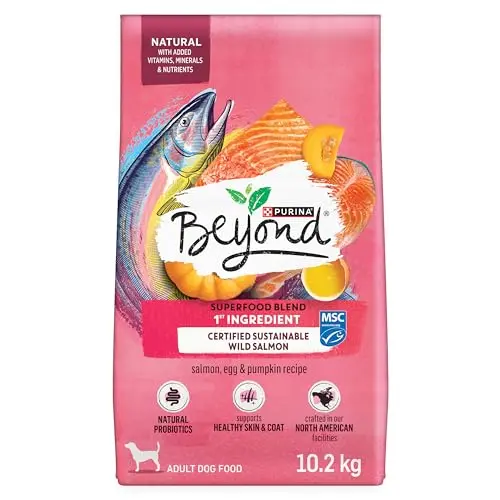
Superfood Blend – Wild Caught Salmon & Pumpkin Recipe
A natural, nutrient-dense formula that skips corn, wheat, soy, and poultry by-products. Real wild-caught salmon leads the ingredient list, boosted by pumpkin and whole oatmeal for gentle digestion. No artificial colours, flavours, or preservatives – just a clean, complete meal that owners reach for again and again.
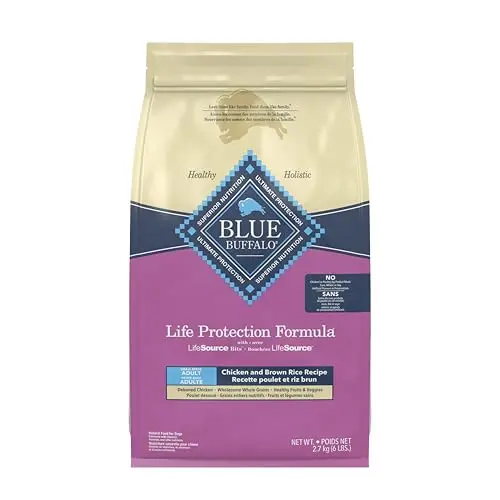
Life Protection Formula – Small Breed Chicken & Brown Rice
A small-bite kibble built around real chicken, antioxidant-rich LifeSource Bits, and wholesome grains. No poultry by‑product meals or artificial flavours, plus added glucosamine for joint support. Formulated by veterinarians and animal nutritionists for the specific needs of smaller dogs.
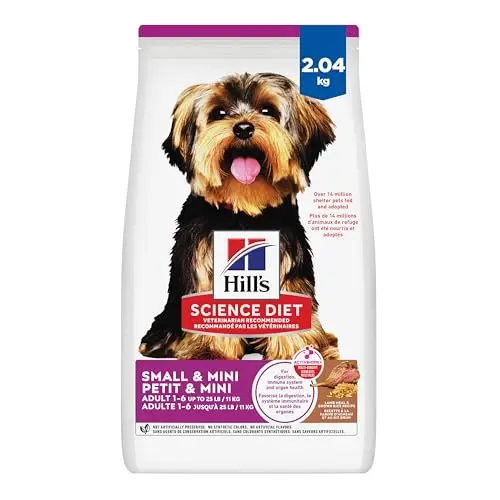
Adult Small & Mini Lamb Meal & Brown Rice Recipe
A vet‑recommended recipe for small and toy breeds, using lamb meal and brown rice with easy‑to‑digest ingredients, including pumpkin. Balanced nutrition for lean muscles and healthy digestion, backed by extensive research.
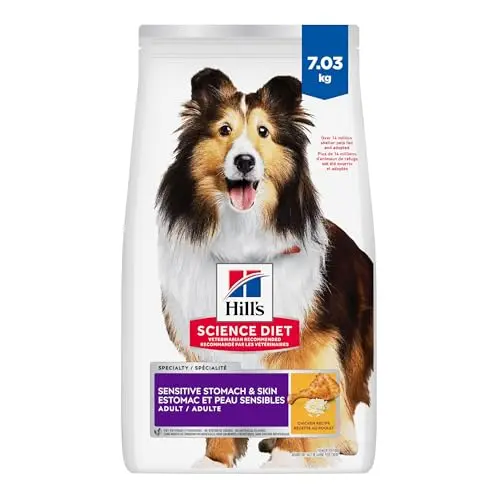
Adult Sensitive Stomach & Skin Chicken Recipe
A targeted formula for dogs with reactive digestion and itchy skin. Prebiotic fibre from beet pulp supports gut health, while omega‑6 and vitamin E nourish the coat. Made with natural ingredients and recommended by Canadian veterinarians.
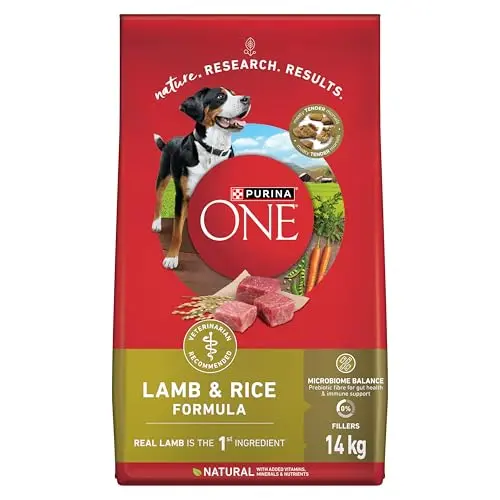
Microbiome Balance Lamb & Rice – Prebiotic Fibre for Gut Health
A budget‑friendly giant with real lamb as the first ingredient, plus prebiotic fibre to feed the gut microbiome. No artificial flavours or fillers, formulated to support strong muscles and a healthy heart while keeping the price per kilo impressively low.
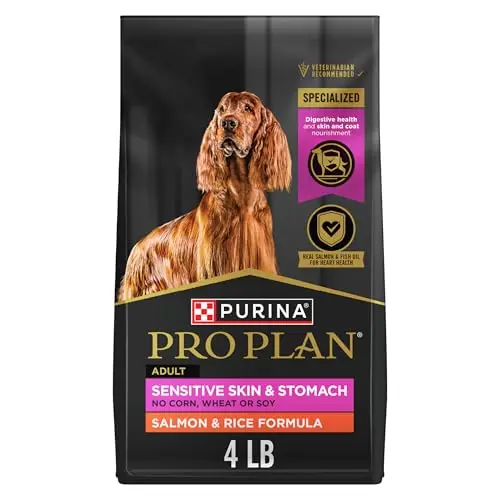
Sensitive Skin & Stomach Salmon & Rice – Omega-Rich for Coat & Joints
A high‑protein salmon recipe designed for dogs with sensitivities. Omega‑3 and ‑6 from fish and sunflower oils support skin, coat, and joint health, while oatmeal and natural prebiotic fibre ease digestion. Free from artificial colours and flavours.
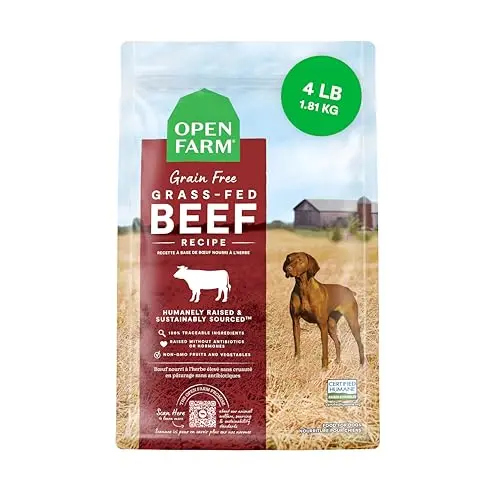
Grass-Fed Beef Recipe – Non-GMO, Humanely Raised
The closest thing to an organic philosophy in a mainstream kibble. Humanely raised, 100% grass‑fed Wagyu beef leads a short ingredient list that includes non‑GMO pumpkin and coconut oil. Complete transparency lets you trace every ingredient back to its source via the lot number.
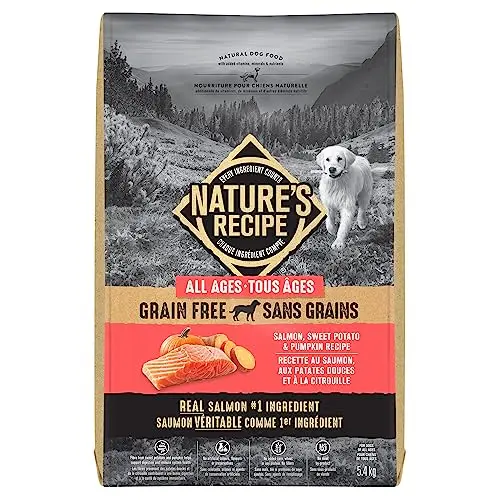
Salmon, Sweet Potato & Pumpkin – Grain-Free Limited Ingredient
A straightforward grain‑free recipe with salmon as the first ingredient, plus sweet potato and pumpkin for gentle carbohydrates. No artificial colours, flavours, or preservatives, and no grain fillers – just a clean, limited‑ingredient formula for daily feeding.
How We Evaluated These Organic Kibbles for Dogs
We didn’t run a canine nutrition lab or conduct long‑term feeding trials. What we did: cross‑referenced 8 dry dog food formulas from 6 distinct brands across 6 decision axes – ingredient quality, sourcing transparency, real‑world digestive tolerance, skin and coat impact, price accessibility, and owner satisfaction trends. We triangulated published specifications, aggregated owner feedback where available, and use‑case fit against the organic‑shopper’s values: clean ingredients, ethical sourcing, and minimal processing.
The scoring framework weighted real‑world performance and alignment with organic principles (60%) – how closely each recipe delivers on non‑GMO, natural, and minimally processed ideals – against feature differentiation (40%) – unique advantages like ingredient traceability, novel protein sources, or specialized gut‑health support. We have no commercial relationship with any of the brands featured; recommendations track fit and differentiation, not brand preference. If you’re a label‑reading purist, the Open Farm Grass‑Fed Beef is your match; if budget and broad availability matter most, the Purina ONE Microbiome Balance earns its spot as the value pick.
How to Choose the Right Organic Kibble for Your Dog
What Does 'Organic' Actually Mean in Dog Food?
In Canada, the term “organic” is regulated when applied to human food, but for pet food it’s a greyer area. A kibble labelled with the Canada Organic logo must contain at least 95% certified organic ingredients. Most of the foods here don’t carry that seal – instead, they lean on natural, non‑GMO, and sustainably sourced claims to offer a parallel philosophy. That’s not a compromise; it’s often the reality of a market where full organic certification for meat‑based formulas is prohibitively expensive. Focus on third‑party certifications like GAP (Global Animal Partnership) for welfare, Non‑GMO Project Verified for plant ingredients, and brand transparency initiatives like traceable lot numbers.
Ingredient Integrity: What to Look For and What to Avoid
The first ingredient should always be a named meat source – chicken, salmon, beef, lamb – not a vague “meat meal.” Then, scan for whole food carbohydrates like sweet potato, pumpkin, oatmeal, or brown rice instead of corn, wheat, or soy. Avoid artificial colours, flavours, and preservatives (BHA, BHT, ethoxyquin). Sub‑heading ingredient claims like “no poultry by‑product meal” and “no corn, wheat, or soy” are quick shortcuts. For dogs with sensitive stomachs, limited‑ingredient formulas with a single protein and few carb sources can make finding a safe match easier.
Grain-Free vs. Grain-Inclusive: Which One is Right for Your Dog?
Grain‑free diets have surged in popularity, but they’re not automatically healthier. Dogs don’t need to avoid grains unless they have a diagnosed allergy or intolerance. Wholesome grains like oatmeal, barley, and brown rice provide steady energy and dietary fibre that supports digestion. However, if your dog does better on a grain‑free formula – or if you’re simply more comfortable with a recipe built around sweet potato and peas – options like the Nature’s Recipe Salmon or Open Farm Grass‑Fed Beef deliver nutrient density without the grains. Always discuss major diet shifts with your veterinarian, especially if your dog has a history of heart issues, as grain‑free diets have been under scrutiny for a potential link to dilated cardiomyopathy (DCM).
Beyond the Ingredient List: Sourcing Transparency and Ethics
Two kibbles can share similar ingredient panels but come from vastly different supply chains. Open Farm stands out by letting you look up every ingredient’s origin using the bag’s lot number. Nutrience and Purina emphasize local Canadian sourcing and manufacturing. Hill’s Science Diet prioritizes clinical research over marketing narratives. When ethical sourcing is a top priority, look for welfare certifications like GAP, grass‑fed designations, and explicit non‑GMO claims on plant ingredients. Remember, “natural” is an unregulated term – it’s the specificity of the claim (e.g., “no artificial preservatives”) that carries weight.
Digestive Health: The Gut‑Brain Connection in Dogs
A dog’s gut health influences everything from immune function to behaviour. Ingredients that support the microbiome – prebiotic fibres (chicory root, beet pulp, pumpkin) and probiotics (dried fermentation products) – can make a significant difference for dogs with loose stools or chronic tummy troubles. The Hill’s Science Diet Sensitive Stomach & Skin leans heavily on prebiotic fibre, while the Purina ONE Microbiome Balance specifically targets gut flora with its formulation. If your dog has persistent digestive issues, start with a food that foregrounds these functional ingredients.
Comparing Open Farm vs. Beyond: Which Philosophy Fits Your Dog?
These two represent different points on the natural‑kibble spectrum. Open Farm is the uncompromising ethical choice: grass‑fed, humanely raised beef, non‑GMO produce, and radical transparency. It’s a smaller, premium bag that matches a very specific conscientious-shopper profile. Beyond, on the other hand, makes natural eating more accessible: wild‑caught salmon, no corn/wheat/soy, and a large‑format bag that keeps the price per serving low. If your dog thrives on a salmon recipe and you value broad availability at a mid‑range price, Beyond is the pragmatist’s pick; if you’re willing to pay a premium for sourcing you can trace, Open Farm is the path.
Frequently Asked Questions
Are any of these kibbles certified organic?
No – none of the foods in this roundup carry a Canada Organic or USDA Organic seal. The term “organic” in our guide reflects a search for the most natural, minimally processed recipes that use non‑GMO ingredients, avoid artificial additives, and prioritize ethical sourcing. Fully certified organic dog food is still rare, especially in dry formulas, because the supply chain for organic animal proteins is limited and costly. Brands like Open Farm come closest by using non‑GMO produce and grass‑fed, humanely raised beef, paired with full ingredient traceability. If a certified organic kibble is a must, you’ll likely need to look at a much smaller set of specialty brands – often at a significantly higher price point.
Is grain‑free dog food actually better?
Not necessarily. Grain‑free diets became popular under the assumption that dogs, as descendants of wolves, shouldn’t eat grains. However, modern dogs have adapted to digest grains, and whole grains like brown rice, oatmeal, and barley can be excellent sources of energy and fibre. The recent FDA investigation into a possible link between grain‑free diets and dilated cardiomyopathy (DCM) hasn’t found a definitive cause, but it’s wise to discuss with your vet before switching to grain‑free. Many high‑quality foods – like the Hill’s Science Diet or Purina ONE options here – include wholesome grains that support gentle digestion. Choose grain‑free only if your dog has a confirmed grain allergy or if you strongly prefer it and your vet approves.
What's the difference between Hill's Science Diet Sensitive Stomach & Skin and Purina Pro Plan Sensitive Skin & Stomach?
Both target the same audience, but they take different approaches. Hill’s Science Diet uses a single animal protein source – chicken – with prebiotic fibre from beet pulp to calm digestion, plus omega‑6 and vitamin E for the coat. It’s a straightforward, clinical recipe recommended by Canadian vets. Purina Pro Plan goes for a salmon‑first formula, leaning on fish oil for omega‑3 and sunflower oil for omega‑6, with oat meal as a gentle carbohydrate. The Pro Plan tends to work better for dogs with suspected poultry sensitivities, while the Hill’s is often a first choice for pure digestive upset. Owner feedback suggests both clear up skin issues well; the deciding factor is usually whether your dog tolerates chicken.
How does Open Farm compare to Nature's Recipe for grain‑free organic‑minded owners?
Both are grain‑free, but they’re built for different budgets and priorities. Open Farm is the luxury choice: grass‑fed Wagyu beef, non‑GMO produce, transparent sourcing, and a compact 4 lb bag. It’s ideal if you value humanely raised meat and want to know exactly where every ingredient came from. Nature’s Recipe offers a simpler, more affordable grain‑free option with salmon, sweet potato, and pumpkin. It skips all artificial additives and is easy on the wallet in its 5.4 kg size. Your decision here is mostly about whether you’re willing to pay a premium for ethical sourcing and ingredient traceability – if yes, go Open Farm; if no, Nature’s Recipe delivers a clean, limited‑ingredient diet at a much friendlier price per kilo.
Can I feed a small‑breed dog from a regular large‑breed kibble?
Technically yes, but it’s not ideal. Small breeds have higher metabolic rates and need more energy‑dense food in a smaller kibble size that’s easier for tiny jaws to crunch. A food like Blue Buffalo Life Protection Small Breed formulates specifically for their needs – smaller pieces, added glucosamine for pint‑sized joints, and a nutrient profile matched to their faster metabolisms. If you use a regular adult formula, the kibble may be too large, and your dog might not get the right calorie density. Always choose a formula designed for your dog’s breed size unless your vet advises otherwise.
Final Verdict
For the everyday dog owner who wants a cleaner, natural kibble without overthinking it, the Beyond Superfood Blend is our best‑overall pick – it hits the sweet spot of ingredient integrity, digestive gentleness, and real‑world value across a large bag. If your priorities tilt further toward ethical sourcing and non‑GMO ingredients, the Open Farm Grass‑Fed Beef is the premium, traceable splurge worth every cent. And when budget is the driving force, the Purina ONE Microbiome Balance proves you don’t need to spend a fortune for gut‑friendly, natural nutrition. The right organic‑leaning kibble for your dog comes down to which compromises you’re okay with – but with this lineup, you’re already starting from a very good place.