
Your puppy devours a meal with tail-wagging enthusiasm, then an hour later you’re cleaning up a soupy mess in the crate. If this sounds familiar, you’re likely dealing with a sensitive puppy stomach-and you’re not alone. Finding a food that keeps that little digestive system humming along can feel like an endless trial-and-error experiment, but the right formula makes all the difference.
We’ve rounded up the most promising puppy foods designed for sensitive digestion, spanning trusted names and specialized recipes. Whether your pup needs a gentle protein source, extra prebiotic fibre, or a grain-free option, this guide breaks down what to look for and which formulas stand out for finicky young bellies.
Best Dog Foods for Puppies with Sensitive Stomachs – 2026 Reviews
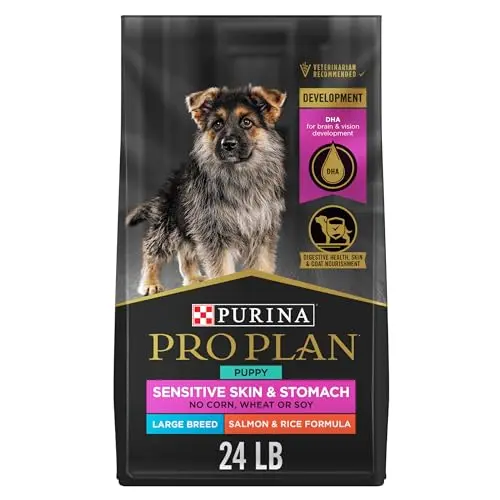
Sensitive Skin & Stomach Large Breed Puppy – Gentle Digestion for Growing Giants
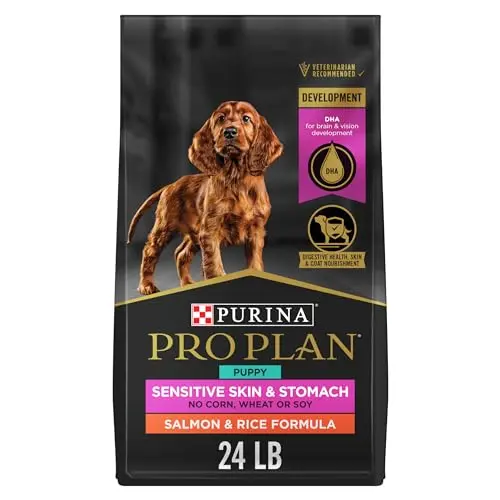
Sensitive Skin & Stomach Salmon & Rice – Trusted Relief for Tender Tummies
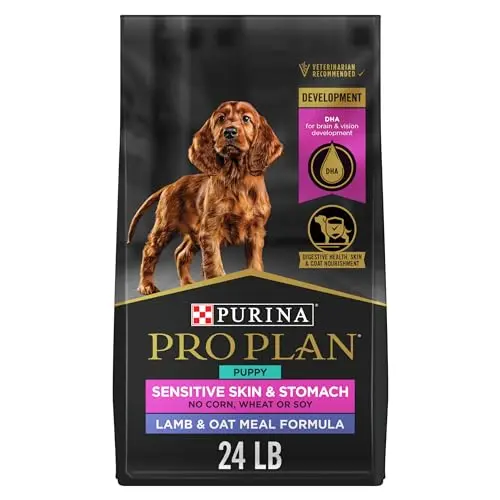
Sensitive Skin & Stomach Lamb & Rice – Alternative Protein for Sensitive Pups
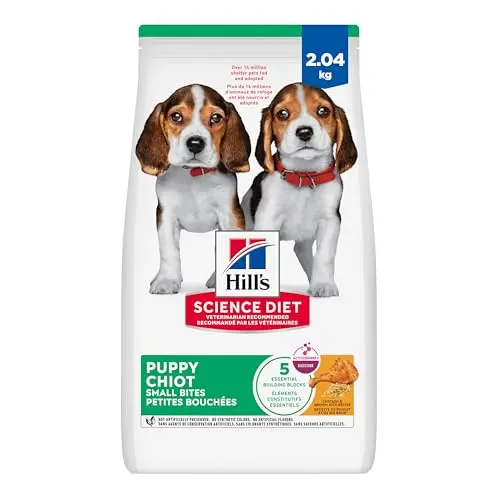
Puppy Small Bites Chicken – Easy-to-Chew Nutrition for Tiny Tummies
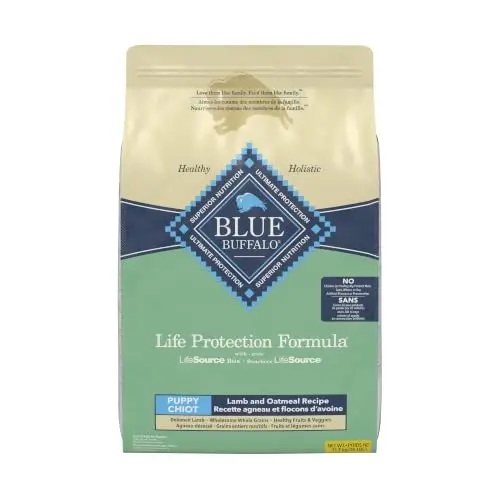
Life Protection Lamb & Oatmeal – Wholesome Grains for Steady Digestion
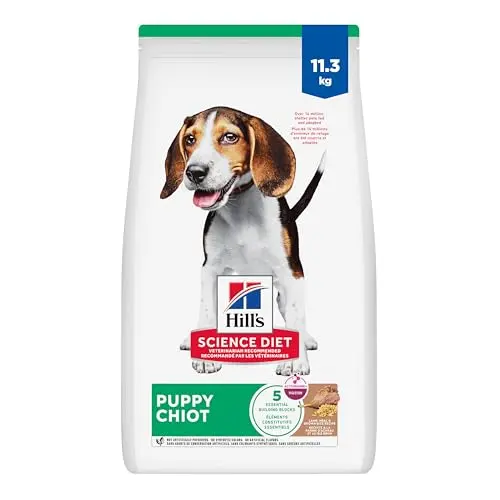
Puppy Lamb Meal & Rice Large Breed – Large Breed Digestive Support
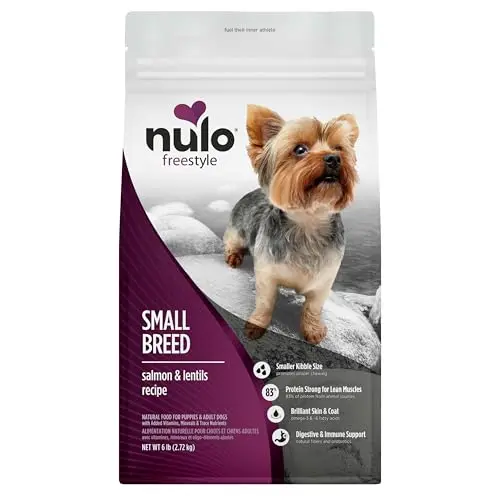
Freestyle Small Breed Salmon – Grain-Free & Probiotic-Powered
How We Evaluated These Dog Foods for Puppies with Sensitive Stomachs
We didn’t run these foods through a veterinary feeding trial or lab digestibility analysis. Instead, we cross-referenced 7 puppy foods from 4 distinct brands across six key decision axes: protein source, carbohydrate digestibility, added digestive aids (prebiotics/probiotics), fatty acid profiles for development, formula transparency (by-products, artificial additives), and real-world owner feedback on stool quality and acceptance. We triangulated published nutritional specifications, ingredient panel comparisons, and aggregated feedback patterns where available-not raw star ratings or review counts-to form our recommendations.
The scoring framework weighted real-world digestive performance (60%)-whether the food actually calms upset puppy bellies based on consistent owner accounts-against feature differentiation (40%), including protein novelty, inclusion of live probiotics, and breed-specific tweaks. We have no ties to any brand featured; our picks reflect merit, not sponsorship. If your large-breed pup needs the most comprehensive sensitive digestion support, the Pro Plan Large Breed formula is your match; if a general all-breed solution fits better, the Pro Plan Salmon & Rice is the versatile pick.
How to Choose the Right Dog Food for Puppies with Sensitive Stomachs
Why Protein Source Matters for Sensitive Puppy Stomachs
Not all proteins are created equal when it comes to puppy digestion. Common poultry like chicken can trigger reactions in sensitive pups, making novel proteins like salmon or lamb a safer starting point. These alternative proteins are less likely to have been introduced in the mother’s diet, reducing the chance of an immune response. When scanning labels, look for a single, clearly named animal protein as the first ingredient-avoid vague terms like “meat meal” or “poultry by-product.” Salmon and lamb also bring their own benefits: salmon delivers omega-3s that calm inflammation, while lamb is often better tolerated by puppies prone to itchy skin. If your puppy has shown signs of a food allergy, a limited-ingredient diet with a novel protein can be a game changer.
The Role of Prebiotics and Probiotics in Digestive Health
A healthy gut microbiome is the foundation of good digestion, and that’s where prebiotics and probiotics come in. Prebiotics are fibres that feed beneficial bacteria, while probiotics are the live bacteria themselves. Together, they help maintain firm stools, reduce gas, and improve nutrient absorption. Look for terms like “natural prebiotic fibre,” “FOS,” or “Bacillus coagulans” on the ingredient panel. The Pro Plan formulas in our lineup, for example, include guaranteed live probiotics-a standout feature that directly supports digestive resilience. Puppies with sensitive stomachs often show dramatic improvement within days of starting a food with robust probiotic support. Just be aware that probiotics require careful storage; exposure to heat can diminish their potency.
Grains vs. Grain-Free: What's Best for Sensitive Puppies?
The grain-free debate is heated, and for puppies the stakes are higher due to growth needs. Whole grains like oatmeal, brown rice, and barley provide easily digestible energy and dietary fibre, which can actually soothe sensitive stomachs. Grain-free recipes often use legumes like lentils and peas, which some dogs struggle to digest, leading to gas or loose stools. That said, a small subset of puppies genuinely thrive on a grain-free formula, especially if they have specific grain allergies. If you choose grain-free, opt for one with added probiotics, like the Nulo Freestyle, to offset the digestive challenge. Current FDA investigations into grain-free diets and heart disease mean you should involve your veterinarian in the decision-don’t go grain-free just for trend’s sake.
Breed Size and Life Stage Considerations
Sensitive stomachs don’t discriminate, but the solution might. Large breed puppies need controlled calcium and phosphorus levels to avoid rapid growth that stresses joints; the Pro Plan Large Breed and Hill’s Large Breed formulas address this. Small breeds, on the other hand, have faster metabolisms and tinier mouths-kibble size becomes a real factor. A small-breed formula with smaller, easy-to-chew pieces reduces the risk of gulping and indigestion. Also, puppyhood is a critical window for brain and eye development, so always check for DHA (from fish oil) in the ingredient list. If you’re unsure whether your mixed-breed pup qualifies as “large,” use the 50-pound adult weight threshold as a rough guide. Matching the formula to your puppy’s projected size can prevent both digestive and orthopaedic issues down the road.
Decoding the Ingredient Label: What to Avoid
A sensitive stomach often means you need to be a label detective. The top offenders include artificial colours, flavours, and preservatives like BHA/BHT, which can irritate the gut. Filler grains like corn and wheat are common allergens and offer little nutritional value; many sensitive-stomach formulas proudly omit them. Soy is another potential trigger. By-product meals-while not inherently bad-are harder to digest and can cause inconsistent stool quality. Instead, look for named meals (e.g., lamb meal, salmon meal) as they are more concentrated and predictable. Also watch for sudden dietary changes; even the best food can cause diarrhoea if you switch too fast. A 7-10 day transition mixing old and new food is the golden rule.
Purina Pro Plan Sensitive Skin & Stomach: Salmon vs Lamb-Which for Your Puppy?
Since both sit in our top rankings, the choice often comes down to protein preference and any existing allergies. The salmon formula brings omega-3s for a shiny coat and anti-inflammatory benefits, making it excellent for pups with skin-related sensitivity. The lamb version, with oatmeal, tends to be even gentler on the stomach for puppies that struggle with fish proteins-it’s a go-to for breeders dealing with chronic loose stools. Both include the same probiotic and prebiotic backbone, so digestive performance is stellar either way. If your pup hasn’t tried fish before, start with the salmon; if you know poultry is an issue but fish is unproven, the lamb provides a safer bet. And if you have a large breed, the large breed-specific salmon formula is the clear winner for controlled growth.
Frequently Asked Questions
What's the difference between Purina Pro Plan Sensitive Skin & Stomach Salmon and Lamb formulas?
Both share the same digestive health backbone-live probiotics, prebiotic fibre, and no corn/wheat/soy-but the protein source sets them apart. The salmon formula includes rice and sunflower oil, delivering omega-3s and omega-6s that benefit skin and coat; it’s slightly higher in fat. The lamb formula uses oatmeal instead of rice, which some puppies digest even more easily, and lamb itself is a novel protein for many dogs. If your puppy has dry, itchy skin alongside stomach issues, start with salmon. If loose stools are the primary complaint and skin is fine, lamb often firms things up faster.
Is grain-free food better for puppies with sensitive stomachs?
Not necessarily. While some puppies do well on grain-free, whole grains like oatmeal and brown rice are actually gentle on digestion and provide necessary fibre. Grain-free recipes replace grains with legumes, which can cause gas and loose stools in sensitive pups. Additionally, the FDA is investigating a potential link between grain-free diets and dilated cardiomyopathy (DCM) in dogs. For most puppies, a high-quality grain-inclusive food with prebiotics is the safer bet. Reserve grain-free for puppies with a confirmed grain allergy and get your vet’s input.
How do I transition my puppy to a new sensitive stomach food?
A gradual switch is critical-sudden changes are the #1 cause of diarrhoea even with the best food. Follow a 7-10 day schedule: days 1-3, 75% old food + 25% new; days 4-6, 50/50; days 7-9, 25% old + 75% new; day 10, 100% new. Watch stool consistency daily; if it gets loose, hold at the current mix for an extra day or two. Probiotics in the new food can help, but don’t add extra probiotics unless instructed by your vet, as overdoing it can backfire. Also, resist the urge to add toppers or treats during the transition-you want a clean baseline.
Can large breed sensitive stomach formulas slow my puppy's growth?
Large breed puppy foods are specifically formulated to promote a slow, steady growth rate-not stunted growth. They have slightly lower calorie density and balanced calcium/phosphorus levels to prevent the joint and bone problems that can come from growing too fast. For puppies with sensitive stomachs, this is actually a benefit, as it allows the digestive system to mature without being overwhelmed. Your puppy will still reach their full adult size; it just won’t happen in an accelerated burst. If your large breed pup is extremely active, you may need to adjust portions slightly, but the food itself won’t hold them back.
Final Verdict
For the vast majority of puppies with sensitive stomachs-especially those destined to top 50 pounds-the Pro Plan Large Breed Sensitive Skin & Stomach is the clear winner, combining proven digestive relief with breed-appropriate growth control. If you need a one-size-fits-all solution for a mixed household or smaller breed, the all-breed Salmon & Rice formula is a close runner-up. For pups that reject fish, the Lamb & Rice delivers the same digestive benefits in a different protein. And if a grain-free path is what your vet recommends, the Nulo Freestyle is the best option we surveyed. Every pup is an individual-choose the formula that aligns with your dog’s specific triggers, size, and taste preferences.