
If your dog is constantly itching, licking their paws, or fighting ear infections, yeast overgrowth could be the culprit. Yeasty dogs often need a diet that supports skin health, avoids common allergens, and promotes a balanced gut microbiome. The right dog food can make a real difference – but with so many options, it’s tough to know where to start.
We surveyed the market to find the best dog foods for yeasty dogs, focusing on formulas that combine novel proteins, omega-rich ingredients, and digestive support. Whether your dog has full-blown allergies or just a touch of yeasty skin, the picks below will help you zero in on the right food.
Best Dog Foods for Yeasty Dogs – 2026 Reviews
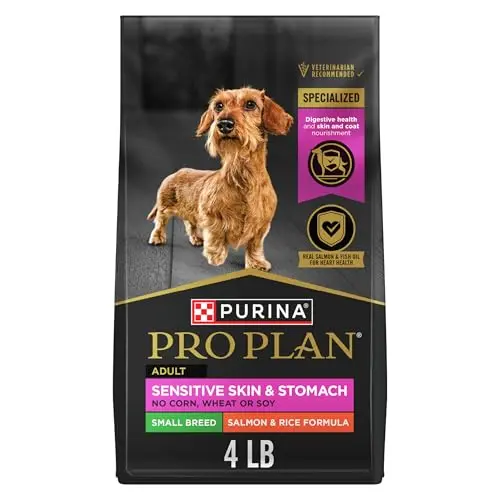
Small Breed Sensitive Skin & Stomach – Gentle Digestion & Skin Care
A targeted formula for small dogs with sensitive systems, this salmon-based recipe uses easily digestible oatmeal and prebiotic fiber to soothe tummies while omega-6 fatty acids from sunflower oil nourish the skin. It’s a top pick for yeasty dogs because it addresses both skin and digestive triggers.
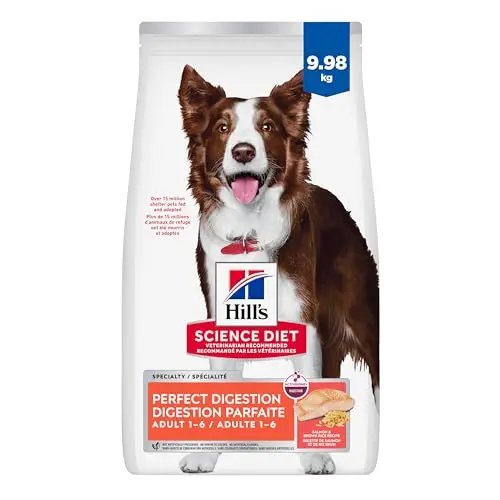
Perfect Digestion – 7-Day Digestive Support
Engineered to improve stool quality in just one week, this salmon and ancient grain formula uses ActivBiome+ prebiotic technology to restore gut balance. For yeasty dogs with irregular digestion, it’s a standout because a healthy gut often means healthier skin.
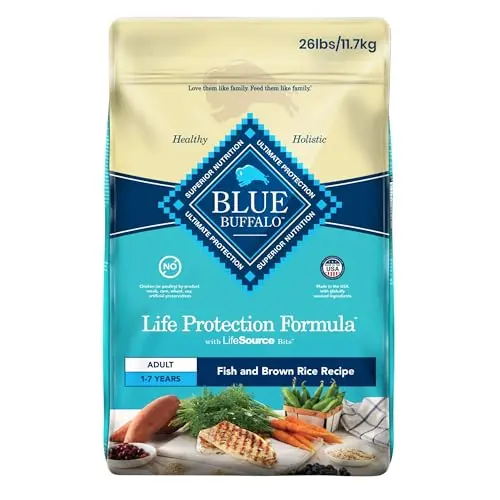
Life Protection Formula – Fish & Brown Rice – Skin & Coat Health
A grain-inclusive option that skips common allergens like chicken, corn, wheat, and soy. This fish-based recipe delivers omega-3 and -6 fatty acids for skin and coat, plus antioxidant-rich LifeSource Bits for immune support – a solid, budget-friendly choice for yeasty dogs.
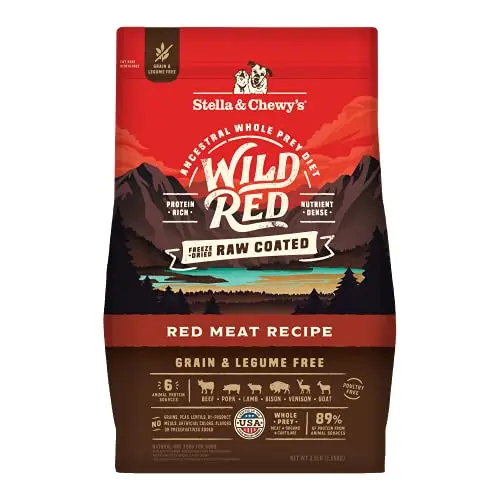
Wild Red – Six-Protein Raw Coated Kibble
This grain-free formula is coated in freeze-dried raw meat and features six animal proteins – beef, pork, lamb, bison, venison, and goat. It’s ideal for yeasty dogs with poultry allergies, offering a protein rotation that reduces the risk of developing new sensitivities.
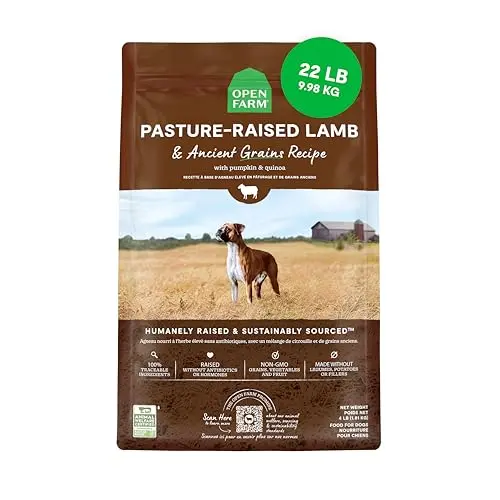
Ancient Grains Lamb – Traceable & Gentle Digestion
This pasture-raised lamb recipe uses wholesome ancient grains like oats and quinoa, plus superfoods like pumpkin and coconut oil. It’s a favourite for transparency-minded owners whose yeasty dogs need a gentle, grain-inclusive diet with no legumes.
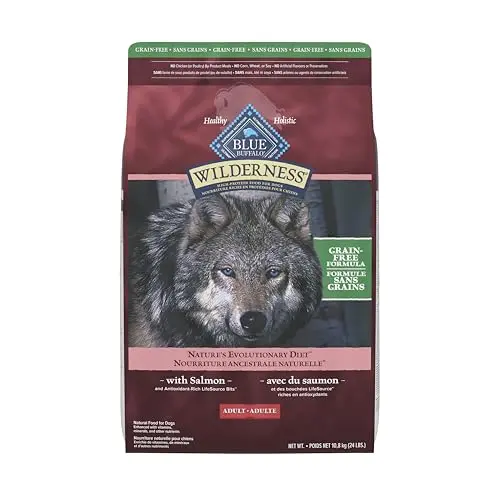
Wilderness – Grain-Free Salmon Recipe
A high-protein, grain-free option driven by real salmon. With 34% protein and omega-3 & -6 fatty acids, it’s designed to support lean muscle and a lustrous coat – a solid choice for active dogs with yeast issues who do well without grains.
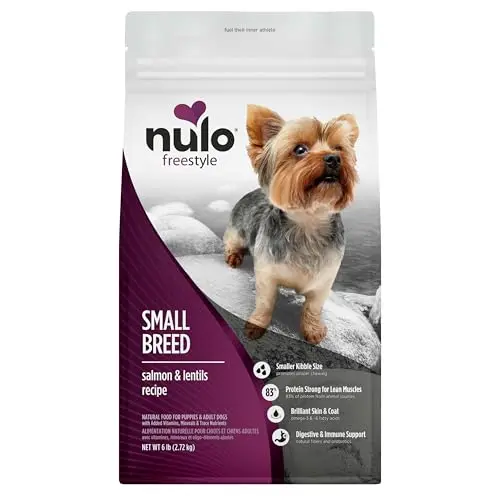
Freestyle Small Breed Salmon – Probiotic-Powered Kibble
Specifically sized for little jaws, this grain-free salmon recipe packs 84% animal-based protein and patented BC30 probiotic for digestive health. It’s a good match for petite pooches whose yeast issues stem from gut imbalance.
How We Evaluated These Dog Foods for Yeasty Dogs
We didn’t run controlled elimination diet trials or veterinary-supervised yeast panels. What we did: cross-referenced 7 dog foods from 6 distinct brands across 6 decision axes – protein source, carbohydrate type, added probiotics/prebiotics, omega fatty acid content, ingredient transparency, and real-world owner feedback where available. We triangulated published specifications, feature sets, and use-case fit against the needs of a yeasty dog: supporting the skin barrier and balancing the gut microbiome.
The scoring framework weighted real-world performance (60%) – how well each food targets the root causes of yeast overgrowth – against feature differentiation (40%) – unique ingredients or technologies that set a formula apart. We have no commercial relationship with any of the brands featured; recommendations track fit and differentiation, not brand preference. If you’re looking for an all-around solution, the Pro Plan Sensitive Skin & Stomach is your best bet; if digestive regularity is the main struggle, the Hill’s Perfect Digestion was purpose-built for that turnaround.
How to Choose the Right Dog Food for Yeasty Dogs
What to Look for in a Dog Food for Yeasty Dogs
A yeasty dog’s diet needs to do two things: starve the yeast and soothe the skin. That means avoiding high-glycaemic carbs like corn and white rice that can ferment in the gut, and instead focusing on novel proteins and low-glycaemic fibre sources. Look for foods that list a real animal protein as the first ingredient (salmon, lamb, venison, or duck are great starters) and include added omega fatty acids to reduce inflammation. Probiotics and prebiotics are also key – they help maintain a balanced gut flora, which directly influences skin health.
Protein Sources: Novel vs. Common Allergens
Many yeasty dogs have underlying food allergies, often to chicken or beef. Switching to a novel protein the dog hasn’t eaten before can calm the immune system. Salmon, trout, lamb, bison, and goat are all strong choices. If your dog has been on a chicken-based diet, consider a food like Open Farm Ancient Grains Lamb or the Stella & Chewy’s Wild Red with its six-protein rotation. Rotational feeding – changing proteins every few months – can further prevent new sensitivities from developing.
The Carbohydrate Connection: Why Grains Aren't Always the Enemy
Carbohydrates feed yeast, so many owners assume grain-free is essential. It’s not that simple. Some grains, like oats and quinoa, are low-glycaemic and provide beneficial soluble fibre that supports good gut bacteria. The real culprits are often simple starches like potato, tapioca, and peas, which can spike blood sugar and promote yeast. If your dog tolerates grains, a grain-inclusive food like Blue Buffalo Life Protection Formula, which uses brown rice, can be perfectly fine. For dogs who need grain-free, choose formulas with low-glycaemic legumes like lentils or chickpeas, and watch for reactions.
Probiotics and Prebiotics: Supporting the Gut-Skin Axis
A large portion of a dog’s immune system lives in the gut. When the gut is inflamed or imbalanced, yeast can overpopulate on the skin. Look for foods that include specific probiotic strains like BC30 (found in Nulo) or a broad prebiotic blend (like Hill’s ActivBiome+). Fermentable fibres from pumpkin, chicory root, and oats feed these good bacteria. Even high-quality foods without added probiotics can still help if they use gentle, easily digestible ingredients that don’t irritate the gut lining.
Omega Fatty Acids and Skin Health
Omega-3 and omega-6 fatty acids are anti-inflammatory powerhouses for itchy, yeasty skin. Salmon, flaxseed, and fish oils are the most potent sources. Foods like Pro Plan Sensitive Skin & Stomach use sunflower oil for omega-6, while fish-based recipes deliver both omega-3 and -6. Look for a guaranteed analysis that lists at least 0.3% EPA and DHA combined (the active components in omega-3s) for measurable skin benefits.
How We'd Pick: Pro Plan vs. Hill's Perfect Digestion
Both are excellent, but they shine in different scenarios. Choose the Pro Plan if your dog’s yeast issues come with itchy skin as the primary complaint; its omega-6 focus and prebiotic fibre offer a balanced skin-gut approach. Choose Hill’s Perfect Digestion if loose stools or irregularity are daily struggles; the ActivBiome+ technology works noticeably quickly to firm things up, which often leads to better skin over time. If you can’t decide, we’d lean toward the Pro Plan for its broader appeal – it’s a gentler entry point for most yeasty dogs.
Frequently Asked Questions
What's the difference between Pro Plan Sensitive Skin & Stomach and Hill's Perfect Digestion for a yeasty dog?
Pro Plan targets both skin and stomach with a salmon and oatmeal formula that’s rich in omega-6 and prebiotic fibre. It’s a versatile pick for dogs who itch and have mild digestive issues. Hill’s Perfect Digestion is laser-focused on gut health with its ActivBiome+ prebiotic blend, aiming to normalize stools in a week. For yeasty dogs, improving digestion first can take pressure off the skin, so if regularity is a major concern, Hill’s is the targeted tool. Otherwise, Pro Plan covers more bases.
Should I feed my yeasty dog a grain-free diet?
Not necessarily. While many yeasty dogs do well on grain-free foods because they avoid high-glycaemic fillers, the real issue is the quality of carbohydrates. Whole grains like oats and brown rice provide slow-burning fibre that supports gut health without spiking blood sugar. If your dog has confirmed grain allergies, go grain-free, but if not, a gentle grain-inclusive formula like Open Farm Ancient Grains can be equally effective at reducing yeast symptoms.
Can a food alone cure my dog's yeast infections?
Diet is a powerful tool, but it’s rarely a standalone cure. Yeast overgrowth often requires a multimodal approach: medicated shampoos, ear cleaners, and sometimes oral antifungals prescribed by a vet. The right food – rich in omega fatty acids, novel proteins, and probiotics – creates a less hospitable environment for yeast and strengthens the skin barrier. Many owners see significant improvement within 4-6 weeks of a diet change, but always work with your veterinarian for persistent infections.
How do probiotics help dogs with yeast overgrowth?
Probiotics introduce beneficial bacteria to the gut, which can crowd out yeast and other pathogens. They also help produce short-chain fatty acids that lower the gut’s pH, making it harder for yeast to thrive. Foods with added probiotics like Nulo Freestyle (with BC30) or Stella & Chewy’s provide a daily dose of these good bugs, which can reduce paw licking and ear infections over time.
Which is better for skin allergies: Blue Buffalo Wilderness or Stella & Chewy's Wild Red?
For a dog with suspected food allergies, Stella & Chewy’s Wild Red has the edge. Its six novel proteins (including bison, venison, and goat) offer a broader rotation that lowers the risk of triggering a reaction, and the raw coating adds extra palatability. Blue Buffalo Wilderness is a solid single-protein salmon option that’s more accessible and affordable. If your dog does well on fish, Wilderness is a fine choice; if they need variety, go with Wild Red.
Final Verdict
For most yeasty dogs, the Pro Plan Sensitive Skin & Stomach is the clear pick – it balances skin soothing with digestive support in a formula that works for the widest range of small breeds. If digestive regularity is your top concern, the Hill’s Perfect Digestion is purpose-built for a one-week turnaround. For dogs with persistent allergies who need a protein rotation, the Stella & Chewy’s Wild Red offers a premium solution. And if transparency matters above all, the Open Farm Ancient Grains Lamb is a gentle, traceable option that delivers results.