
Finding a treat that doesn’t send your dog’s stomach into turmoil can feel like a gamble. You hand over a harmless-looking biscuit, and hours later you’re dealing with gurgling, gas, or worse. It’s frustrating, especially when you just want to reward your pup without worrying about the fallout. That’s why we’ve focused this roundup on treats specifically suited for dogs with touchy digestion – options where the ingredient list reads like a gentle recipe, not a chemistry experiment.
The world of sensitive-stomach dog treats has exploded with variety – limited‑ingredient formulas, novel proteins, grain‑free recipes, and chews packed with digestive aids like pumpkin or probiotics. But not all ‘gentle’ treats deliver on their promise. In this guide, we compare 10 standouts across a range of textures and protein sources, drawing on published specifications, owner feedback where available, and how well each one maps to the real needs of a sensitive gut. Whether your dog goes wild for soft training morsels or needs a long‑lasting chew to settle down, there’s a pick here that’s earned its place.
Best Dog Treats for Dogs with Sensitive Stomachs – 2026 Reviews
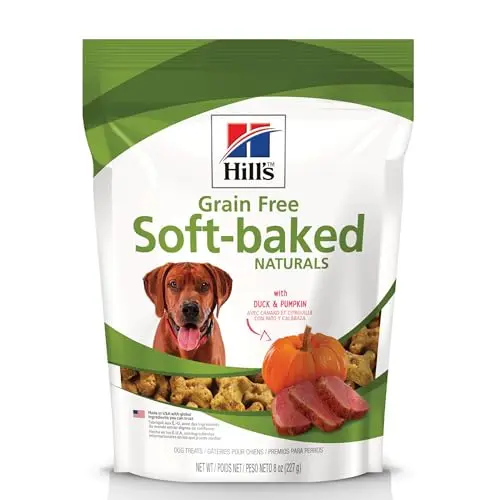
Soft-Baked Naturals with Duck & Pumpkin – Grain-Free, Limited Ingredient
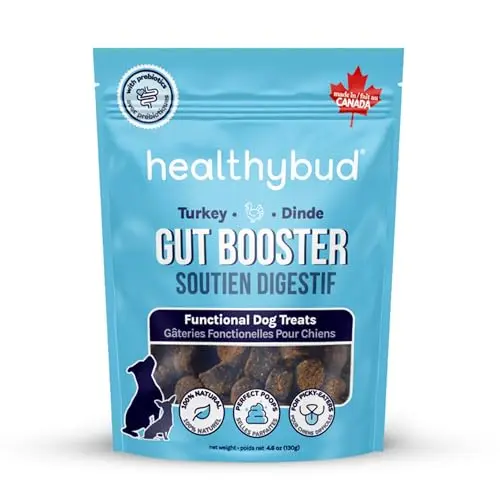
Gut-Friendly Soft Chews – Prebiotics & Probiotics for Digestion

Yak Cheese Chews – Long-Lasting, Limited Ingredient
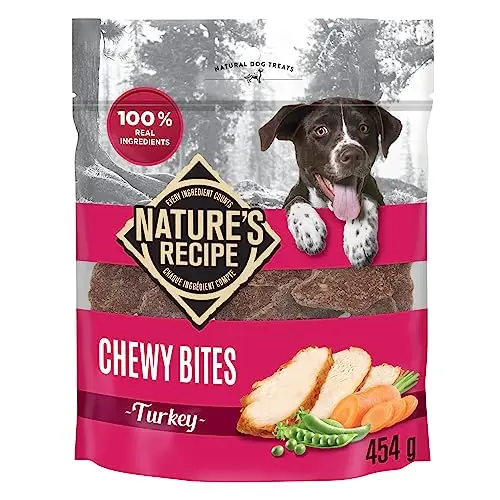
Chewy Bites with Turkey, Pea & Carrot – Grain-Free Digestive Support
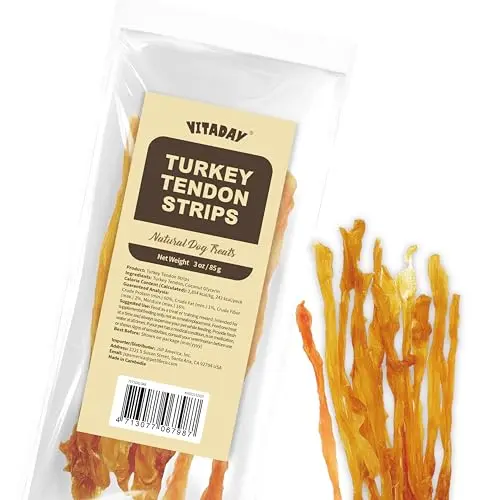
Turkey Tendons – Single-Ingredient, Easy Digestion
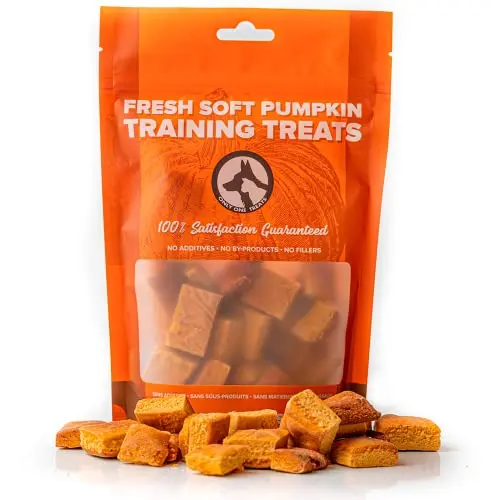
Soft Pumpkin Training Treats – 3 Simple Ingredients
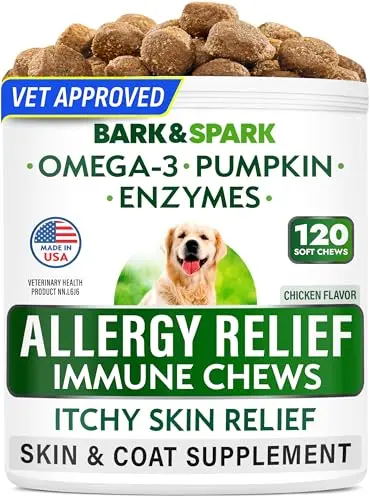
Allergy Support Soft Chews – Omega-3 & Pumpkin
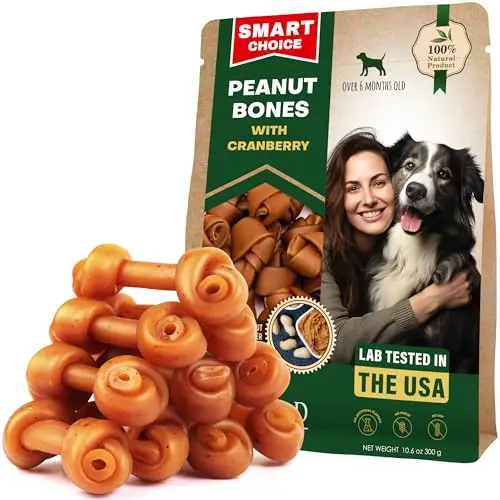
Peanut Butter Bones with Cranberry – Rawhide-Free Chew
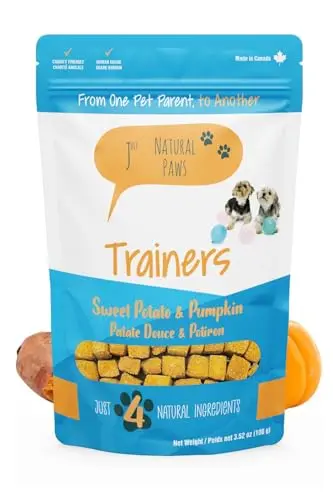
Sweet Potato & Pumpkin Biscuits – Human Grade, Low Calorie
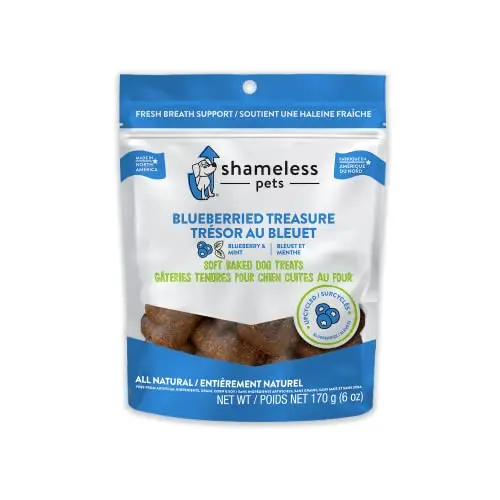
Blueberried Treasure Soft-Baked Treats – Antioxidant & Mint
How We Evaluated These Dog Treats for Dogs with Sensitive Stomachs
We didn’t conduct controlled feeding trials or veterinarian‑supervised digestion studies. What we did: cross‑referenced 10 dog treat models from 10 distinct brands across five decision axes – ingredient simplicity, protein source and allergen potential, presence of digestive aids (pumpkin, probiotics, prebiotics), texture and digestibility, and overall gut‑friendly design. We triangulated published specifications, aggregated owner feedback where available, and use‑case fit against representive sensitive‑stomach profiles.
The scoring framework weighted real‑world performance (60%) – how well each treat performs in the context of a reactive digestive system – against feature differentiation (40%) – unique advantages like single‑ingredient simplicity, active gut supplements, or long‑lasting format. We have no commercial relationship with any of the brands featured; recommendations track fit and differentiation, not brand preference. If your dog needs an everyday, all‑around gentle treat, the Hill’s Science Diet Soft‑Baked Naturals is the one; if you’re looking for targeted gut support, the healthybud Gut‑Friendly Soft Chews deliver added probiotics.
How to Choose the Right Dog Treats for Dogs with Sensitive Stomachs
Understanding Treats for Sensitive Stomachs: What to Look For
When your dog’s digestion is easily thrown off, treat selection becomes a deliberate act. The core principle is simplicity. Fewer ingredients mean fewer potential triggers. A short list of recognizable, whole‑food ingredients is often safer than a long one dotted with chemical names you can’t pronounce. Look for limited ingredient treats that feature a single protein and a single carbohydrate – this makes it easier to pinpoint what works (or doesn’t) for your dog. Novel proteins like duck, turkey, or yak can bypass immune reactions built up against chicken or beef, while grain‑free options may help dogs with grain sensitivities.
Texture also matters. Soft treats can be gentler on a compromised gut and easier for older dogs to chew, but sometimes a hard chew serves a dual purpose – occupying a nervous chewer while being fully digestible. The bottom line: start with the simplest formula possible and introduce gradually, observing stool quality and any signs of gurgling or discomfort.
The Power of Limited Ingredient Treats
For dogs with sensitive stomachs, limited ingredient treats aren’t just a trend – they’re a lifeline. By stripping back to one protein and a minimal carb source, you dramatically reduce the risk of an immune response. The VITADAY Turkey Tendons represent the ultimate expression: just turkey, nothing else. The Mighty Paw Yak Cheese Chews follow a similar philosophy with only milk, salt, and lime juice. Both allow you to control exactly what your dog ingests. When you’re in the middle of an elimination diet, single‑ingredient treats are invaluable because they won’t muddy the waters.
Even if your dog isn’t on a strict trial, leaning toward fewer, higher‑quality ingredients often results in better digestion. The body wastes less energy on processing fillers and more on actual nutrition. Just remember: ‘limited’ doesn’t automatically mean hypoallergenic – you still need to verify the protein against known allergies.
Digestive Aids: Pumpkin, Probiotics, and Prebiotics
Some treats go beyond neutral avoidance and actively support gut health. Pumpkin is a standout – its soluble fibre absorbs excess water in the gut, firming up loose stools, while also helping with mild constipation. Treats like Hill’s Science Diet Soft‑Baked Naturals and Just Natural Paws Sweet Potato & Pumpkin Biscuits lean heavily on this ingredient. Then there are probiotics (beneficial live bacteria) and prebiotics (food for those bacteria). The healthybud Gut‑Friendly Soft Chews bake a proprietary prebiotic blend, Digestawell Pet, into every bite, making them a functional supplement disguised as a treat.
If your dog’s stomach issues are chronic, a treat that marries flavour with gut‑supporting ingredients is a smarter spend than a plain carb‑heavy biscuit. Just be aware that probiotics are strain‑specific, and not every dog will respond identically. Monitor your dog’s response over the first few weeks of introduction.
Novel Proteins vs. Common Allergens
Dogs often develop sensitivities to the proteins they eat most frequently – typically chicken and beef. Rotating to a novel protein can calm the immune system. Duck (Hill’s Science Diet), turkey (Nature’s Recipe, VITADAY, healthybud), and yak (Mighty Paw) all fall into this category. Even peanut butter (Beloved Pets) can be a plant‑based alternative, though nut allergies in dogs are rare but possible.
The key is to match the protein to your dog’s history. If you’ve never fed duck, a duck‑based treat is a safer starting point than another chicken chew. You’ll also want to check for hidden animal by‑products or mixed sources – a treat labelled ‘turkey’ but containing chicken fat defeats the purpose. Pure, single‑source proteins shine here, and that’s why the VITADAY Turkey Tendons and healthybud soft chews earn spots on our list.
Soft vs. Chewy vs. Crunchy: Texture Matters
Texture isn’t just about preference – it can impact digestion and dental health. Soft treats like Hill’s and healthybud are often more digestible and easy to break into small pieces, making them ideal for training. They’re also better for senior dogs or those with dental issues. Hard chews like Mighty Paw and VITADAY provide mental stimulation and help scrape plaque, but they need to be fully digestible so large swallowed chunks don’t cause blockages. The risk: some aggressive chewers may crack off big pieces too quickly. Always supervise and choose a size appropriate for your dog. If in doubt, a medium‑chew like Nature’s Recipe or Only One Treats offers a compromise.
Frequently Asked Questions
What's the difference between Hill's Science Diet Soft-Baked Naturals and healthybud Gut-Friendly Soft Chews?
Both are soft, grain‑free treats suited for sensitive stomachs, but their focus differs. Hill’s takes a limited‑ingredient approach with duck and pumpkin, leaning on simplicity and ease of digestion – it’s a classic gentle treat. healthybud goes a step further by actively including a prebiotic blend (Digestawell Pet) and probiotics, acting more as a digestive supplement. If you want a straightforward, no‑fuss reward, Hill’s is excellent; if your dog needs extra gut support beyond just avoiding triggers, healthybud’s added function may tip the scales. Both have strong owner satisfaction around digestibility.
Are yak cheese chews like Mighty Paw safe for dogs with sensitive stomachs?
Yes, they can be an excellent choice precisely because of their limited ingredients. Mighty Paw’s chews contain only yak & cow milk, salt, and lime juice – no grains, artificial additives, or common allergens. The curing process removes lactose, so even lactose‑intolerant dogs usually tolerate them. The hard texture keeps dogs busy and promotes dental health. However, safety hinges on supervision: large, aggressive chewers may break off chunks that could pose a choking hazard if swallowed whole. For a sensitive stomach, start with a short chew session and monitor stool afterward.
How do I know if my dog needs a limited ingredient treat?
If your dog frequently experiences loose stools, gas, vomiting, or itchy skin after eating, a limited‑ingredient treat is a smart first step. It narrows down potential triggers. Start with a single‑protein, single‑carb treat – like the VITADAY Turkey Tendons or Only One Treats Pumpkin – and feed it exclusively for a week while tracking digestive response. If symptoms clear, you’ve likely found a safe option; if not, you can rotate to a different protein. This systematic approach is far more effective than randomly trying ‘sensitive stomach’ labelled products that may still contain hidden irritants.
Can soft treats be better for sensitive stomachs than crunchy ones?
Often, yes. Soft treats are typically more moisture‑rich and easier to break down, which can be gentler on a reactive digestive system. They also eliminate the risk of hard, sharp fragments scraping the gut. Hill’s Science Diet and healthybud examples both feature soft textures. However, crunchy treats aren’t inherently bad – some dogs handle them fine, and the tooth‑cleaning bonus is real. It really comes down to your dog’s specific tolerance and chewing style. If they gulp food without chewing, a hard chunk could pass undigested and cause upset; soft treats reduce that risk.
What ingredients should I avoid in dog treats for sensitive stomachs?
Steer clear of artificial colours, flavours, and preservatives (like BHA, BHT, ethoxyquin), which can irritate the gut. Also avoid generic ‘meat meals’ or by‑products – they can contain low‑quality, variable protein sources that trigger reactions. Excessive fillers such as corn, wheat, and soy are common allergens and provide little nutritional value. Finally, be wary of added sugars or sugar alcohols (xylitol is toxic). The cleanest choices have short ingredient lists with whole foods you recognize – exactly what our top picks deliver.
Final Verdict
For most dogs with sensitive stomachs, the Hill’s Science Diet Soft‑Baked Naturals is the clear pick – it marries a limited‑ingredient, grain‑free, duck‑and‑pumpkin recipe with a soft, easy‑to‑digest texture. If your dog needs targeted digestive support, the healthybud Gut‑Friendly Soft Chews add prebiotics and probiotics for active gut health. For the power chewer, Mighty Paw Yak Cheese Chews deliver endurance with just three ingredients, while the VITADAY Turkey Tendons set the standard for single‑ingredient purity. Whatever you choose, start small, watch your dog’s signals, and the winning treat will reveal itself.