
It starts with the scratching. Then the upset stomach. For many dog owners, food allergies turn mealtime into a guessing game. You stand in the pet food aisle, scanning ingredient lists, wondering which formula will finally bring your pup relief – and which might make things worse. The right dry dog food can be a game-changer, offering a stable, convenient way to manage food sensitivities without breaking the bank or your routine.
When allergies strike, the culprit is often a protein or grain your dog’s immune system has decided to fight. That’s where a targeted dry food comes in – swapping common triggers for novel proteins like salmon or lamb, dialling up digestibility with prebiotic fibres, and stripping out artificial additives. The best choices don’t just avoid allergens; they actively support skin, coat, and gut health so your dog can thrive.
We surveyed the market’s leading dry dog foods designed for sensitive systems – across seven distinct brands – to help you pinpoint the one that’ll work for your dog. Whether you need a budget-friendly everyday option, a grain-free recipe, or a premium formula backed by veterinary science, this guide breaks down the key differences so you can shop with confidence.
Best Dry Dog Foods for Dogs with Food Allergies – 2026 Reviews
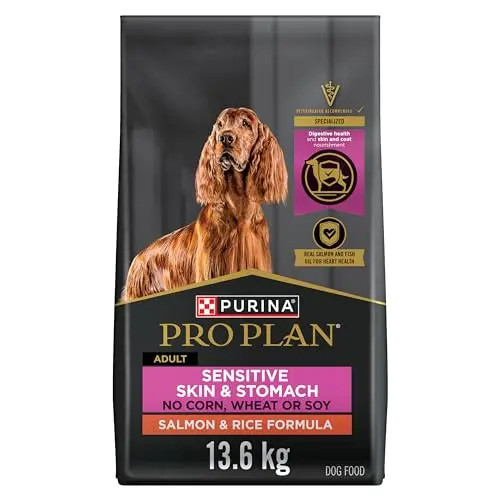
Sensitive Skin & Stomach Salmon & Rice – Gentle Digestion, Healthy Skin
A top-tier choice for dogs with food sensitivities, this high-protein salmon formula skips artificial colours and flavours while packing omega fatty acids and prebiotic fibre. It’s built to calm irritated skin and settle uneasy stomachs, making it our best overall pick.
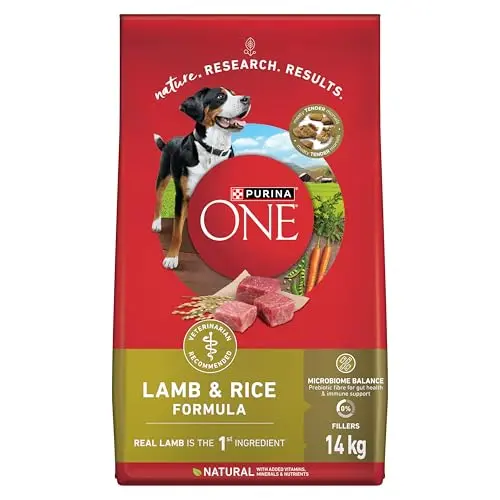
Microbiome Balance Lamb & Rice – Digestive and Immune Support
A wallet-friendly formula that doesn’t skimp on allergy-friendly features. Real lamb is the first ingredient, and the microbiome balance blend supports gut health – a critical factor for dogs with food reactions.
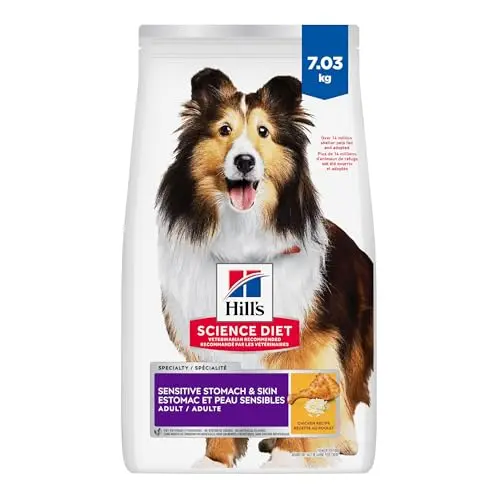
Adult Sensitive Stomach & Skin Chicken Recipe – Vet-Recommended Digestive Health
Veterinarians consistently reach for this line for good reason: it’s a tightly formulated solution for dogs with dual skin and stomach sensitivities. The chicken-based recipe uses highly digestible ingredients and prebiotic fibre to calm internal upset while nourishing the coat.
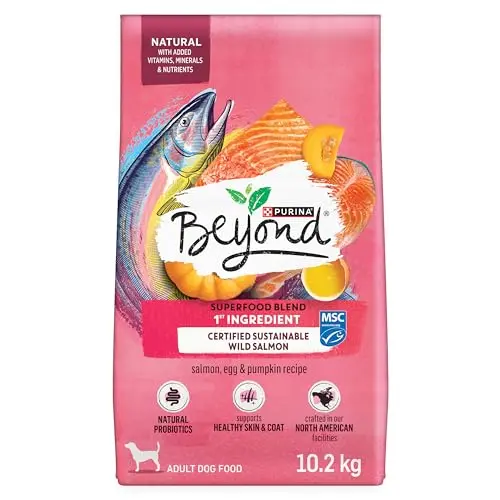
Superfood Blend Salmon, Egg & Pumpkin – Simple Allergen-Friendly Recipe
A clean-label option for owners who want to avoid corn, wheat, and soy without going full grain-free. Wild-caught salmon and recognizable garden veggies provide a limited ingredient profile that allergic dogs often tolerate well.
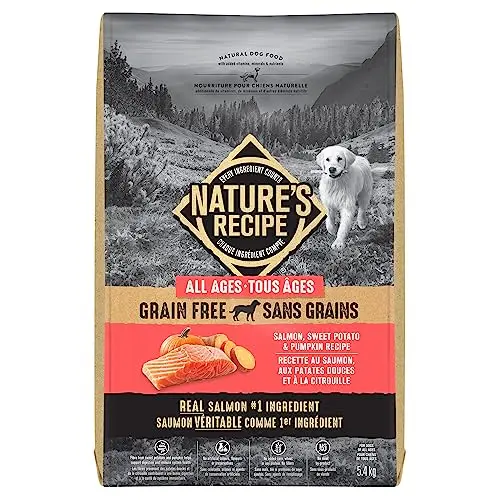
Grain Free Salmon, Sweet Potato & Pumpkin – Novel Protein Allergy Care
When a grain-free diet is non-negotiable, this salmon-loaded recipe steps up with a novel protein and carbohydrate sources that are easy on the system. It’s purpose-built for dogs whose allergies demand a clean break from common triggers.
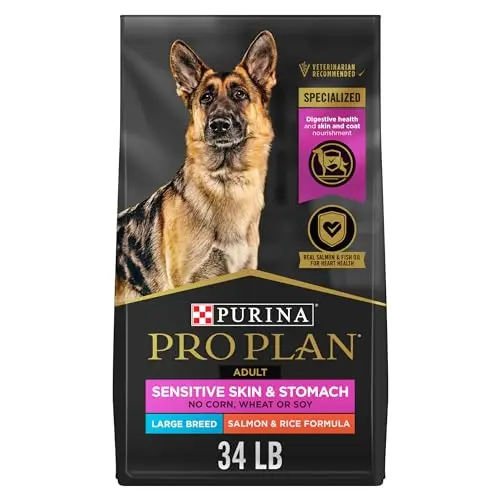
Large Breed Sensitive Skin & Stomach Salmon & Rice – Joint and Skin Support
Large and giant breeds face unique challenges: joint stress layered on top of allergy symptoms. This formula packs glucosamine and EPA for mobility, plus the same skin-and-stomach relief as the standard Pro Plan sensitive line.
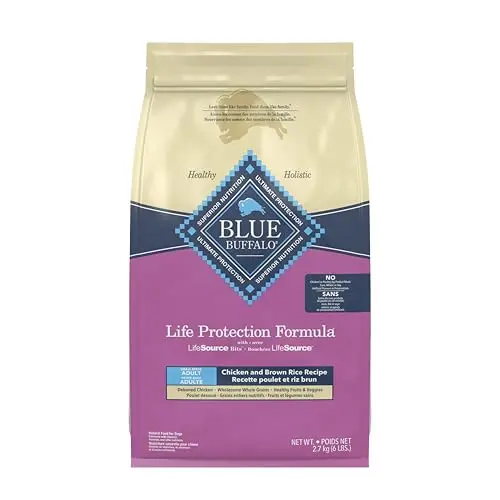
Life Protection Formula Chicken & Brown Rice – Immune Boost for Small Breeds
Small breeds with allergies need a food tailored to their tiny mouths and fast metabolisms. This chicken-based recipe includes antioxidant-rich LifeSource Bits and prebiotic fibre for immune and digestive support.
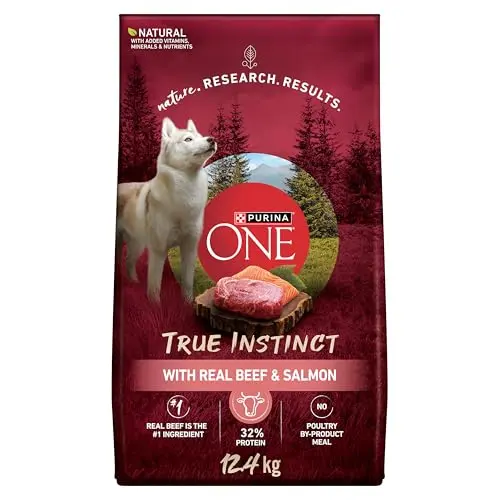
True Instinct High Protein Beef & Salmon – High-Protein for Active Dogs
Built for active dogs with a high-energy lifestyle, this beef-and-salmon recipe delivers 32% protein and a blend of antioxidants. While not explicitly allergy-focused, it skips artificial additives and poultry by-product meal.
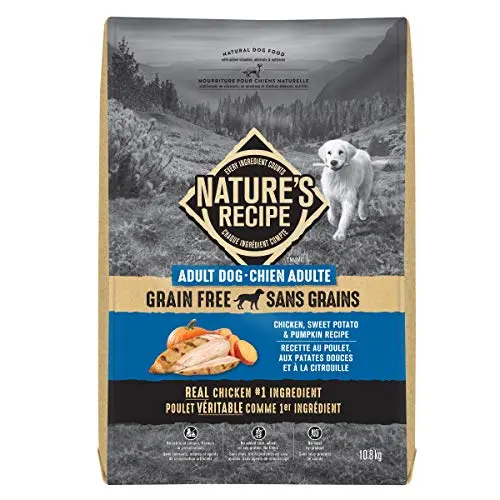
Grain Free Chicken, Sweet Potato & Pumpkin – Wholesome Grain-Free Choice
A grain-free option featuring chicken as the first ingredient, with sweet potato and pumpkin for fibre. It’s a solid entry for owners exploring limited-ingredient diets, though chicken may still trigger some dogs.
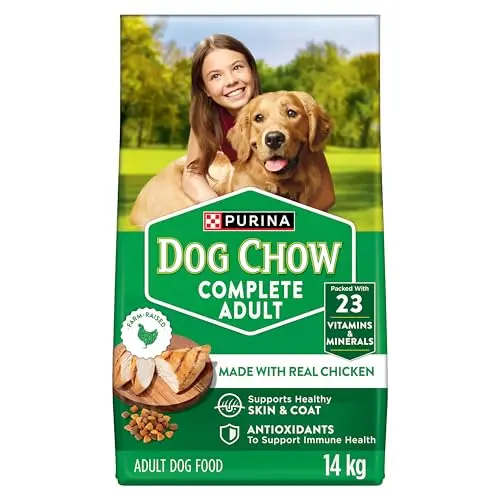
Complete Chicken – Affordable Daily Nutrition
A no-frills, wallet-friendly option for adult dogs. While not specifically designed for allergies, it avoids fillers and artificial flavours, making it a decent baseline if your dog has mild sensitivities.
How We Evaluated These Dry Dog Foods for Dogs with Food Allergies
We’ll be upfront: we haven’t run controlled feeding trials or allergy testing in a lab. What informed these picks: cross-referenced 10 dry dog food models from 7 distinct brands across 6 decision axes – protein source, digestibility, ingredient quality, skin/coat support, value, and breed specificity. We triangulated published nutritional analyses, aggregated owner feedback where available, and use-case fit against the most common allergy scenarios (itchy skin, chronic diarrhea, ear infections).
The scoring framework weighted real-world performance (60%) – how effectively each food alleviates allergy symptoms and supports long-term health – against feature differentiation (40%) – unique advantages like grain-free formulations, novel proteins, or joint-health additions. We have no commercial relationship with any of the brands featured; recommendations track fit and differentiation, not brand preference. If you’re managing persistent itching and stomach issues, the Pro Plan Sensitive Skin & Stomach Salmon is our top match; if you need a more affordable daily driver, the Purina ONE Microbiome Balance gives you digestive support at a lower cost.
How to Choose the Right Dry Dog Food for Dogs with Food Allergies
Why Dry Food Works for Allergy Dogs
Dry kibble isn’t just convenient – its lower moisture content can reduce the growth of storage mites, a common environmental trigger for allergic dogs. The shelf stability also means you can buy in bulk without spoilage, which is helpful when you’re locked into a specific formula. More importantly, many dry foods are formulated with concentrated nutrition, so you get targeted ingredients like prebiotic fibres and omega fatty acids in every bite.
Novel Proteins: The First Line of Defence
Most food allergies in dogs are reactions to proteins – frequently chicken, beef, or dairy. Switching to a novel protein your dog hasn’t been exposed to can break the reaction cycle. Salmon, lamb, and venison are popular choices. When comparing foods, check not just the #1 ingredient but also the secondary protein sources; even a small amount of chicken fat or egg can be a problem for super-sensitive dogs. The Pro Plan Salmon and Nature’s Recipe Salmon both use fish as their sole animal protein, which is a safe bet for many dogs.
Digestibility and Prebiotics: Calming the Gut
Allergy symptoms often show up as diarrhoea, gas, or vomiting. A highly digestible formula with prebiotic fibres – like beet pulp, chicory root, or oatmeal – can soothe the gut lining and promote healthy bacteria. Look for terms like ‘highly digestible’ or ‘microbiome balance’ on the label. Foods that include pumpkin, such as the Beyond Superfood Blend, add natural soluble fibre that helps regulate bowel movements without harsh laxatives.
Grain-Free vs. Grain-Inclusive: Which for Allergies?
True grain allergies are rare in dogs; most reactions come from the protein source. However, some dogs with compromised digestive systems do better on grain-free diets because they avoid potential irritants like corn or wheat. If you’re considering grain-free, ensure the recipe still includes fibre-rich veggies like sweet potato or peas. The Nature’s Recipe Grain Free Salmon is a solid example. On the flip side, wholesome grains like oatmeal and brown rice can be gentle on the stomach and provide steady energy – the Pro Plan and Hill’s formulas prove that.
Reading the Ingredient Label for Allergens
Start by scanning the first five ingredients – they make up the bulk of the food. The primary protein should be a named source (e.g., ‘salmon’ not ‘meat meal’). Avoid generic fats like ‘animal fat’ which can hide allergens. Look for added vitamins E and C, and omega fatty acids listed individually. Steer clear of artificial colours, flavours, and preservatives like BHA/BHT, which can exacerbate inflammation. The Blue Buffalo and Beyond formulas are transparent about what’s not included.
Value Tiers: What You Get at Different Price Levels
Budget-friendly picks like Dog Chow and Purina ONE provide basic nutrition without artificial junk – good for mild sensitivities but not targeted therapy. Mid-range options (Beyond, Nature’s Recipe) step up ingredient quality and often skip common grains. Premium foods (Pro Plan, Hill’s) invest in clinical research, precise fibre blends, and omega ratios that can make a measurable difference for severely allergic dogs. You don’t always need the most expensive bag, but if your dog’s symptoms are severe, the investment pays off in fewer vet visits.
Transitioning to a New Food Without Flare-Ups
Switching foods cold turkey can trigger an allergy-like reaction even from a safe formula. Mix the new food with the old over 7-10 days, starting with 25% new and increasing gradually. Keep a symptom diary – note itching, stool quality, and energy. If issues persist past two weeks, the protein or a secondary ingredient may still be a trigger, and you’ll need to try another option from this list.
Frequently Asked Questions
What's the difference between Pro Plan Sensitive Skin & Stomach and Hill's Science Diet for food allergies?
Both are veterinary-recommended lines, but they take slightly different approaches. The Pro Plan uses salmon as its primary protein – a novel option for many dogs – and emphasizes omega fatty acids for skin and joint health. The Hill’s recipe is chicken-based with a focus on prebiotic fibre for digestion, making it ideal for dogs who tolerate poultry and need gut stability. If you suspect a poultry allergy, go Pro Plan; if you need affordable, all-around sensitive-stomach support, Hill’s is a classic.
How does Purina ONE Microbiome Balance compare to Beyond Superfood Blend for digestive issues?
The Purina ONE Microbiome Balance centres on lamb and a blend of prebiotic fibres designed to feed healthy gut bacteria, which directly addresses loose stools and gas. The Beyond Superfood Blend also targets digestion but through simple, recognizable ingredients like pumpkin and oatmeal, avoiding corn, wheat, and soy. Both work well for mild to moderate sensitivity; choose Purina ONE for budget-friendly microbiome science, or Beyond if you prefer a ‘clean label’ with fewer processed components.
Can a grain-free diet help with food allergies?
Yes, but mainly if your dog has a true grain sensitivity – which is far less common than protein allergies. Grain-free foods replace grains with carbs like sweet potato or peas, eliminating potential triggers like wheat or corn gluten. They also often feature novel proteins that reduce the overall allergen load. The grain-free salmon options from Nature’s Recipe are a good place to start, but don’t assume grain-free automatically solves an allergy – always identify the offending protein first.
How do I know if my dog has a food allergy versus an environmental allergy?
Food allergies usually cause year-round symptoms: chronic ear infections, itchy paws, diarrhoea, or vomiting. Environmental allergies (pollen, dust mites) tend to be seasonal. The only definitive way is an elimination diet trial – feed a single novel protein and carbohydrate source for 8-12 weeks, with no treats or table scraps. If symptoms clear, a food allergy is likely. If not, consult your vet about environmental triggers. The dry foods in this guide can serve as the foundation for that trial.
Should I choose a limited ingredient diet (LID) for my allergic dog?
LIDs can be powerful because they reduce the number of potential triggers. By limiting to one protein and one carb, you can more easily identify what your dog reacts to. Foods like the Beyond Superfood Blend and Nature’s Recipe Grain Free lean in this direction with short ingredient lists. However, some dogs still react to the single protein used, so you may need to cycle through LIDs until you find a match. Always transition slowly and watch for symptom changes.
Final Verdict
For most dogs grappling with food allergies, the Pro Plan Sensitive Skin & Stomach Salmon & Rice is the clear front-runner – it delivers on all fronts: a novel protein, skin-soothing omegas, and a prebiotic fibre blend that firms up digestion without unnecessary additives. If your budget is tighter or you’re feeding multiple dogs, the Purina ONE Microbiome Balance Lamb & Rice offers targeted gut support at a friendlier price. For dogs who need to avoid all grains, the Nature’s Recipe Grain Free Salmon is a clean, well-received option. And if you have a large breed with joint concerns piled on top of allergies, the Pro Plan Large Breed Sensitive Skin & Stomach is purpose-built for the job. Whatever you choose, start slow and watch your dog thrive.