
Switching to a high-protein, low-carb diet can be a game-changer for dogs that need lean muscle support, steady energy, or help shedding a few extra pounds. But with so many formulas claiming to fit the bill, it’s easy to get lost in the kibble aisle. We’ve sorted through the market to spotlight options that back up the label with real meat and thoughtful ingredient lists-no marketing fluff.
The best high-protein, low-carb dog foods don’t just pile on the protein; they keep carb sources clean and minimal, skipping cheap fillers that can spike blood sugar. In this roundup, we zero in on formulas where animal-based protein leads the charge and carbohydrate quality genuinely supports your dog’s health, not just the bottom line.
Best High Protein Low Carb Dog Foods – 2026 Reviews
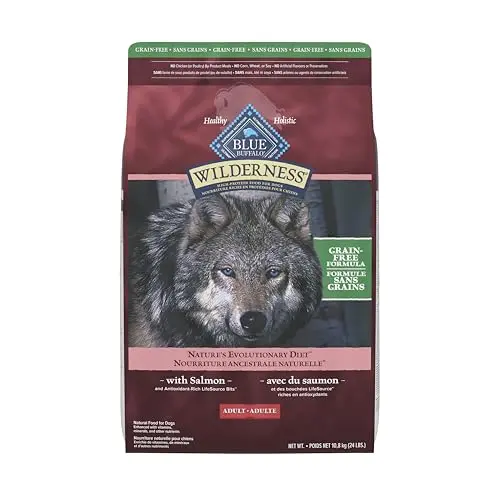
Wilderness Salmon Recipe – Grain-Free High Protein
A grain-free powerhouse with real salmon leading the charge and 34% protein to fuel active dogs. Antioxidant-rich LifeSource Bits support immune health, while omega fatty acids care for skin and coat-all without corn, wheat, or soy.
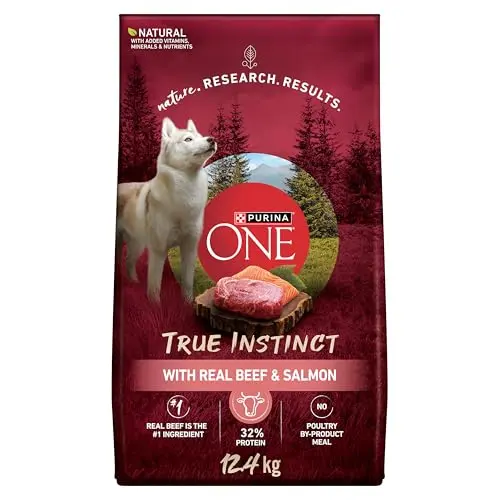
True Instinct Beef & Salmon Recipe – Lean Muscle Fuel
A 32% protein formula that delivers big on value without cutting corners. Real beef is the first ingredient, and the nutrient-dense recipe packs antioxidants for immune support, all at a price that makes daily high-protein feeding accessible.
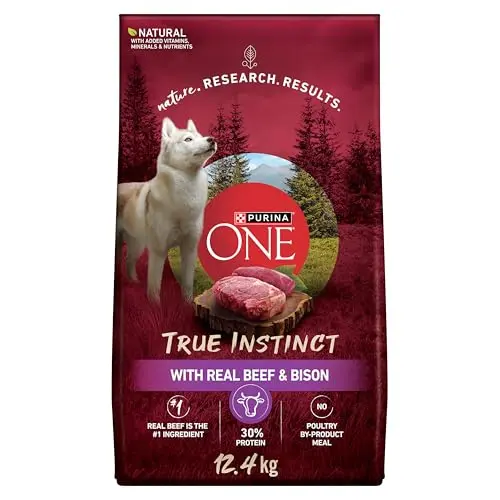
True Instinct Beef & Bison Recipe – Joint & Muscle Support
30% protein with natural glucosamine for joint care, plus real beef and bison for a flavour dogs crave. It’s a solid pick for active dogs that need both lean muscle maintenance and extra mobility support.
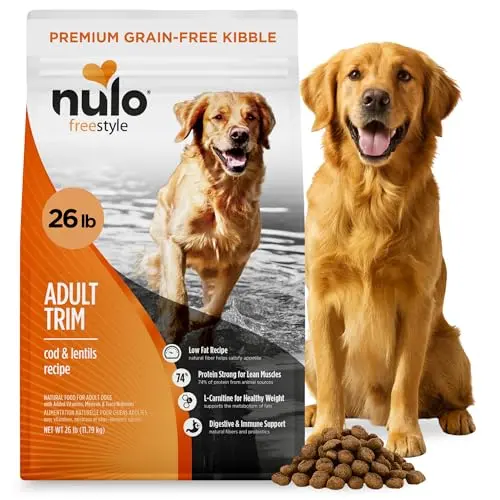
Freestyle Trim Cod & Lentils – Low-Carb Weight Control
A grain-free, low-fat formula with 74% animal-based protein and patented BC30 probiotic to support digestion and metabolism. L-carnitine helps burn fat, making it a targeted pick for dogs needing to shed pounds while maintaining muscle.
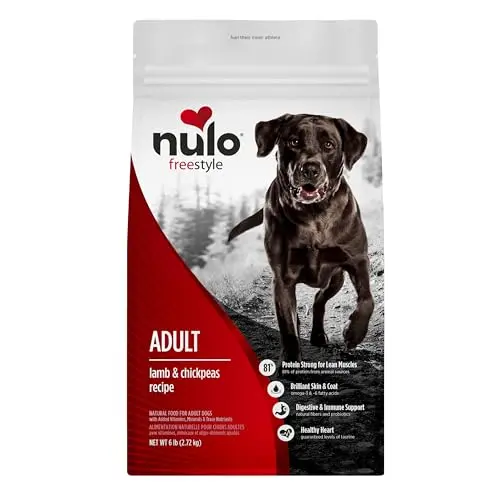
Freestyle Lamb – Grain-Free Allergy-Friendly
A grain-free, high-protein formula free of chicken and egg proteins-ideal for dogs with common food sensitivities. BC30 probiotic supports healthy digestion, and the small kibble size works for all breeds.
How We Evaluated These High Protein Low Carb Dog Foods
We didn’t run long-term feeding trials or laboratory macronutrient analyses. What we did: cross-referenced 5 dry dog foods from 3 distinct brands across 5 decision axes-protein percentage, carbohydrate sources, ingredient quality, functional add-ins (probiotics, joint support), and real-world owner feedback where available. We triangulated published specifications, ingredient lists, and aggregated customer experiences against typical buyer profiles for the high-protein, low-carb segment.
The scoring framework weighted real-world performance and fit (60%)-how well each formula delivers on its high-protein, low-carb promise and suits active or weight-conscious dogs-against feature differentiation (40%)-unique technical advantages like added glucosamine, novel proteins, or patented probiotics. We have no commercial relationship with any of the featured brands; recommendations track fit and differentiation, not brand preference. If you’re after a grain-free, high-protein baseline, the Blue Buffalo Wilderness Salmon is your match; if value is top of mind, the Purina ONE True Instinct Beef & Salmon delivers high protein without the premium price.
How to Choose the Right High Protein Low Carb Dog Food
Why High Protein Matters for Dogs
Protein is the building block for muscle, skin, coat, and a healthy immune system. Active dogs, working breeds, and those recovering from illness often thrive on higher protein levels because it supports lean muscle maintenance and steady energy. A food with at least 30% protein (dry matter basis) is generally considered high protein, though some formulas push past 34%. Look for named meat sources-like beef, salmon, or lamb-at the top of the ingredient list, not vague ‘meat meal” or plant proteins that lack complete amino acid profiles.
Low Carb: What to Look For
Dogs don’t have a dietary requirement for carbohydrates, but they can utilize them efficiently. However, excessive carbs from cheap fillers can contribute to weight gain and energy crashes. A low-carb dog food typically replaces grains with nutrient-dense vegetables and legumes like peas, lentils, or sweet potatoes, keeping the glycemic load gentle. When scanning labels, avoid formulas where grain fragments (corn, wheat, soy) appear in the first five ingredients. Even some high-protein recipes can sneak in high-glycemic carbs if you’re not paying attention.
Grain-Free vs. Grain-Inclusive: Which Is Better?
The grain-free trend isn’t mandatory for low carb, but it often goes hand in hand. Grain-free formulas like Blue Buffalo Wilderness or Nulo Freestyle use legumes and root vegetables as carbohydrate sources, resulting in a lower glycemic profile. However, some grain-inclusive foods can still be relatively low carb if they use whole grains like brown rice or oatmeal in moderation. The concern arises when corn or wheat dominate the recipe. For dogs with specific grain sensitivities, a grain-free path is clear; for others, a well-formulated grain-inclusive food like Purina ONE True Instinct can offer cost savings without a major carb penalty.
Check the First Five Ingredients
This old rule still holds. The initial ingredients make up the bulk of the recipe. A true high-protein, low-carb food leads with two or more animal protein sources (e.g., beef, salmon meal, turkey meal) before hitting any plant-based protein or carb. Avoid foods where the first ingredient is meat followed immediately by corn or wheat. Recognizable whole-food ingredients-peas, blueberries, flaxseed-signal quality, while mysterious ‘animal digest” or ambiguous ‘meat and bone meal” don’t. The Blue Buffalo Wilderness sets a strong example here with salmon, fish meal, peas, and pea protein leading the charge.
Functional Add-Ons: Probiotics, Glucosamine, and More
Many high-protein, low-carb foods now include targeted supplements that go beyond basic nutrition. Probiotics like BC30 (found in Nulo formulas) support digestive health and nutrient absorption. Glucosamine, present in Purina ONE True Instinct Beef & Bison, aids joint health for active or senior dogs. L-carnitine in Nulo’s Trim formula boosts metabolism, making it a star for weight management. Not every dog needs these extras, but if yours has specific concerns, they can tip the scales in a particular formula’s favour.
Common Pitfalls When Buying High Protein Dog Food
Don’t assume that because a bag says ‘high protein” it’s automatically low carb-always flip it over. Some brands boost protein with plant sources like pea protein, which can be less bioavailable than animal protein. Also, watch for the calorie density: high protein often means high calories, so if your dog is less active, you might need to feed smaller portions to avoid weight gain. Finally, rapid food switches can upset stomachs; transition slowly over 7-10 days, especially when moving from a grain-heavy diet to a grain-free one. If you need a gentle introduction, the Nulo Freestyle Trim includes probiotics that can help ease the adjustment.
Frequently Asked Questions
What's the difference between Blue Buffalo Wilderness and Purina ONE True Instinct for high protein diets?
Both deliver 30%+ protein, but the core distinction lies in carb sources. Blue Buffalo Wilderness is grain-free, relying on peas and sweet potatoes for a lower glycemic impact. It also packs LifeSource Bits for immune support. Purina ONE True Instinct includes grains like brown rice, so carb content is slightly higher, but it offers better value per bag and includes natural glucosamine in the Beef & Bison version for joint care. Your choice depends on whether grain-free is a priority or you’re balancing budget and joint support.
How does Nulo Freestyle compare to other high-protein, low-carb options?
Nulo Freestyle sets itself apart with an exceptionally high animal-based protein ratio and the inclusion of patented BC30 probiotic in every recipe. The Trim formula adds L-carnitine specifically for weight management, making it a standout for calorie-conscious dogs. Compared to Blue Buffalo Wilderness, Nulo often has a slightly denser nutrient profile and more novel protein options (cod, lamb), which can be helpful for dogs with common protein allergies. The trade-off is a higher price point, especially for the Trim line.
Are all 'high protein" dog foods low carb?
Not necessarily. A food can be 40% protein and still be high in carbs if the recipe is packed with grains. The ‘high protein” claim doesn’t guarantee low carb; you need to check the ingredient list. Look for grain-free labels or whole-grain names low on the list to keep carbs in check. Some brands use the term loosely, so verify by scanning the first five ingredients for pea protein, lentils, or other typical low-carb starch sources.
Is high protein low carb suitable for all dogs?
It’s particularly beneficial for active, working, or athletic dogs that burn energy quickly and need muscle support. Dogs needing weight loss also do well because protein promotes satiety. However, very sedentary or senior dogs with kidney concerns should consult a vet before switching to very high protein, as it can put extra strain on renal function. Puppies and pregnant dogs have different nutritional needs, so stick to formulas designed for those life stages unless your vet advises otherwise.
Final Verdict
For most dogs transitioning to a high-protein, low-carb lifestyle, the Blue Buffalo Wilderness Salmon checks every box: real salmon first, 34% protein, grain-free with antioxidant bits. If you’re feeding on a budget, the Purina ONE True Instinct Beef & Salmon delivers impressive protein at a fraction of the price. Dogs needing joint support should head straight to the Purina ONE Beef & Bison, and for weight management, the Nulo Freestyle Trim is the purpose-built champion. Pick your protein priority, and you’ll find a match here.