
If you share your home with a Great Pyrenees, you know that these gentle giants come with unique nutritional demands. Beneath that majestic white coat and calm demeanour lies a breed prone to joint troubles, sensitive skin, and digestive quirks that can turn mealtime into a guessing game. Choosing the right dry dog food isn’t just about filling the bowl-it’s about supporting a long, active life with ingredients that target the areas where Pyrenees need help the most.
Not all kibbles are created equal for a dog that can tip the scales at 45 kilograms or more. The best dry foods for Great Pyrenees put joint-supporting compounds like glucosamine and chondroitin front and centre, balance omega fatty acids for skin and coat, and include gentle fibres to keep deep-chested digestion running smoothly. We’ve cross-shopped leading formulas across major brands to bring you a market-focused guide that cuts through the noise-so you can pick the right dry food for your Pyr with confidence.
Best Dry Dog Foods for Great Pyrenees – 2026 Reviews
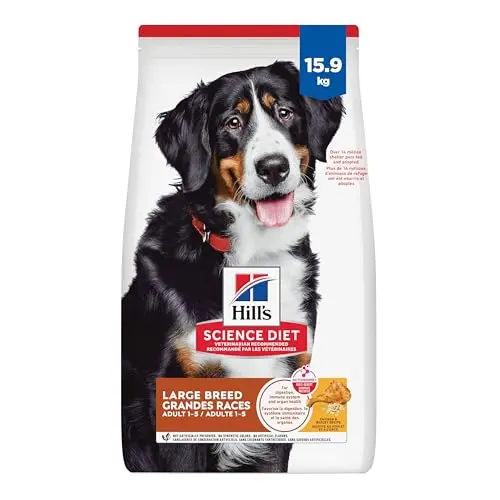
Adult Large Breed Chicken & Barley – Joint-Supporting Large Breed Staple
A large-breed formula with natural glucosamine and chondroitin for joint health, plus omega-6s for a healthy coat. Real chicken is the first ingredient, and the kibble is sized for large mouths.
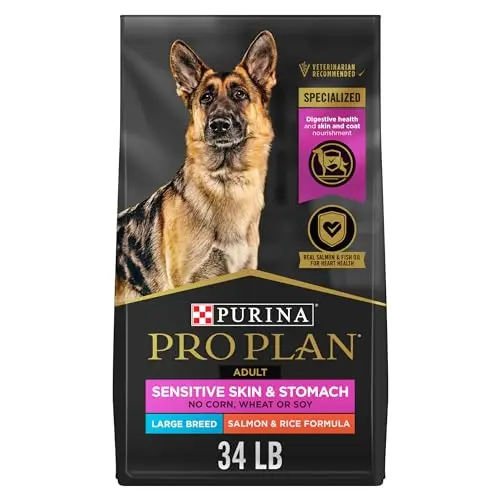
Large Breed Sensitive Skin & Stomach Salmon & Rice – Gentle Giant Nutrition
Specially formulated for large breeds with sensitive systems, this salmon-first recipe supplies EPA for joint mobility and prebiotics for digestive health. Oatmeal provides gentle carbs for easy digestion.
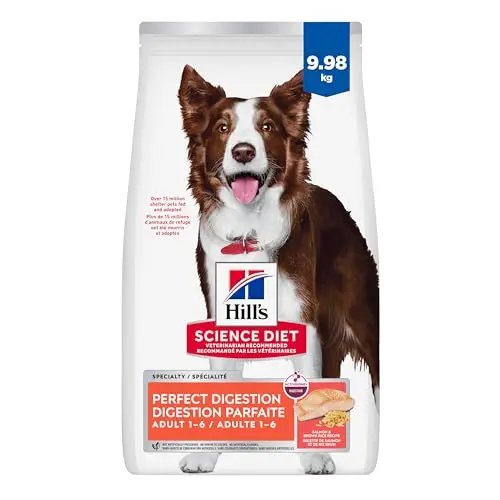
Adult Perfect Digestion Salmon, Whole Oats & Brown Rice – Digestive Health Champion
Targeting digestive wellness, this formula uses ActivBiome+ prebiotics, oats, and pumpkin to promote regularity in just 7 days. Salmon is the #1 ingredient, making it palatable even for fussy eaters.
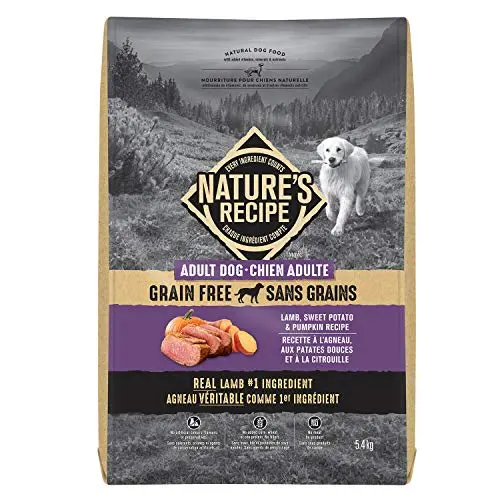
Grain Free Lamb, Sweet Potato & Pumpkin – Limited Ingredient Joint Support
A grain-free, limited ingredient option with natural glucosamine and chondroitin from chicken meal for joint health. Sweet potato and pumpkin add fibre for gentle digestion, while lamb provides a novel protein.
How We Evaluated These Dry Dog Foods for Great Pyrenees
We didn’t conduct long-term feeding trials or vet-supervised health monitoring. What we did: cross-referenced 4 dry dog food formulas from 3 distinct brands against the specific nutritional demands of the Great Pyrenees-a giant breed predisposed to joint issues, skin sensitivity, and digestive quirks. We evaluated each recipe across 6 decision axes: joint support (glucosamine, chondroitin, EPA), skin and coat health (omega-6 and omega-3 fatty acids, vitamin E), digestive support (fibre sources, prebiotics), ingredient quality (real meat as first ingredient, absence of fillers), kibble size and texture for large mouths, and aggregated owner feedback on palatability and visible results. The scoring framework weighted real-world breed fit (60%)-how well each food addresses the core health concerns of a Pyr-against feature differentiation (40%)-unique formulations and large-breed specificity. We have no commercial relationship with any brand featured, and recommendations track nutritional merit, not marketing. If joint health sits top of your list, the Hill’s Science Diet Large Breed is purpose-built for the task; for sensitive stomachs, the Pro Plan Large Breed Salmon offers a gentler touch.
How to Choose the Right Dry Dog Food for Your Great Pyrenees
Understanding the Nutritional Needs of a Great Pyrenees
Great Pyrenees are a giant breed that matures slowly, often not reaching full adult size until 18-24 months. During growth, they need controlled calcium and phosphorus levels to prevent skeletal abnormalities, and throughout life they require joint-supporting nutrients to ward off hip dysplasia and arthritis. Their dense double coat benefits from omega-6 and omega-3 fatty acids for shine and skin health, and their deep chests make them prone to bloat-so a highly digestible, fibre-balanced formula can help. Look for a dry food that explicitly states it’s formulated for large breeds or offers functional joint and skin benefits.
Joint Health: Glucosamine, Chondroitin, and Omega-3s for Giant Breeds
The sheer size of a Pyr puts constant stress on its hinges. Glucosamine and chondroitin-often sourced naturally from chicken meal or added as supplements-help maintain cartilage and cushion joints. EPA (eicosapentaenoic acid), an omega-3 from fish oils, also reduces inflammation. When scanning ingredient panels, look for these compounds; they’re non-negotiable for a breed that may eventually tip the scales past 50 kilograms. The Hill’s Science Diet Large Breed includes natural glucosamine and chondroitin as part of its recipe, making it a straightforward choice if joints are your primary concern.
Skin and Coat Care: The Role of Omega-6 and Vitamins in Dry Dog Food
A Great Pyrenees’ lush white double coat is a hallmark of the breed, but it’s also a magnet for dryness and irritation if not supported from the inside out. Omega-6 fatty acids (like linoleic acid from sunflower oil) and vitamin E are keys to maintaining a healthy skin barrier and lustrous coat. Salmon-based foods also bring omega-3s that can calm itchy, flaky skin. If your dog scratches excessively or has dull fur, prioritize a food with a named animal fat or oil source high in omegas. Both of our meat-first picks deliver visible coat improvement based on widespread owner feedback.
Digestive Support: Fibre, Prebiotics, and Easily Digestible Carbs
Deep-chested breeds like the Great Pyrenees are at higher risk for gastric dilatation-volvulus (bloat), so a diet that promotes steady digestion is critical. Prebiotic fibres (from chicory root, oats, or pumpkin) feed beneficial gut bacteria and firm up stools, while oatmeal or barley provide gentle, non-irritating carbohydrates. Avoid foods with excessive fillers or sharp ingredient swaps that can trigger loose stools. If you’re facing persistent digestive woes, the Hill’s Science Diet Perfect Digestion with its ActivBiome+ technology is a targeted solution that many owners credit with normalizing bathroom habits within a week.
Grain-Free vs Grain-Inclusive: Which Is Better for Your Pyr?
The grain-free debate continues, especially for large breeds. While some dogs genuinely thrive without grains, the FDA is investigating a potential link between grain-free diets and dilated cardiomyopathy (DCM). For a giant breed, the safest route is usually an grain-inclusive formula that includes wholesome grains like barley, oatmeal, or brown rice-these provide fibre and sustained energy without the controversy. That said, if your Pyr has a confirmed grain allergy or you prefer a limited‑ingredient approach, a grain-free option like the Nature’s Recipe Grain Free Lamb can work, but have a conversation with your vet and monitor heart health. Most Pyrs do well on a balanced grain-inclusive diet.
Kibble Size and Eating Speed: Avoiding Bloat in Deep-Chested Dogs
It’s not just what’s in the bowl but how your dog eats it. Large, crunchy kibble encourages chewing and slows down consumption, which can reduce the risk of bloat. For adult Great Pyrenees, a larger kibble size also means fewer pieces to scoop and less chance of them inhaling their food. The Hill’s Science Diet Large Breed has notably big pieces that suit giant mouths well, while other formulas like the Pro Plan Large Breed offer a slightly smaller but still hearty kibble. If your dog is a gulper, consider a slow-feeder bowl alongside a large-breed kibble.
Frequently Asked Questions
Do Great Pyrenees need large-breed specific dog food?
Yes, it’s strongly recommended. Large-breed formulas have calibrated calcium and phosphorus ratios to support slow, steady growth and reduce the risk of developmental joint disease. They also often include glucosamine, chondroitin, or EPA at meaningful levels for giant breeds. While a high-quality all-breed food can meet basic needs, a dedicated large-breed recipe gives your Pyr targeted nutrition for the long haul-especially important during puppyhood and senior years.
What's the difference between Hill's Science Diet Large Breed and Purina Pro Plan Large Breed for Great Pyrenees?
Both are excellent large-breed options, but they take different paths. The Hill’s Science Diet uses chicken and barley, with natural glucosamine and chondroitin for joints and larger kibble ideal for slowing down fast eaters. Purina Pro Plan’s version puts salmon first, leans on EPA for joint mobility, and includes oatmeal for a super gentle digestive experience-making it a go‑to if your dog has a sensitive stomach or poultry issues. Choose Hill’s for classic, joint-focused nutrition; choose Pro Plan for a fish-forward, stomach‑soothing formula.
How does grain-free dog food compare to grain-inclusive for Great Pyrenees?
Grain-free diets swap grains (like barley or oats) for legumes and potatoes, which can work for dogs with specific grain allergies. However, for most Great Pyrenees, grain-inclusive foods are well-tolerated and often more affordable. The bigger concern is the potential link to DCM, a heart condition; until research clarifies that, many vets advise sticking with grain-inclusive options unless there’s a diagnosed allergy. A limited-ingredient grain-free food such as Nature’s Recipe can be considered with vet oversight, but a high-quality grain-inclusive large-breed formula is the safer default for giant breeds.
How much dry dog food should I feed my Great Pyrenees?
It varies based on age, activity level, and the calorie density of the food. An average adult Pyr weighing 45-55 kilograms typically eats 4-6 cups per day, split into two meals to reduce bloat risk. Always start with the feeding guide on the bag and adjust to keep your dog at a lean body condition-you should be able to feel the ribs without excess fat covering. Puppies need more frequent, smaller meals to support growth. If you’re unsure, consult your vet, especially for a breed this size where overfeeding can strain developing joints.
Final Verdict
For the vast majority of Great Pyrenees, the Hill’s Science Diet Adult Large Breed Chicken & Barley checks every box: natural glucosamine and chondroitin for joint support, omega‑6 fatty acids for that iconic white coat, and a kibble size that encourages safe, slow eating. If your Pyr deals with a finicky stomach or poultry sensitivity, the Pro Plan Large Breed Salmon & Rice is a well‑matched alternative with EPA for joints and prebiotics for digestive calm. For dogs where regularity is the main challenge, Hill’s Perfect Digestion can firm things up in a week, and if you’re committed to grain‑free eating, the Nature’s Recipe Grain Free Lamb brings joint‑friendly glucosamine from a limited ingredient panel. Whichever route you choose, your gentle giant deserves a food that works as hard as he does-and any of these picks will help keep him roaming mountain trails and backyard patrols for years to come.