
Bringing home a tiny Pomeranian puppy is equal parts joy and responsibility-and one of the first big decisions is what to put in that little bowl. Dry puppy food for toy breeds isn’t just about filling a belly; the right kibble supports brain development, builds a strong immune system, and keeps those tiny tummies happy. But with so many options on the shelf, picking the best dry food for your Pomeranian can feel overwhelming.
We’ve surveyed the market to compare kibble size, DHA levels, protein sources, and digestive support across multiple brands, zeroing in on formulas that cater to extra-small and small breeds. Whether your Pom is a picky eater, has a sensitive stomach, or needs a budget‑friendly option, our guide will help you choose with confidence.
Best Dry Food for Pomeranian Puppy – 2026 Reviews
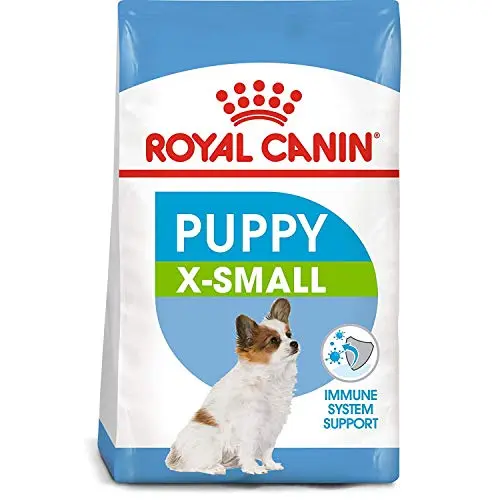
X-Small Puppy – Tiny Kibble for Toy Breeds
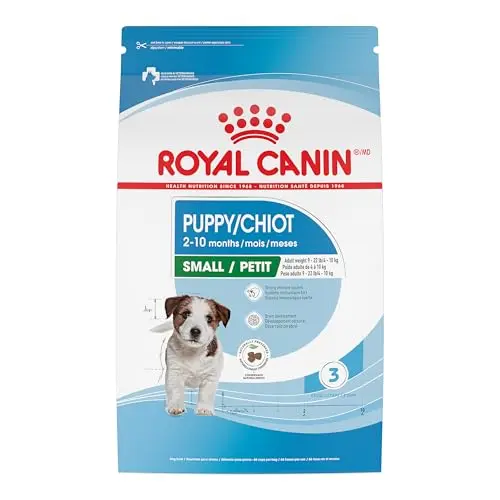
Small Puppy – Tailored Nutrition for Small Breeds
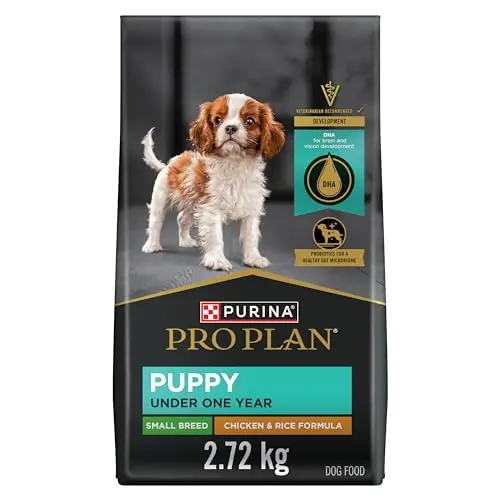
Small Breed Chicken & Rice – High-Protein Brain Support
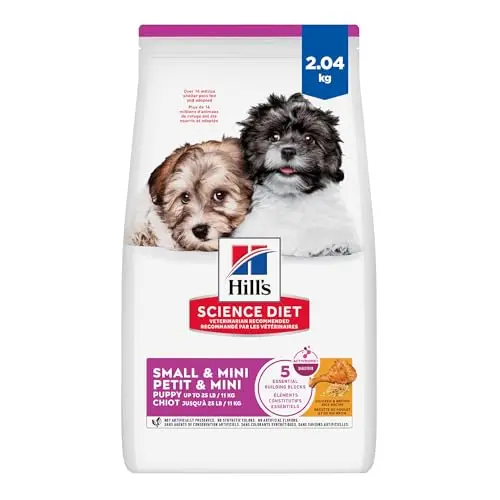
Small & Mini Chicken & Brown Rice – Mini Kibble for Little Jaws
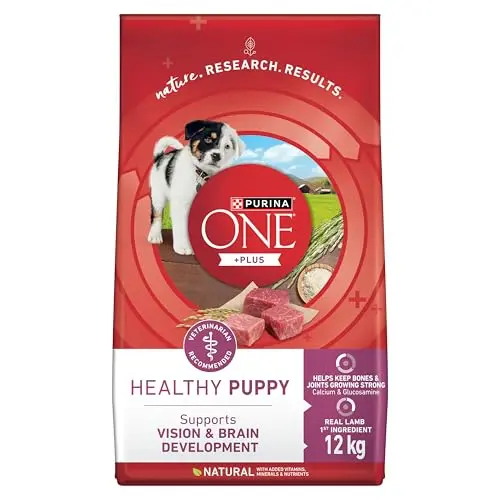
Healthy Puppy Lamb – Gentle on Sensitive Stomachs
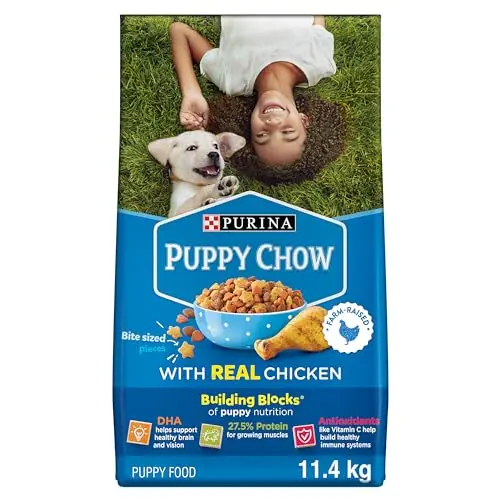
Complete with Chicken – Budget-Friendly Starter
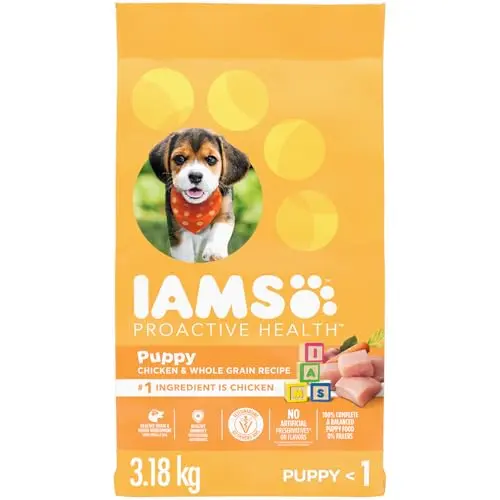
Proactive Health Chicken – DHA-Rich Everyday Feed
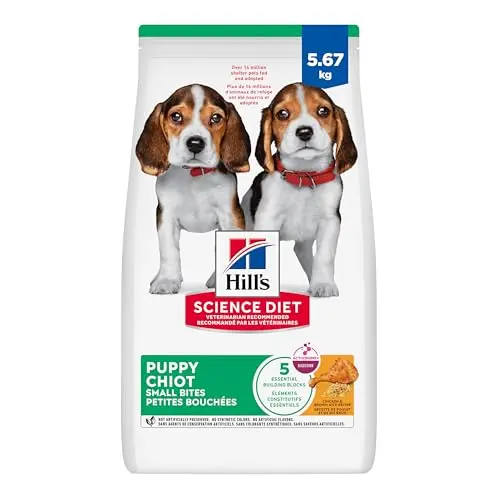
Small Bites Chicken – Prebiotic Fiber for Gut Health
How We Evaluated These Dry Foods for Pomeranian Puppies
We didn’t run veterinary feeding trials or long-term health monitoring. Instead, we cross-referenced 8 dry puppy foods from 6 distinct brands across 6 decision axes that matter most for a toy breed like the Pomeranian: kibble size, DHA content for brain development, protein source and level, digestive support (prebiotics/probiotics), antioxidant profile for immune health, and overall ingredient quality. We triangulated published specifications, aggregated owner feedback where available, and use-case fit against the unique needs of an extra-small, fast-growing puppy.
The scoring framework weighted real-world performance (60%)-how well each option delivers on its stated use case for a Pomeranian-against feature differentiation (40%)-unique technical advantages like live probiotics or a prebiotic fiber blend. We have no commercial relationship with any of the brands featured; recommendations track fit and differentiation, not brand preference. If you’re looking for the most tailored formula, the Royal Canin X-Small is your match; if you’re balancing quality with budget, the Purina Puppy Chow serves you well.
How to Choose the Right Dry Food for Your Pomeranian Puppy
Why Kibble Size Matters for Pomeranians
Tiny jaws need tiny kibble. A Pomeranian puppy’s mouth is delicate, and oversized pieces can be difficult to chew, leading to poor digestion or even a choking risk. Look for brands that specifically market a ‘small’ or ‘mini’ kibble-our top picks, like the Royal Canin X-Small and Hill’s Small & Mini, are excellent examples. Even all-breed formulas can work if owner feedback confirms the pieces are small enough (the Purina ONE Puppy Lamb, for instance, is noted as a good size for small dogs). When in doubt, you can always crush larger kibble, but a food that’s designed for the breed saves you the extra step.
DHA: The Brain-Boosting Nutrient Your Puppy Needs
DHA (docosahexaenoic acid) is an omega-3 fatty acid crucial for brain and eye development in puppies. It’s naturally found in mother’s milk, so high-quality puppy foods include it from sources like fish oil or marine microalgae. Every product in our roundup includes DHA-some, like the IAMS ProActive Health, even pack 22 nutrients inspired by mother’s milk. For a Pomeranian, whose adult brain is fully wired during the first few months, prioritizing DHA is non-negotiable.
Protein and Muscle Growth: How Much Is Enough?
Growing pups need at least 22% protein, but for an active, muscular breed like the Pomeranian, higher levels (27%+) can fuel their playful energy. Our Best High-Protein pick, Purina Pro Plan Small Breed, uses real chicken as the first ingredient and includes guaranteed live probiotics to support digestion. That said, more protein isn’t always better if your puppy has kidney concerns; stick to the recommendations on the bag or your vet’s advice. Whole meat sources (chicken, lamb) are preferable to by-product meals, though budget options like Purina Puppy Chow still deliver adequate protein at a lower cost.
Digestive Health: Probiotics, Prebiotics, and Gentle Grains
Pomeranians can have sensitive stomachs, so digestive support is key. Some formulas, like the Purina Pro Plan and Royal Canin X-Small, include live probiotics to aid the transition from milk to solid food. Others, like Hill’s Science Diet Small Bites, use a prebiotic fiber blend to feed beneficial gut bacteria. If your Pom has loose stools, opting for a recipe with easily digestible carbohydrates (rice, oatmeal, barley) and no artificial fillers can make a noticeable difference. Always transition to a new food over 7-10 days, mixing increasing amounts with the old food to avoid tummy upsets.
All-Breed vs. Breed-Specific Formulas: Does It Matter for a Pom?
It can. Breed-specific formulas (like Royal Canin X-Small or Hill’s Small & Mini) are engineered with the metabolic rate, jaw size, and growth curve of tiny dogs in mind. They often have smaller kibble and a higher calorie density per cup, which is important because a Pomeranian’s stomach is small. All-breed formulas (IAMS, Purina ONE) are still nutritious but may not be optimized. That said, many owners have raised healthy Poms on all-breed foods-just make sure the kibble is small and the protein level meets your puppy’s energy needs. If your Pom is a picky eater, a breed-specific formula might be the safer bet.
Budget Considerations: What You Get at Different Price Points
Premium foods like Royal Canin and Hill’s Science Diet come at a higher cost per pound, but they often deliver more targeted nutrition and smaller kibble. Mid-range options like Purina ONE offer a good balance of quality and value, especially if you buy a large bag. Budget picks like Purina Puppy Chow still cover the essentials-DHA, adequate protein-but may use less expensive ingredients. There’s no wrong choice if your Pom thrives, but if budget is tight, start with a small bag of a budget food to see how they adjust before committing to a bulk purchase.
Frequently Asked Questions
What's the difference between Royal Canin X-Small and Royal Canin Small puppy food?
The key difference is the target adult weight. Royal Canin X-Small is formulated for puppies whose adult weight will be under 8 lbs-perfect for most Pomeranians. It has an even smaller kibble and a nutrient profile tailored to toy breeds. Royal Canin Small is designed for puppies expected to reach 9-22 lbs; the kibble is slightly larger and the calorie density may not be as high. For a standard Pomeranian (3-7 lbs adult), the X-Small is the ideal match, but if your Pom is unusually large or you’re unsure, the Small still works well.
Should I choose a grain-free dry food for my Pomeranian puppy?
Not necessarily. While some owners prefer grain‑free diets, whole grains like brown rice, oatmeal, and barley are easily digestible and provide steady energy for growing puppies. The FDA is investigating a potential link between grain‑free diets and dilated cardiomyopathy (DCM) in dogs, but no definitive conclusions have been reached. All the foods in our roundup include wholesome grains unless labeled otherwise. If your Pom has a confirmed grain allergy (rare), consult your vet; otherwise, a grain‑inclusive formula like Hill’s Science Diet or Purina ONE is a safe, balanced choice.
How do I switch my Pomeranian puppy to a new dry food without stomach issues?
Transition over at least 7-10 days. Start by mixing 75% old food with 25% new food for a couple of days, then go to 50/50, then 25/75, before feeding 100% new. Watch for loose stools or vomiting-if these occur, slow down the transition. Adding a teaspoon of plain canned pumpkin (not pie filling) can help firm up stools. Puppies with sensitive stomachs benefit from formulas with live probiotics (like Purina Pro Plan) or prebiotic fibers (like Hill’s Small Bites) to ease the switch.
Is Purina Pro Plan or Hill's Science Diet better for toy breeds?
Both are excellent, but they excel in different areas. Purina Pro Plan Small Breed stands out for its high protein and guaranteed live probiotics, making it great for active Poms who need muscle fuel and digestive support. Hill’s Science Diet Small & Mini emphasizes balanced minerals and an antioxidant blend, which is ideal for building strong bones and a robust immune system. If your puppy is highly energetic, go with Pro Plan; if you’re focused on every nutrient being perfectly balanced, Hill’s is the pick. Neither is a wrong choice.
What if my Pomeranian puppy is a picky eater?
Pomeranians can be fussy. Start with a food that has a strong palatability reputation-the Royal Canin X-Small and Purina Pro Plan both get high marks from owners for taste. You can also mix a spoonful of a matching wet food topper (Royal Canin has a canned version) to entice them. Avoid free‑feeding; set meal times and remove uneaten food after 20 minutes to establish a routine. If pickiness persists, rule out dental issues and consult your vet.
Final Verdict
For the vast majority of Pomeranian puppies, the Royal Canin X-Small Puppy is the clear winner-its tiny kibble, targeted DHA and antioxidant blend, and small‑breed‑specific recipe make it a purpose‑built choice you can trust. If you’re watching your budget, the Purina Puppy Chow Complete covers all the nutritional bases at a fraction of the cost. And if your pup has a sensitive stomach or you simply want a vet‑backed premium option, the Hill’s Science Diet Small & Mini is a worthy splurge. Whichever you choose, transition slowly, and enjoy feeding time with your fluffy little companion.