
Bringing home a litter of newborn puppies is equal parts joy and responsibility, especially when the mother isn’t able to nurse. Whether you’re dealing with an orphaned pup, a rejected litter, or a mum who simply isn’t producing enough milk, finding the right formula is critical. The first days of life set the foundation for growth, immunity, and long‑term health, so the stakes are high when it’s time to choose a milk replacer.
What separates a great formula from an okay one comes down to a few core factors: how closely the nutritional profile mimics mother’s milk, the quality and digestibility of proteins and fats, and whether it includes functional ingredients like DHA or colostrum to support brain development and the immune system. We’ve cross‑shopped the current market to help you zero in on the best options for your litter, no matter the breed or situation.
Below, you’ll find our top picks across a range of brands, forms, and feature sets. Whether you need a liquid for convenience, a powder that’s easy to store, or a formula loaded with extras like probiotics, this guide will steer you toward the right choice for your newborn pups.
Best Formulas for Newborn Puppies – 2026 Reviews
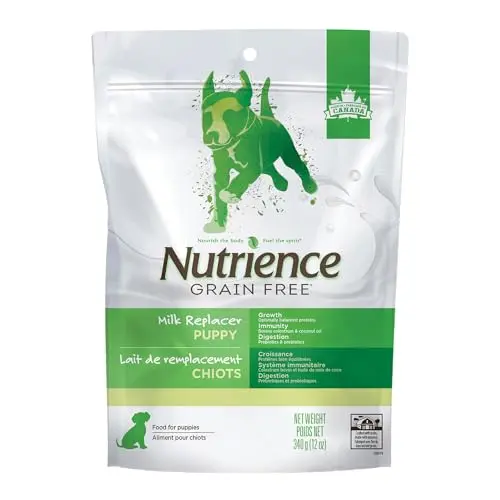
Puppy Milk Replacer – Colostrum & Probiotic Boost
Nutrience’s puppy milk replacer is a Canadian‑made formula packed with bovine colostrum and coconut oil to support immune and digestive health. It’s suitable for newborns, nursing, and convalescing dogs, and the balanced protein profile helps foster healthy skeletal and cerebral development.
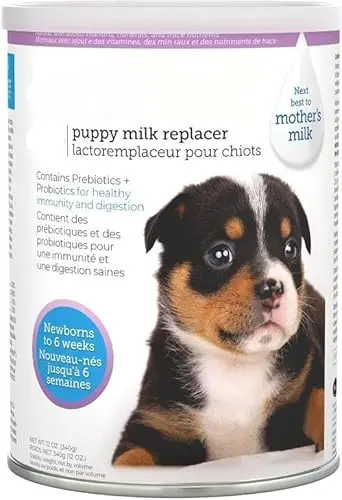
Esbilac Powder Milk Replacer 12oz – Prebiotic & Probiotic Rich
This powdered Esbilac formula is a budget‑conscious pick that doesn’t skimp on gut‑friendly extras. It’s designed to closely mirror mother’s milk in protein, fat, and carbohydrates, with added prebiotics and probiotics to support developing digestive systems.
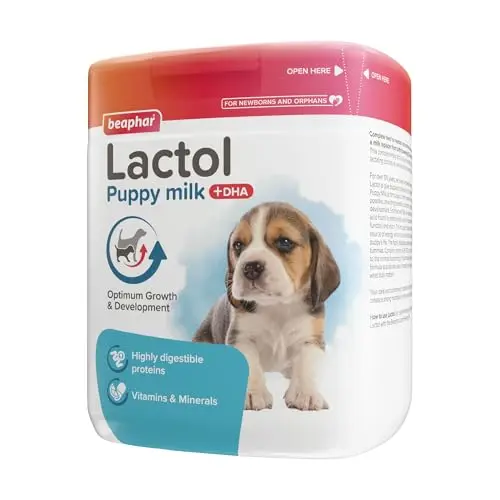
Lactol Puppy Milk Powder 1.1lbs – Ultra‑Digestible Whey
Beaphar’s Lactol has a long‑standing reputation – it’s been around for over a century. Made from easily digested whey proteins, this powder closely resembles natural bitch’s milk through an ultra‑filtration process that preserves protein structure.
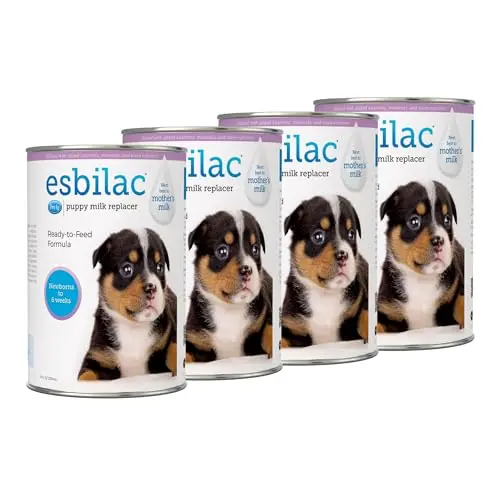
Esbilac Liquid for Puppies 11oz 4‑Pack – Ready‑to‑Use
When mixing powder at 3 a.m. feels like too much, this ready‑to‑feed liquid is a time‑saver. It’s scientifically formulated to be as close to mother’s milk as possible, with added vitamins, minerals, and a special fibre blend for easy digestion.
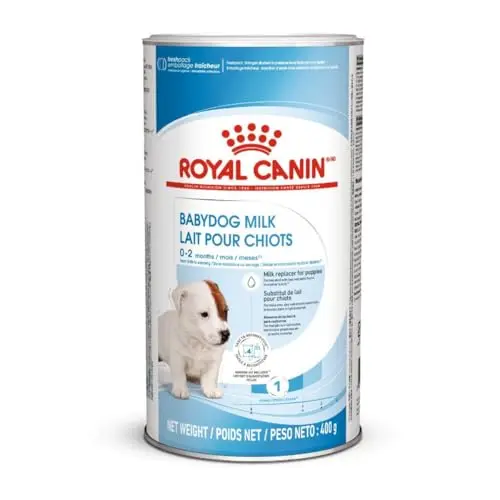
Baby Dog Powdered Milk 400g – DHA for Cognitive Development
Royal Canin’s powdered milk is enriched with DHA, an omega‑3 fatty acid naturally found in mother’s milk that supports brain and cognitive development. It’s designed for use from birth to weaning and dissolves fully without sediment.
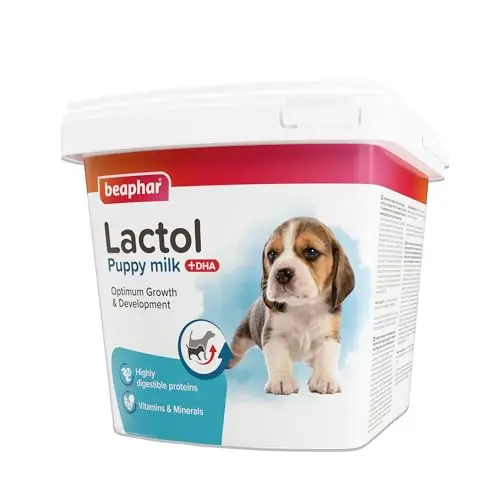
Lactol Puppy Milk Replacer Powder 4.4lbs – Large Size Value
The bigger sibling of the 1.1‑pound Lactol, this 2‑kilogram tub offers the same ultra‑filtered whey protein goodness in a more economical size for larger litters or ongoing use through weaning and nursing.
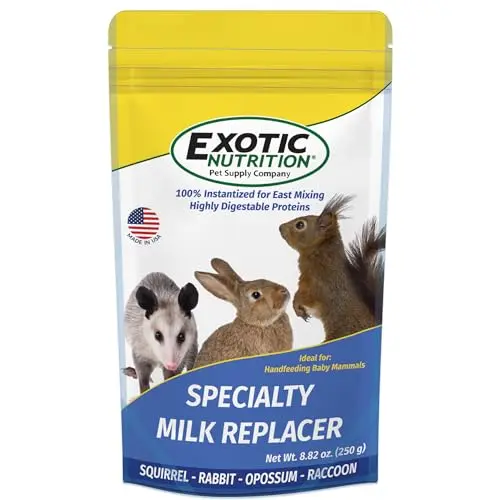
Specialty Milk Replacer 250g – Multi‑Species Support
While not puppy‑exclusive, this milk replacer is formulated for a wide range of baby animals. It’s enriched with high‑quality protein, vitamins, minerals, and essential amino acids, and is designed for easy digestion and high palatability.
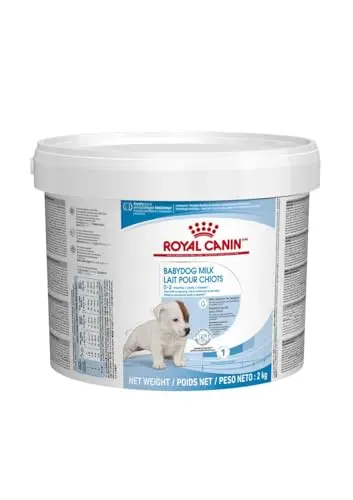
Babydog Puppy Milk 2kg – DHA‑Enriched Liquid Pâté
This ready‑to‑use milk replacer from Royal Canin comes in a pâté form and is DHA‑enriched for cognitive support. It’s designed to be as close to bitch’s milk as possible, with ultra‑digestible proteins that dissolve instantly.
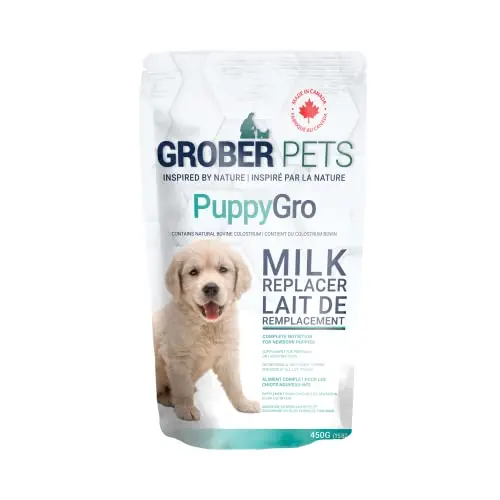
PuppyGro Milk Replacer 450g – Canadian‑Made with Colostrum
Made in Canada, this milk replacer features natural bovine colostrum to support immune development. It’s shelf‑stable for 18 months and uses high‑quality food‑grade ingredients in an environmentally conscious package.
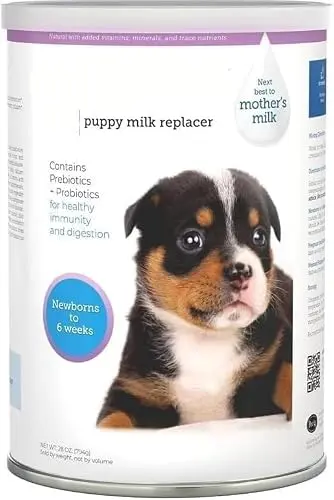
Esbilac Powder Milk Replacer 28oz – Large Powder Format
This Esbilac powder, in a larger 28‑ounce size, is recommended for orphaned or rejected puppies. It’s easy to digest, highly palatable, and formulated to provide a caloric pattern similar to mother’s milk.
How We Evaluated These Formulas for Newborn Puppies
We’ll be upfront: we haven’t run these formulas through a neonatal nursery or long‑term growth study. What informed these picks: published specifications, ingredient lists, and real‑world feedback from breeders and rescue groups where available, all cross‑referenced against the needs of newborn puppies. We started with 10 milk replacers from 7 distinct brands and compared them across seven key axes – nutritional completeness, digestibility, special additives (like DHA and colostrum), mixability, form factor (powder vs. liquid vs. pâté), multi‑stage usefulness (newborn through weaning), and brand reliability.
The scoring framework weighted real‑world performance and safety (60%) – how well each formula supports steady growth and avoids digestive upset – against feature differentiation (40%) – unique ingredients, format convenience, and additional health supports. We triangulated manufacturer data, owner insights, and use‑case fit for common scenarios: orphaned pups, large litters, sensitive stomachs, and breeders looking for all‑in‑one solutions. We have no commercial relationship with any of the brands featured; recommendations track fit and performance, not brand preference. If you’re looking for the most complete package of nutrition and gut‑friendly extras, the Nutrience Puppy Milk Replacer is your pick. For a digestive‑health focus, the Esbilac Powder 12oz stands out.
How to Choose the Right Puppy Milk Replacer
What to Look for in a Newborn Puppy Formula
The first thing to check is the nutritional breakdown. A quality replacer should aim for protein around 30‑35% and fat around 40‑45% on a dry matter basis, mirroring a bitch’s milk. Look for named protein sources like whey protein concentrate or casein – vague ‘milk by‑products” can be a red flag. Carbohydrates should be minimal and come from digestible sources. Beyond macros, pay attention to functional additives: DHA supports brain and eye development, while colostrum can provide a passive immunity boost. Pre‑ and probiotics help establish healthy gut flora, which is particularly valuable for hand‑raised pups who miss out on mother’s microbiome.
If your litter includes a runt or has a history of tummy troubles, prioritise a formula with added digestive supports. The Nutrience Puppy Milk Replacer and Esbilac Powder 12oz both excel here with colostrum and probiotic inclusions, respectively.
Powder vs. Liquid vs. Pâté: Which Format Works Best for Newborn Puppies?
This often comes down to convenience and volume. Powdered formulas are the most common – they’re shelf‑stable, cost‑effective per serving, and easy to store. You just mix with warm water at feeding time. They’re ideal for breeders with predictable routines. Liquid formulas, like the Esbilac Liquid 4‑pack, shine during the first chaotic week when every minute counts: just open and warm. The trade‑off is a shorter open‑container life (usually 72 hours) and a higher cost per ounce. Pâté or pre‑mixed gels, such as Royal Canin Babydog Milk, can be convenient for syringe feeding or when mixing space is limited, but may not flow through standard bottle nipples without thinning.
For most, a powder from a trusted brand like Beaphar Lactol offers the best balance of longevity and value. For those who dread 3 a.m. mixing, the Esbilac Liquid is a game‑changer.
Digestibility and Gut Health: Why It's Non‑Negotiable
Newborn puppies have an underdeveloped digestive system, so a formula that’s hard to digest can quickly lead to diarrhoea, dehydration, and failure to thrive. Look for terms like ‘ultra‑digestible proteins”, ‘enzymatically hydrolysed whey”, or specific fibre blends. Beaphar’s ultra‑filtration process, for example, preserves protein integrity while removing indigestible components. Products that contain coconut oil or MCTs offer an easily absorbed fat source that reduces digestive strain.
When comparing options, don’t just rely on the ingredient list – check how owners report mixing and stool quality. The Nutrience formula stands out for consistently solid feedback on gut tolerance, likely thanks to its pre‑ and probiotic duo.
Multi‑Purpose Use: From Birth to Weaning and Beyond
Many breeders appreciate a replacer that can pull double (or triple) duty. Puppies aren’t the only ones who benefit – a stressed dam, a recovering mother, or a malnourished rescue dog can all use a nutritional boost. Formulas like Beaphar Lactol and Nutrience are explicitly labelled for pregnant, nursing, or convalescing adult dogs, making them a versatile staple. Some brands, like Exotic Nutrition, even cover multiple species, though you’ll want to confirm species‑specific nutrient profiles.
If you’re raising a single litter, a specialised puppy formula is the safer bet. But if you’re a rescue or multi‑animal household, a multi‑purpose replacer can simplify your inventory.
Beaphar Lactol vs. Royal Canin Baby Dog: Which for Newborn Puppies?
Both brands are heavy hitters, but they differ in key ways. Beaphar Lactol uses an ultra‑filtration and slow drying process to preserve protein molecules, resulting in a very fine powder that dissolves effortlessly. Its recipe has remained remarkably consistent for over a century. Royal Canin Baby Dog, on the other hand, hangs its hat on DHA enrichment and a pâté texture that some find easier to syringe. Royal Canin’s powder version (400g) also includes DHA and ultra‑digestible proteins.
For breed neutrality and protein quality, Beaphar is our editor’s pick. If cognitive development is your primary concern and you don’t mind a pâté, Royal Canin is a strong DHA‑forward competitor.
Common Mistakes When Choosing Puppy Formula
One common slip is assuming all milk replacers are the same. Cow’s milk, goat’s milk, or generic pet shops blends often lack the correct fat‑to‑protein ratio, leading to poor weight gain or diarrhoea. Another mistake is skipping the microscopic inspection of labels – some formulas list ‘animal fat” or ‘vegetable oil” without specifying, which can hide low‑quality ingredients. Also, don’t store mixed formula too long; bacteria can grow quickly. If you buy a big tub, portion it out and keep the main container sealed. Finally, always measure by weight, not volume, for consistency. A small kitchen scale is your friend.
Feeding Schedule and Quantities for Newborn Puppies
Newborn puppies need to eat every 2‑3 hours around the clock for the first week or two. The amount depends on weight – a rough guideline is 1 ml per ounce (30 g) of body weight per feeding, but always follow the manufacturer’s chart because formula density varies. Warm the formula to body temperature (about 37°C) by placing the bottle in hot water. Test on your wrist; it should feel neutral. Never microwave, which can create hot spots. After feeding, stimulate the pup to urinate and defecate by gently rubbing the genital area with a warm, damp cloth, mimicking the mother’s tongue.
Frequently Asked Questions
What's the difference between the Nutrience Puppy Milk Replacer and the Esbilac Powder 12oz?
Both are excellent, but the Nutrience formula includes bovine colostrum and coconut oil, making it a more comprehensive immune and energy support option. It also has a stronger focus on balanced proteins for growth. The Esbilac Powder 12oz shines with its prebiotic and probiotic addition, which specifically targets gut health. If your priority is overall nutritional density and immune support, go with Nutrience. If your pup struggles with loose stools or you want a digestive‑first formula, Esbilac is the pick.
Can I use goat's milk instead of a commercial puppy formula?
Goat’s milk is often touted as a natural alternative, and it’s true that it’s more digestible than cow’s milk for many puppies. However, it lacks the precise balance of protein, fat, DHA, and essential vitamins that a species‑specific replacer provides. Occasional use as a short‑term stopgap is better than nothing, but for consistent, complete nutrition, a commercial puppy formula like Beaphar Lactol or Royal Canin Baby Dog is safer and designed to support optimal growth.
How do Beaphar Lactol and Royal Canin Baby Dog compare for newborn puppies?
Beaphar Lactol uses an ultra‑filtration process that creates a very fine, easily dissolved powder and has a century‑long pedigree. Royal Canin Baby Dog is DHA‑enriched and comes in both a pâté and a powder form. Beaphar is often preferred for its protein quality and mixability, while Royal Canin’s DHA focus makes it attractive for brain development. For most puppies, either is safe and effective – it often comes down to which your pup takes to better.
At what age can puppies be weaned off milk replacer?
Weaning typically begins around 3‑4 weeks of age. Start by offering a slurry made from puppy milk replacer and soft puppy food, gradually reducing the liquid over a week or two. Most puppies can be fully weaned onto solid food by 6‑8 weeks. However, some runts or poorly pups may need supplementing longer. Products like Nutrience and Beaphar can be used during this transition, and sick or nursing adults can also benefit from the extra nutrition.
Are all puppy milk replacers suitable for other animals?
Not necessarily. While some brands like Exotic Nutrition formulate for multiple species (squirrels, opossums, etc.), puppy‑specific formulas are optimised for canine nutritional requirements. The fat, protein, and micronutrient levels may be inappropriate for other species. Always check the label and, when in doubt, consult a wildlife rehabilitator or veterinarian.
Final Verdict
For most newborn puppies, the Nutrience Puppy Milk Replacer is the complete package – it balances high‑quality proteins with bovine colostrum and gut‑friendly pre‑ and probiotics, giving your pups a strong start from day one. If your litter has a history of digestive sensitivity, the Esbilac Powder 12oz is purpose‑built for that scenario with its prebiotic and probiotic focus. And for those who value a century‑old reputation and ultra‑digestible whey proteins, the Beaphar Lactol 1.1lb remains an editor‑approved classic. No matter which you choose, a quality milk replacer is the most important investment you can make in those first fragile weeks.