
Choosing the right food for your dog can feel overwhelming, especially when a brand offers so many options. Acana is known for its high-protein, biologically appropriate formulas, but with so many recipes, how do you pick the one that’ll keep your pup thriving? From small-breed kibble with wholesome grains to limited-ingredient diets for sensitive stomachs, the lineup covers a lot of ground.
We’ve broken down the key differences across Acana’s formulas so you can match the right food to your dog’s age, size, and dietary needs. Whether you need a weight management recipe or a nutrient-dense option for a growing puppy, our guide will help you navigate the choices without getting lost in the ingredient lists.
Best Acana Dog Foods – 2026 Reviews
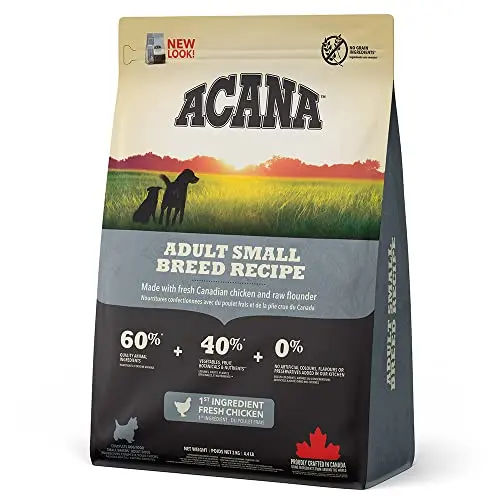
Adult Small Breed Dry Mix – Balanced Nutrition with Wholesome Grains
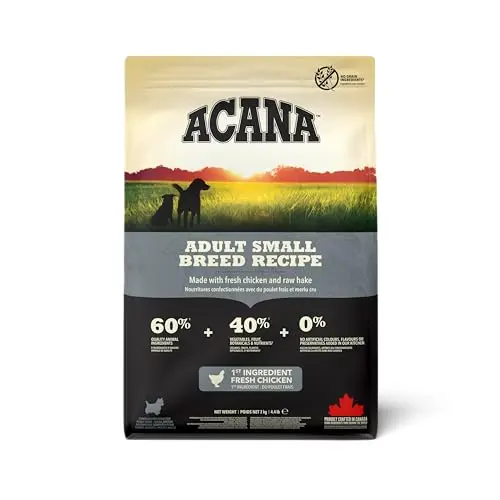
Adult Small Breed – Grain-Free WholePrey Formula
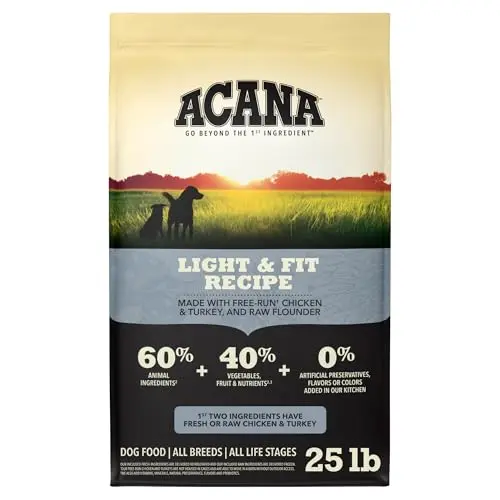
Light & Fit – Weight Management with Lean Proteins
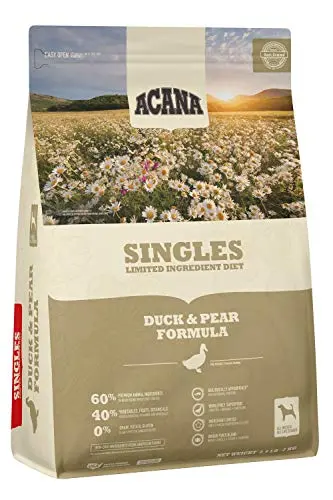
Singles Duck & Pear – Limited Ingredient Diet
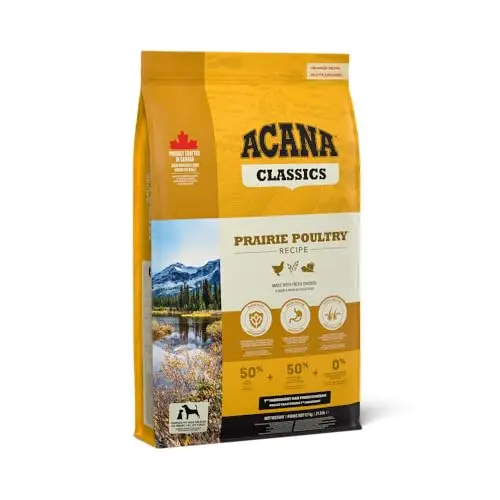
Prairie Poultry – Multi-Protein Feast for All Breeds
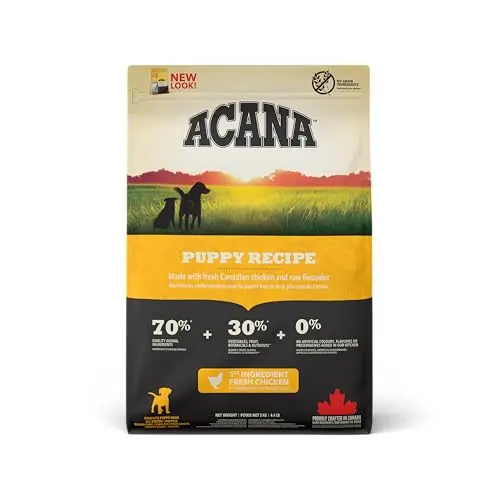
Puppy & Junior – Growth Support with Chicken & Turkey
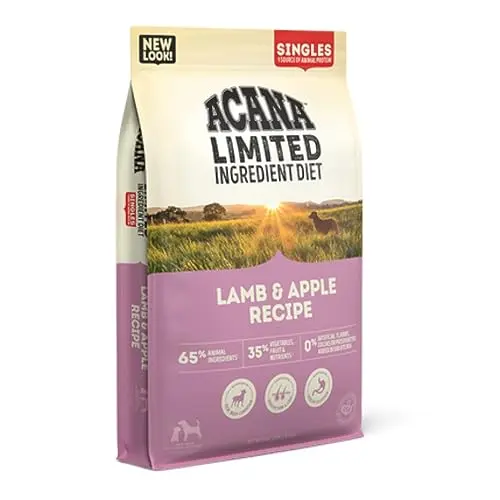
Lamb & Apple – Limited Ingredient for Sensitive Dogs
How We Evaluated These Acana Dog Foods
We didn’t run controlled feeding trials or long-term digestibility studies. What we did: cross-referenced 7 Acana formulas across 5 key decision axes-protein source, grain inclusion, life stage, special dietary needs, and ingredient quality. Since the entire lineup comes from Acana, this isn’t a multi-brand survey; the company dominates this particular category, so the comparison focuses squarely on which recipe fits a given dog best.
The scoring framework weighed real-world suitability (60%)-how well each formula delivers on its stated purpose for a typical dog-against feature differentiation (40%)-unique technical advantages like WholePrey ratios, freeze-dried coatings, or limited ingredient simplicity. We triangulated published specifications, aggregated owner feedback where available, and use-case fit against representative canine profiles. We have no commercial relationship with Acana; recommendations track nutritional fit and formulation strength, not brand loyalty. If your dog is a small-breed adult with no grain sensitivity, the Adult Small Breed Dry Mix is a superb all-rounder; if you’re managing a weight-prone pup, Light & Fit delivers results.
How to Choose the Right Acana Dog Food
Understanding Acana's Product Lines: Classics, Singles, and Regionals
Acana splits its lineup into several families, each with a different nutritional philosophy. The Classic line (like the Adult Small Breed Dry Mix) often includes wholesome grains such as steel-cut oats and focuses on a broad range of animal proteins. The Singles line limits each recipe to a single animal protein source, making it ideal for elimination diets. The Regional formulas (like Prairie Poultry or Light & Fit) highlight locally sourced ingredients and often feature multiple proteins with a grain-free approach. Knowing which line aligns with your dog’s sensitivities and your own ingredient preferences is the first step.
Grain-Free vs. Whole Grain: What's Right for Your Dog?
Grain-free diets like the Light & Fit or the Adult Small Breed WholePrey formula avoid wheat, corn, and soy, relying instead on legumes and vegetables. They can be beneficial for dogs with grain allergies, though true grain allergies are relatively rare. The steel-cut oats found in the Classic Adult Small Breed offer a low-glycemic carbohydrate source that supports sustained energy and digestive health. If your dog has done well on grain-inclusive foods historically, there’s no need to switch-the Classic line is a solid choice. For dogs with confirmed grain sensitivities, the grain-free options are likely the better pick.
Protein Sources: Chicken, Lamb, Duck, or Fish?
Acana uses a variety of animal proteins, each with different fat profiles and allergen potential. Chicken and turkey are lean, widely available, and generally palatable-they form the backbone of the Prairie Poultry and Puppy formulas. Lamb is a common choice for sensitive dogs, as it’s often a novel protein to those who have eaten mostly poultry. Duck offers a richer flavour and tends to be well-tolerated by dogs with multiple protein allergies. Fish appears in the Light & Fit formula, contributing omega-3 fatty acids without the need for added supplements. If your dog hasn’t shown any adverse reactions, choosing a variety of proteins over time is ideal.
Life Stage: Puppy, Adult, or All Life Stages?
The Puppy & Junior formula is specifically calibrated for growth, with higher protein and fat levels plus DHA from fish for neurological development. It’s best for dogs under 12-18 months. The Adult Small Breed recipes cater to the higher metabolic rate of small dogs, with smaller kibble sizes and slightly elevated calorie density. Many Acana formulas, like the Singles and the Light & Fit, are rated for all life stages, meaning they meet the nutritional minimums for puppies and adults alike. While convenient, these all-life formulas may not be optimal for very young puppies or highly active adults compared to a dedicated recipe.
Special Diets: Weight Management and Limited Ingredients
Acana addresses two common special needs explicitly: weight control and food sensitivities. The Light & Fit recipe reduces calories mainly by leaning on leaner proteins and adding more fibre-rich legumes, so your dog feels full without excess energy. For sensitivities, the Singles line (Duck & Pear, Lamb & Apple) strips the ingredient list down to one animal protein and a limited carbohydrate source. This makes it much easier to identify triggers during an elimination trial. If your dog simply needs to lose a few pounds, Light & Fit is the straightforward choice; if you suspect allergies, start with a Singles formula and monitor the response.
Size-Specific Formulas: Small Breed vs. All Breed
Acana’s small-breed formulas are more than just smaller kibble-they’re slightly more calorie-dense to match the faster metabolism of tiny dogs. The Adult Small Breed Dry Mix and the Adult Small Breed WholePrey both take this approach, with the former including grains and the latter being grain-free. Larger breeds can thrive on the Prairie Poultry or Light & Fit, which come in bigger bags and offer the protein levels needed to maintain muscle mass. If you’re feeding a very large or giant breed, the Prairie Poultry’s 17kg bag provides a practical, budget-conscious option without sacrificing ingredient quality.
Frequently Asked Questions
What's the difference between Acana Singles and the Light & Fit formula?
The Acana Singles line focuses on a single animal protein (such as duck or lamb) and a minimal ingredient list, making it ideal for dogs with food allergies or sensitive stomachs. The Light & Fit formula, by contrast, combines multiple proteins (chicken, turkey, fish) but is designed for weight management, with a lower calorie density and higher fibre content. If your dog has a known protein allergy, a Singles recipe is the safer bet. If the goal is simply weight loss without allergy concerns, Light & Fit offers more variety in protein while managing calorie intake.
How does the Adult Small Breed Dry Mix compare to the Adult Small Breed WholePrey formula?
The biggest difference is grains: the Dry Mix includes steel-cut oats, while the WholePrey version is completely grain-free. The WholePrey formula also incorporates freeze-dried liver for enhanced palatability and uses meat, organs, and cartilage in ratios that mimic natural prey. Nutritionally, both are excellent small-breed options, but if your dog thrives on a grain-inclusive diet or you prefer to avoid legumes, the Dry Mix is a great fit. If you want a grain-free approach with maximum meat content, the WholePrey formula edges ahead.
Is Acana suitable for dogs with allergies?
Many dogs with food allergies do well on Acana’s Singles line, which features limited ingredients and a single animal protein. The Lamb & Apple and Duck & Pear recipes avoid common allergens like chicken and beef. However, always check the full ingredient list: for example, the Lamb & Apple formula includes fish oil, so it’s not suitable for dogs with fish allergies. For severe allergies, it’s often best to start with a novel protein your dog hasn’t encountered before and consult your vet.
Can I feed the Puppy & Junior formula to large-breed puppies?
Yes, the Puppy & Junior formula is rated for all breed sizes and contains the high protein and fat necessary for growth. However, large-breed puppies have specific calcium and phosphorus requirements to support controlled bone growth, and while this food meets general AAFCO standards, it’s not specifically labelled for large breeds. If you have a giant breed puppy prone to joint issues, you might prefer a formula with a dedicated large-breed puppy nutrient profile. For most medium-to-large pups, though, it’s a solid choice.
Why are some Acana bags so small?
The small bags (2kg or 4.5lb) are primarily trial sizes or designed for very small dogs that don’t eat much. They can also be useful if you’re rotating proteins or need a limited-ingredient diet for a short period. For cost efficiency, larger bags like the 6kg, 13lb, 25lb, or 17kg options offer a lower price per meal, but you’ll want to ensure your dog goes through them within a reasonable time to maintain freshness.
Final Verdict
For most small-breed adult dogs that tolerate grains, the Adult Small Breed Dry Mix is our top pick-it delivers balanced nutrition with wholesome steel-cut oats without unnecessary fillers. If you prefer a grain-free option with maximum meat inclusion, the Adult Small Breed WholePrey is a premium alternative worth the upgrade. For weight management, the Light & Fit offers a lean-protein solution that doesn’t sacrifice flavour. And if you’re raising a puppy, the Puppy & Junior formula gets them off to a strong start. No matter your dog’s needs, there’s an Acana recipe built to support them.