
Bringing home a medium breed puppy like a Border Collie or a Bulldog is exciting-and immediately throws you into the world of puppy nutrition. You want them to grow strong, avoid joint issues, and build a healthy foundation, but the pet food aisle is a maze of claims about DHA, probiotics, and breed-specific formulas.
For medium breeds, the stakes are slightly different than for toys or giants: they need controlled growth to prevent skeletal problems, balanced energy for their active days, and ingredients that support a robust digestive system. In this guide, we’ve surveyed standout puppy foods across five major brands to help you pick the right fuel for your pup. Whether you prioritize brain development, digestive health, or simple, wholesome ingredients, we’ll walk you through what matters and which formulas deliver.
Best Puppy Food for Medium Breeds – 2026 Reviews
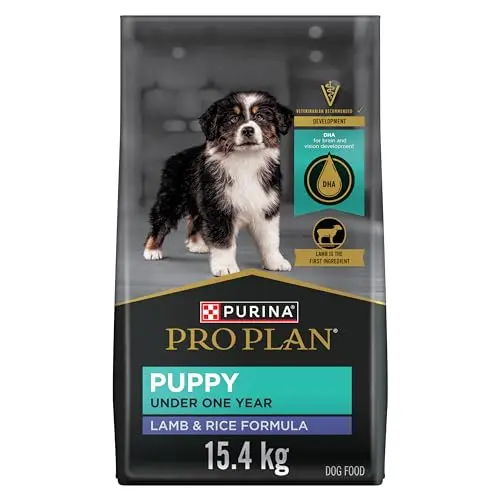
Development Lamb & Rice – Brain & Muscle Support
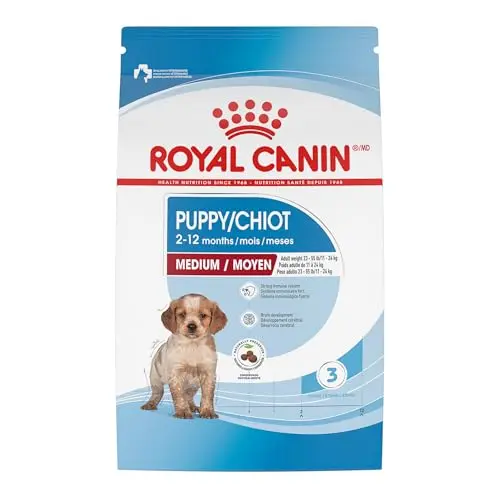
Medium Puppy – Brain & Digestive Support
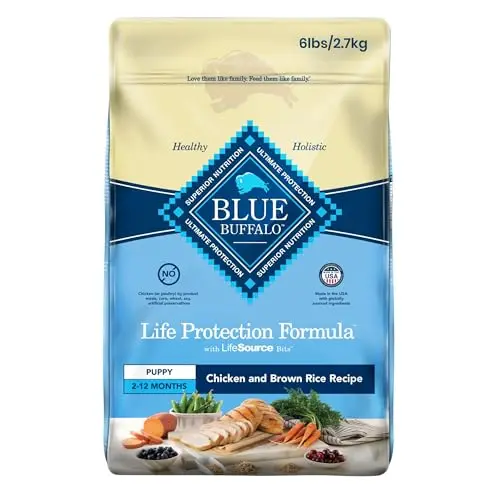
Life Protection Formula Chicken & Brown Rice – Immune & Bone Support
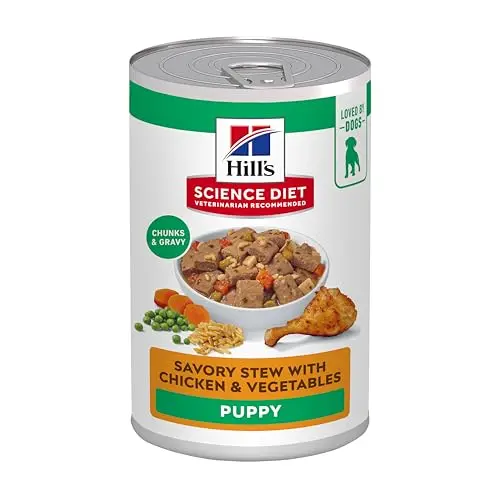
Savory Stew with Chicken & Vegetables – Easy Digestion & Palatability
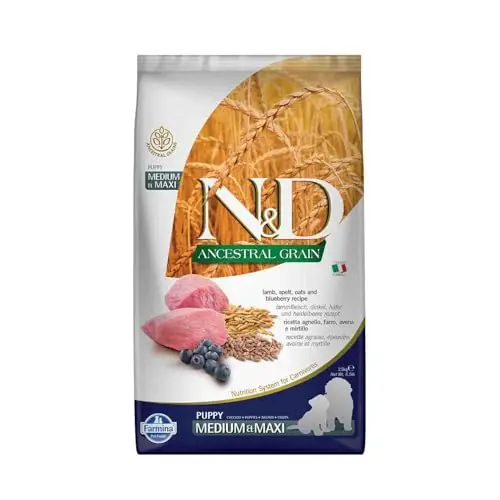
N&D Lamb & Blueberry Low-Grain – Premium Joint & Coat Support
How We Evaluated These Puppy Foods for Medium Breeds
We didn’t run controlled feeding trials or laboratory digestibility analyses. What we did: cross-referenced 5 puppy foods from 5 distinct brands across 6 decision axes-protein quality, DHA source, probiotic inclusion, breed specificity, ingredient transparency, and form (dry vs. wet). We triangulated published specifications, aggregated owner feedback where available, and use-case fit against the unique growth requirements of medium breed puppies.
The scoring framework weighted real-world fit (60%)-how well each formula supports controlled growth, digestive health, and cognitive development-against feature differentiation (40%)-unique advantages like breed-specific formulations or novel protein sources. We have no commercial relationship with any of the brands featured; recommendations track performance, not brand allegiance. If you’re looking for the most comprehensive support, the Purina Pro Plan Development Lamb & Rice covers all bases; if breed precision matters most, the Royal Canin Medium Puppy is tailored to a T.
How to Choose the Right Puppy Food for Medium Breeds
What Medium Breeds Actually Need From Their Food
Medium breed puppies-think Beagles, Cocker Spaniels, or Standard Schnauzers-reach adult weights between 23 and 55 lbs, and their growth trajectory requires a careful balance. Too many calories can lead to rapid growth and joint stress; too few can stunt development. Look for a food that provides controlled levels of calcium and phosphorus for strong bones without overdoing it, and moderate fat content to support energy without promoting obesity. A breed-appropriate formula often has a calorie density that keeps growth steady, and the kibble size should encourage chewing rather than gulping.
The Role of DHA in Puppy Development
DHA (docosahexaenoic acid) is an omega-3 fatty acid crucial for brain and eye development, especially in the first year. It’s naturally found in mother’s milk, so puppy foods that include fish oil or marine algae sources can help replicate that nutritional benefit. For medium breeds that will be active, smart companions, DHA supports learning and responsiveness. The Purina Pro Plan Development and Blue Buffalo Life Protection both emphasize DHA from quality sources, making them solid choices for cognitive support.
Grain vs. Grain-Free for Medium Breed Puppies
While grain-free diets have gained popularity, they aren’t necessarily better. Medium breeds do well with wholesome grains like brown rice or oats, which provide slow-release energy and dietary fiber. Grain-free formulas sometimes substitute legumes, which have been linked to heart concerns in dogs. If you’re considering grain-free, choose one with a strong protein base and evidence of balanced formulation, like Farmina N&D which uses spelt and oats rather than peas or lentils. Always consult your vet before making a grain-free choice for a growing puppy.
Wet vs. Dry: Choosing the Right Form
Dry kibble is convenient and helps with dental health, but wet food can boost palatability and hydration-a plus for puppies that don’t drink enough water. Combining both, or using wet food as a topper, can give you the best of both worlds. The Hill’s Science Diet stew is a great wet option that still delivers DHA and minerals, while dry foods like Royal Canin Medium Puppy provide complete nutrition in every crunchy bite.
Key Ingredients to Look For
Beyond protein and DHA, scan the label for prebiotics or probiotics (for gut health), omega-6 fatty acids (for a shiny coat), and natural antioxidants like vitamin E (for immunity). Avoid foods with excessive fillers, artificial colours, or by-product meals as primary ingredients. The Blue Buffalo formula includes LifeSource Bits that pack antioxidants, while Pro Plan’s guaranteed live probiotics can help settle sensitive stomachs.
Transitioning Your Puppy to a New Food
Switch foods over 7-10 days by gradually mixing the new kibble with the old, increasing the ratio each day. Sudden changes can cause diarrhea. If you’re introducing wet food like Hill’s stew, you can start by mixing a small spoonful into dry food. Always monitor stool quality-a good sign that the new food agrees with your puppy.
Frequently Asked Questions
What's the difference between Royal Canin Medium Puppy and Purina Pro Plan Development?
Both are excellent for medium breeds, but they take different approaches. Royal Canin’s formula is specifically calibrated for medium breed growth rates with precise calcium and energy levels, plus a kibble design meant for medium mouths. Purina Pro Plan focuses on balanced, all-round nutrition with real lamb, DHA, and live probiotics, making it a versatile option for various breeds within the medium bracket. If you want a tailored, breed-specific diet, Royal Canin is the pick; if you prefer a high-protein, probiotic-rich base that still covers medium breed needs, the Pro Plan is a strong contender.
How does Hill's Science Diet wet food compare to Blue Buffalo dry for medium breeds?
Hill’s wet stew is highly palatable and moisture-rich, ideal for puppies that are picky or need extra hydration, while Blue Buffalo’s dry formula offers the convenience of kibble plus the immune-boosting LifeSource Bits. Nutritionally, both deliver DHA and balanced minerals. Many owners feed both: a dry Blue Buffalo base with a spoonful of Hill’s stew as a topper. For a standalone dry choice, Blue Buffalo is a complete and affordable meal; for a wet craving, Hill’s hits the spot.
Is grain-free food like Farmina N&D suitable for all medium breed puppies?
Not necessarily. Farmina’s low-grain formula uses spelt and oats instead of common grains, and it’s lower in carbohydrates, which can be a plus for puppies needing steady blood sugar. However, grain-free diets are best for dogs with specific grain allergies or sensitivities-most medium breeds thrive on quality grains like brown rice. Always confirm with your veterinarian, especially given the ongoing research into grain-free diets and canine heart health. If you’re looking for a premium, limited-ingredient alternative, Farmina is a well-crafted option.
Can I mix wet and dry puppy food?
Absolutely. Mixing wet and dry can increase palatability, boost water intake, and add variety to your puppy’s diet. Just be sure to adjust the total calorie intake to avoid overfeeding. For a balanced combo, try using a high-quality dry foundation like Royal Canin or Pro Plan and mixing in a spoonful of Hill’s stew. Keep an eye on your puppy’s weight and stool to ensure the mix works.
How do I know if my medium breed puppy is getting the right nutrition?
Watch for steady, gradual weight gain (not sudden spikes), a shiny coat, bright eyes, and firm stools. Lethargy, dry skin, or frequent digestive upsets can signal that the food isn’t a match. Your vet can assess body condition scores and growth charts. Remember that medium breeds have a longer growth window than small breeds, so patience and regular check-ups are key.
Final Verdict
For most owners of medium breed puppies, the Purina Pro Plan Development Lamb & Rice is the top recommendation-it delivers DHA, probiotics, and high-quality protein in a formula that supports steady growth without unnecessary complexity. If you want a breed-specific diet that takes the guesswork out of portioning, the Royal Canin Medium Puppy is a purpose-built standout. For those who prioritize natural ingredients and immune support without spending a fortune, Blue Buffalo Life Protection offers excellent value, while Farmina N&D is a premium pick for pups with sensitivities or owners seeking a grain-free, low-glycemic diet. No matter which you choose, pairing it with plenty of love, exercise, and regular vet visits sets your puppy up for a lifetime of health.